 Credit: natur&ëmwelt
Luxembourg has what is known as a Temperate Climate in which winters are generally mild and summers comparatively cool, with rainfall that can be high; its flora and fauna have thrived in and adapted to this climate over the centuries and millennia, with ongoing challenges due to pollution and recent climate change, as well as the introduction of non-native species, resulting in disruptions to the norm.
Nevertheless, with various initiatives and organisations helping the ecosystem and habitat, including sustainability and re-wilding, there is a lot happening in nature across the Grand Duchy.
Chronicle.lu has teamed up with natur&ëmwelt (the non-profit organisation (naturemwelt), the foundation (Hëllef fir d'Natur) and the Wildlife Care Centre (Flegeestatioun) for a series of articles on Luxembourg's nature reserves, in which we look at the natural habitats that preserve biodiversity and protect ecosystems from development, pollution and intensive agriculture.
No. 17 in this series focuses on the Auf der Woltz nature reserve.
Valley floors that are managed through mowing and grazing are exceptionally rich in animal and plant species. Due to their linear nature, these areas play a vital role as communication and migration corridors for wildlife between their various habitats. Near Clervaux, the site known as "Auf der Woltz" was the scene of a spectacular restoration operation under the cross-border INTERREG IIIA - TRANSNATIONAL ECOLOGICAL NETWORK project, aimed at converting resinous valley floors and spring areas.
Radical Restoration: Replacing Spruces with Open Habitats
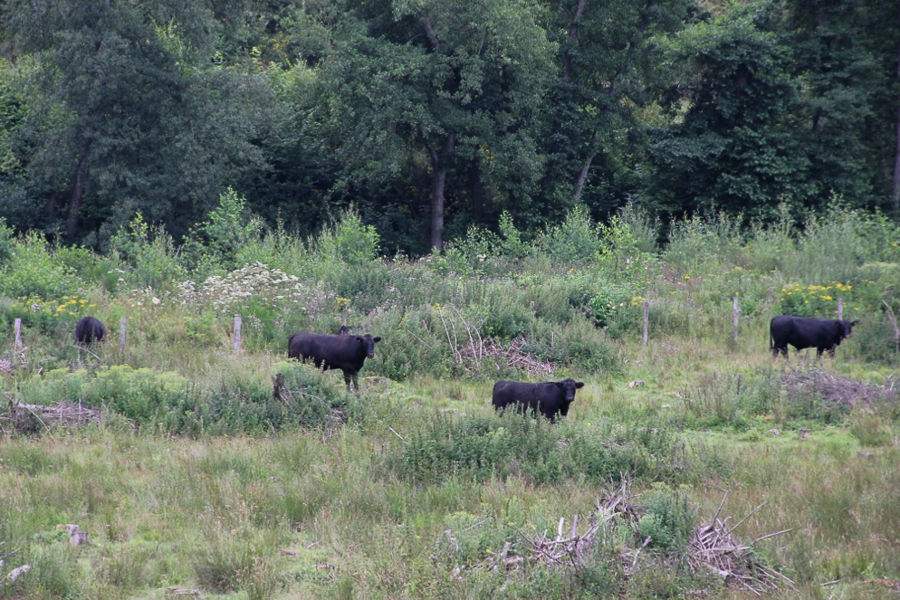
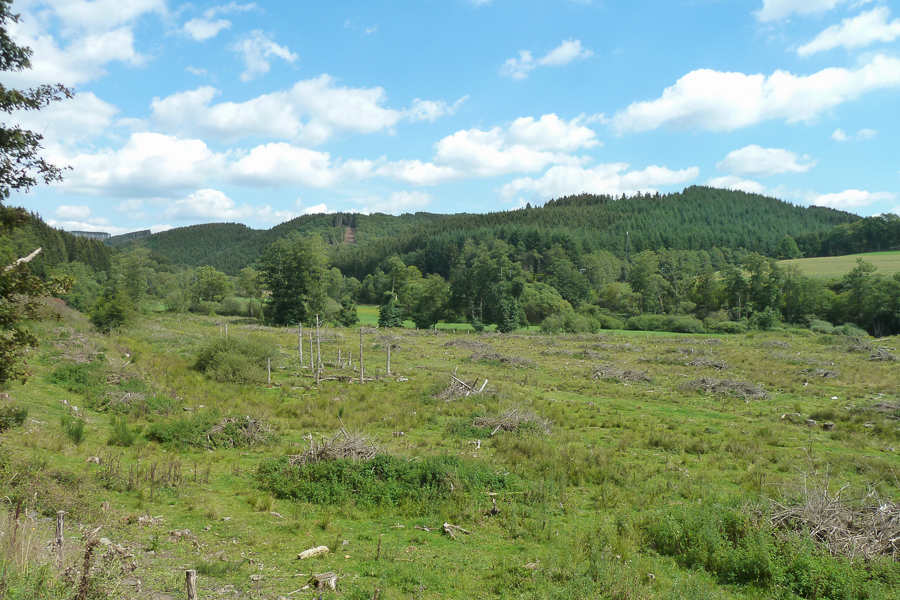
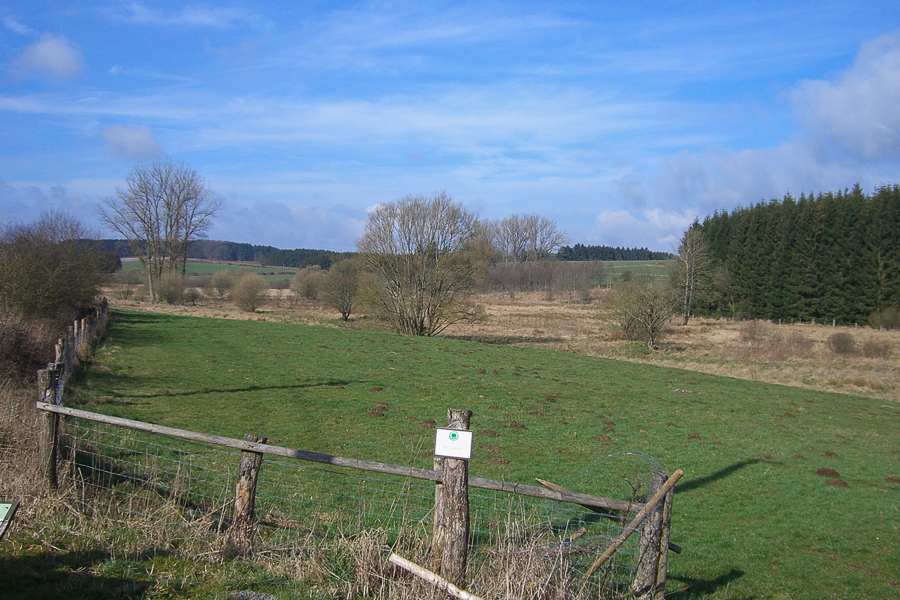
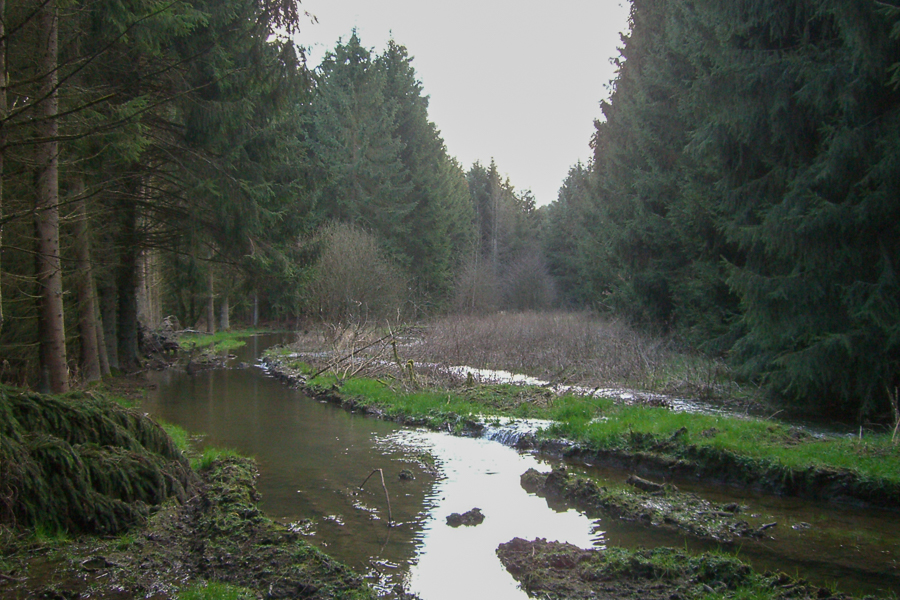
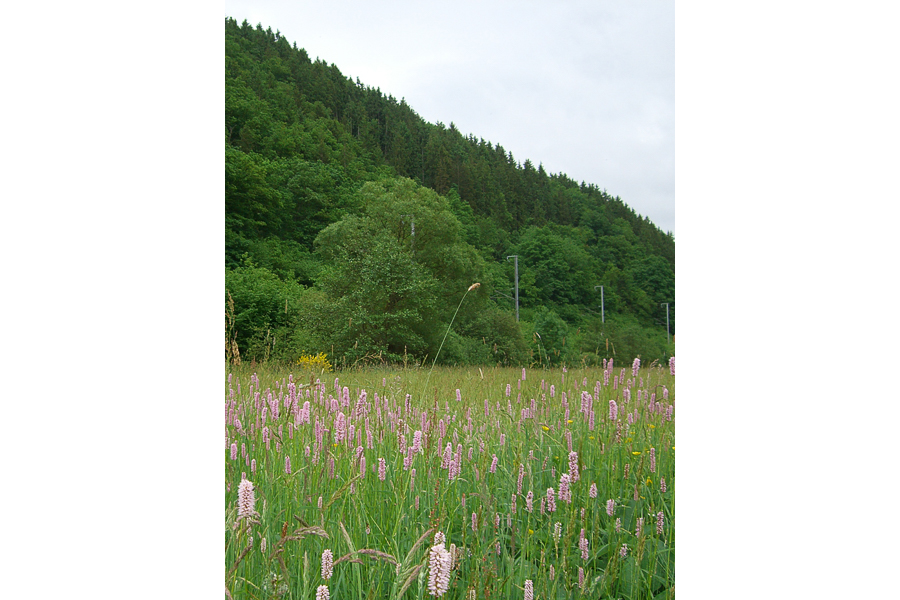
The left bank of the site remains a highly diverse typical mowing meadow, exhibiting characteristics of a lowland swamp. In stark contrast, the alluvial plain on the right bank was occupied by nearly five hectares of spruce forest. These conifers were ill-suited to the waterlogged ground, developing diseases like red rot. Furthermore, their shallow root systems promoted bank erosion and the needle litter impoverished the soil quality. To correct this inappropriate land use, the entire spruce plantation was deforested. The spruces were removed while strictly respecting the watercourses and maintaining the site's inherent wet character. The site has subsequently been converted into an open landscape, now managed through extensive grazing using Angus cattle, applied for a limited period annually, without fertilisers or pesticides.
Flora and Fauna: Celebrating Wetland and Watercourse Species
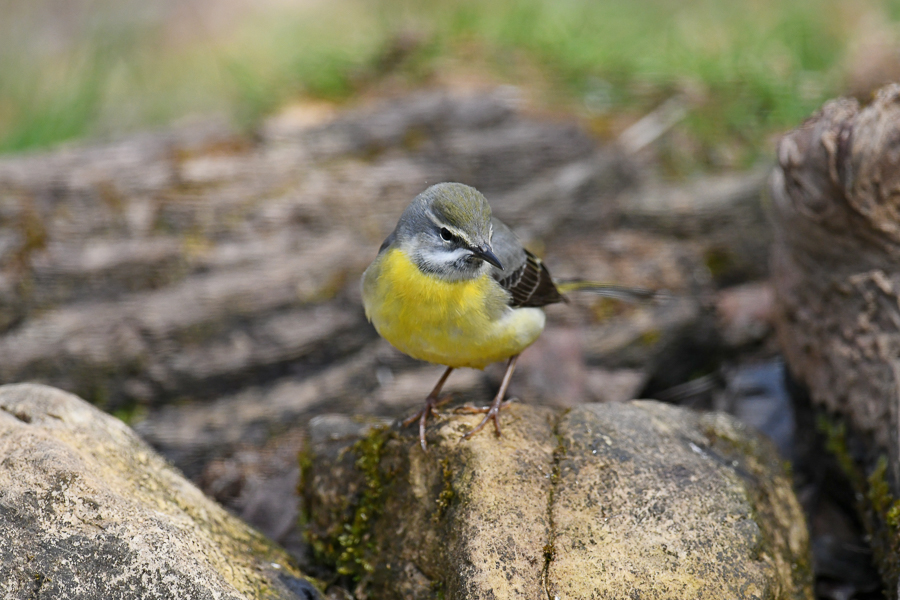
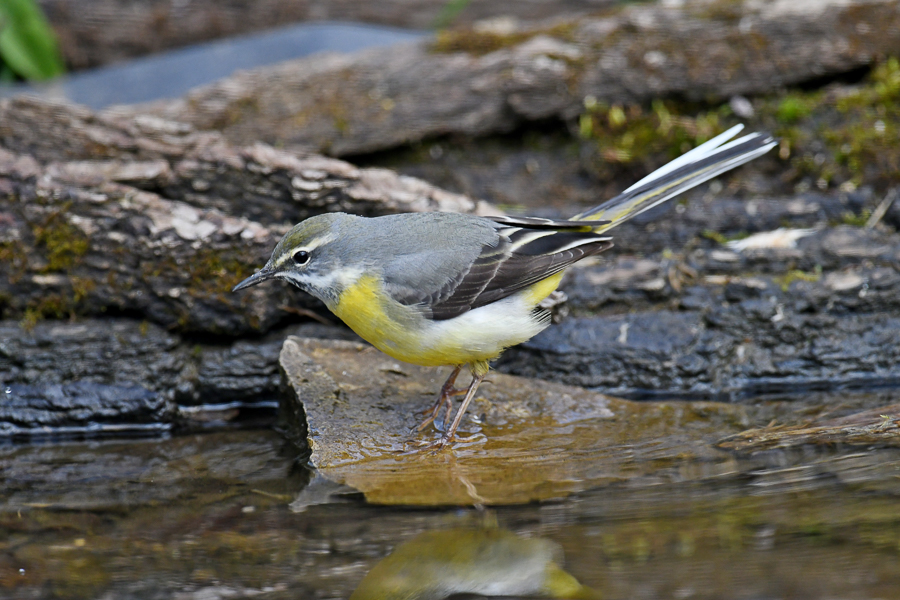
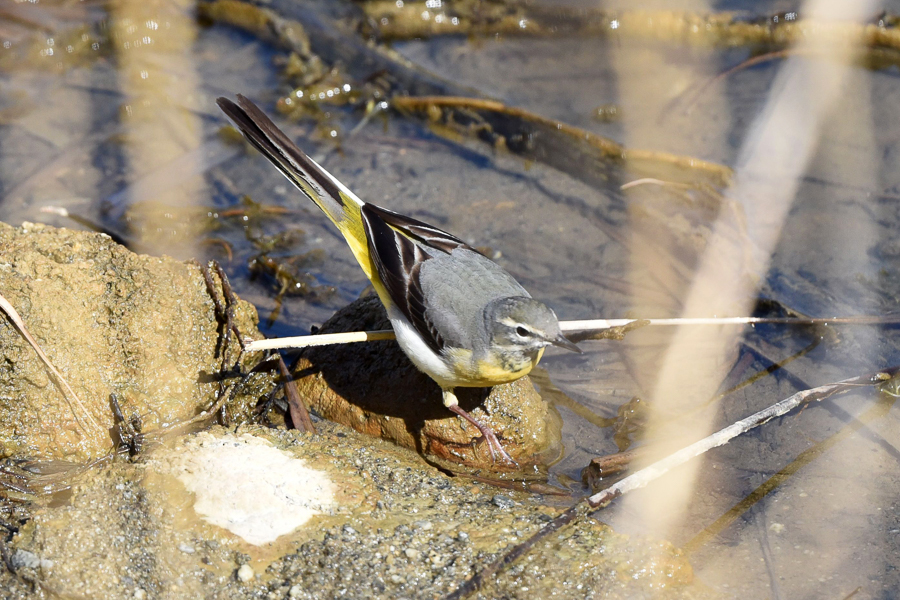
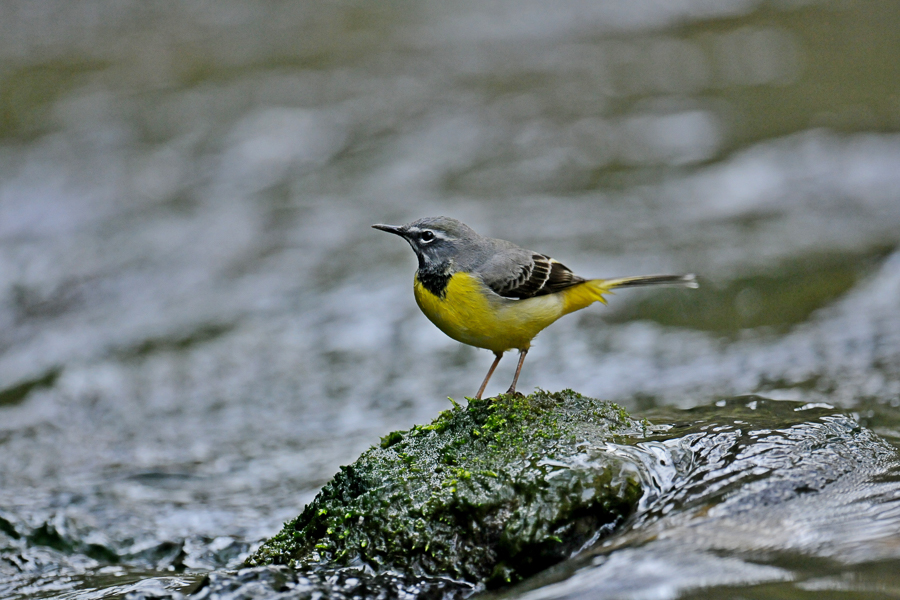
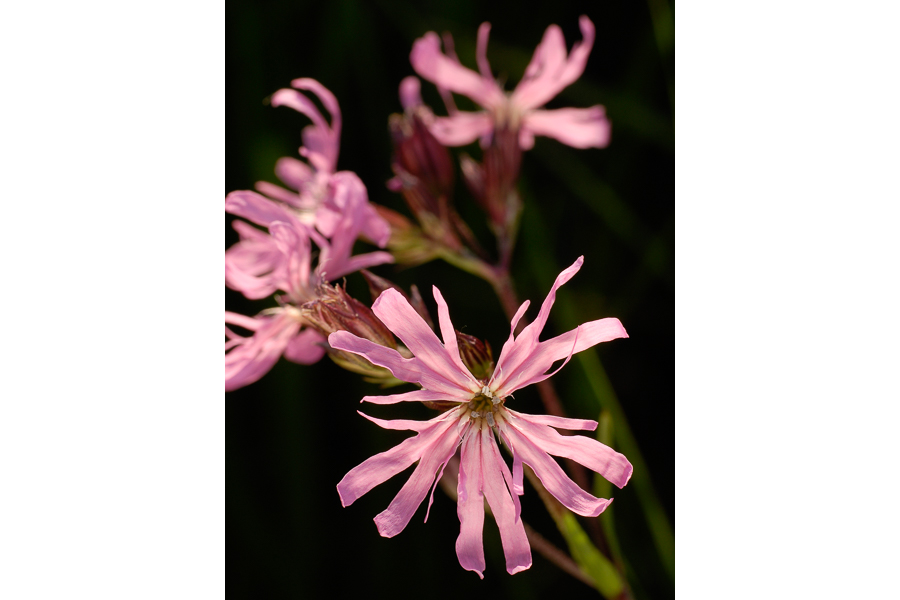
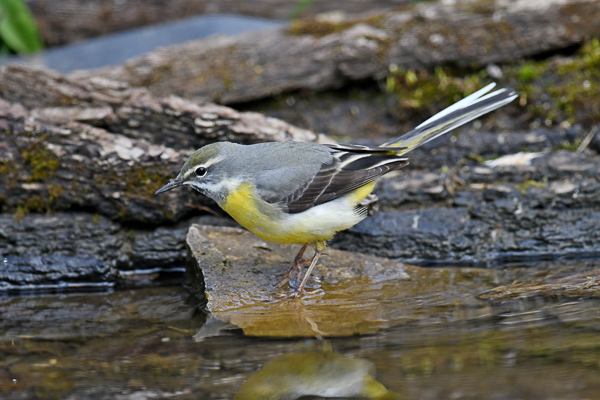
The ecological recovery is marked by the return of specialised species. A notable perennial plant in the rejuvenated wet meadows is Ragged Robin (Silene flos-cuculi), easily identifiable by its distinctive bright, shiny yellow sepals, which tends to disappear in pace with the draining of wetlands. Along the Woltz banks, a particular bird thrives in its favourite environment, running water: the Grey Wagtail (Motacilla cinerea), which forages along the banks and in shallow water. The habitat restoration supports the entire local food web, ensuring resources remain available for corridor species traversing the landscape.
Hiking and Heritage: The Escapardenne Trail
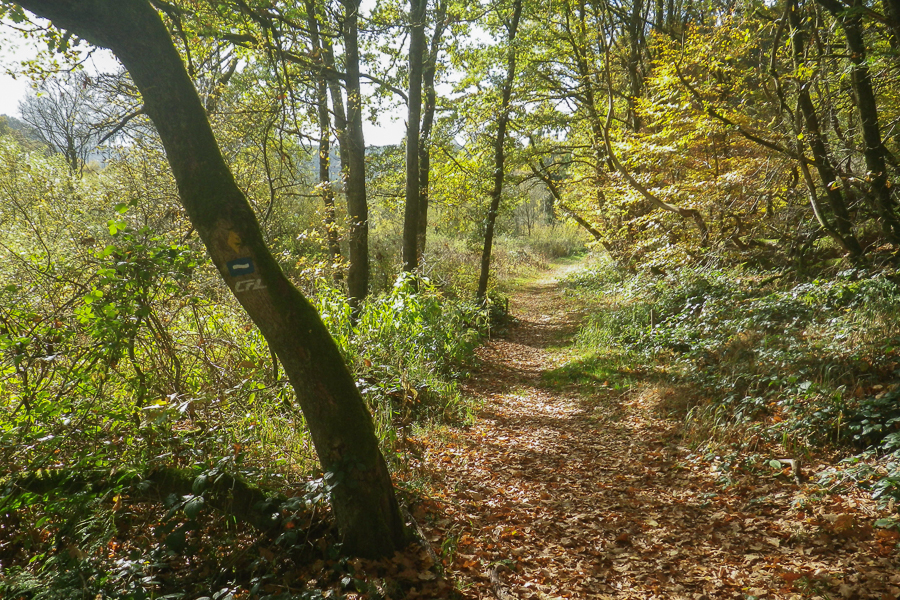
The restoration has created an accessible natural landscape intertwined with regional heritage. The local trail largely follows the Escapardenne Éislek Trail, a major 105 km cross-border route extending between Kautenbach and La Roche-en-Ardenne, certified as a Leading Quality Trail. This path allows visitors to experience the newly opened spaces and observe the ecological progress from Clervaux to Troisvierges.
Visitor Information: Experiencing "Auf der Woltz"
The "Auf der Woltz" site is a fantastic location for observing the benefits of converting commercial monocultures back into functional ecosystems. The best time to visit is during late spring and early summer, as this is when the Ragged Robin (Silene flos-cuculi) flowers vibrantly in the wet meadows. Birdwatchers should certainly watch the stream banks for the elegant Grey Wagtail (Motacilla cinerea). Visitors looking to explore the area can utilise the Escapardenne Éislek Trail, which passes through the area, offering stunning views of the restored river valley. Since the area is actively managed for grazing, please be considerate: do not disturb the Angus cattle and ensure all gates are closed to maintain the integrity of the extensive grazing system.