 Credit: natur&ëmwelt
Luxembourg has what is known as a Temperate Climate in which winters are generally mild and summers comparatively cool, with rainfall that can be high; its flora and fauna have thrived in and adapted to this climate over the centuries and millennia, with ongoing challenges due to pollution and recent climate change, as well as the introduction of non-native species, resulting in disruptions to the norm.
Nevertheless, with various initiatives and organisations helping the ecosystem and habitat, including sustainability and re-wilding, there is a lot happening in nature across the Grand Duchy.
Chronicle.lu has teamed up with natur&ëmwelt (the non-profit organisation (naturemwelt), the foundation (Hëllef fir d'Natur) and the Wildlife Care Centre (Flegeestatioun) for a series of articles on Luxembourg's nature reserves, in which we look at the natural habitats that preserve biodiversity and protect ecosystems from development, pollution and intensive agriculture.
No. 21 in this series focuses on Riedergrënn.
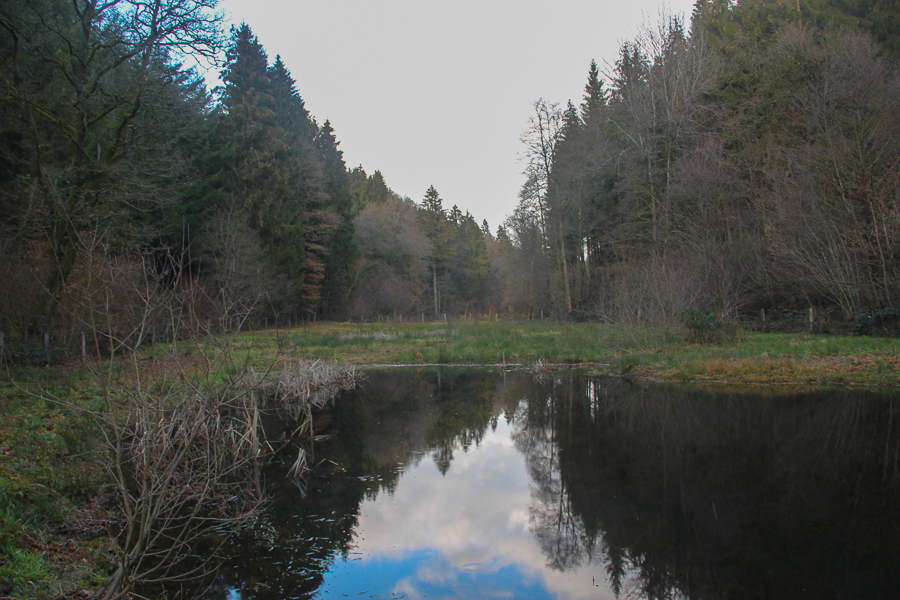
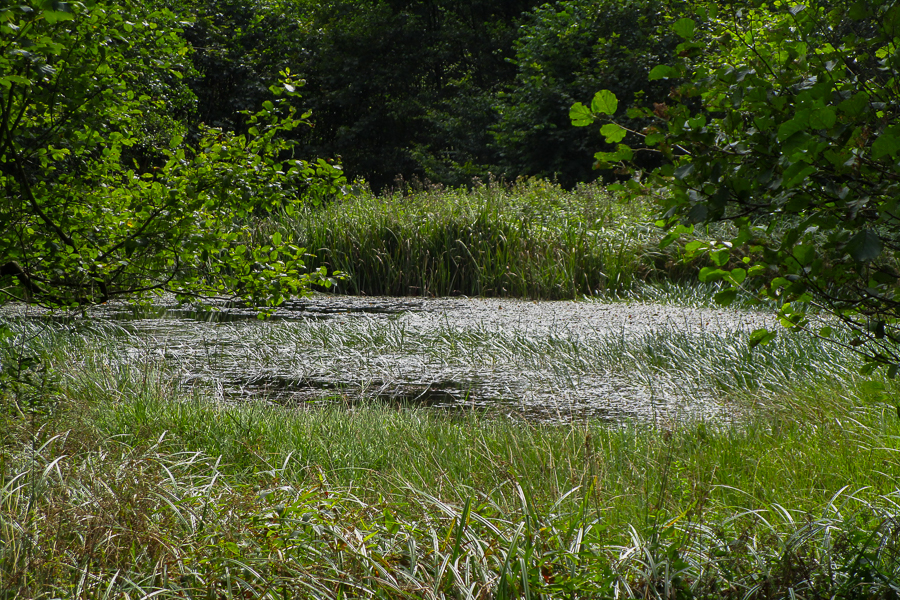
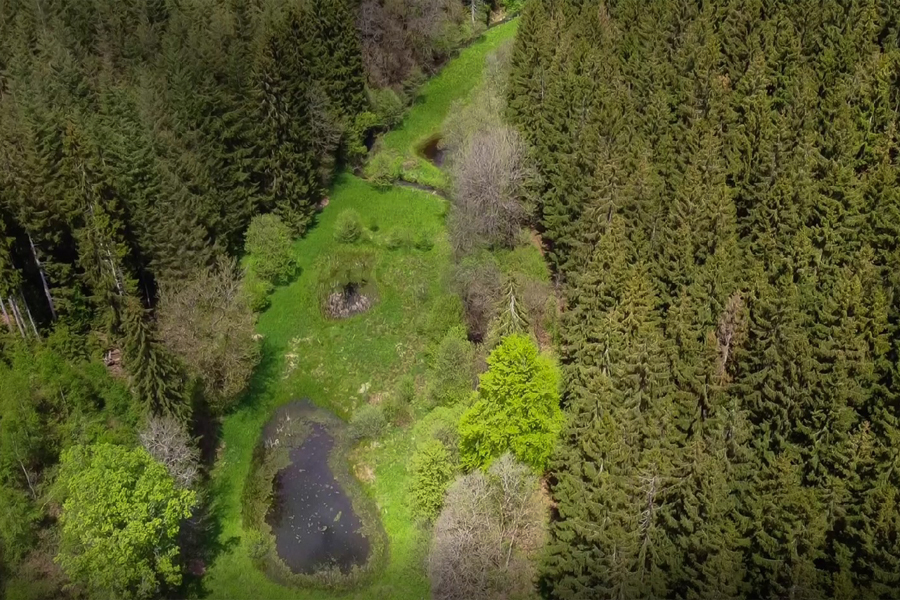
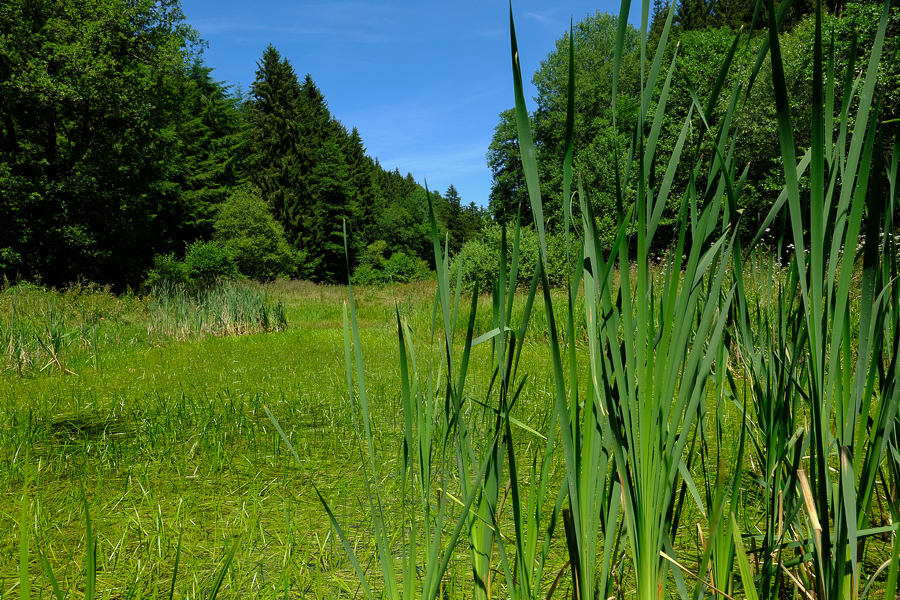
A core mission of the Foundation is the acquisition and management of nature reserves. A fundamental initial step upon acquiring a wetland area has always been the creation of ponds and pools to enhance the mosaic of life habitats; over 250 such water bodies have been created since 1982. The recent acquisition of reserves in Riedergrënn, literally meaning the valley floors near Roodt, has added another eleven ponds and pools to this effort.
A deep-cut Ardennes valley reborn
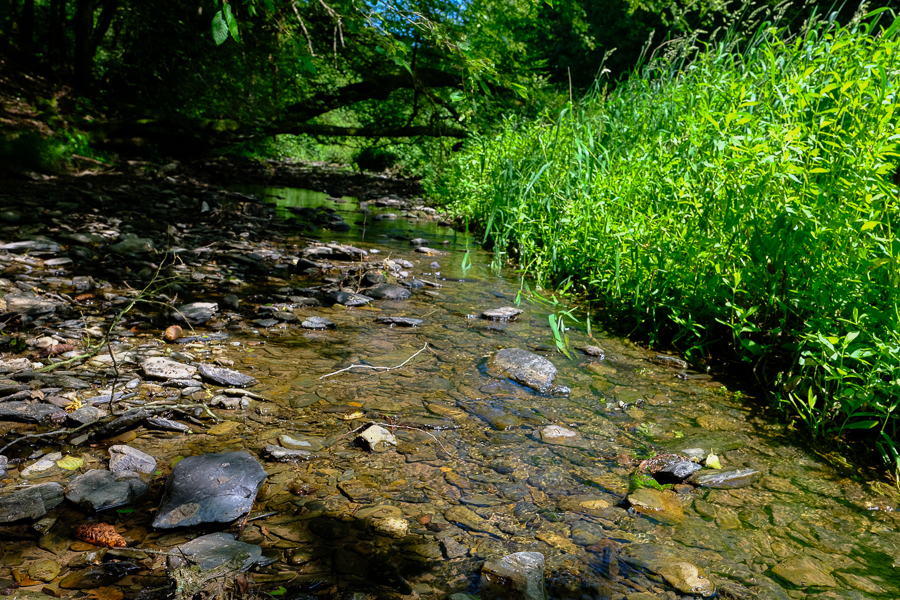
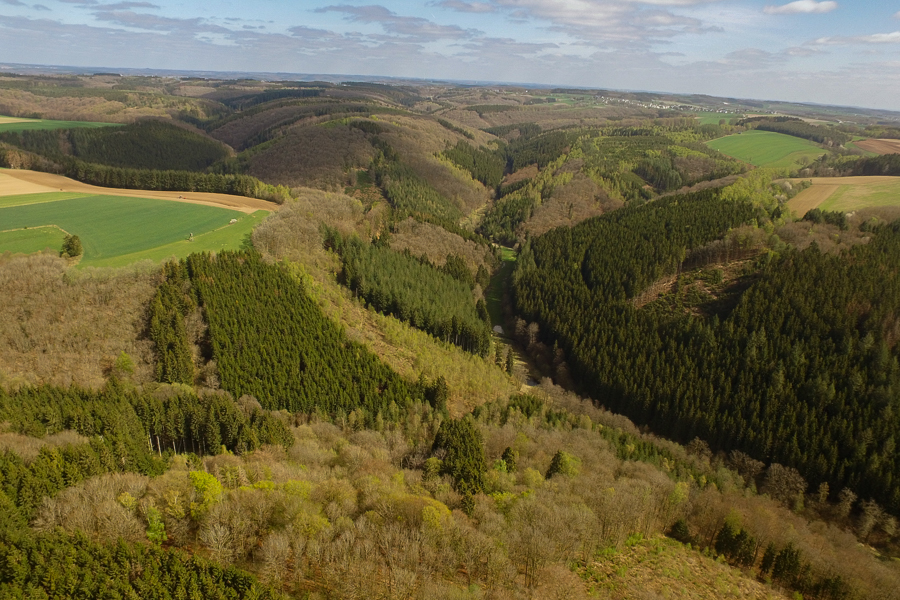
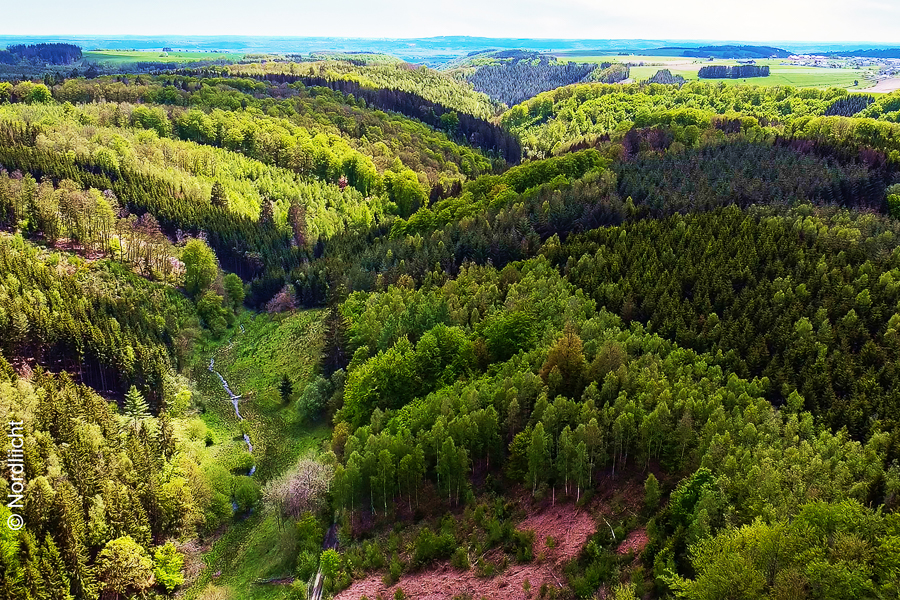
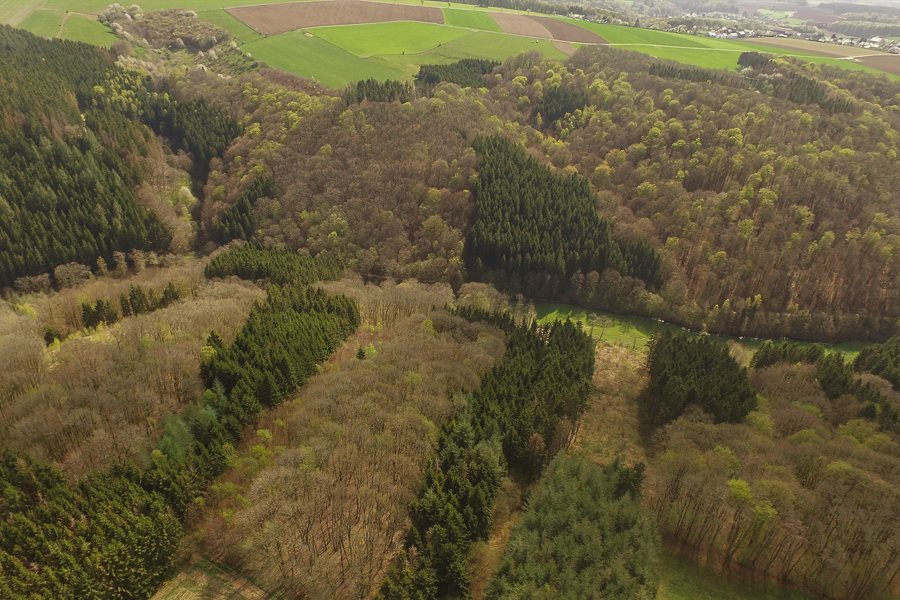
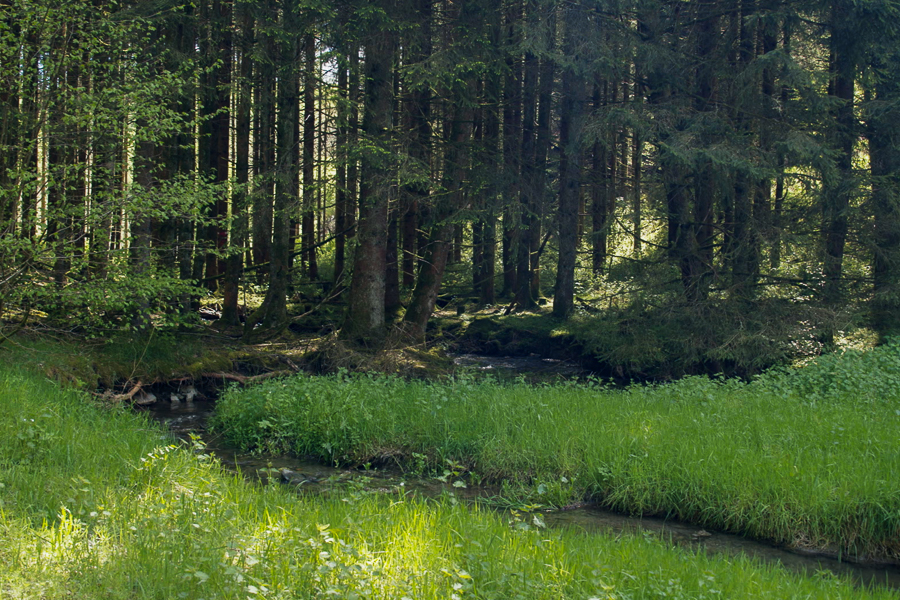
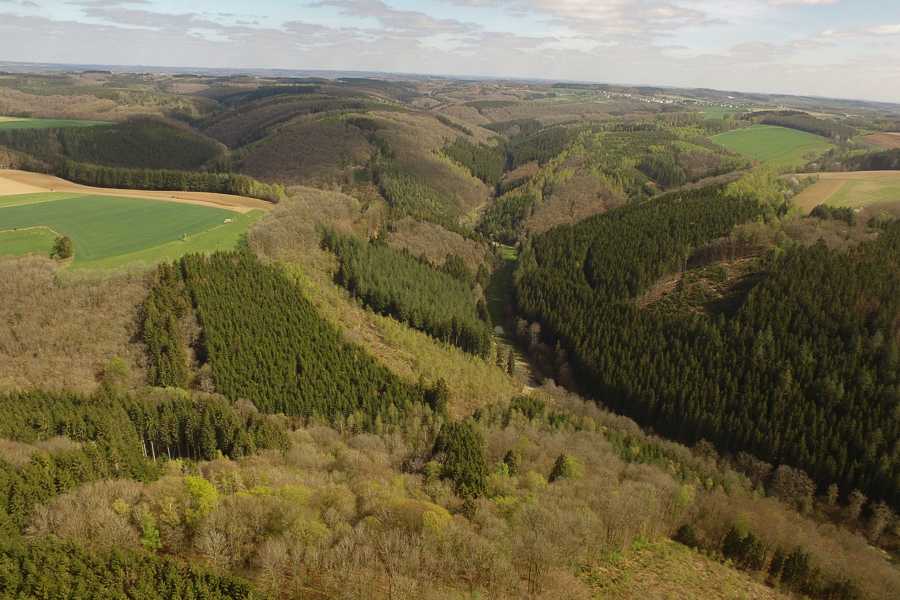
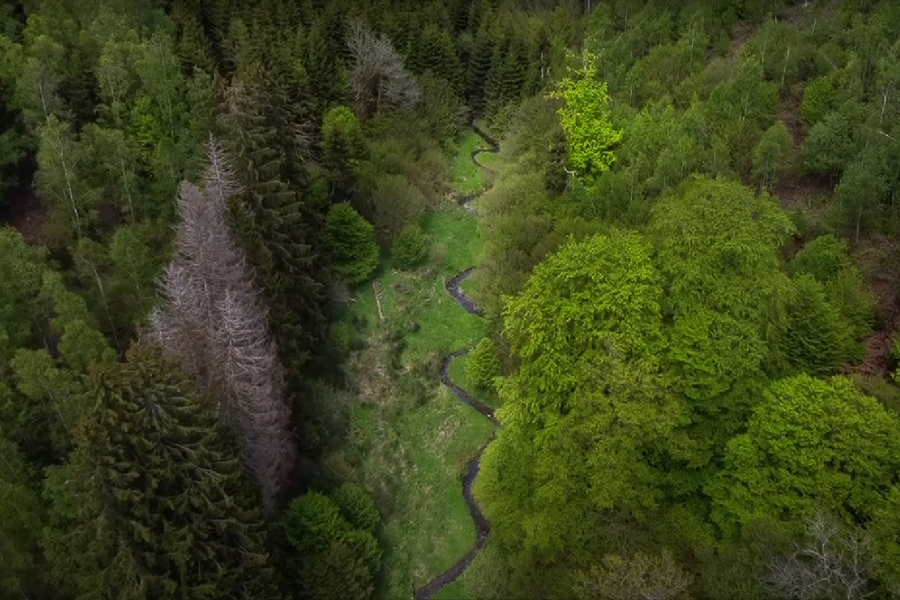
Riedergrënn gives its name to the valley of the Koulbich stream, a tributary of the Attert rising near Flatzbour. After the first third of its course, it merges with its left-bank tributary, the Rennbach stream. Together, they carve a typically deep-cut Ardennes valley with a narrow alluvial floor. This Y-shaped water system cuts its narrow valley almost directly north to south for 5 km before exiting the Ardennes near Petit-Nobressart.
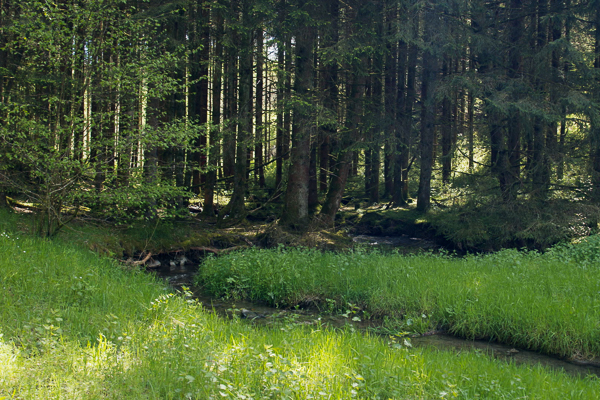
The valley's appearance is strikingly recent: in 2001, the majority of the valley floor was still planted with conifers. Since then, a vast reconversion project has transformed these areas into extensive wet meadows. Hidden within this large forest massif, the valley’s ponds are highly attractive for the reproduction, development and hibernation of amphibians. The shallow edges of the ponds provide ideal vegetation for breeding avifauna.
Ecosystem diversity and indicator species
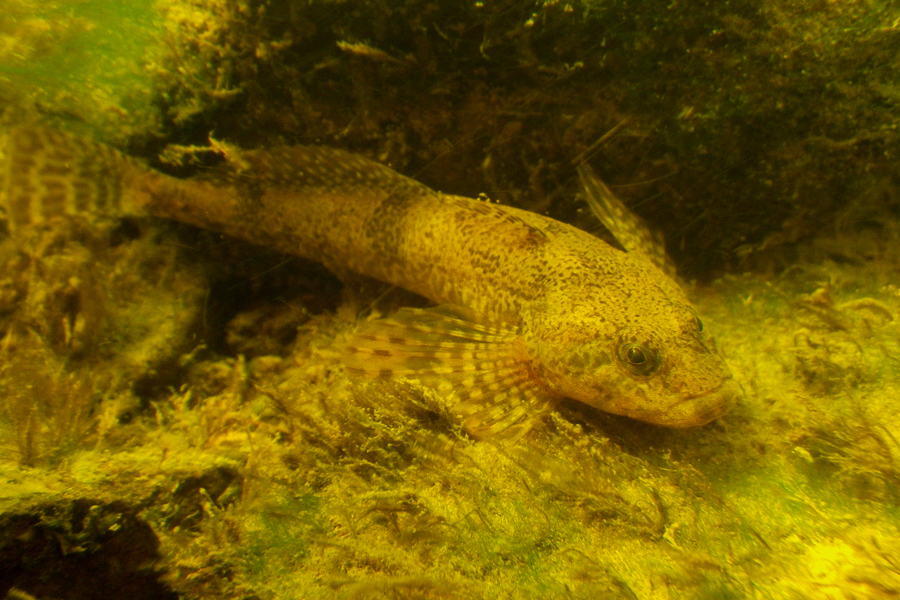
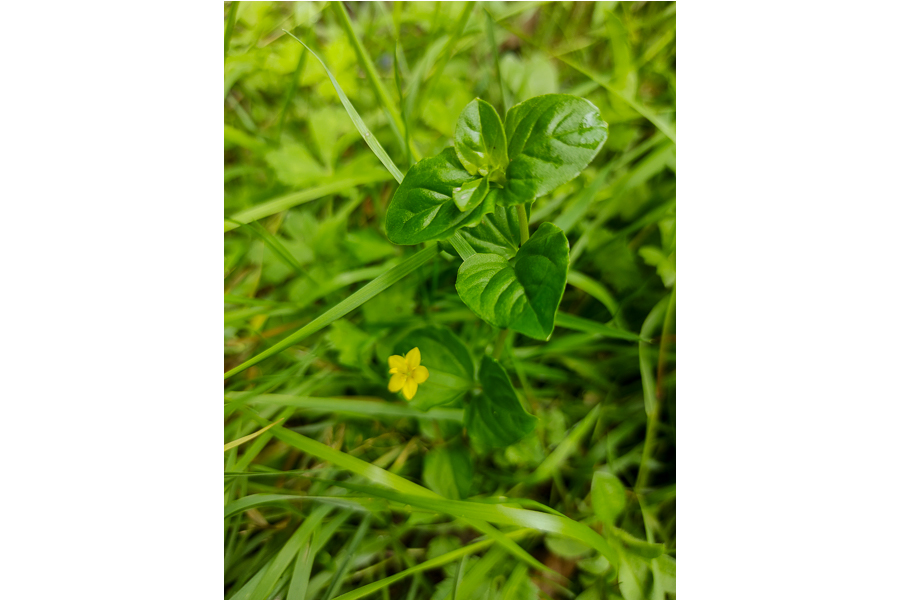
The diversity of the valley’s wetlands, comprising extensive pastures, alluvial hay meadows and wet forests, is particularly appealing to species like the Black Stork (Ciconia nigra). The open nature of the valley floor, punctuated by these new ponds, is a direct result of the post-2001 reconversion effort. Furthermore, the shaded, cool and moist areas where the undergrowth meets the springs or wet pastures are favoured by Yellow Pimpernel (Lysimachia nemorum). The Common Bullhead (Cottus gobio), known locally as Kauzekapp due to its silhouette, is a bottom-dwelling fish in the Koulbich stream, highly sensitive to water pollution, making its presence an excellent indicator of water quality.
Visitor information: Exploring the Koulbich Valley
Riedergrënn offers a landscape of rejuvenated wetlands, perfect for observing aquatic life and birds. The best time to visit is late spring and summer, when the amphibians are active and the water features are at their fullest, though the Yellow Pimpernel (Lysimachia nemorum) can be spotted earlier in the season in shady areas. Visitors can explore this unique valley by combining three routes: the Riedergrënn nature trail from Roodt, the self-guided circuit from Rambrouch, or the Rambrouch local trail 9. These trails together cover the entire valley system. Since the paths are not constantly marked, using a map or GPX file is strongly recommended to navigate the complete route.