 Credit: natur&ëmwelt
Luxembourg has what is known as a Temperate Climate in which winters are generally mild and summers comparatively cool, with rainfall that can be high; its flora and fauna have thrived in and adapted to this climate over the centuries and millennia, with ongoing challenges due to pollution and recent climate change, as well as the introduction of non-native species, resulting in disruptions to the norm.
Nevertheless, with various initiatives and organisations helping the ecosystem and habitat, including sustainability and re-wilding, there is a lot happening in nature across the Grand Duchy.
Chronicle.lu has teamed up with natur&ëmwelt (the non-profit organisation (naturemwelt), the foundation (Hëllef fir d'Natur) and the Wildlife Care Centre (Flegeestatioun) for a series of articles on Luxembourg's nature reserves, in which we look at the natural habitats that preserve biodiversity and protect ecosystems from development, pollution and intensive agriculture.
No. 23 in this series focuses on the Ditgesbaach Nature Reserve.
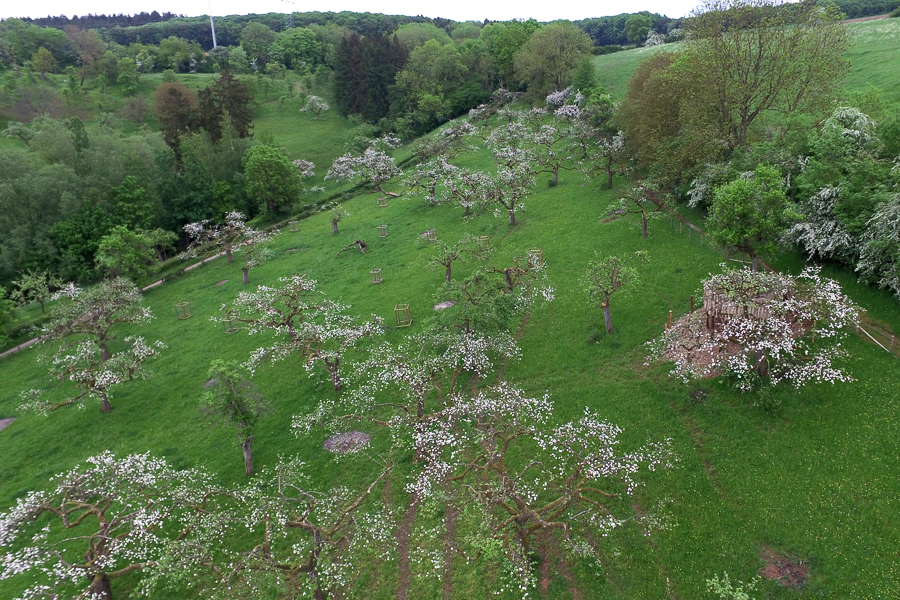
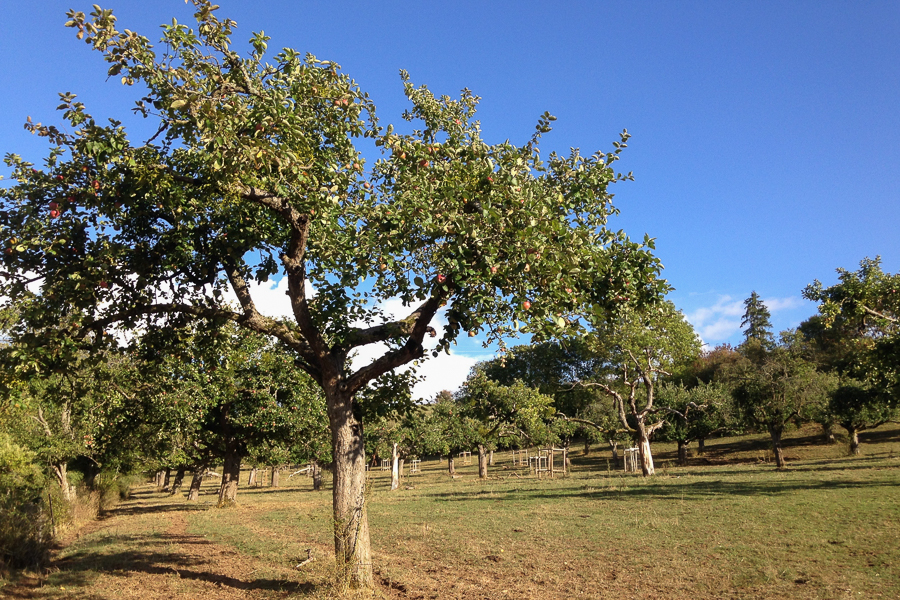
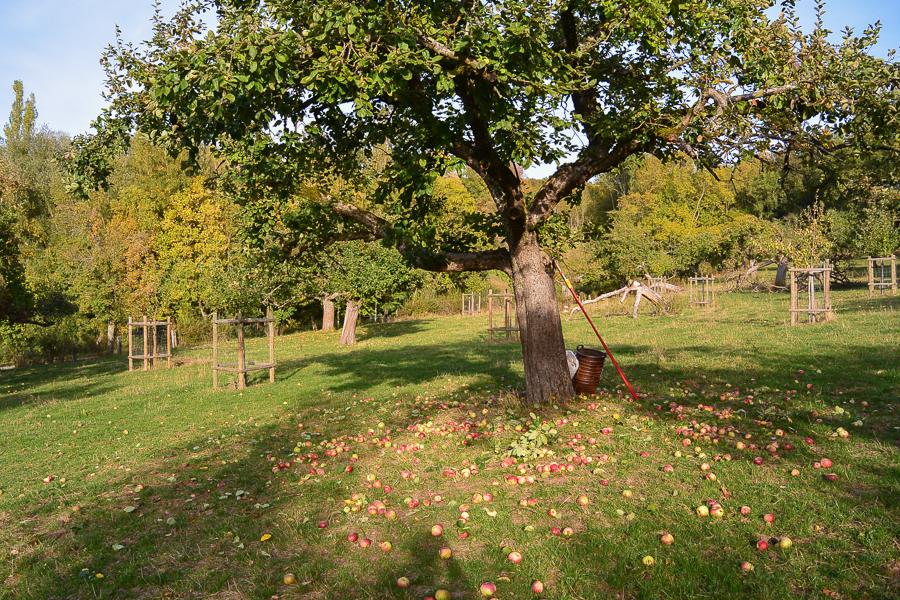
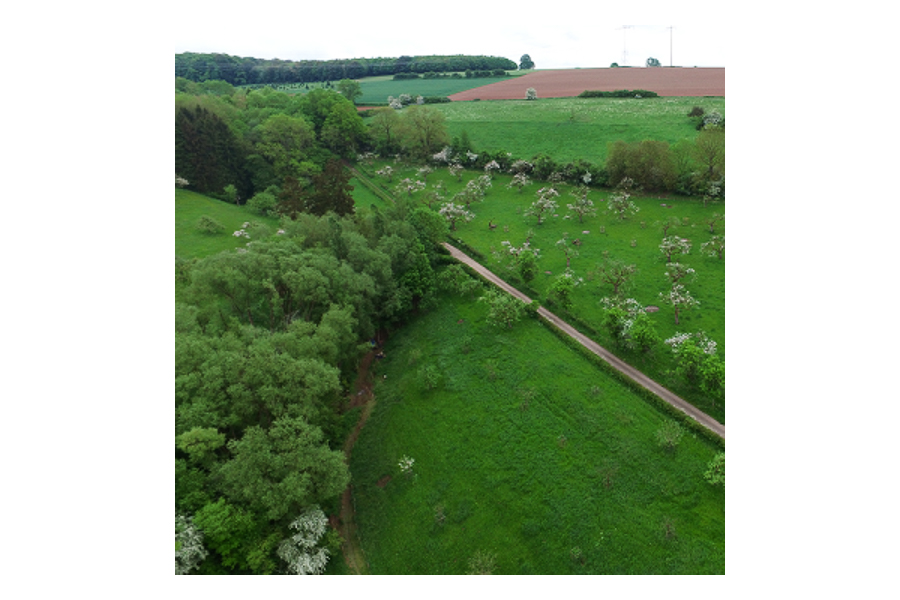
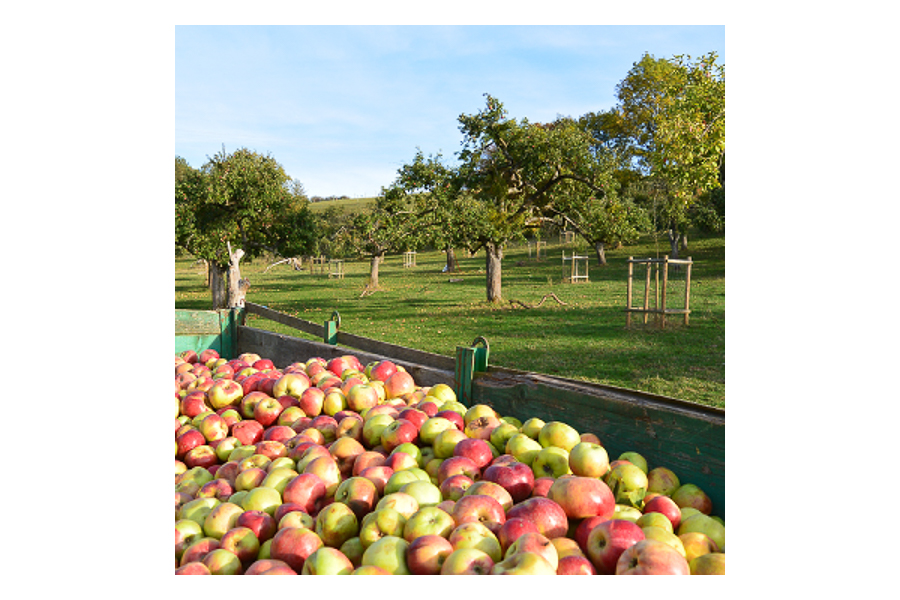
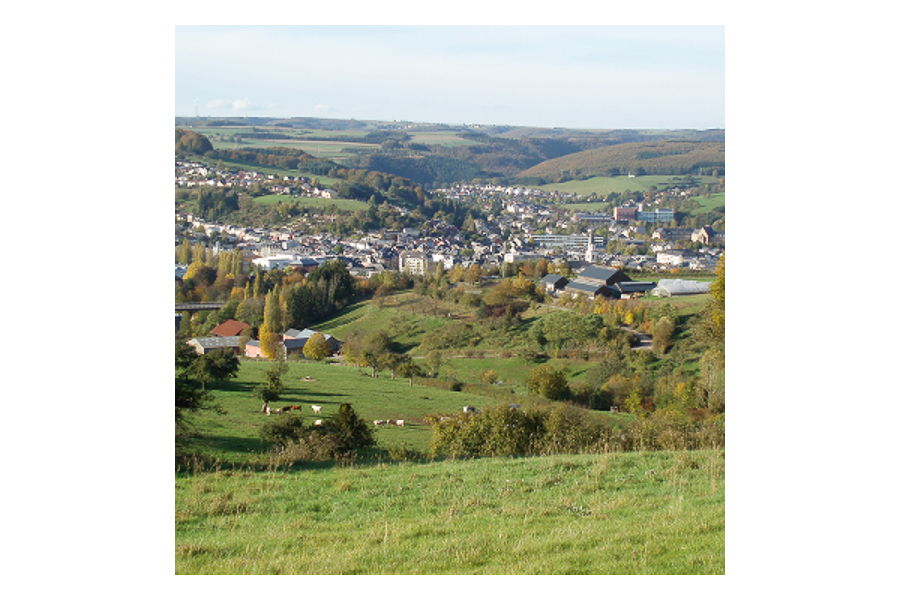
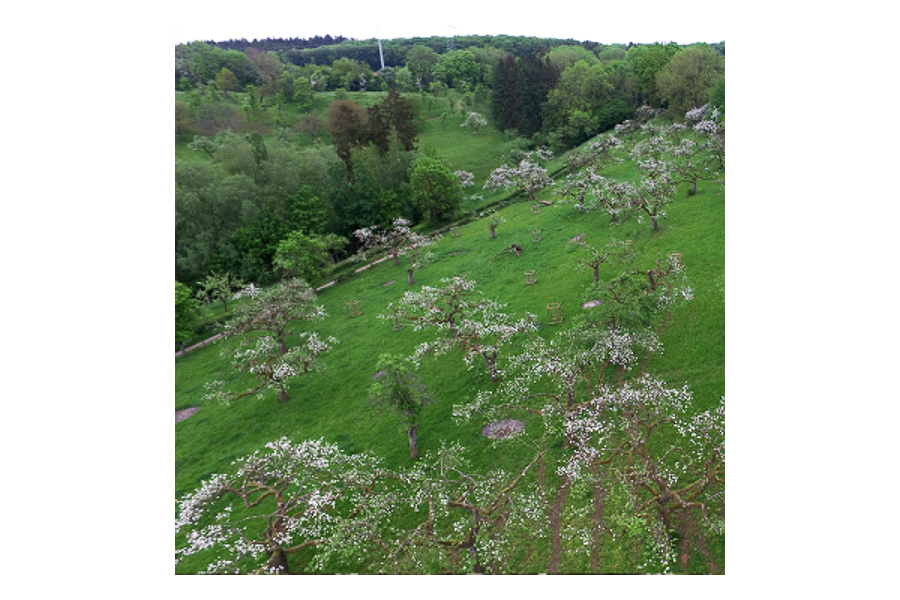
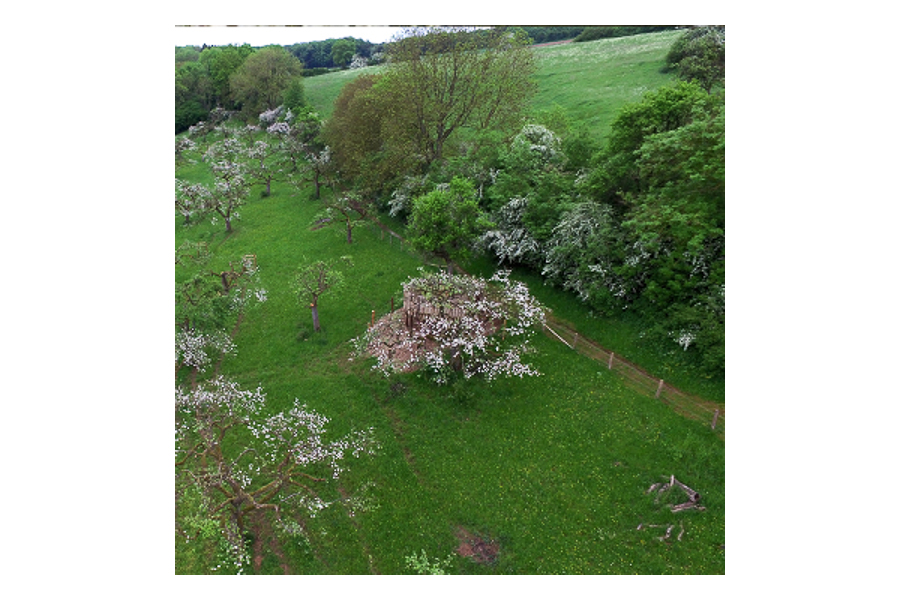
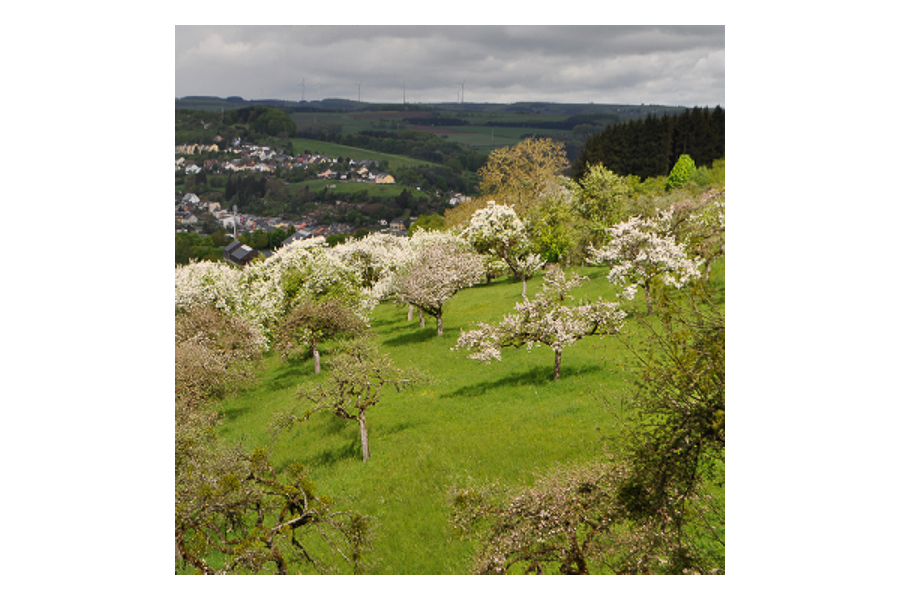
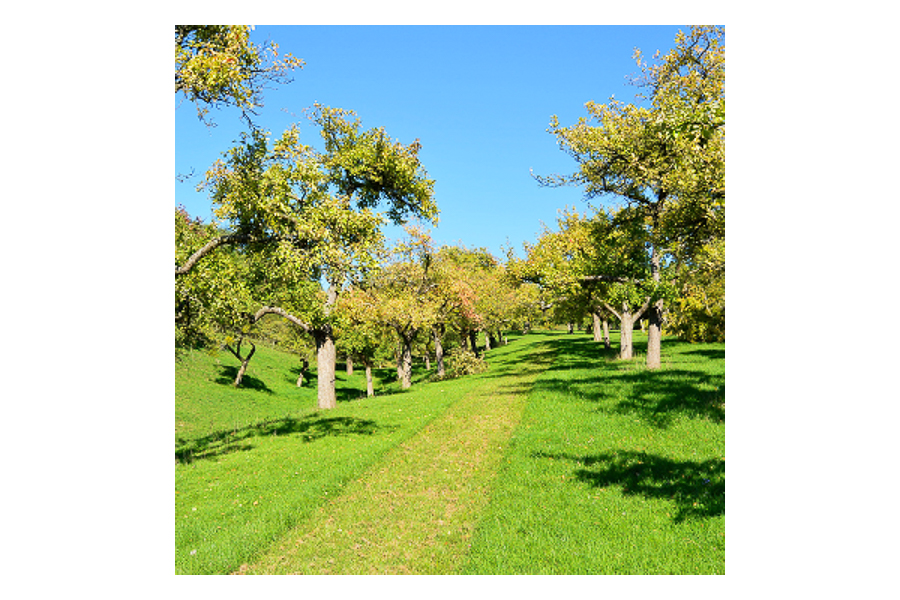
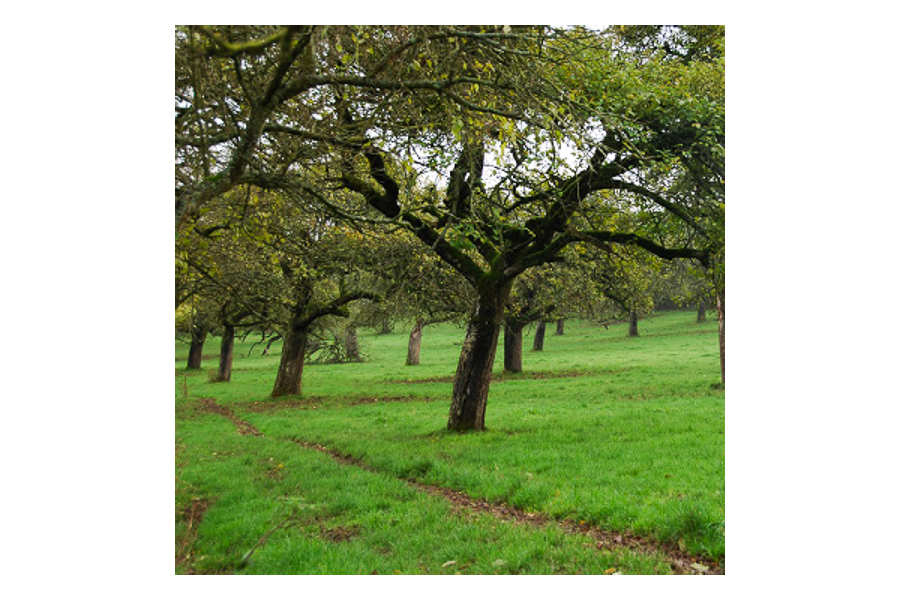
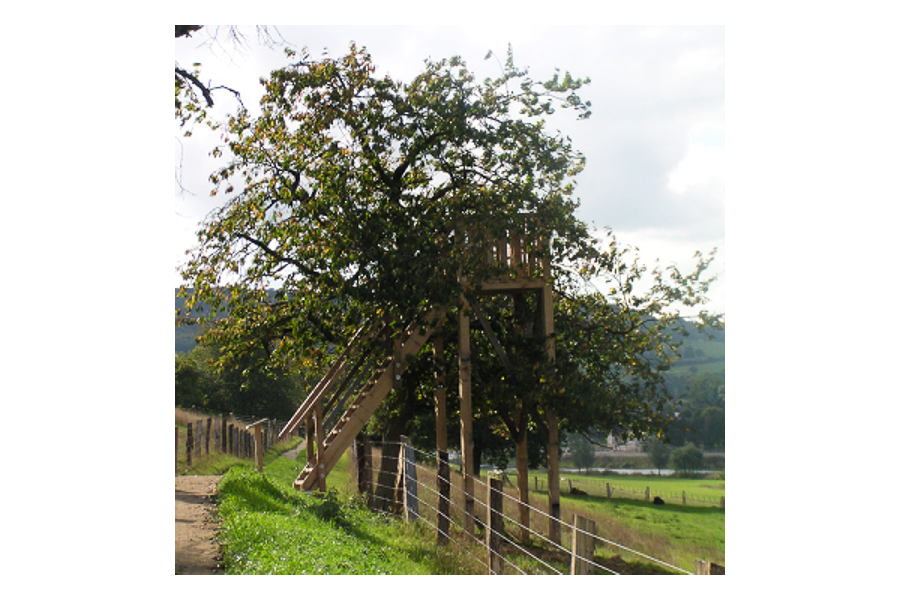
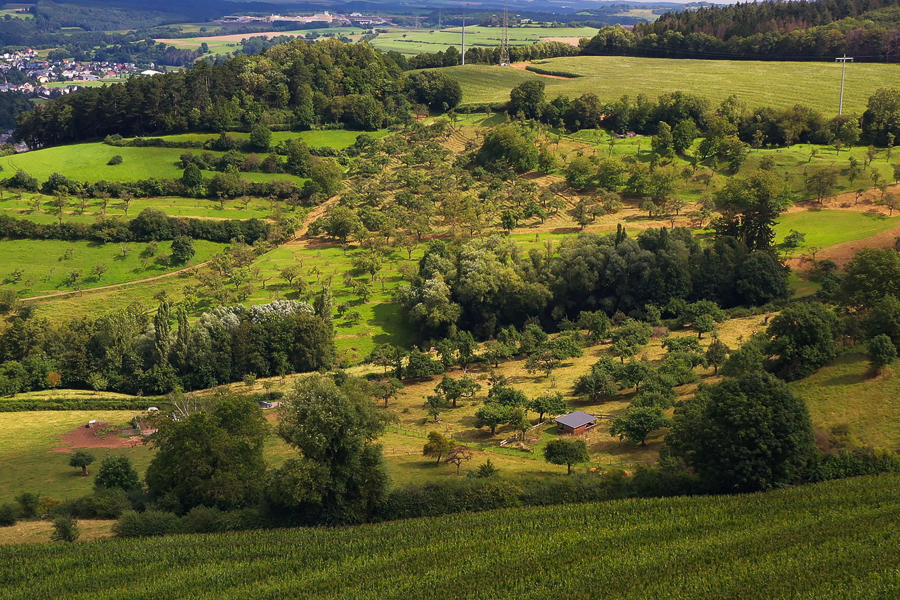
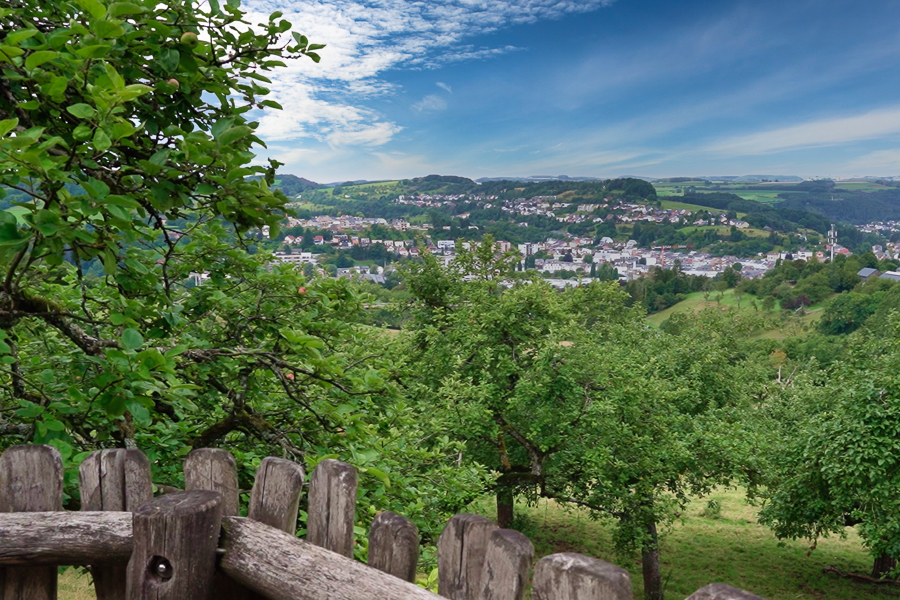
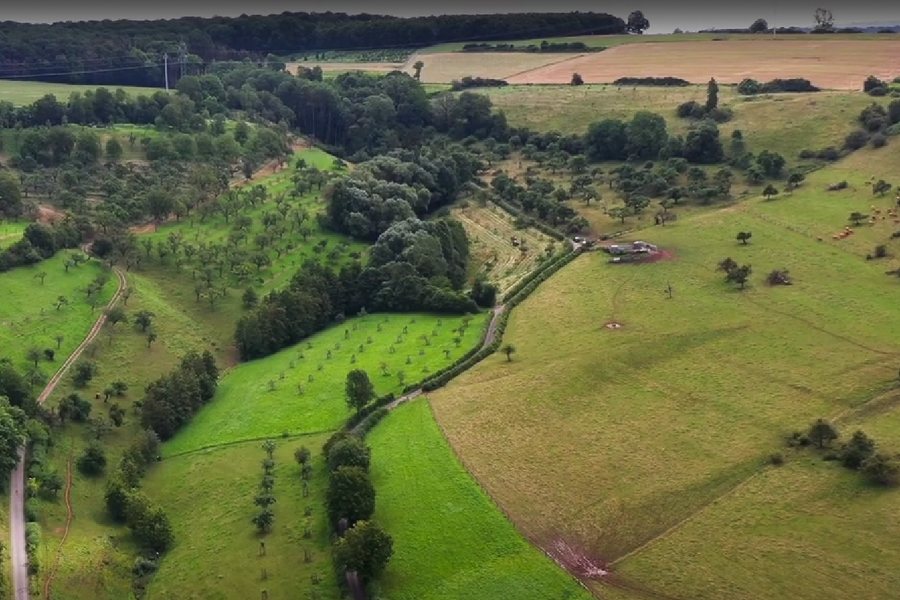
South of Ettelbruck, the Ditgesbaach Nature Reserve preserves one of Luxembourg’s most remarkable traditional orchard landscapes. With more than 1,000 high-stem fruit trees spread over about twelve hectares, this valley forms a vibrant mosaic of habitats where traditional agriculture and biodiversity conservation come together.
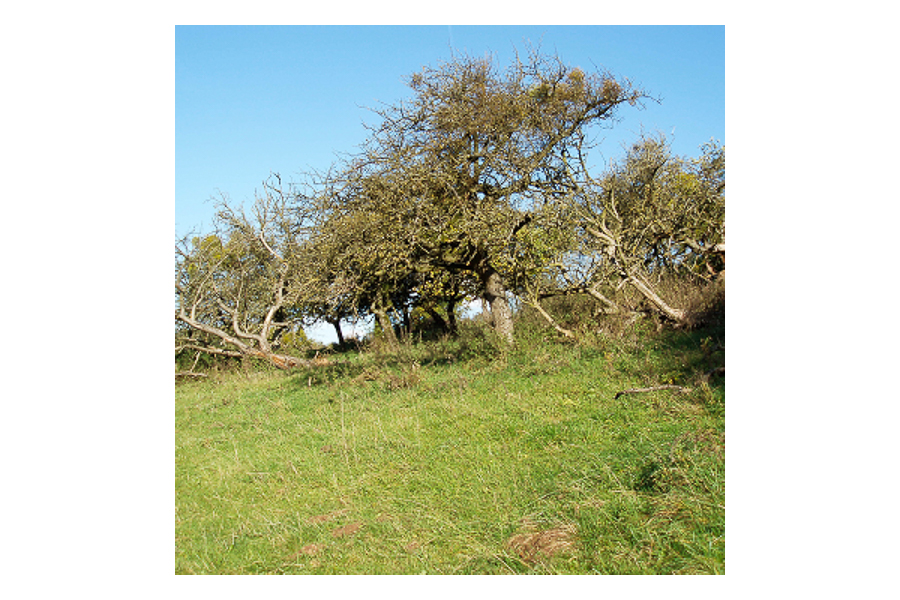
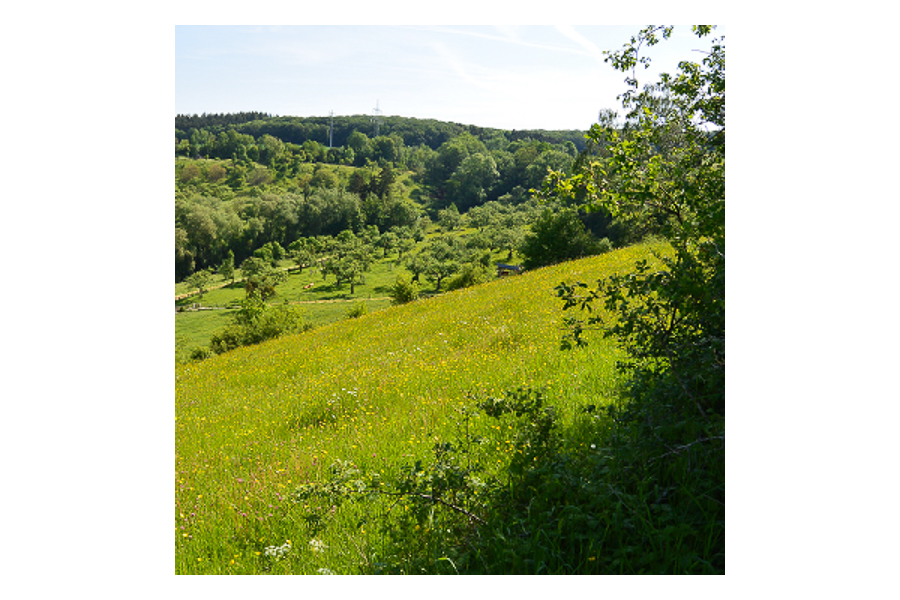
The Ditgesbaach site lies in a small valley overlooking the alluvial plain of the Alzette River. The landscape is dominated by extensive traditional orchard meadows, locally known as Bongert, where tall fruit trees stand above flower-rich hay meadows. On the surrounding slopes, fragments of calcareous grasslands appear on the former terraces of a gypsum quarry, giving the area a surprisingly Mediterranean character. Springs, a small stream, a pond, hedgerows and woodland patches complete this diverse natural setting.
Ecological importance and threats
Traditional orchards are among the most biodiverse agricultural habitats in Central Europe but they have declined dramatically due to land-use intensification and the replacement of high-stem trees by modern plantations. The Ditgesbaach valley remains one of the largest high-stem orchard complexes in Luxembourg, providing vital habitat for insects, birds and bats. Preserving these orchards requires continuous management and the renewal of aging fruit trees.
Restoration actions
For many years, local members of Friends of Nature have been committed to protecting and enhancing the site. On three parcels, the Fondation Hëllef fir d’Natur has carried out several restoration projects:
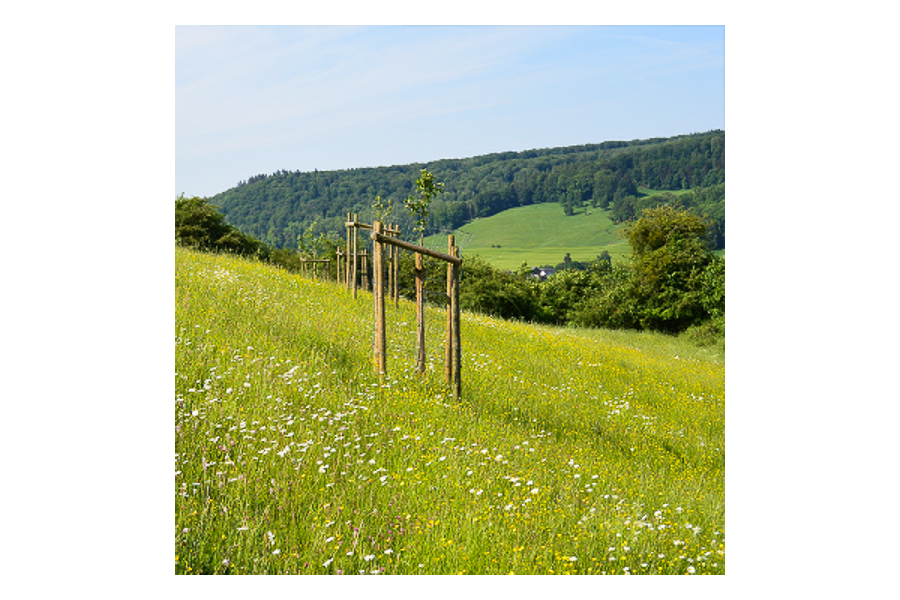
- the recreation of a traditional orchard (1 hectare) with around 60 newly planted fruit trees;
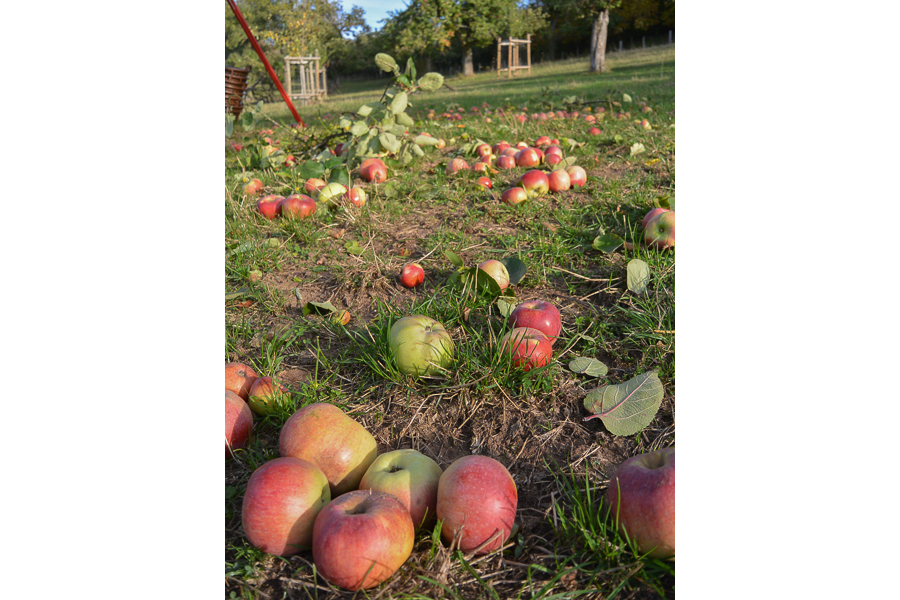
- the restoration and maintenance of an old orchard (1.6 hectares) with 80-year-old apple trees, mainly of the traditional Ramborn variety;
- and the transformation of a former hay meadow into a conservation orchard (2.6 hectares).
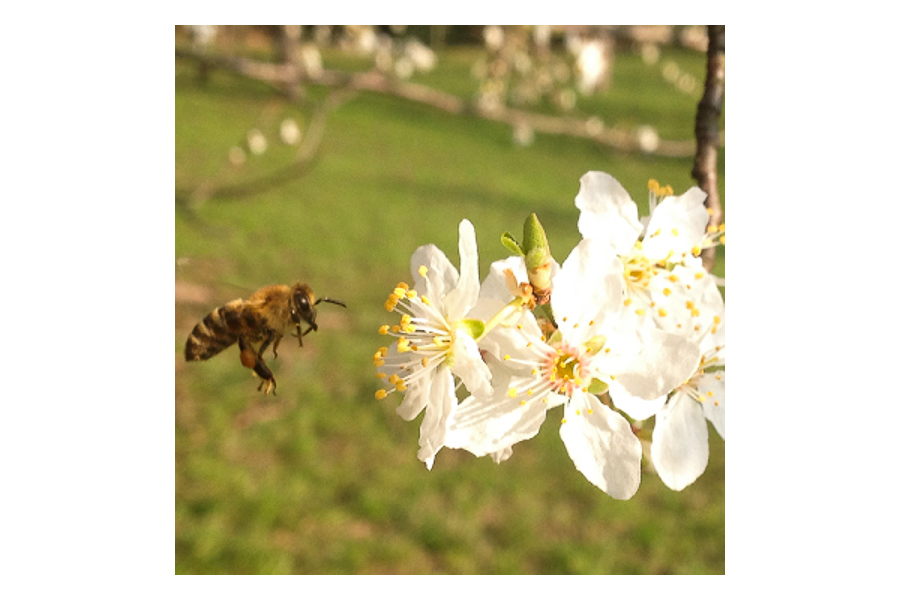
The new orchard, planted with the support of Rainforest.lu, includes more than sixty old and local varieties of plum and cherry trees, preserving valuable regional fruit heritage.
A rich mosaic of habitats
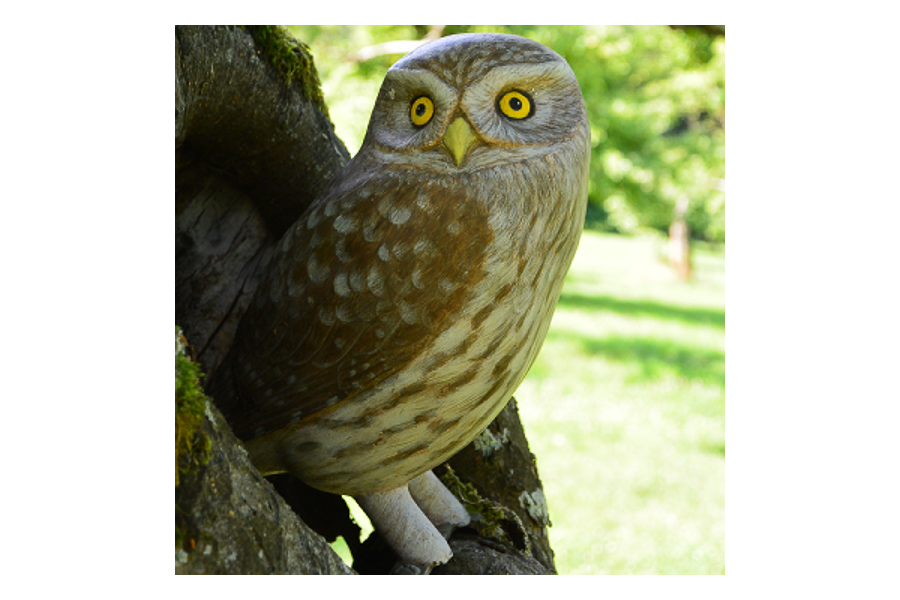
The reserve forms a rich mosaic of habitats. Extensive flower-rich hay meadows spread beneath the fruit trees, while calcareous grasslands on the slopes host drought-tolerant plants typical of limestone soils. Hedgerows, groves, ponds and small streams provide shelter and feeding grounds for wildlife. The old fruit trees, with their broad crowns and hollow trunks, are especially valuable, offering nesting and roosting sites for birds, bats and small mammals.
Remarkable biodiversity: Flora and fauna
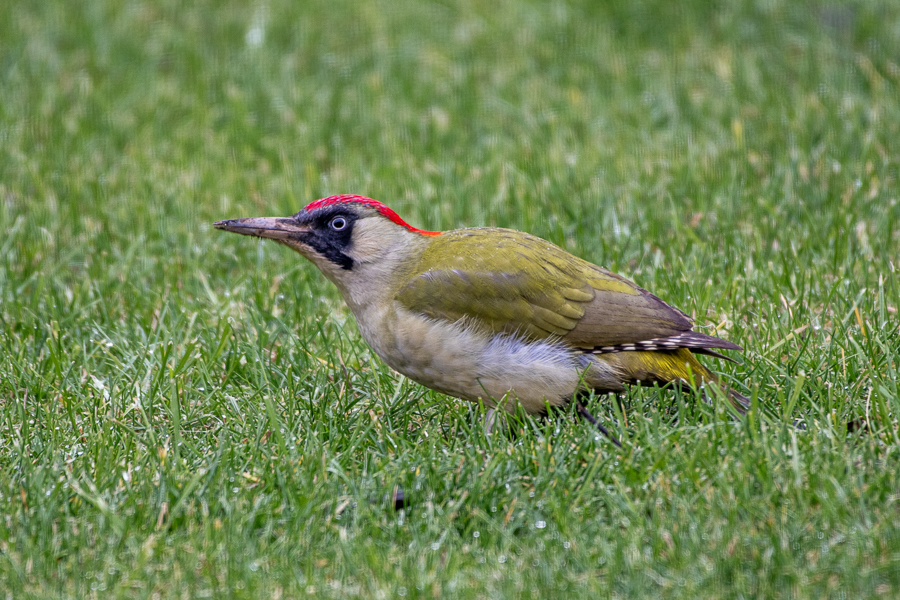
Ditgesbaach supports a remarkable diversity of species. The field scabious (Knautia arvensis), once used as a medicinal plant against skin diseases, grows in the flower-rich meadows. More than 50 bird species have been recorded here, including the European green woodpecker (Picus viridis), a characteristic inhabitant of traditional orchards that searches for ants and their larvae in the grasslands, sometimes even locating ant nests beneath the snow. The abundance of insects also attracts numerous bat species, which hunt over the meadows and around the old trees.
Visiting Advice
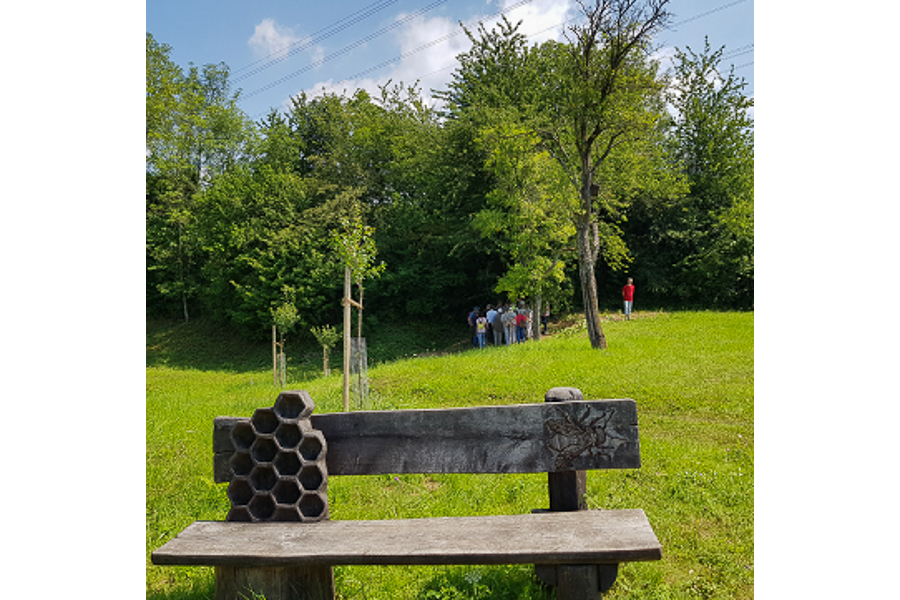
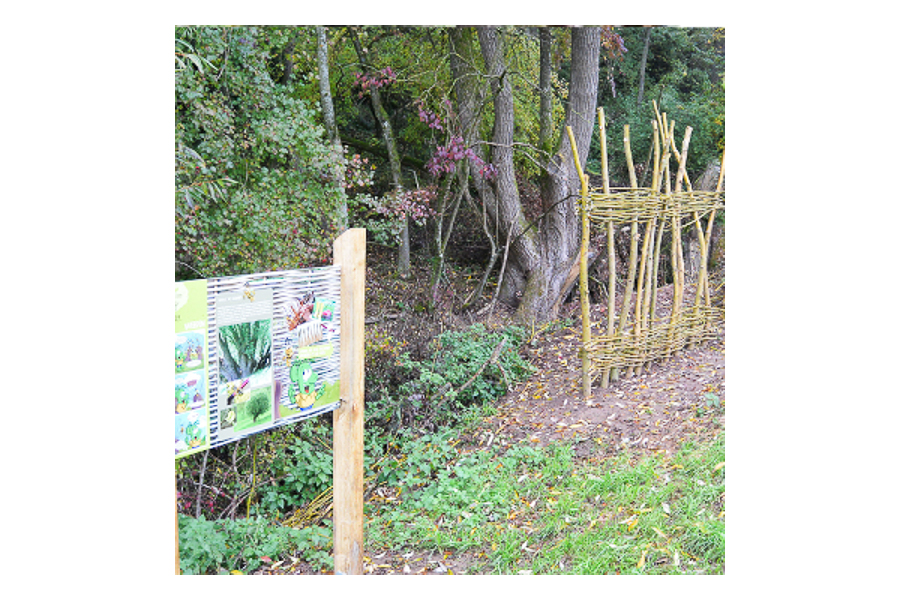
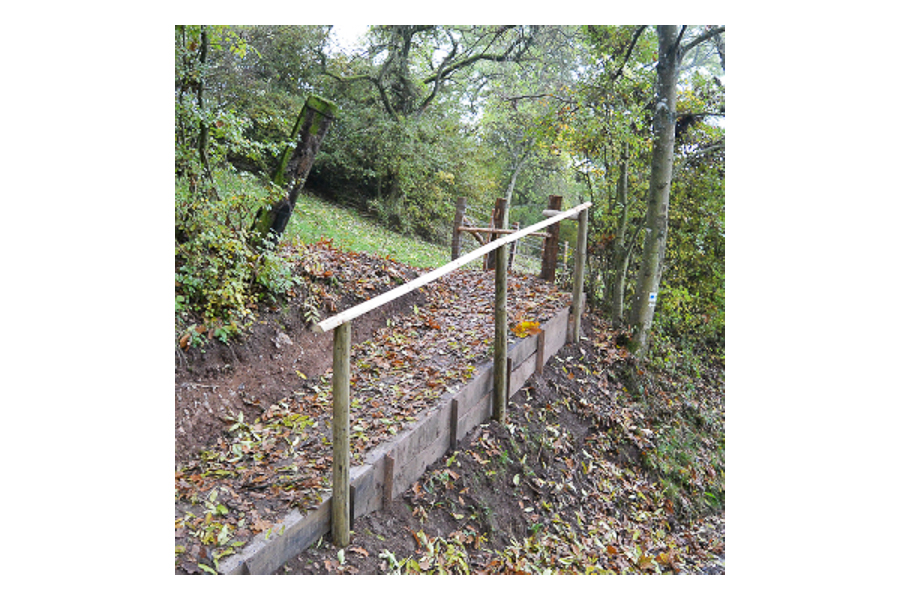
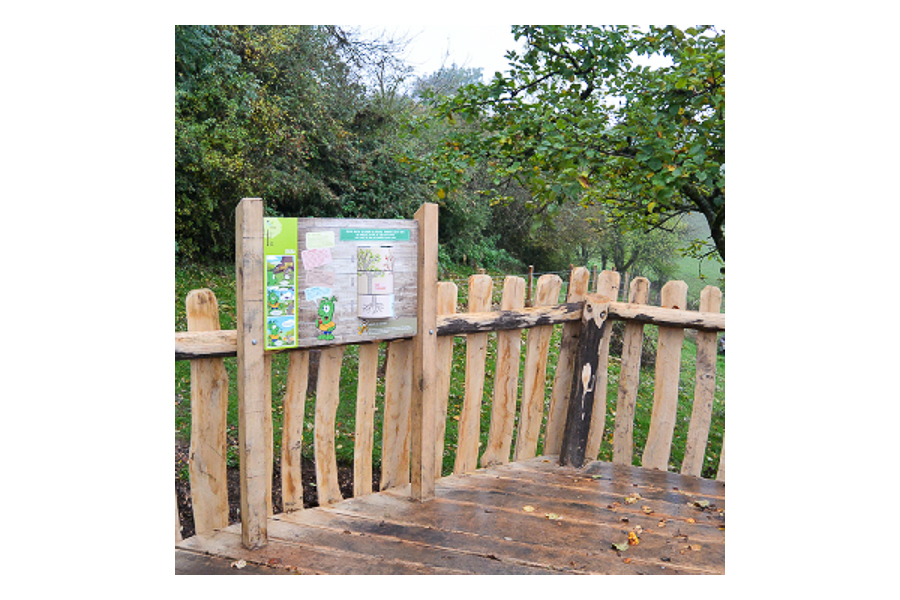
Visitors can discover the reserve along a 3 km educational trail dedicated to the traditional Bongert habitat. Along the path, Amélie the bee (A. Bei) guides walkers through a series of illustrated panels explaining the ecological value of orchard landscapes. The trail and conservation activities were supported between 2013 and 2017 by the Cactus Group. Walking through Ditgesbaach offers a unique opportunity to experience the beauty of Luxembourg’s traditional orchard landscapes while learning about their importance for biodiversity.