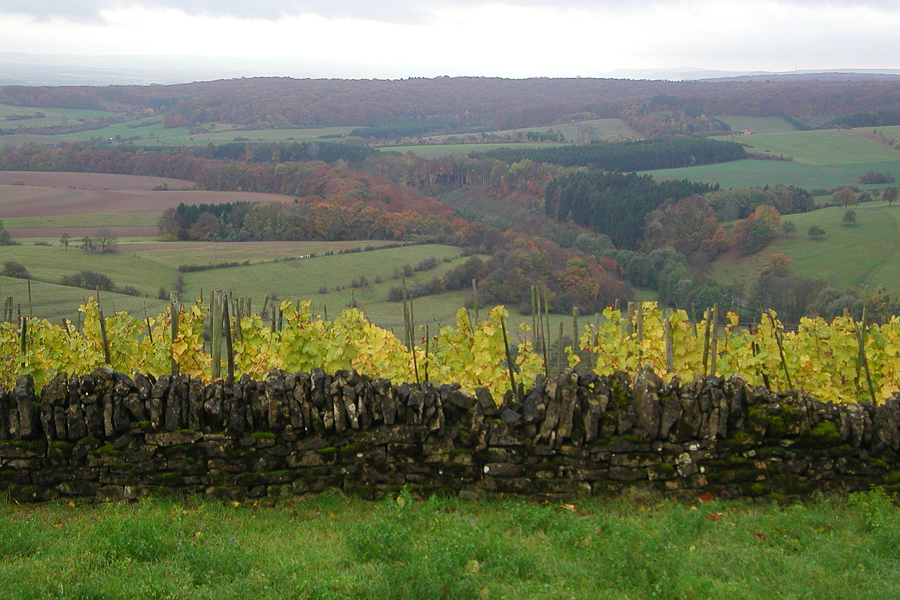
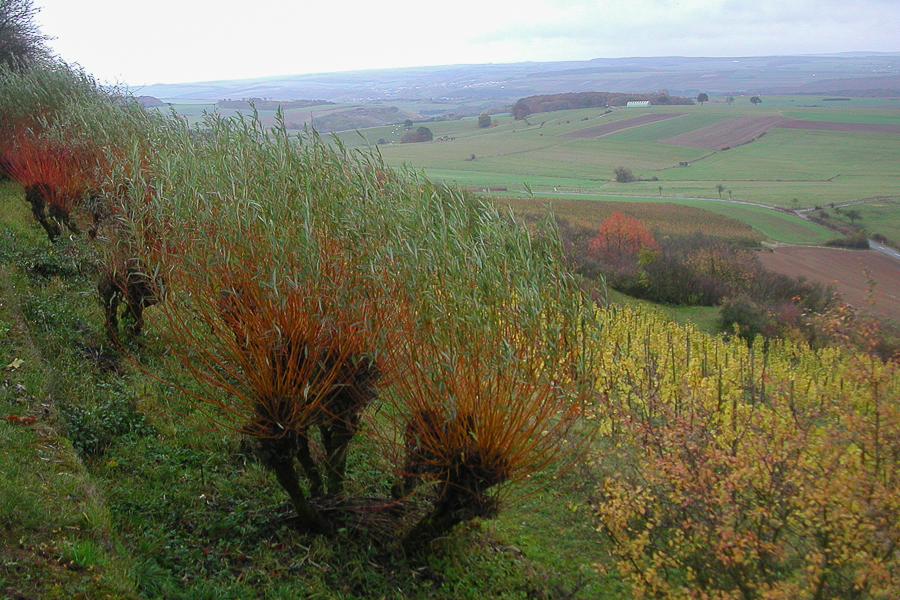
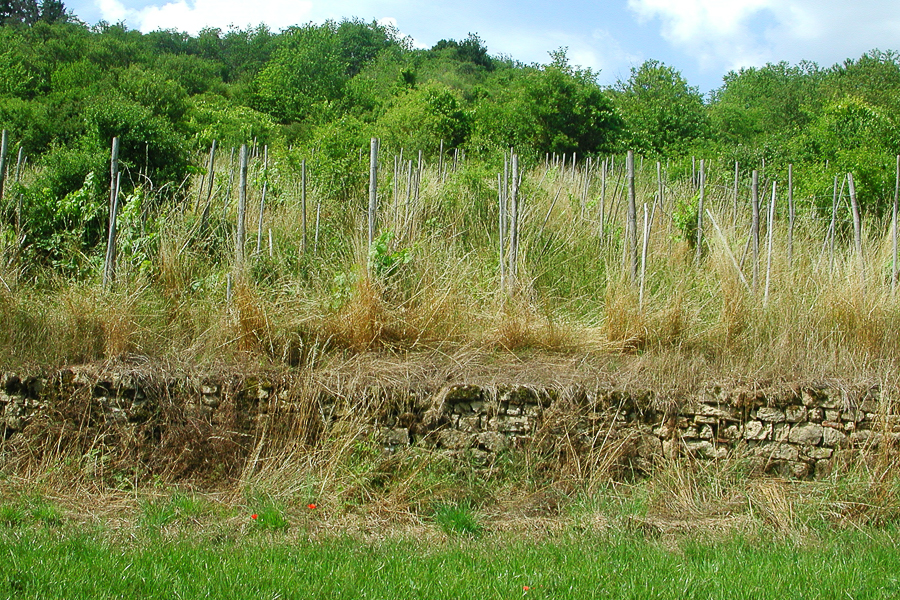
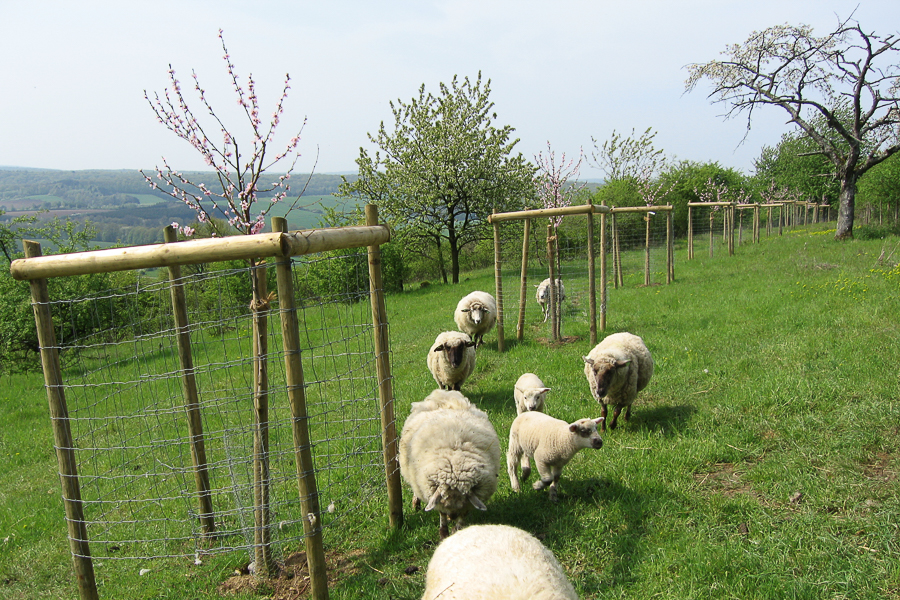
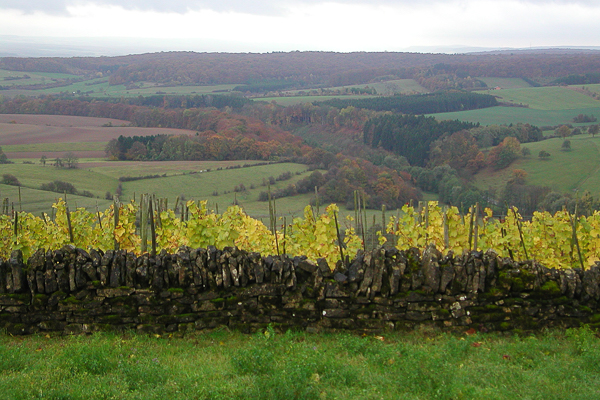
 Kanecher Wéngertsbierg Nature Reserve;
Credit: natur&ëmwelt
Kanecher Wéngertsbierg Nature Reserve;
Credit: natur&ëmwelt
Luxembourg has what is known as a Temperate Climate in which winters are generally mild and summers comparatively cool, with rainfall that can be high; its flora and fauna have thrived in and adapted to this climate over the centuries and millennia, with ongoing challenges due to pollution and recent climate change, as well as the introduction of non-native species, resulting in disruptions to the norm.
Nevertheless, with various initiatives and organisations helping the ecosystem and habitat, including sustainability and re-wilding, there is a lot happening in nature across the Grand Duchy.
Chronicle.lu has teamed up with natur&ëmwelt (the non-profit organisation (naturemwelt), the foundation (Hëllef fir d'Natur) and the Wildlife Care Centre (Flegeestatioun) for a series of articles on Luxembourg's nature reserves, in which we look at the natural habitats that preserve biodiversity and protect ecosystems from development, pollution and intensive agriculture.
No. 34 in this series focuses on the Kanecher Wéngertsbierg Nature Reserve.
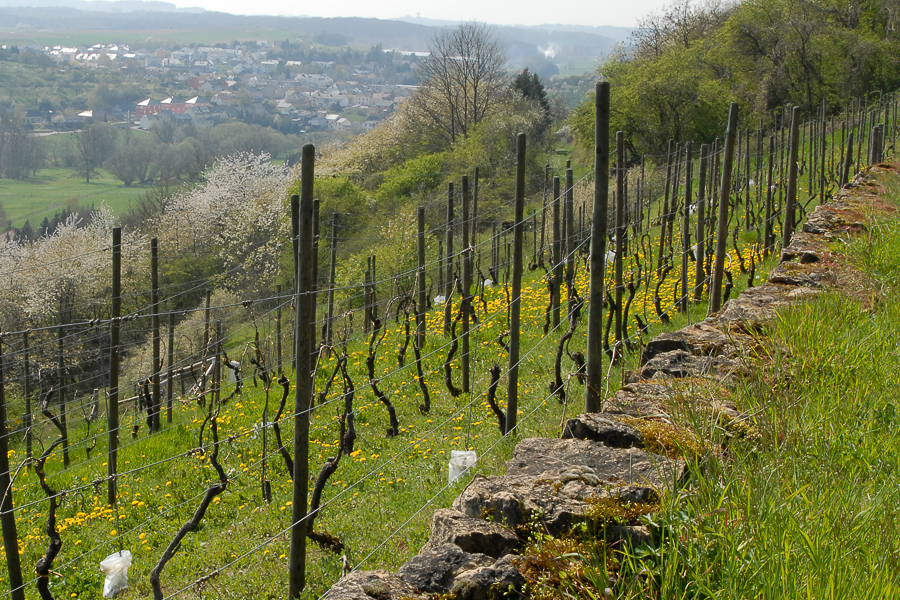
Stretching over 2 km between Canach and Gostingen, the Kanecher Wéngertsbierg is a sun-drenched slope of historical and ecological significance. Once part of the Moselle’s traditional hinterland vineyards, this steep hillside fell into disuse for decades. Since 1994, the site has been carefully revitalised, combining cultural heritage with nature conservation, making it both a living vineyard and a haven for biodiversity.
Location and landscape features
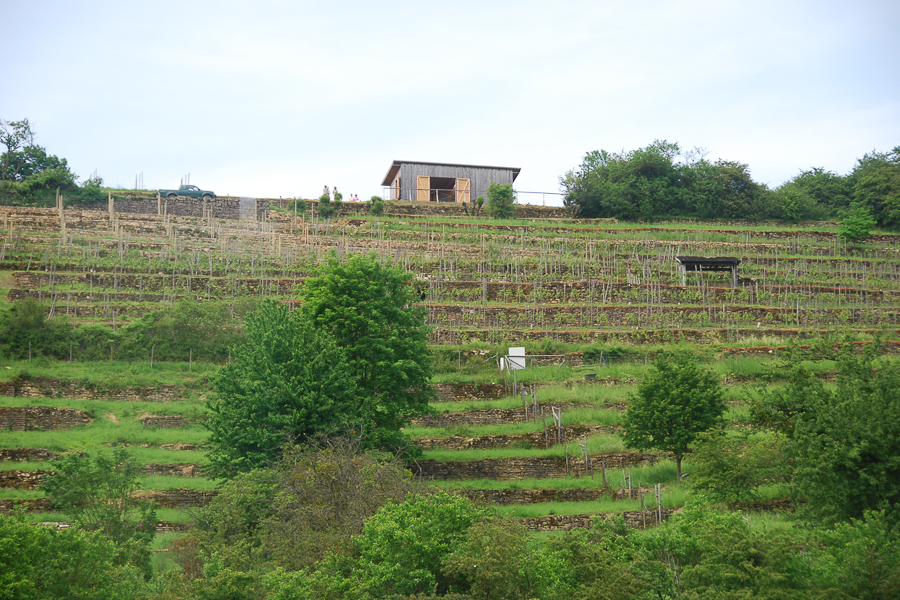
Originally, some 40 hectares of vineyards covered the slope in the early 20th century, but today only 2.7 hectares are actively cultivated, including 68 acres managed by the Foundation and the local natur&ëmwelt volunteers. Sixteen historic terraces now host the country’s first organic vineyard, Kanecher Gotteszorn, preserving the small-scale parcelling and dry-stone wall terraces that characterise the site.
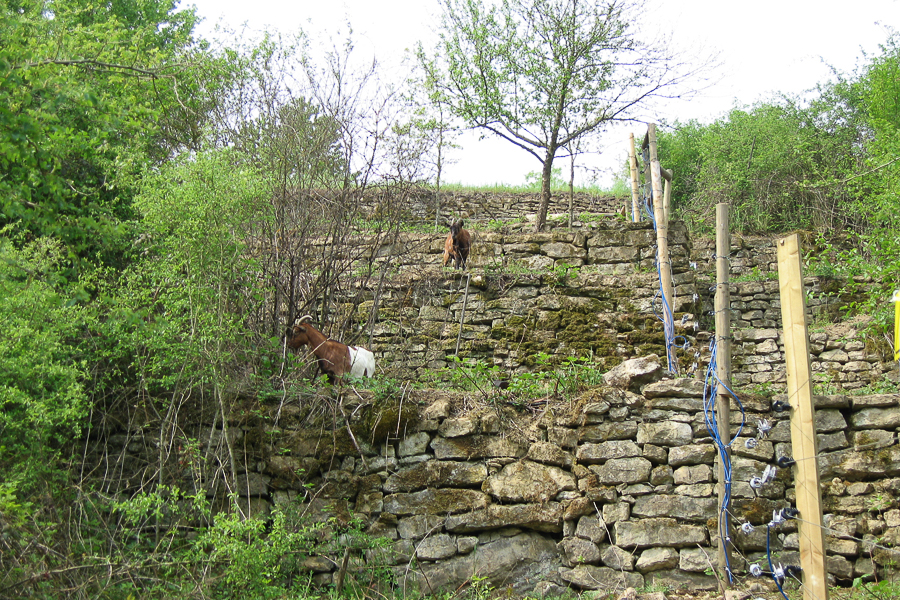
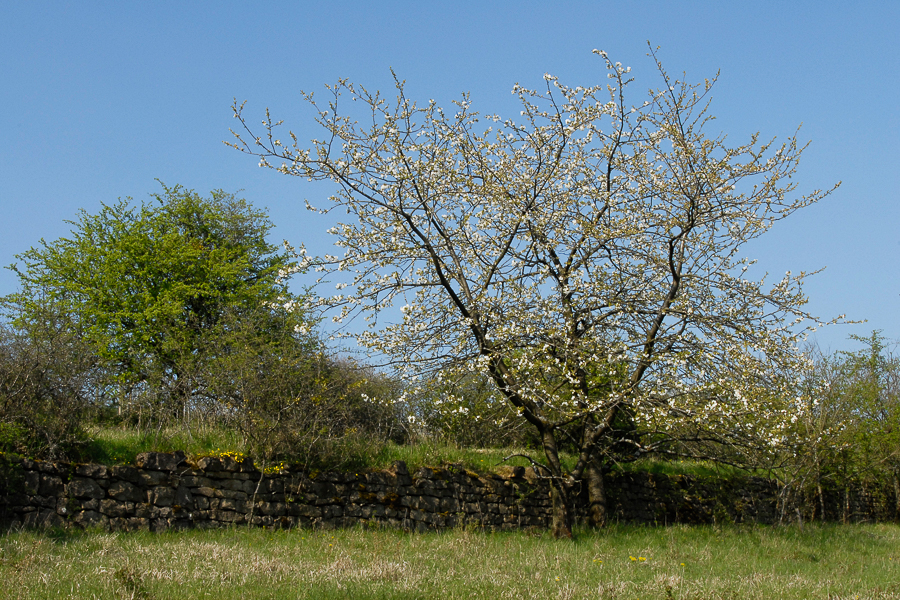
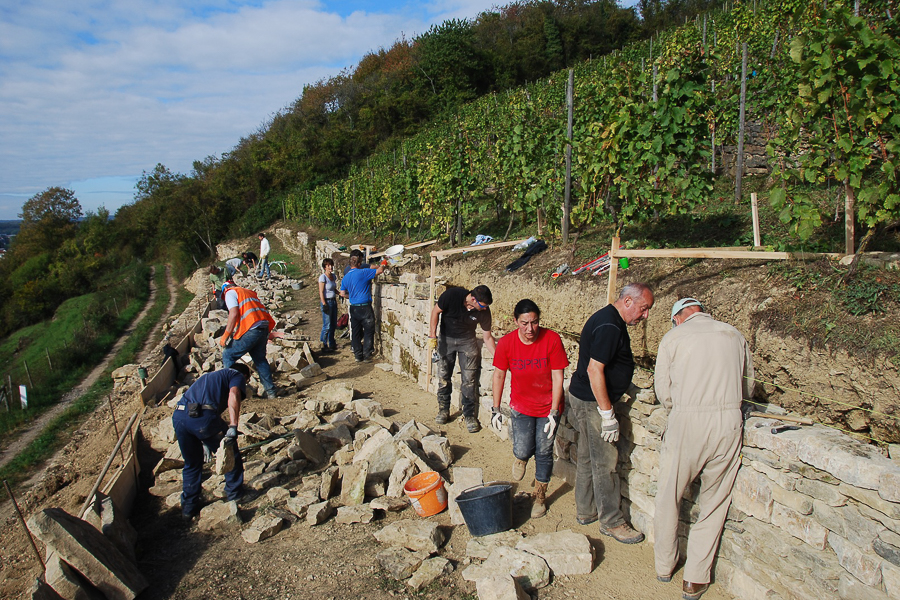
These dry-stone walls, built without mortar, are remarkable engineering feats. They stabilise the steep slopes, protect soils from erosion and create microhabitats for plants and animals. During the day, the stones absorb heat, which they release at night, fostering a favourable microclimate for vines. Over decades of abandonment, most walls became overgrown, but ongoing restoration by the Foundation has reopened and maintained these vital structures.
Ecological importance and management
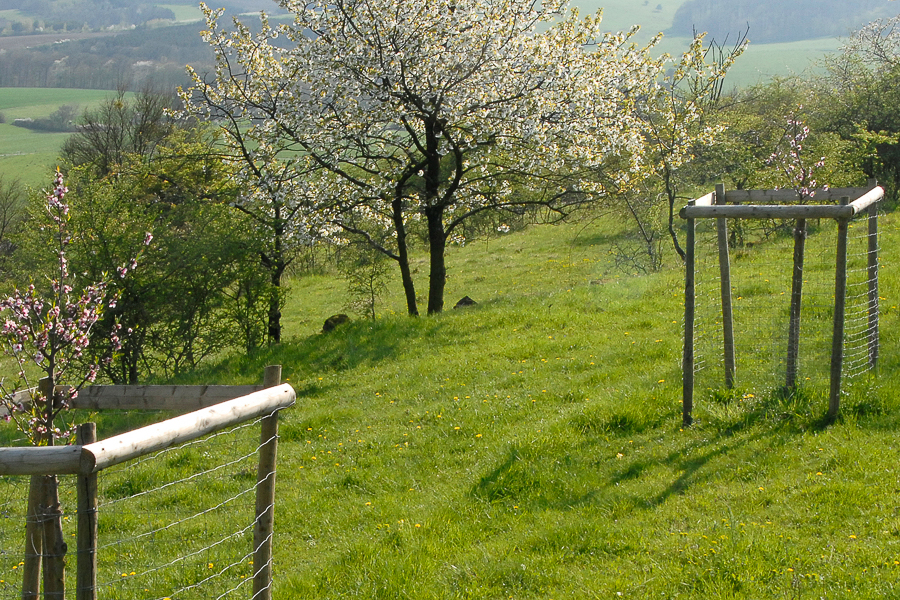
The Kanecher Wéngertsbierg is not just a historical vineyard; it is an ecological corridor. The careful reintroduction of viticulture, pasture and orchard management has created habitats for flora and fauna adapted to warm, sunny slopes. In the eastern part of the site, near Gostingen, rows of red peach trees (Prunus persica) have been planted, reflecting a traditional practice where such trees once marked vineyard ends and signalled disease progression to vignerons.
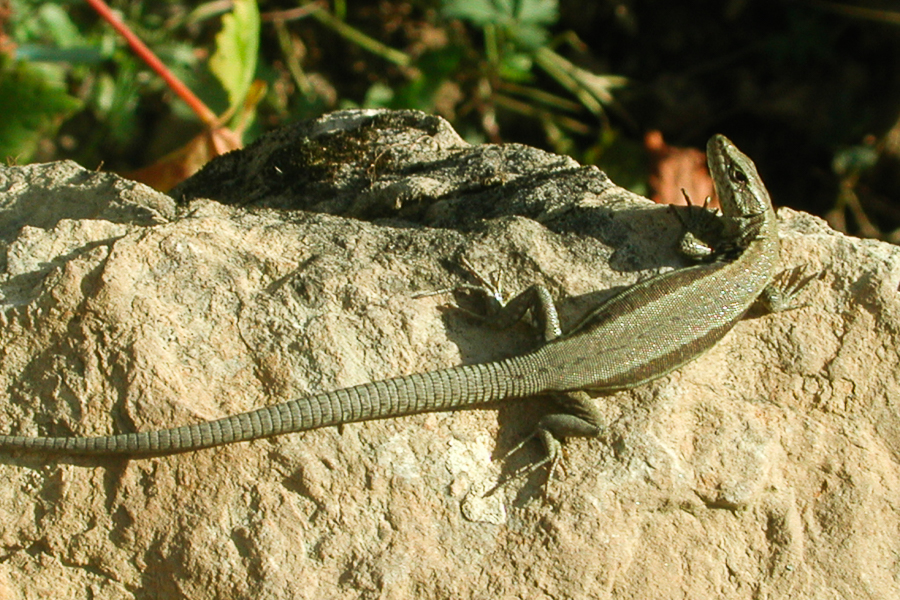
Reopened dry-stone walls have become prime real estate for the common wall lizard (Podarcis muralis), which thrives among sunlit stones with narrow crevices. The combination of cleared terraces, grazing and careful vegetation management supports a diverse community of insects, birds and small mammals.
Cultural heritage and partnerships
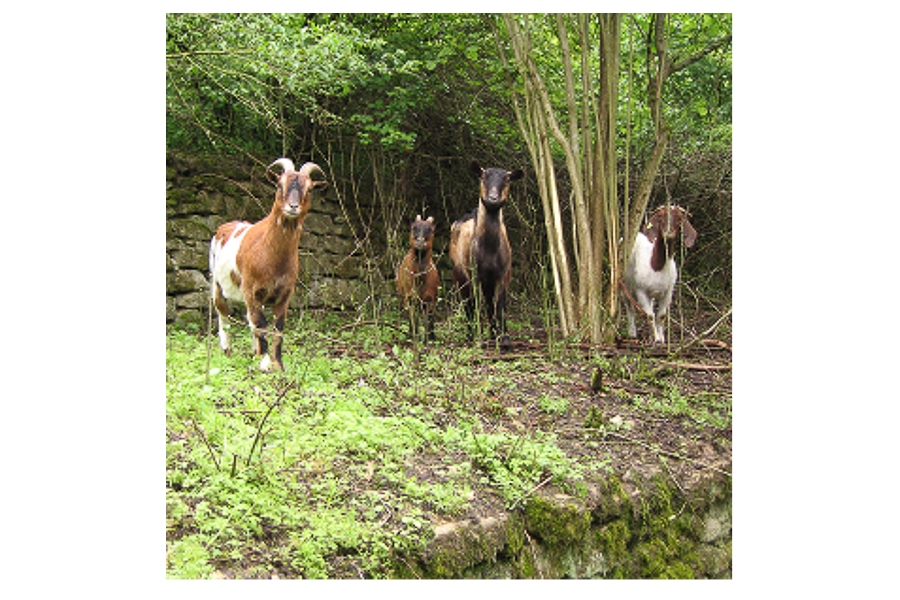
The site is also a centre for preserving traditional skills. Through an Interreg project, partners from the Greater Region collaborate to restore dry-stone walls, safeguarding this ancient craft from disappearing. Grazing by goats and sheep further helps maintain open habitats, controlling vegetation and supporting ecological connectivity across the slope.
Visiting the reserve
Visitors can explore the reserve via the Kanecher Wéngertsbierg and Baeumchesfels trails, enjoying both historical structures and rich biodiversity. Information panels and GPX tracks guide hikers through terraces, vineyards and pastures, providing insight into the interaction between cultural heritage and ecological restoration. The site offers a unique opportunity to witness how history, agriculture and nature conservation can coexist on a single hillside.