Luxembourg has what is known as a Temperate Climate in which winters are generally mild and summers comparatively cool, with rainfall that can be high; its flora and fauna have thrived in and adapted to this climate over the centuries and millennia, with ongoing challenges due to pollution and recent climate change, as well as the introduction of non-native species, resulting in disruptions to the norm.
Nevertheless, with various initiatives and organisations helping the ecosystem and habitat, including sustainability and re-wilding, there is a lot happening in nature across the Grand Duchy.
Chronicle.lu has teamed up with natur&ëmwelt (the non-profit organisation (naturemwelt), the foundation (Hëllef fir d'Natur) and the Wildlife Care Centre (Flegeestatioun) for a series of articles on Luxembourg's nature reserves, in which we look at the natural habitats that preserve biodiversity and protect ecosystems from development, pollution and intensive agriculture.
No. 40 in this series focuses on the Witteschbierg and Im Reder hills.
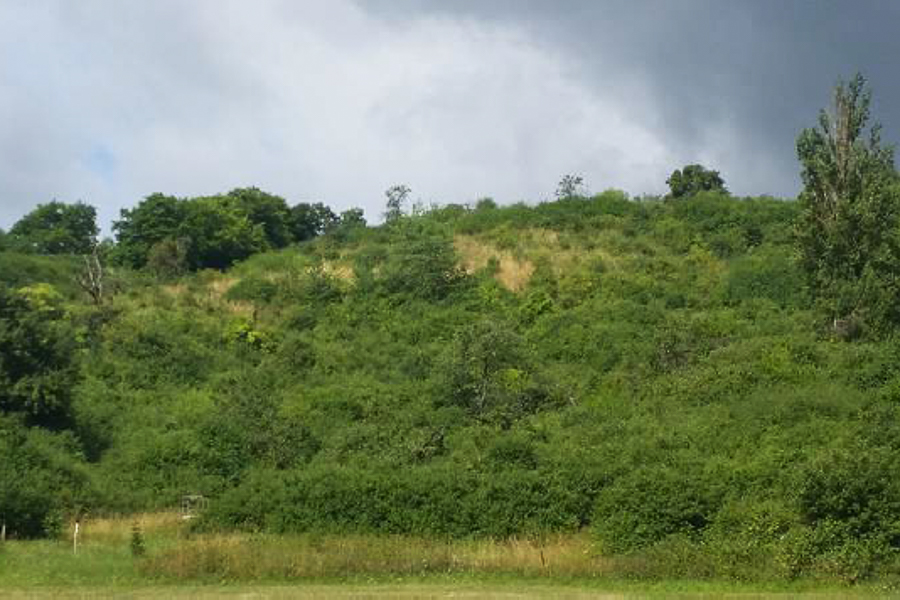
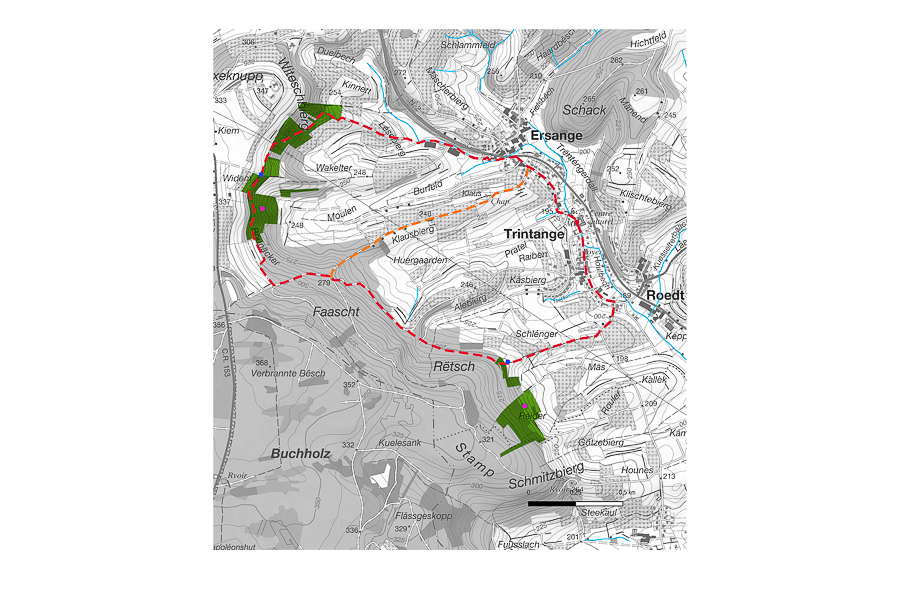
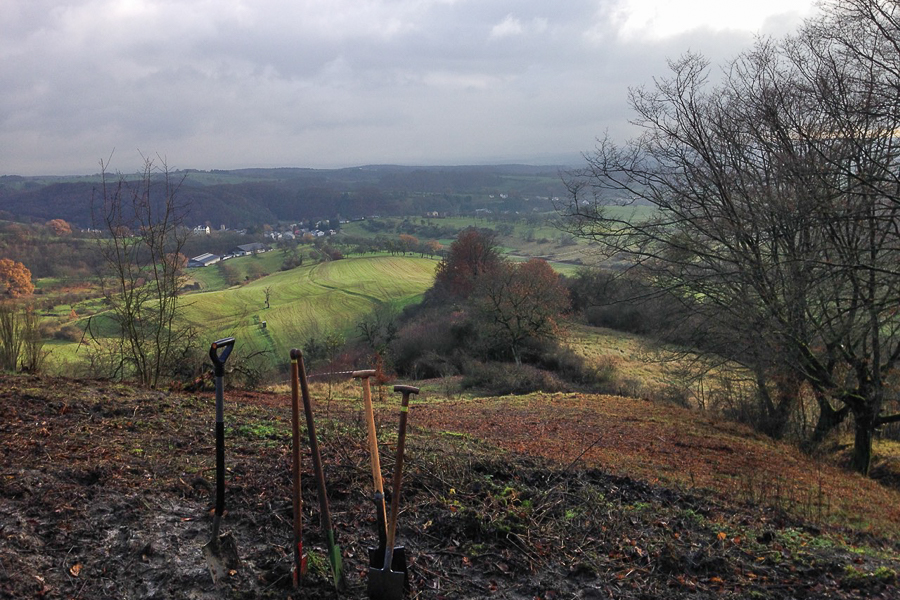
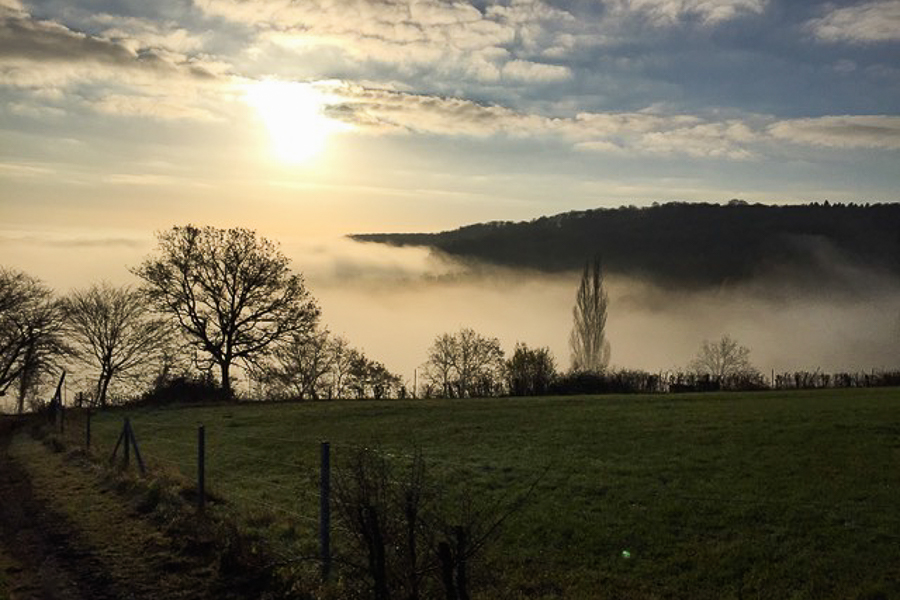
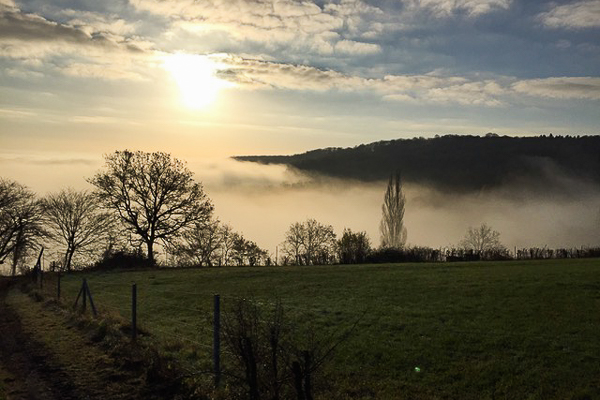
Perched between Medingen and Waldbredimus, the hill of Witteschbierg and the steep slope of Im Reder form a remarkable natural landscape shaped by centuries of traditional agriculture. Over the past fifteen years, these south- and south-east-facing slopes of Witteschbierg and the north-east-facing slopes of Im Reder in the Trintange valley, have seen a gradual abandonment of farming, allowing nature to reclaim these fertile yet calcareous marly soils.
Location and Landscape Features
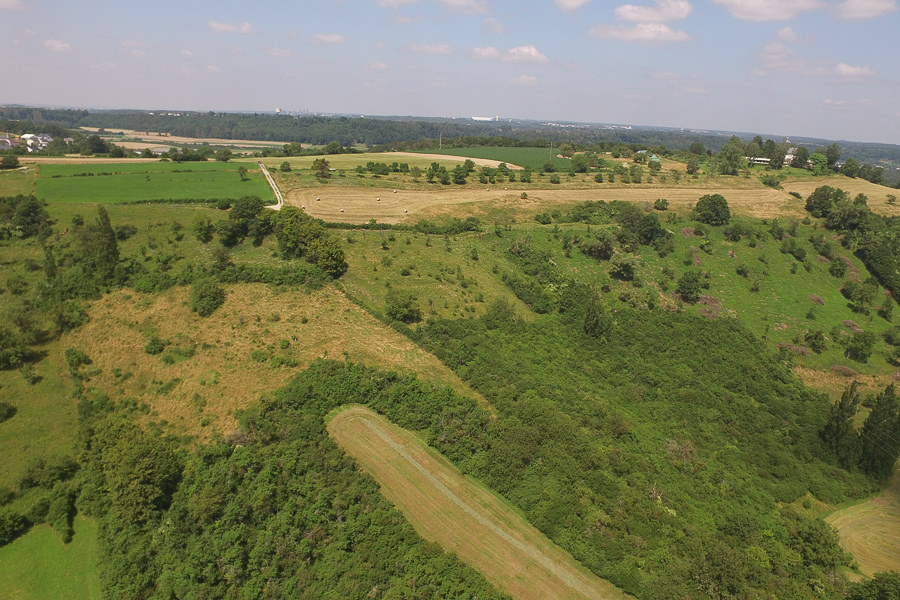
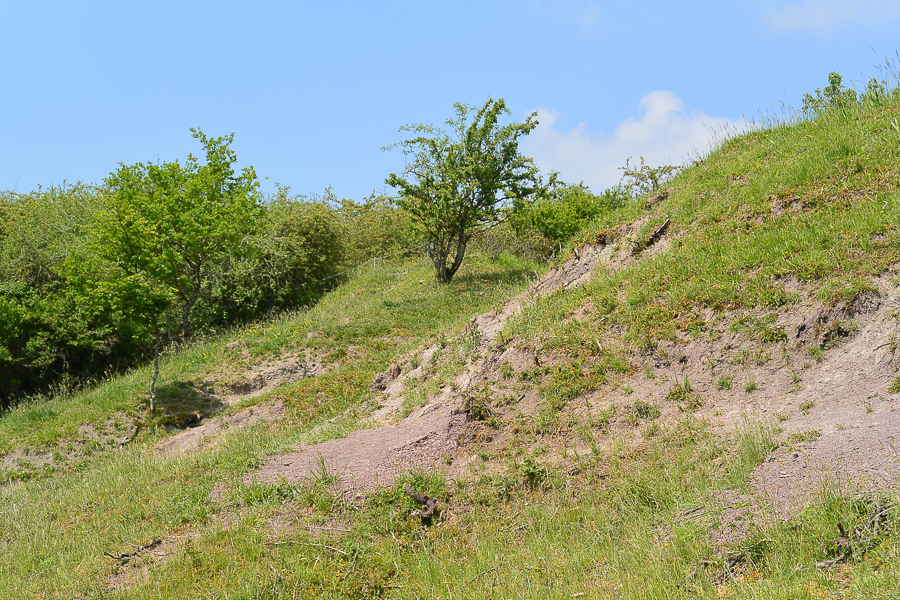
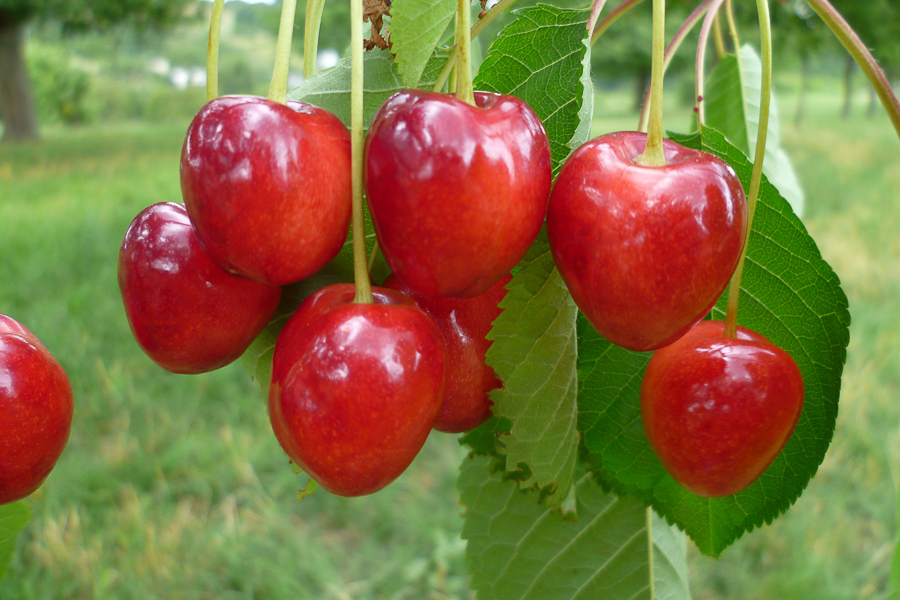
Originally, extensive grazing on these slopes maintained species-rich dry calcareous grasslands and flowery meadows. Today, the area still hosts a mosaic of habitats, ranging from semi-natural low grasslands to flowering grass carpets, ecotones at forest edges and shrub thickets dominated by blackthorn, hawthorn, dogwood, wild rose and privet. Scattered trees, including wild cherry, pear, oak and remnants of old fruit orchards, enrich this patchwork of open and semi-wooded landscapes.
Ecological Importance and Challenges
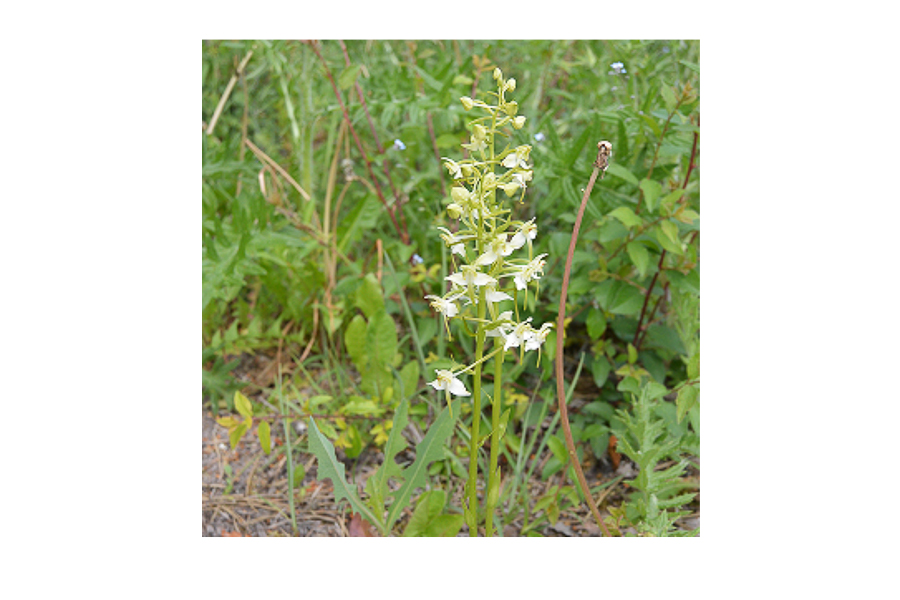
The gradual cessation of agricultural activity has triggered a decline in biodiversity. Shrub encroachment and the natural progression toward thermophilous oak-beech forests threaten the survival of rare grassland plants, insects and birds that rely on open habitats. Maintaining these slopes as a semi-open mosaic is crucial to preserving species adapted to calcareous soils and structured, flower-rich meadows.
Restoration and Management Actions
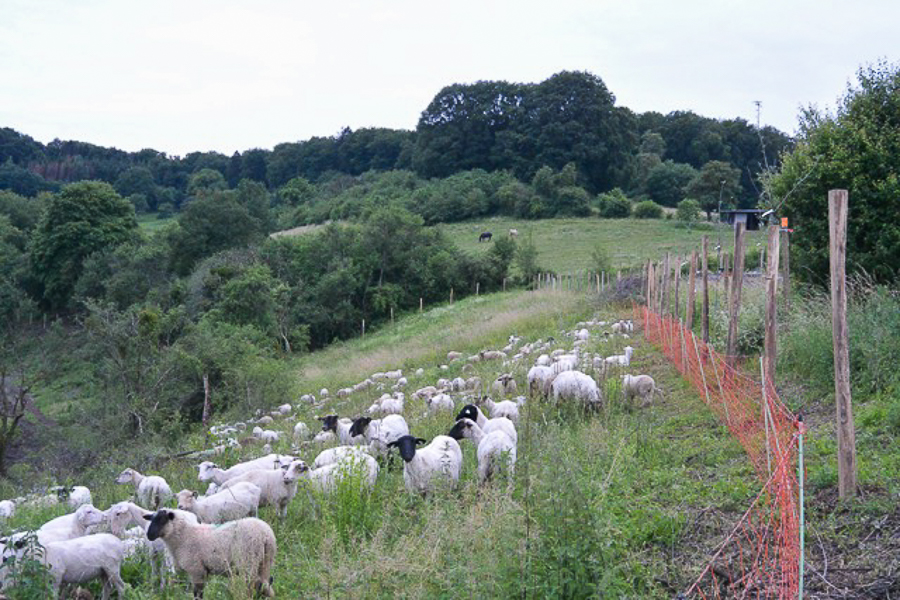
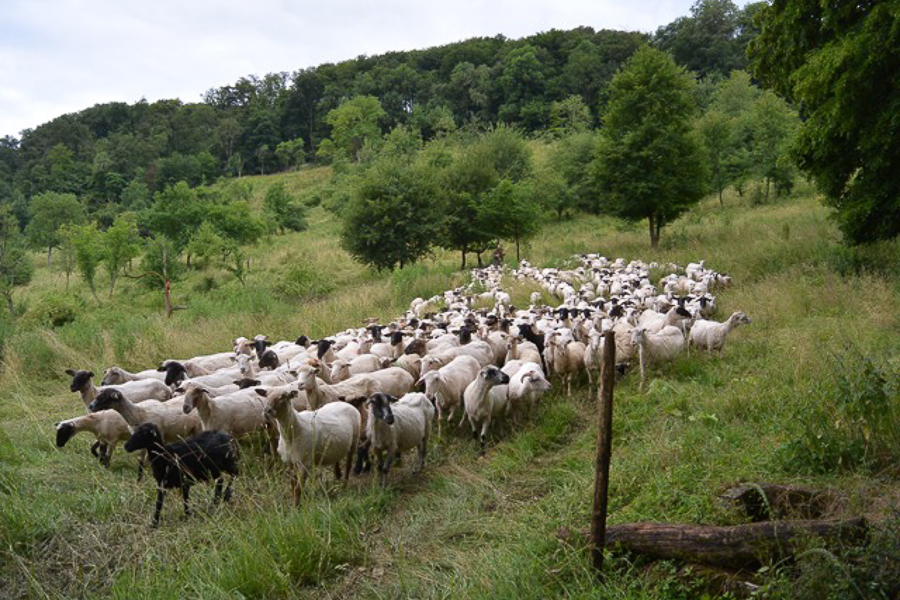
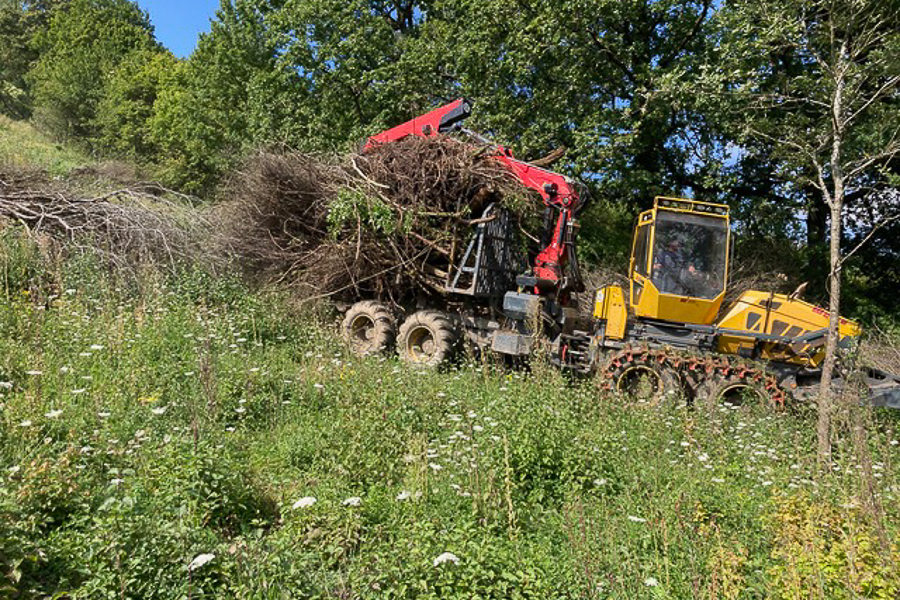
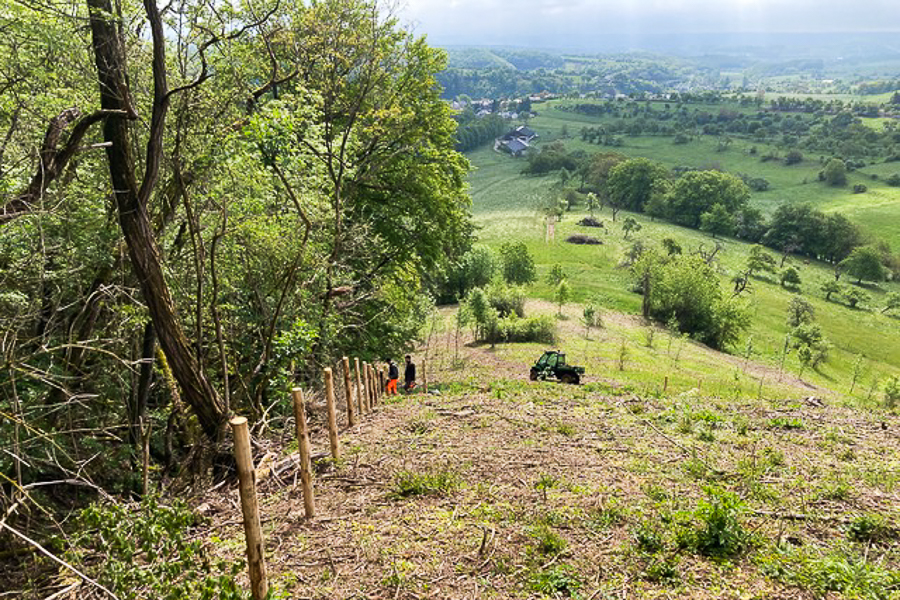
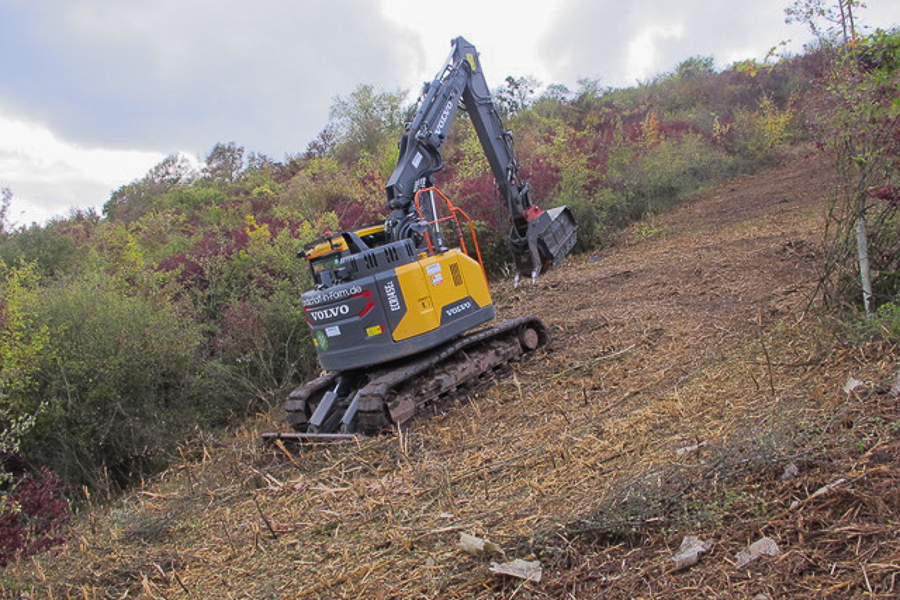
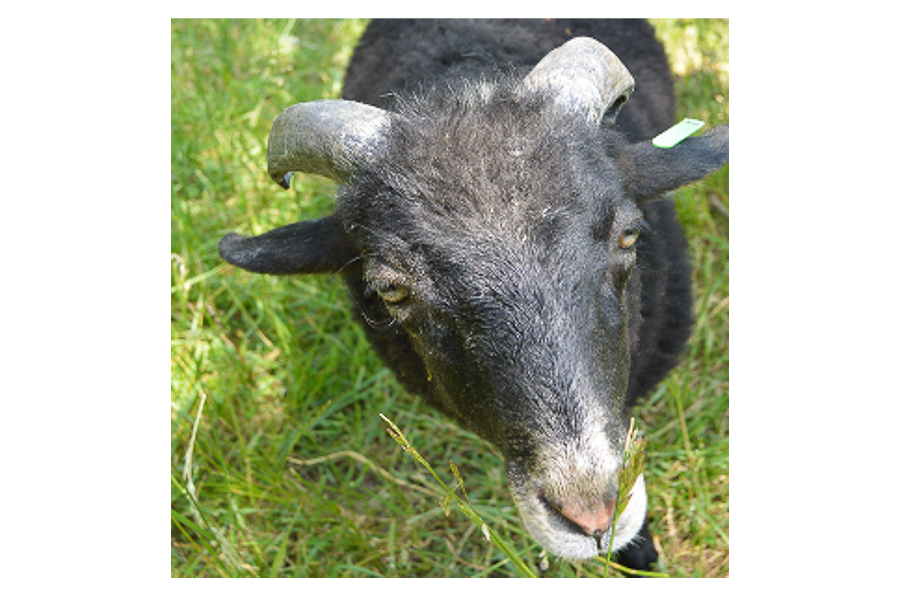
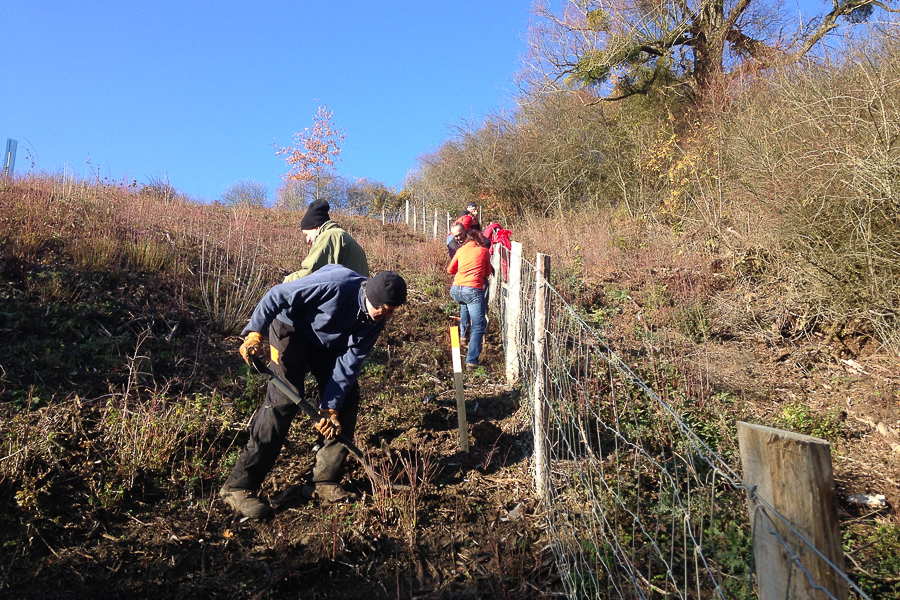
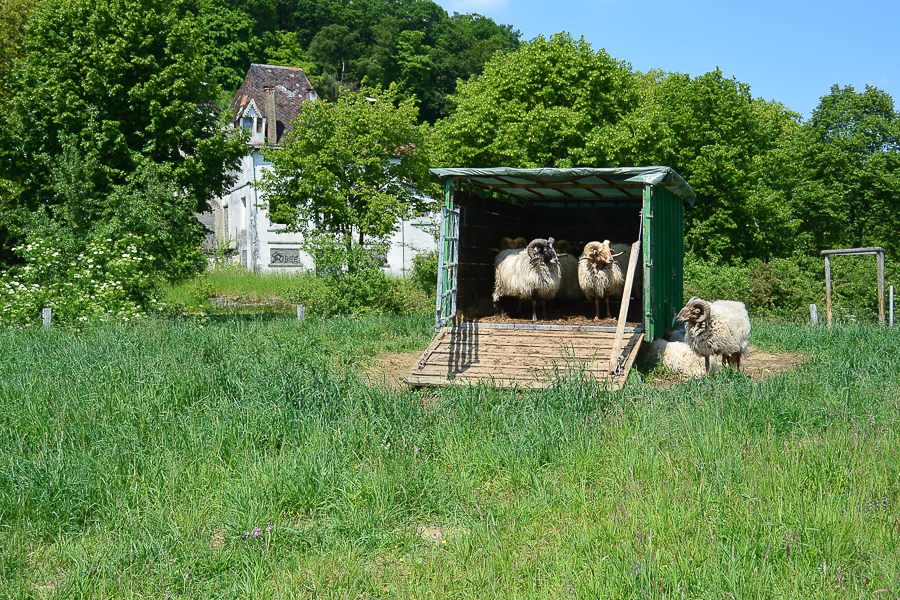
Preparatory restoration began in late 2017 with selective shrub cutting, removal of cut material and light mulching. A new 1.6 km fence now delineates the site, allowing for controlled grazing. In May 2018, a mobile flock of 250 sheep resumed grazing, revitalising the grasslands and maintaining open habitats.
Community involvement plays a key role: since 2017, a dozen Luxembourg Rotary Clubs have financially supported ecological restoration and participate annually in tree planting. In 2017, forty wild service trees (Sorbus domestica), the “Tree of the Year,” were planted to enrich the diversity of native fruiting trees.
Habitats and Biodiversity
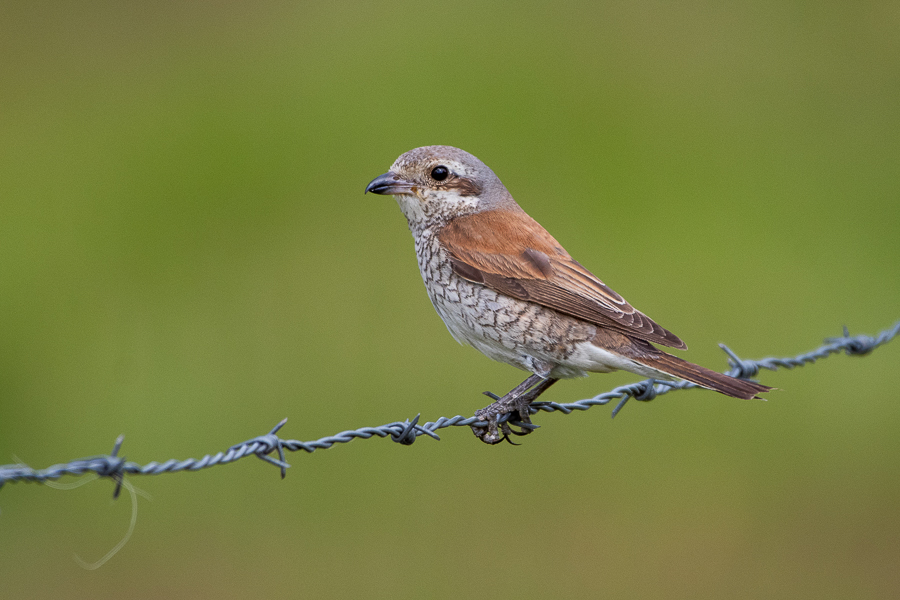
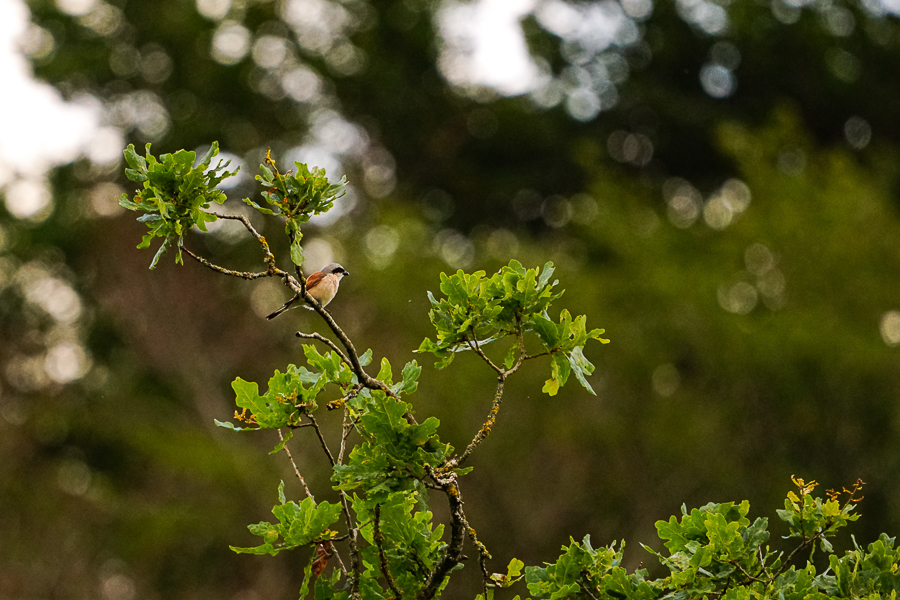
The mosaic of open grasslands, shrub thickets and scattered trees provides ideal habitat for a variety of species. The Red-backed Shrike (Lanius collurio), a characteristic predator of open landscapes, finds abundant hunting grounds here. Using shrubs or barbed wire as lookout posts, these birds hunt insects, lizards and small mammals, impaling their prey on thorns to store for leaner times.
Visiting the Site
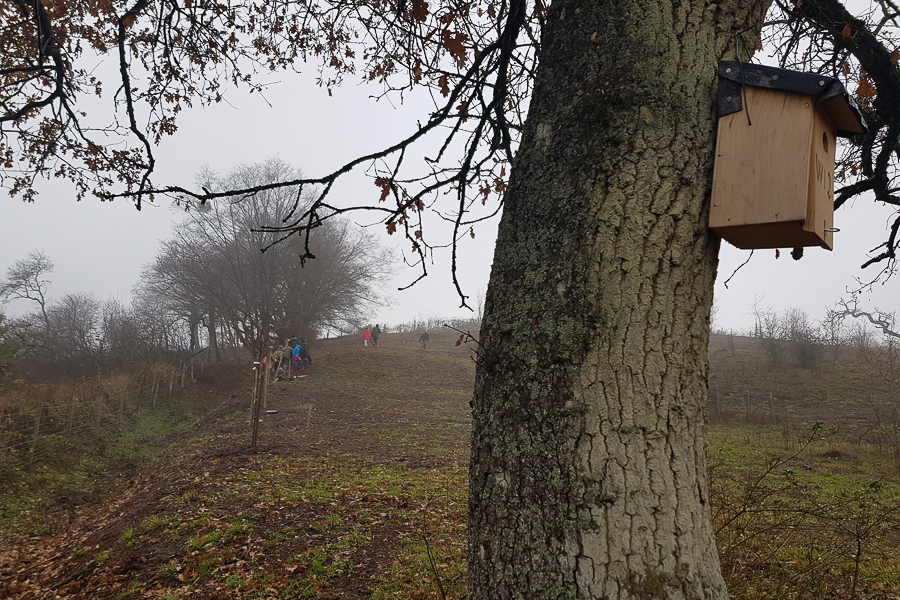
A short loop trail is under development through Witteschbierg to allow broader public access (as of January 2022). In the meantime, hikers can follow the orange-marked shortcut along the local “Daller Trëppeltour,” which loops around the Cherry Valley. Interpretive signage and guided walks provide insights into the site’s flora, fauna and ongoing restoration efforts, offering visitors a firsthand experience of this revitalised calcareous landscape