
 Credit: Ali Sahib, Chronicle.lu
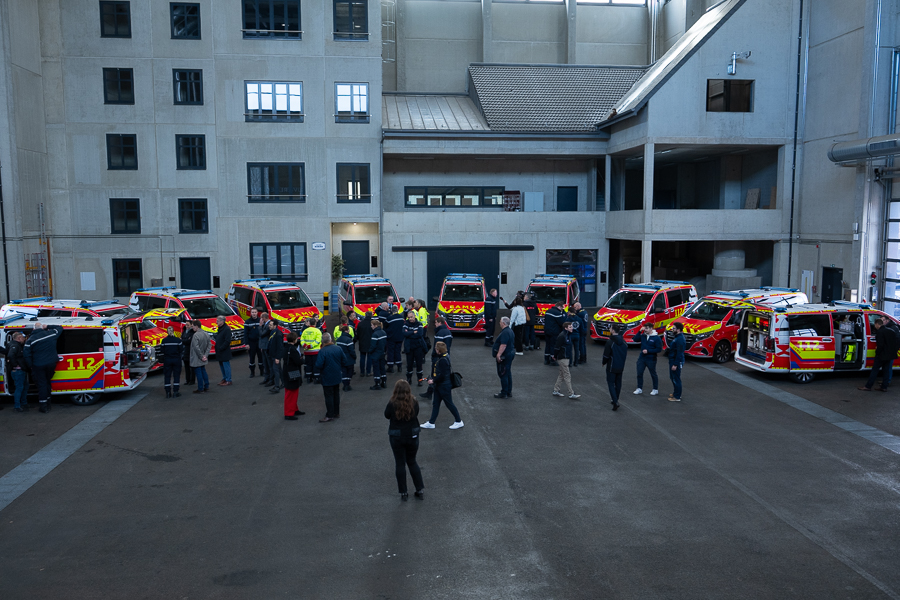
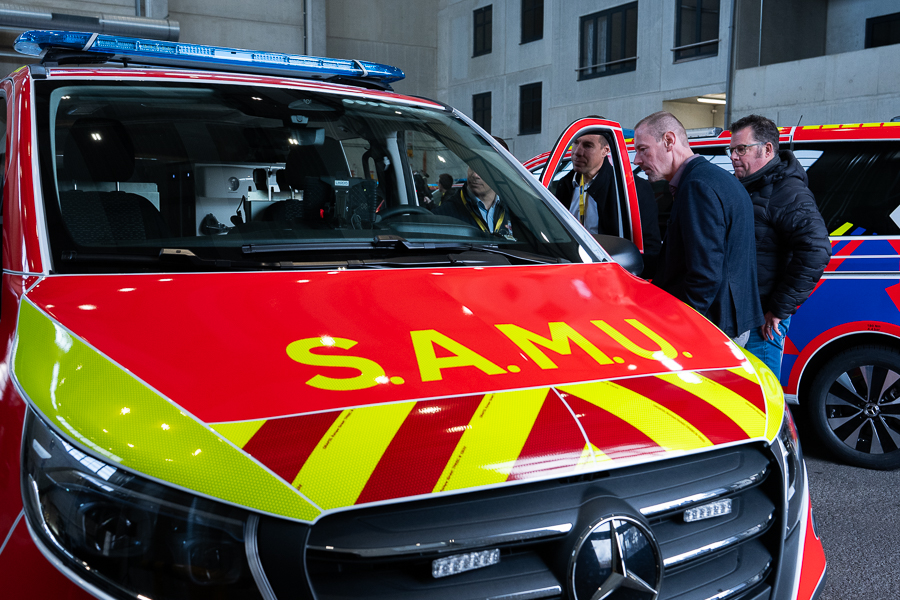
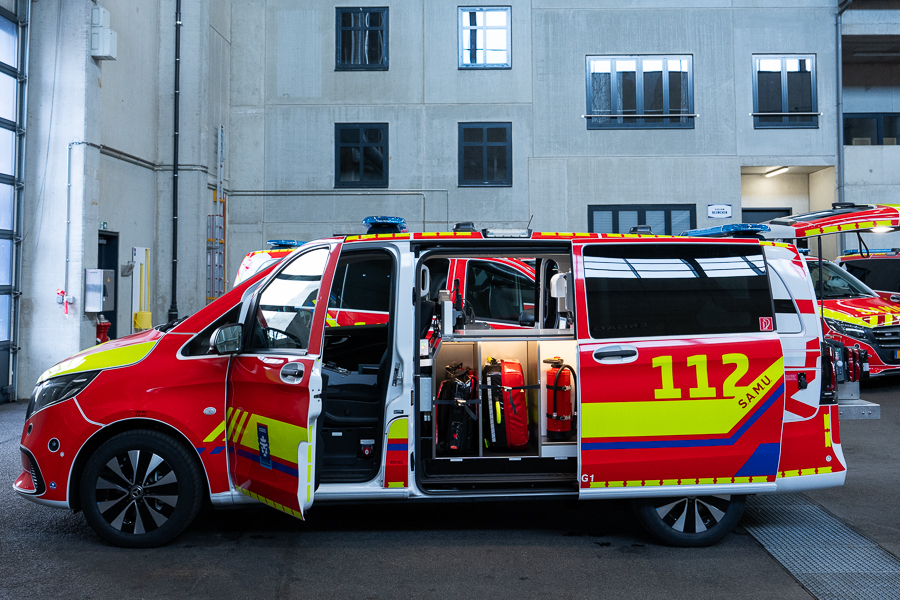
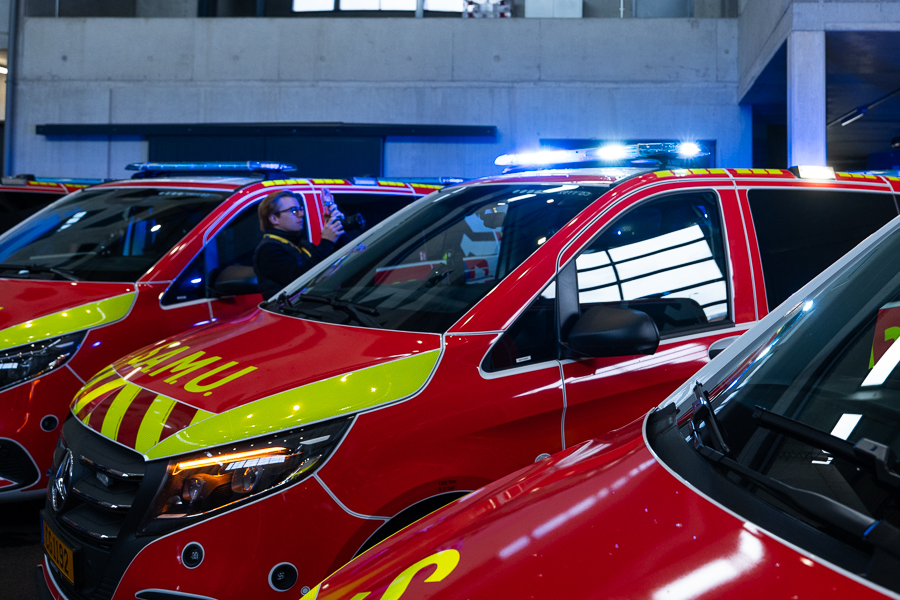
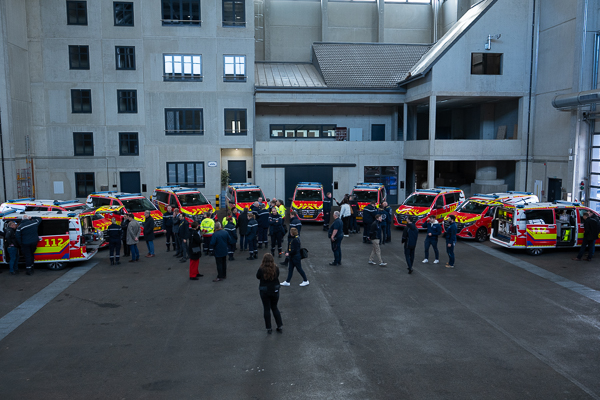
On Monday 16 November 2026, the Grand Ducal Fire and Rescue Corps (CGDIS) presented ten new Emergency Medical Service (SAMU) vehicles intended to equip the five SAMU bases in the Grand Duchy.
Funded by the State, these new-generation vehicles will help strengthen the capacity to care for patients facing serious medical emergencies or life-threatening conditions.
According to the CGDIS, SAMU operates 24 hours a day, 7 days a week, responding to the most serious medical emergencies requiring immediate specialised care. Based at Ettelbruck, the National Fire and Rescue Centre, Esch-sur-Alzette, Findel and Luxembourg City, the teams consist of a specialist doctor in anaesthesia and intensive care and a nurse specialising in anaesthesia and intensive care, forming an essential part of Luxembourg's emergency response system.
Reportedly, in 2025, more than 10,500 interventions required the deployment of a SAMU team. Behind each of these interventions are situations where every minute counts and where the ability to provide advanced medical care quickly can make all the difference for the patient.
The introduction of the new vehicles forms part of the CGDIS's efforts to adapt its resources to operational needs and developments in pre-hospital emergency medicine.
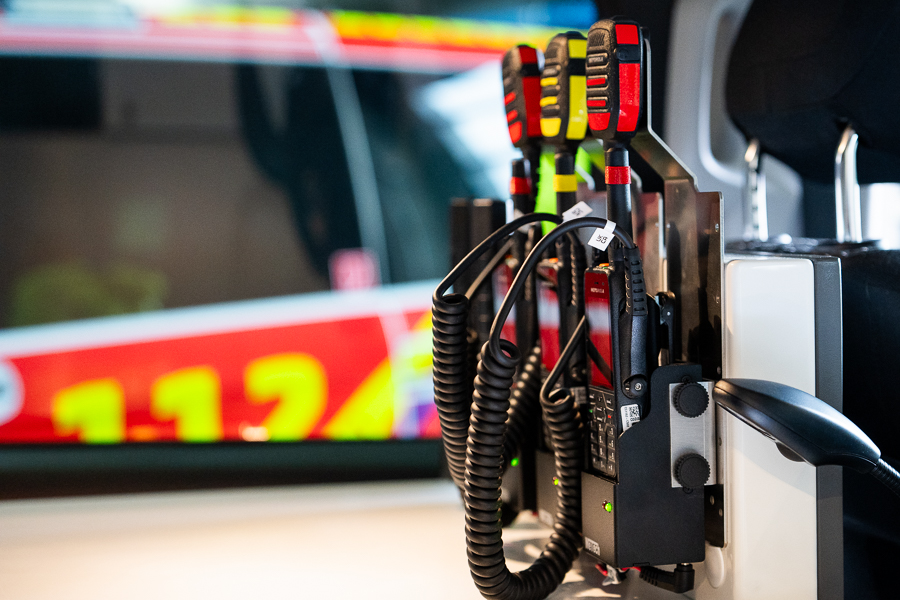
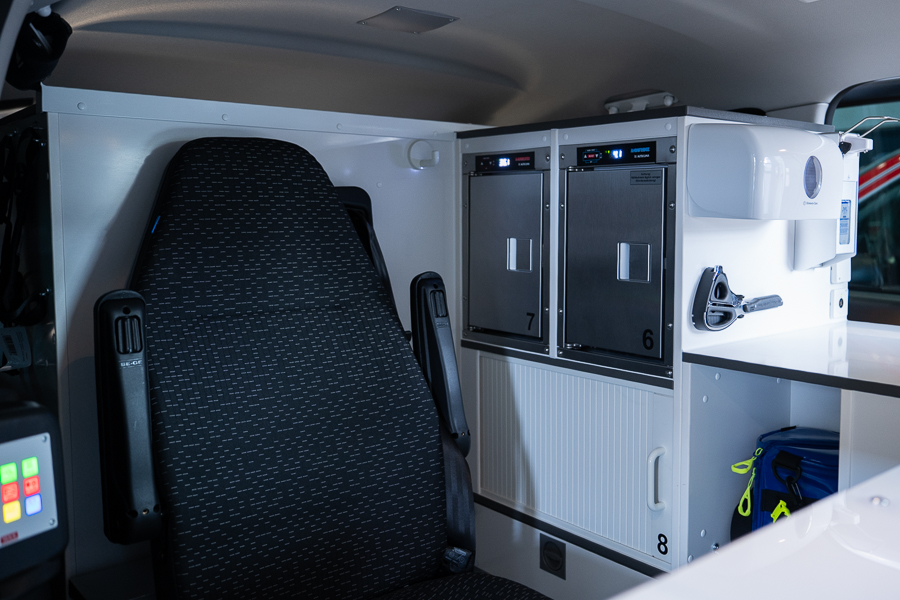
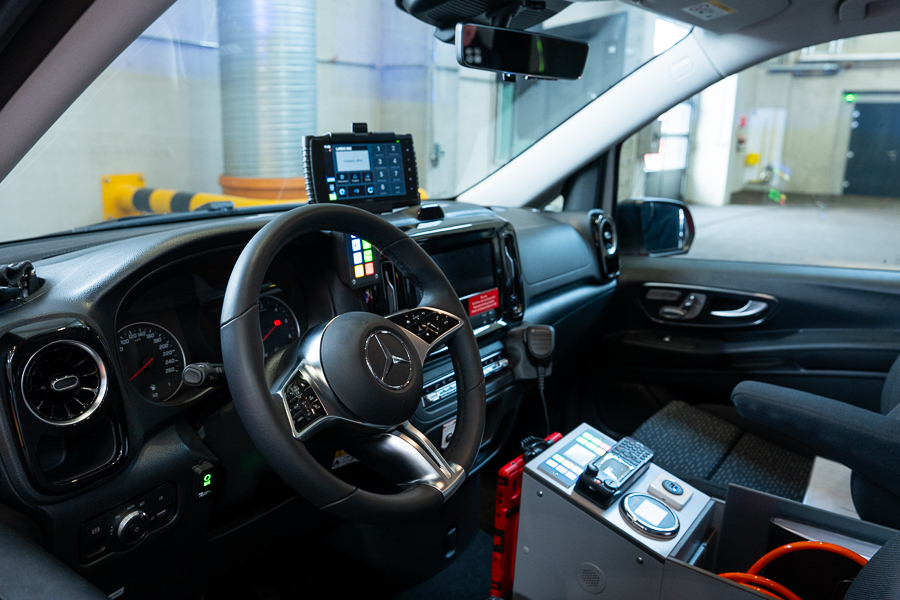
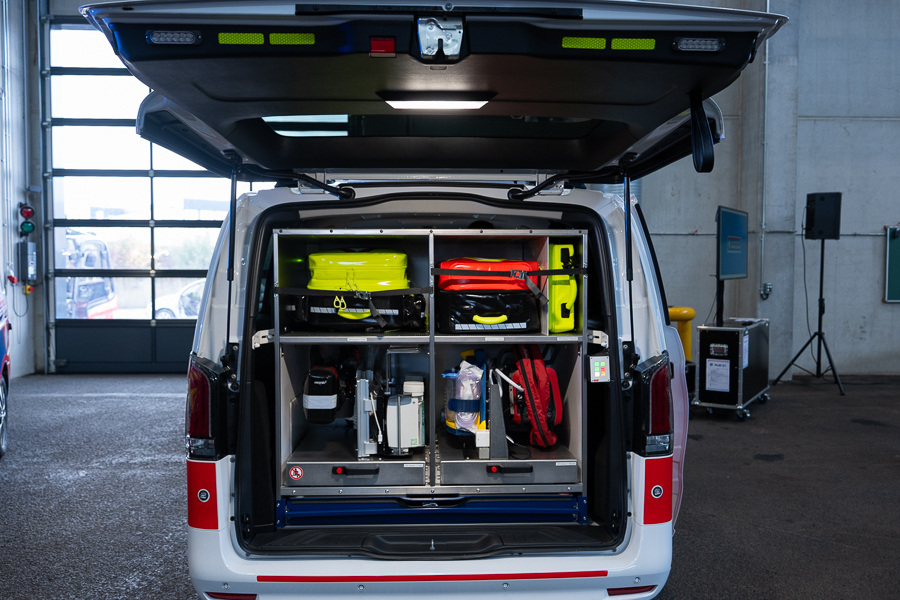
According to the CGDIS, the vehicles were designed in collaboration with users and specialised partners, offering improvements in safety, ergonomics, usable space, carrying capacity and equipment standardisation.
Developed over more than three years as part of a project launched in 2023, the new fleet aims to provide medical teams with a modern working environment and improve the quality of emergency patient care throughout Luxembourg.
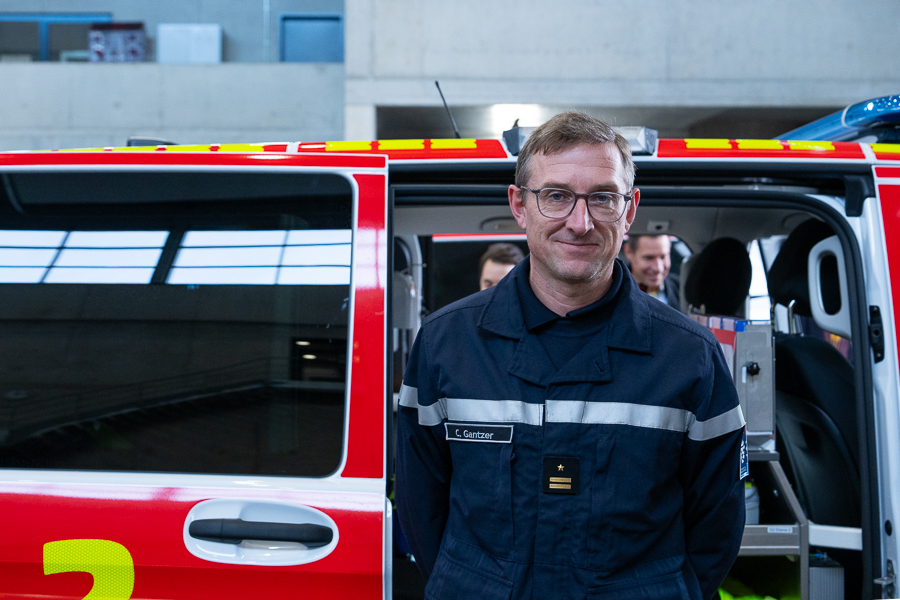
Speaking with Chronicle.lu, Cédric Gantzer, Head of Department within the General Directorate of the CGDIS, explained that SAMU teams can respond by car or helicopter, with the 112 emergency dispatch centre deciding which means of transport to use.
He noted that Luxembourg recorded around 60,000 medical emergencies in 2025, with a SAMU doctor called out approximately 10,000 times. He also clarified that SAMU teams provide medical treatment at the scene, while ambulances transport patients to hospital.
Cédric Gantzer explained: "We have more interventions, interventions are getting more complex, so we have more material to take with us." He added that the new vehicles also provide an additional seat for trainees.
The vehicles will undergo testing and staff training before entering full service, expected by the end of 2026 or early 2027.