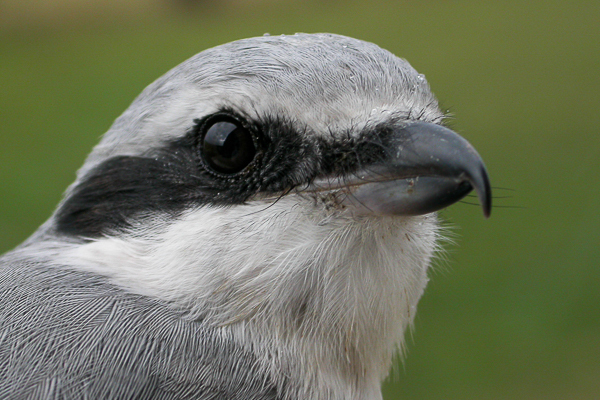
 Credit: natur&ëmwelt/ Patric Lorgé
Luxembourg has what is known as a Temperate Climate in which winters are generally mild and summers comparatively cool, with rainfall that can be high; its flora and fauna have thrived in and adapted to this climate over the centuries and millennia, with ongoing challenges due to pollution and recent climate change, as well as the introduction of non-native species, resulting in disruptions to the norm.
Nevertheless, with various initiatives and organisations helping the ecosystem and habitat, including sustainability and re-wilding, there is a lot happening in nature across the Grand Duchy.
Chronicle.lu has teamed up with natur&ëmwelt (the non-profit organisation (naturemwelt), the foundation (Hëllef fir d'Natur) and the Wildlife Care Centre (Flegeestatioun) for a series of articles on Luxembourg's nature reserves, in which we look at the natural habitats that preserve biodiversity and protect ecosystems from development, pollution and intensive agriculture.
No. 30 in this series focuses on the Ënner dem Reisch Nature Reserve.
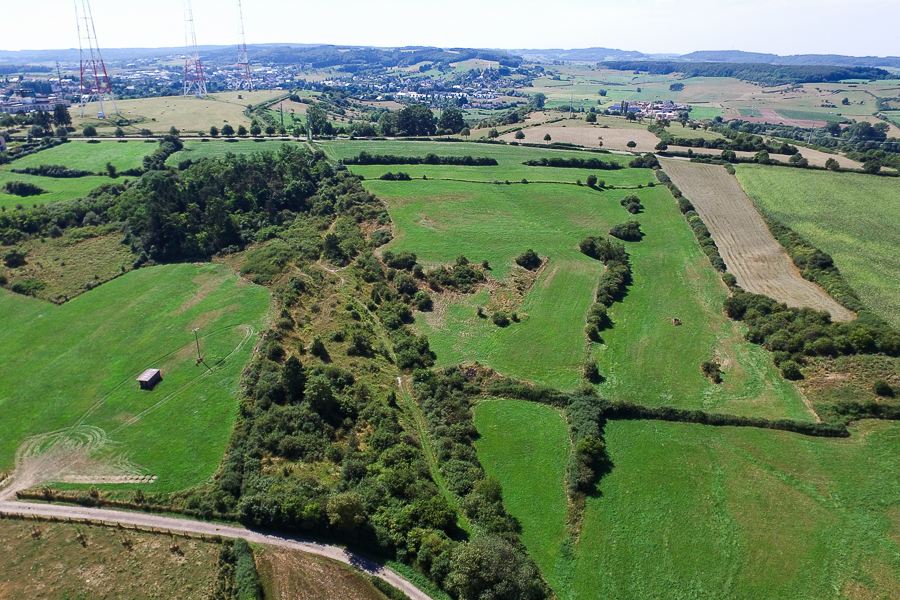
Nestled in the heart of Junglinster, the Ënner dem Reisch reserve showcases the beauty of Luxembourg’s calcareous grasslands. Set within the rolling hills shaped by the white and black Ernz rivers, this reserve forms a vital ecological link between the dry grasslands of eastern Luxembourg and those scattered across other regions. Its landscapes, interspersed with juniper formations, reflect centuries of pastoral management and traditional grazing practices.
Location and landscape features
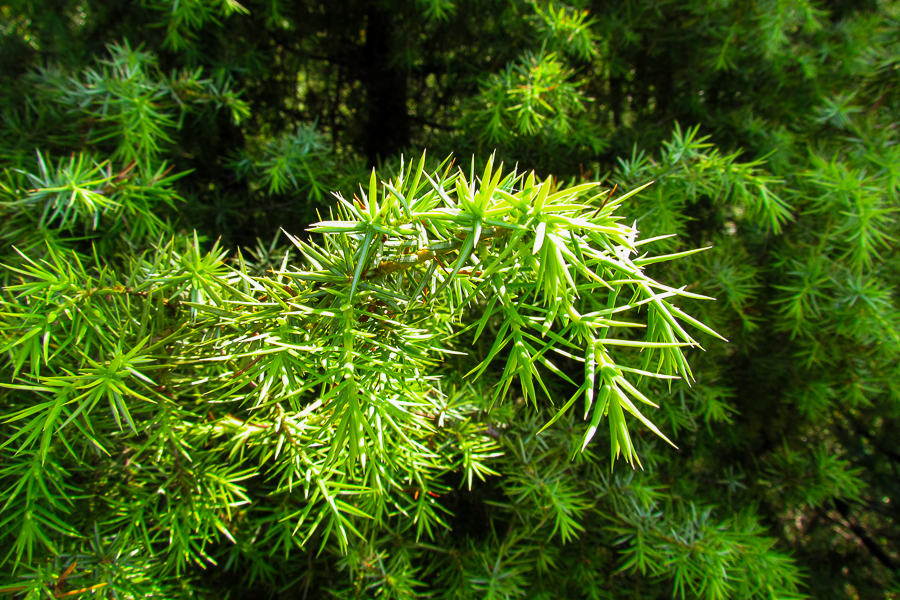
Ënner dem Reisch occupies a hilly terrain typical of the Keuper marls. The slopes are dotted with calcareous grasslands and juniper (Juniperus communis) thickets, remnants of former sheep-grazed pastures. The site lies strategically between the last large juniper stands at Amberkneppchen and Geieschknapp, connecting isolated dry grassland habitats and supporting ecological continuity across the region.
Ecological importance and threats
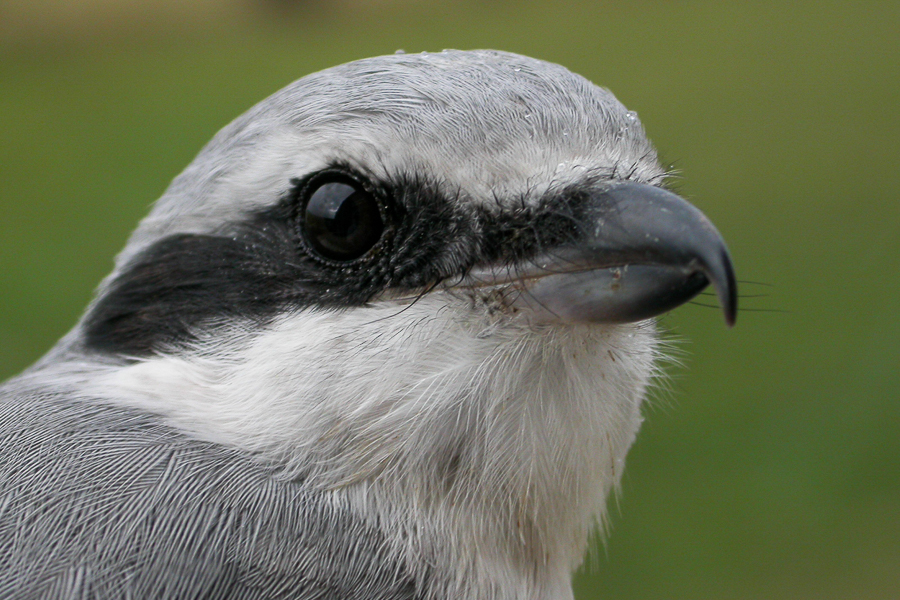
Juniper formations are emblematic of traditional pastoral landscapes but are highly sensitive to land-use change. Abandonment of grazing has allowed some juniper populations to grow dense and old, yet they no longer regenerate naturally. Without active management, these shrubs could eventually disappear, threatening the biodiversity that relies on open, semi-natural grasslands. Species such as the great grey shrike (Lanius excubitor) find their last nesting hotspots here, preferring semi-open, gently rolling pastures rich in ecological structures. The shrike’s unique hunting behaviour, impaling prey on thorns or barbed wire, depends on these lightly managed landscapes. Agricultural intensification, urban expansion and habitat loss increasingly jeopardise these birds and other grassland specialists.
Restoration actions
The LIFE Orchis project has been instrumental in restoring and safeguarding the juniper populations. Across 21 sites, including Ënner dem Reisch, a total of 4,100 juniper plants have been planted using both vegetative propagation and careful reintroduction techniques. Traditional grazing practices have been reinstated through the work of itinerant shepherds, with sheep and goats preventing overgrowth and maintaining the open character of the grasslands. These measures have ensured that the junipers remain viable and that the semi-open habitat mosaic continues to support a diverse community of flora and fauna.
Habitats and biodiversity
Beyond the juniper grasslands, Ënner dem Reisch includes wetlands and hay meadows, particularly in the nearby Reichwisen. Here, a rich assemblage of wetland plants thrives alongside the May orchid (Dactylorhiza majalis), while newly created and restored ponds improve breeding opportunities for amphibians. The combination of dry, open slopes and damp meadows within a small area creates a remarkable diversity of microhabitats. Birds, insects and other wildlife benefit from this habitat variety, making the reserve a true biodiversity hotspot in central Luxembourg.
Visiting the reserve
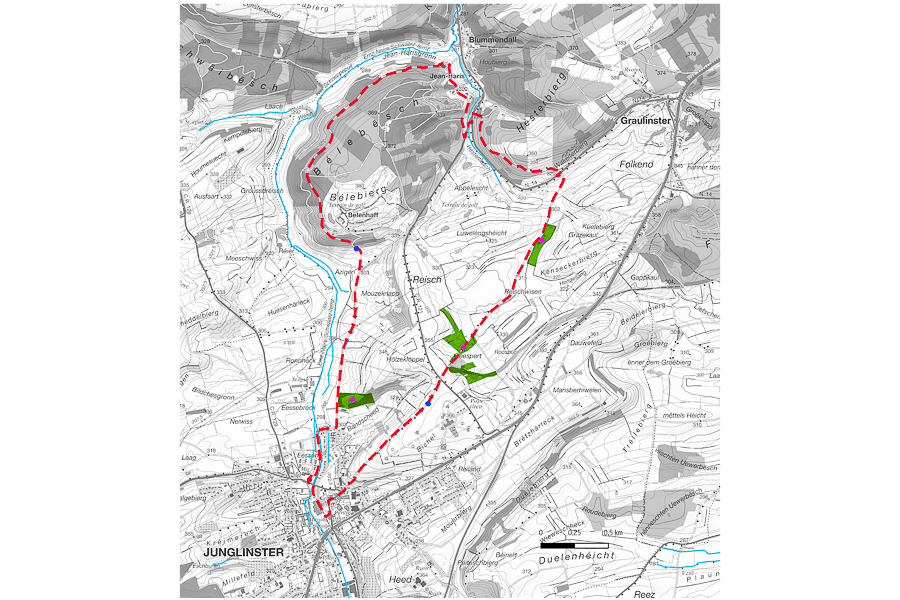
Visitors can explore the reserve along the local J3 hiking trail, which begins at the Junglinster Town Hall. The trail guides hikers through the gently undulating calcareous grasslands, juniper formations and wet meadows, providing panoramic views and opportunities to observe rare birds, orchids and other wildlife. Interpretive signs along the route help highlight the ecological and historical significance of the landscape, giving a deeper understanding of the region’s unique natural heritage.