 Credit: natur&ëmwelt
Luxembourg has what is known as a Temperate Climate in which winters are generally mild and summers comparatively cool, with rainfall that can be high; its flora and fauna have thrived in and adapted to this climate over the centuries and millennia, with ongoing challenges due to pollution and recent climate change, as well as the introduction of non-native species, resulting in disruptions to the norm.
Nevertheless, with various initiatives and organisations helping the ecosystem and habitat, including sustainability and re-wilding, there is a lot happening in nature across the Grand Duchy.
Chronicle.lu has teamed up with natur&ëmwelt (the non-profit organisation (naturemwelt), the foundation (Hëllef fir d'Natur) and the Wildlife Care Centre (Flegeestatioun) for a series of articles on Luxembourg's nature reserves, in which we look at the natural habitats that preserve biodiversity and protect ecosystems from development, pollution and intensive agriculture.
No. 38 in this series focuses on the Scheierbierg, Fuusselach & Hiewelbierg Nature Reserves.
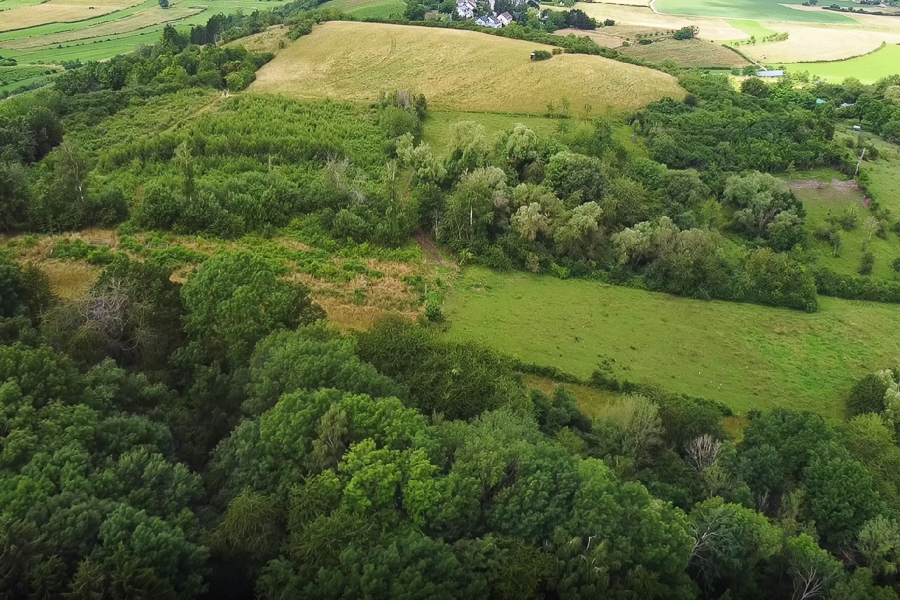
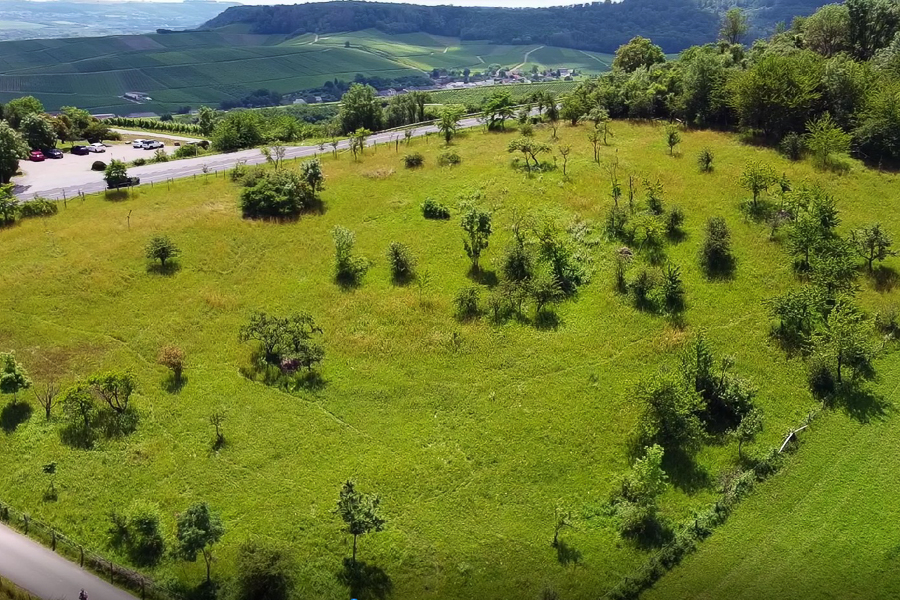
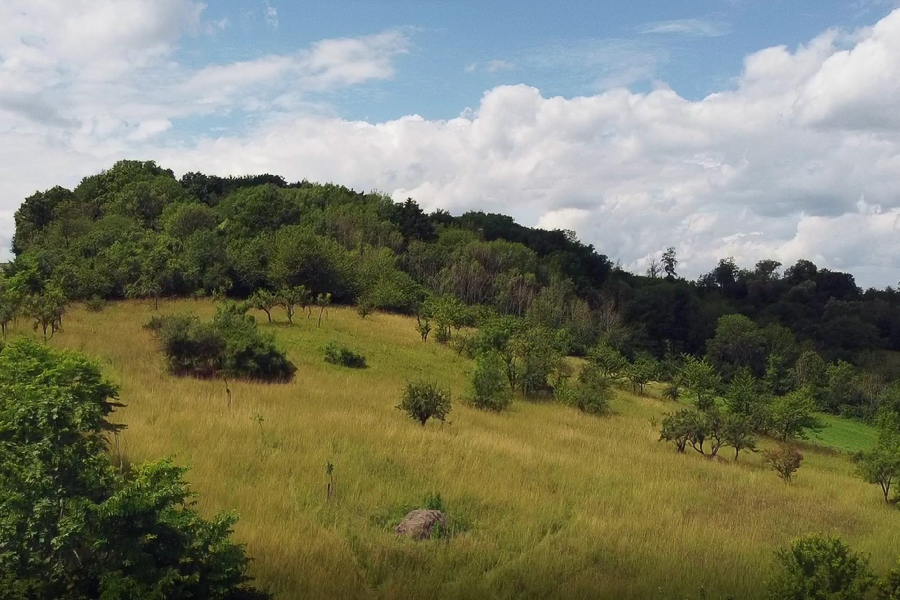
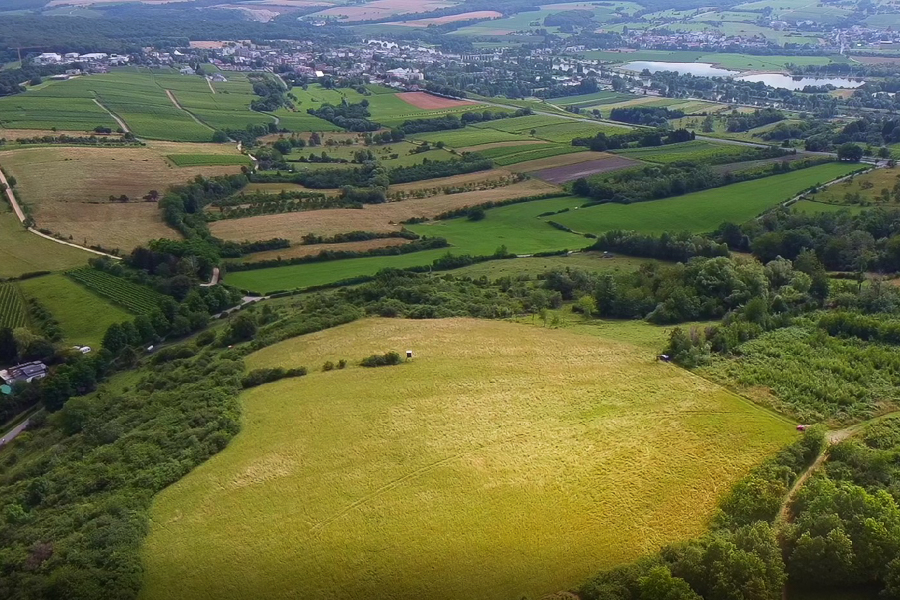
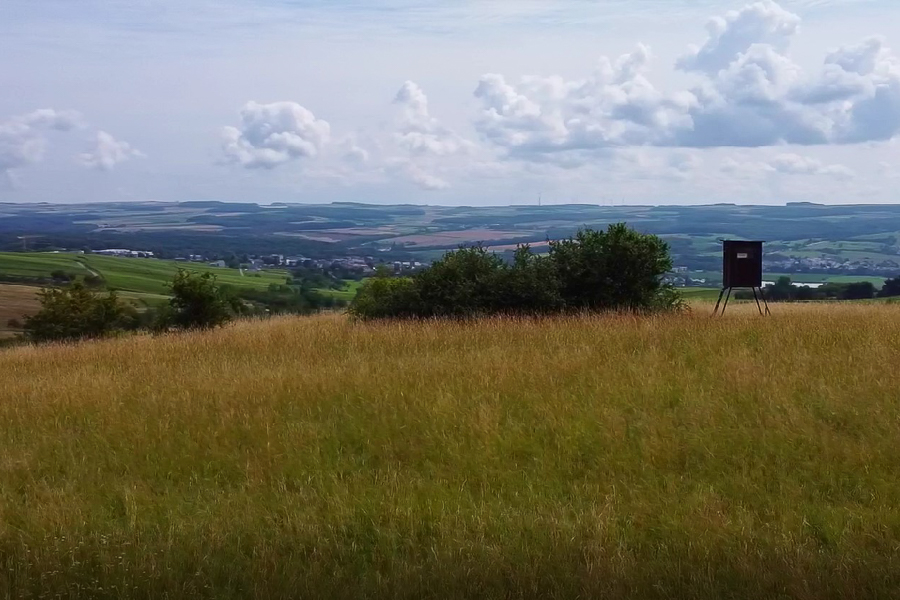
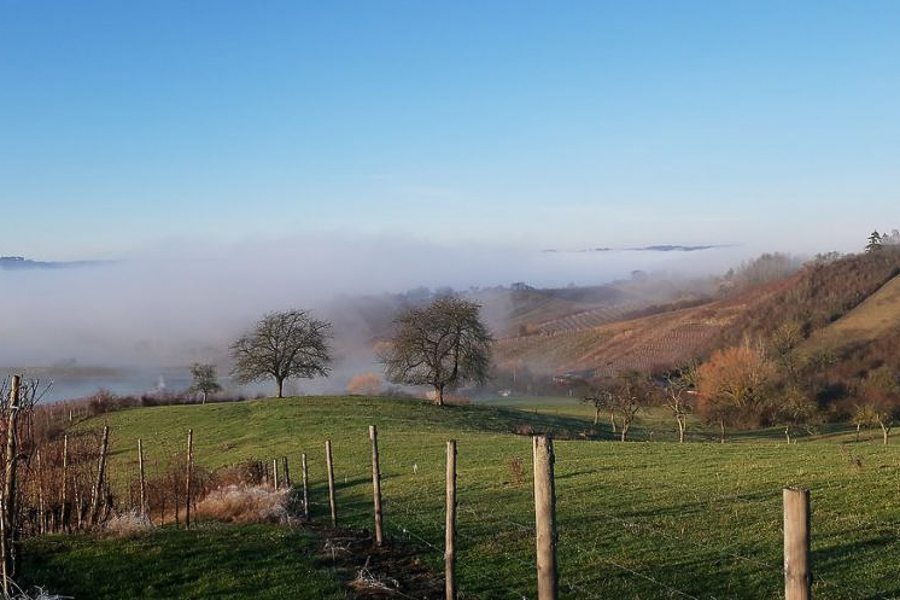
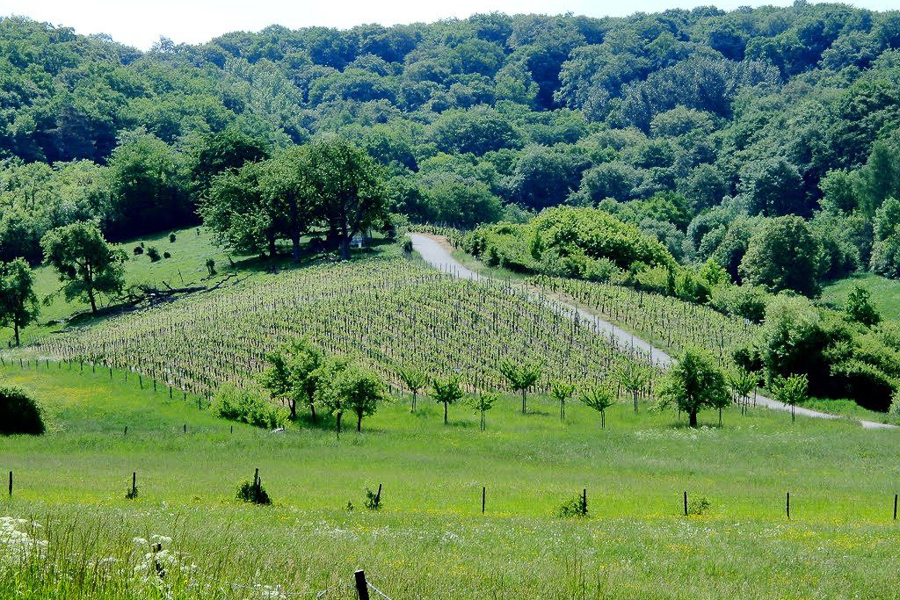
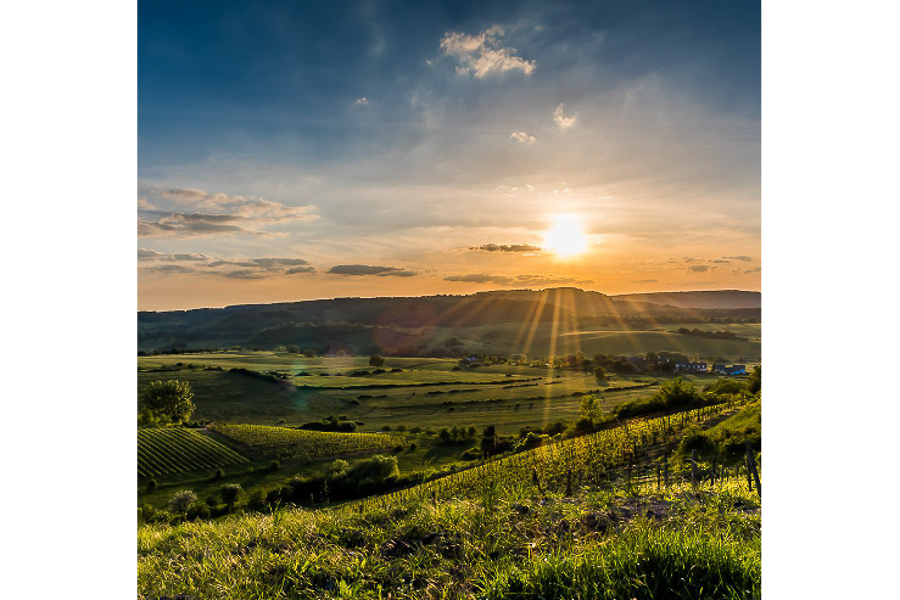
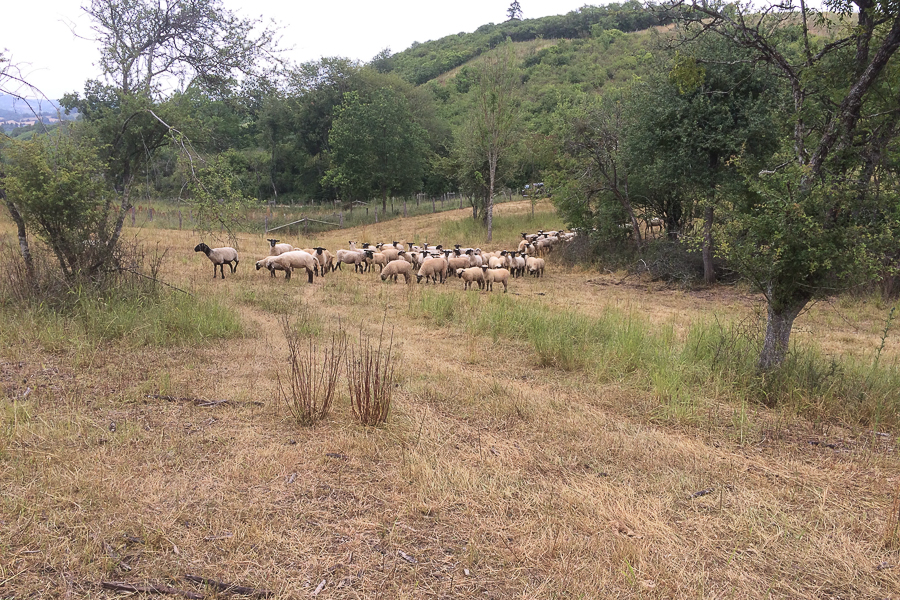
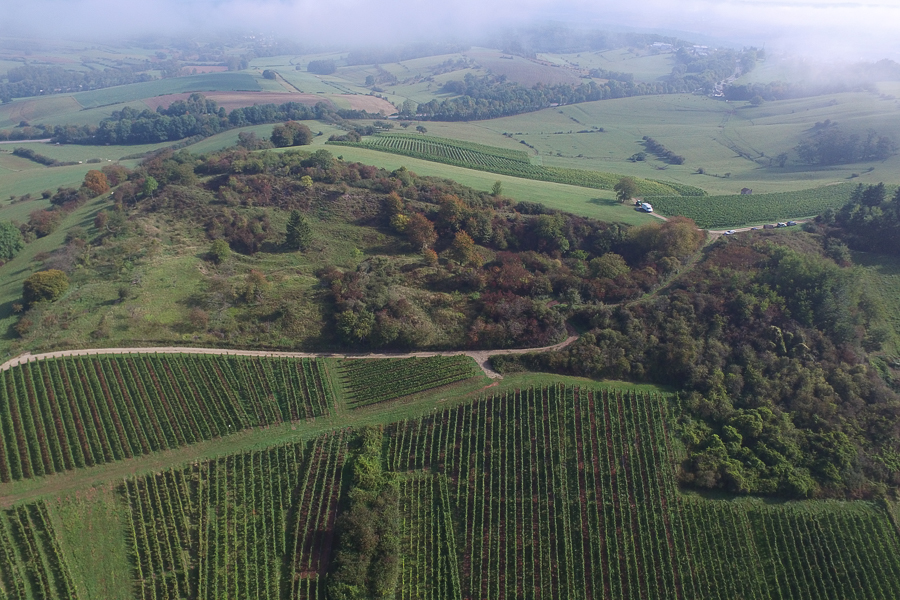
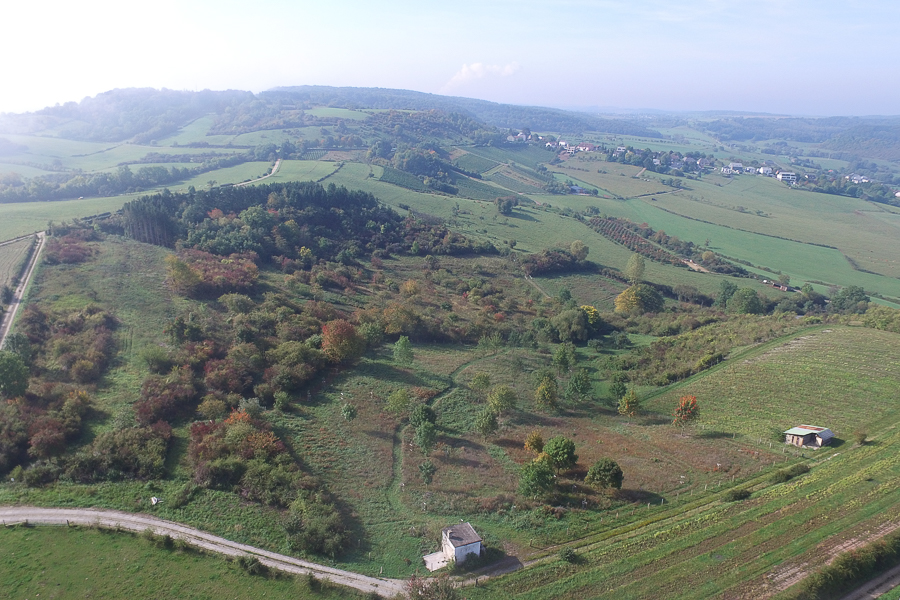
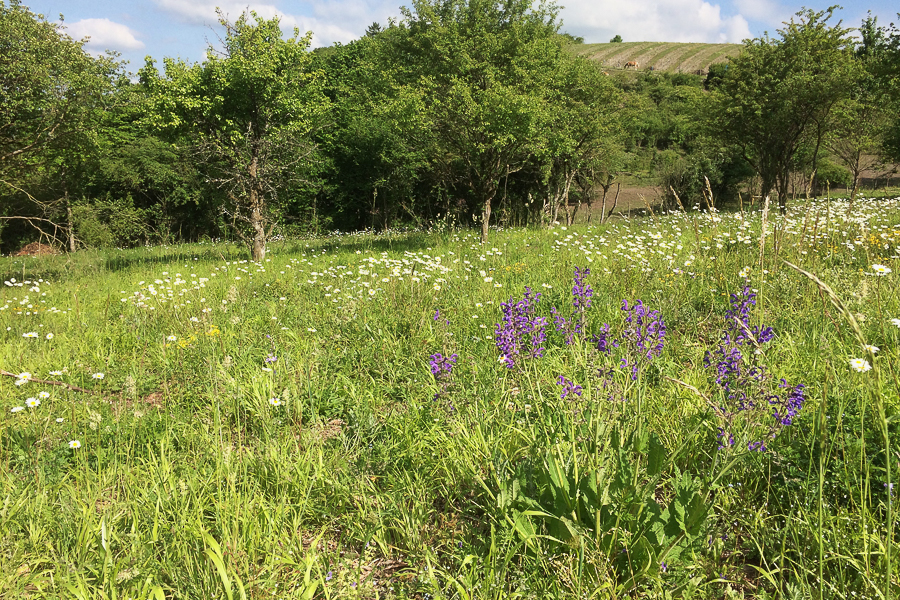
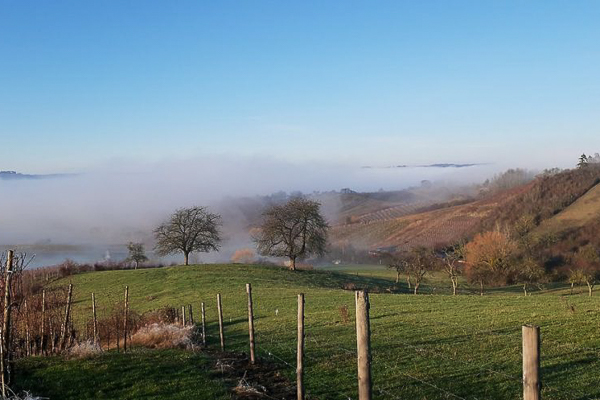
Rising sharply above the surrounding landscape, the Scheierbierg and its neighbouring slopes—Fuusselach and Hiewelbierg—offer some of the most valuable dry grasslands in southeastern Luxembourg. Once grazed and maintained by traditional pastoral practices, these steep hillsides are now celebrated for their exceptional botanical diversity and their role as ecological corridors connecting multiple habitats.
Location and Landscape Features
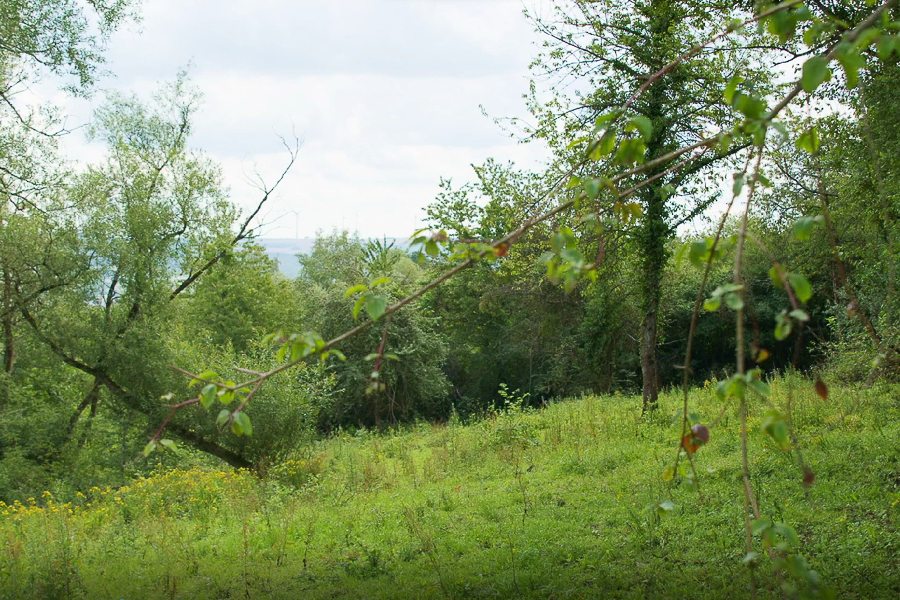
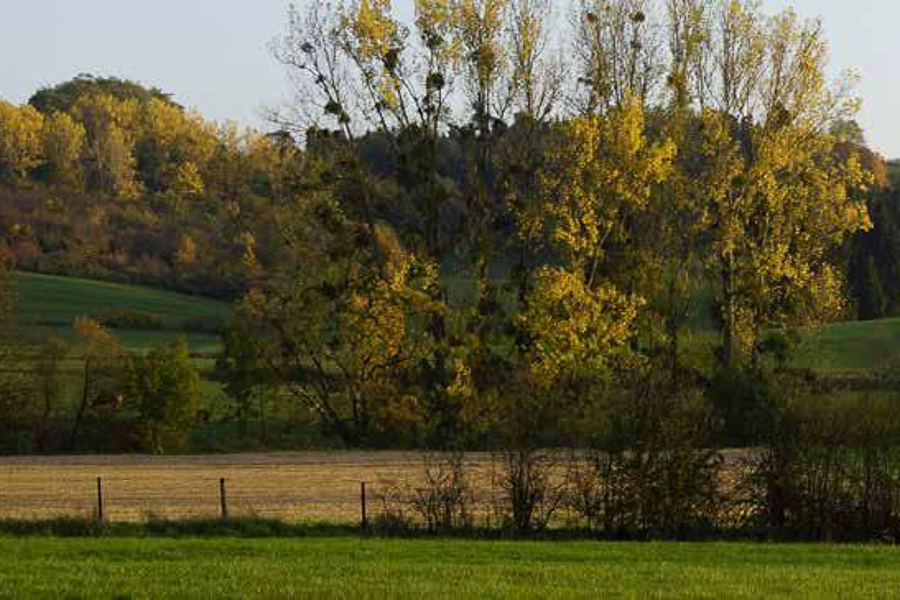
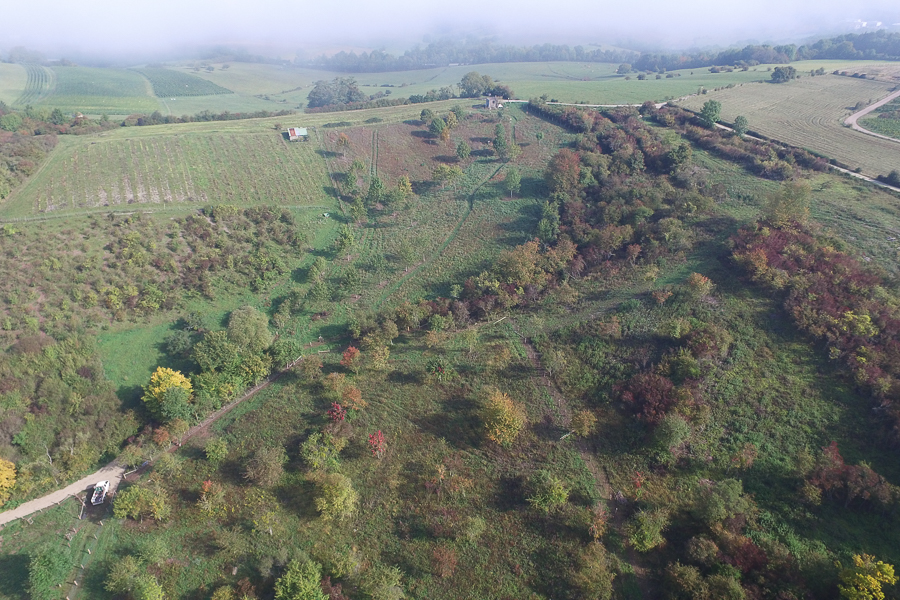
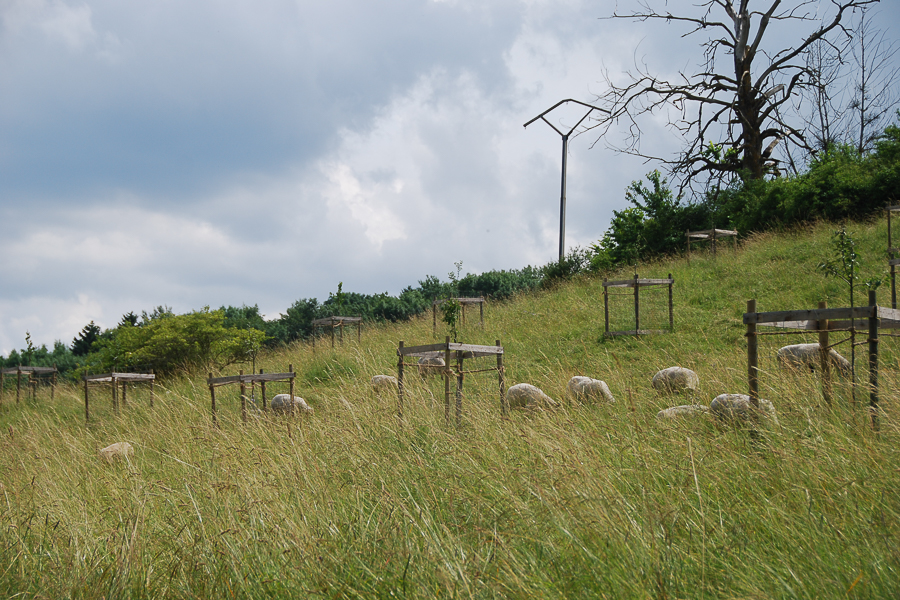
At the beginning of the 20th century, Scheierbierg presented a mosaic of open grasslands and expansive dry meadows, scattered with rare and delicate plant species. With the mechanisation and intensification of agriculture, these marginal lands were gradually abandoned. Over decades, open grasslands gave way to shrub encroachment and even forest succession.
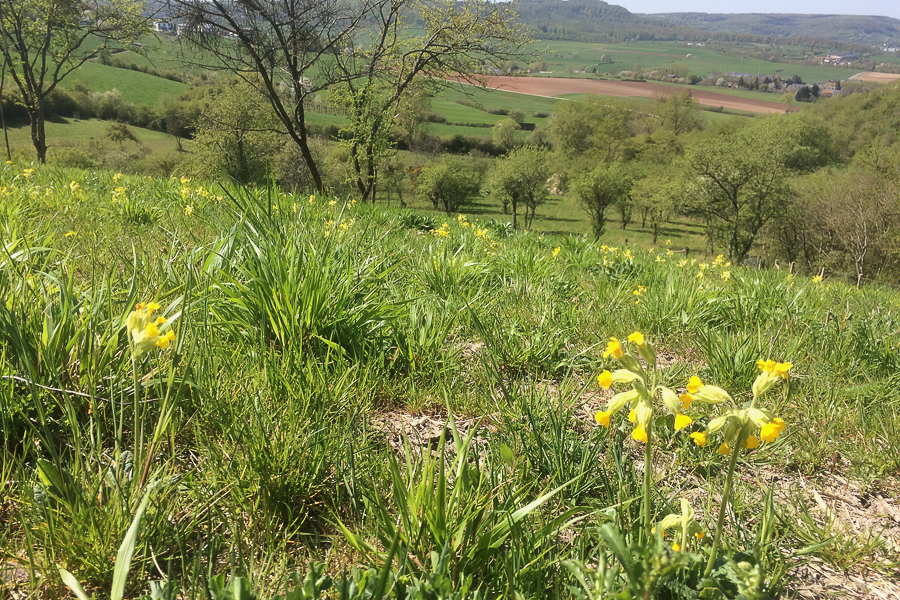
Through the sustained efforts of local natur&ëmwelt volunteers, one of the overgrown dry grasslands has been restored since the 1980s, reviving the open, species-rich character of the Scheierbierg slope. Today, it stands as one of the region’s most precious remnants of dry grassland ecosystems.
Ecological Importance and Conservation Actions
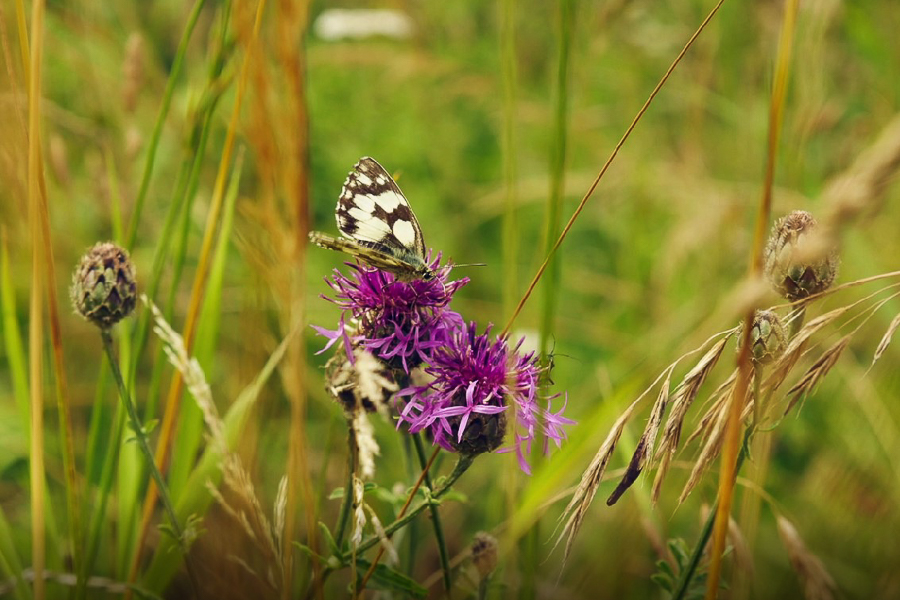
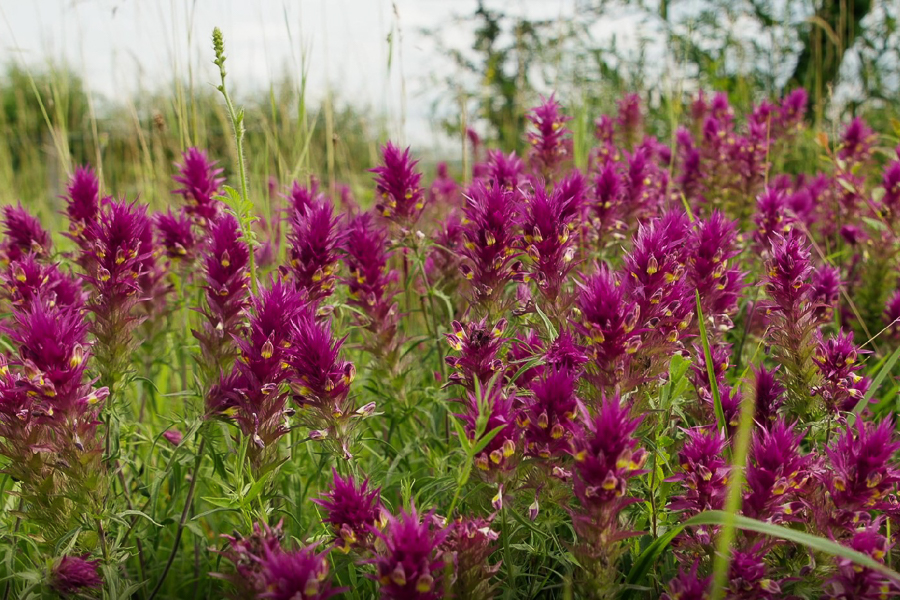
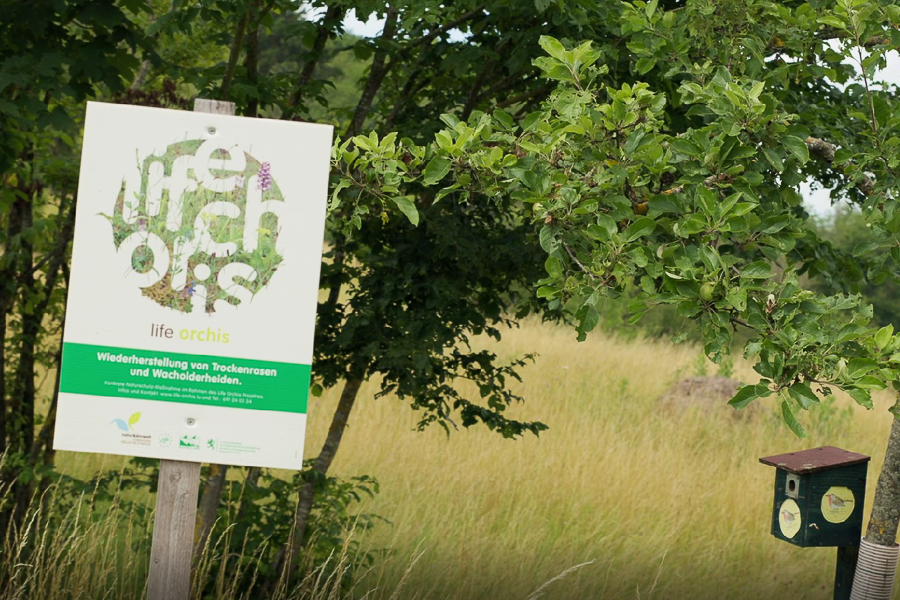
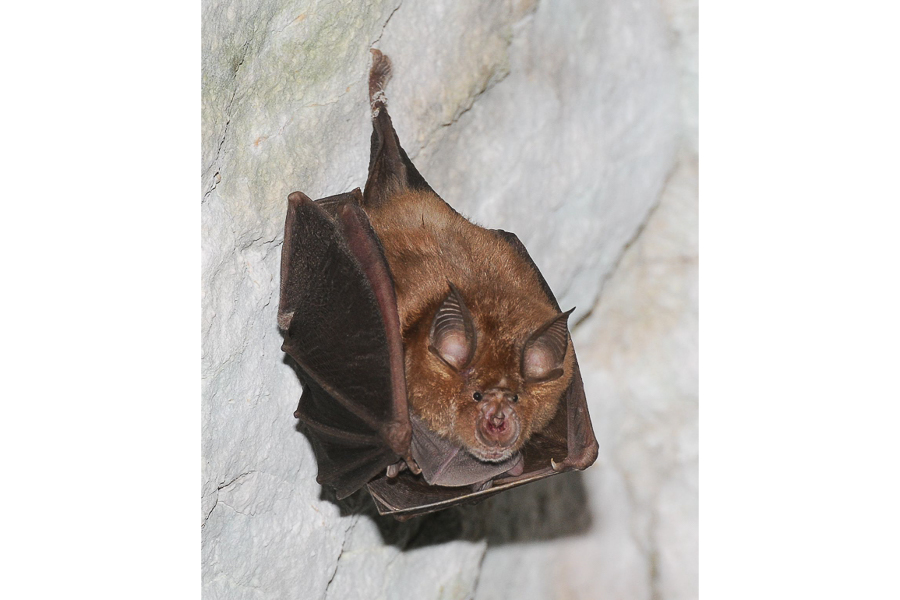
The site hosts large populations of orchids and other rare, protected plants, including the fringed gentian (Gentiana ciliata). The LIFE Orchis project expanded the reserve to include Fuusselach and Hiewelbierg, the latter a former gypsum quarry, enhancing the overall ecological connectivity of the area. These three sites together form an essential corridor for native fauna, particularly birds and bats, allowing species to move freely between habitats.
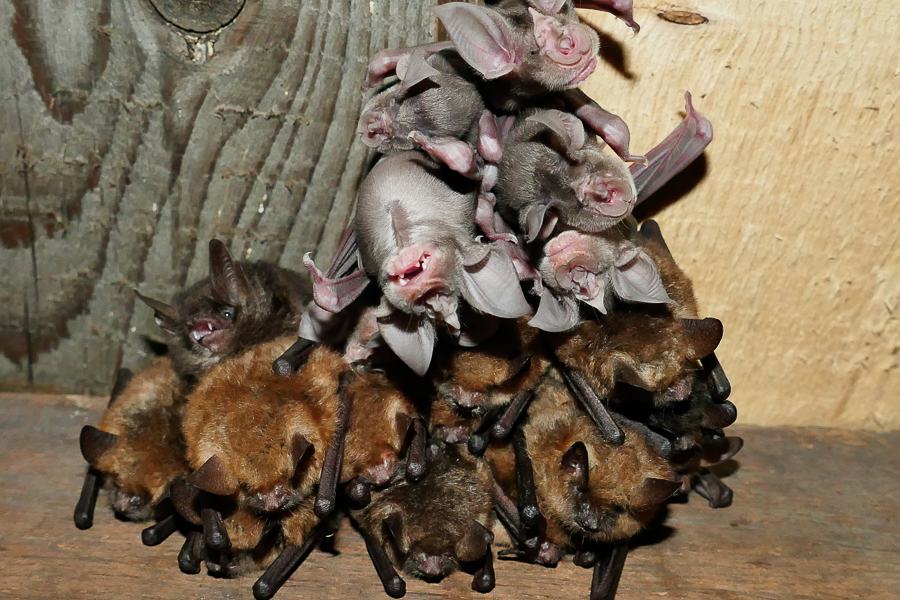
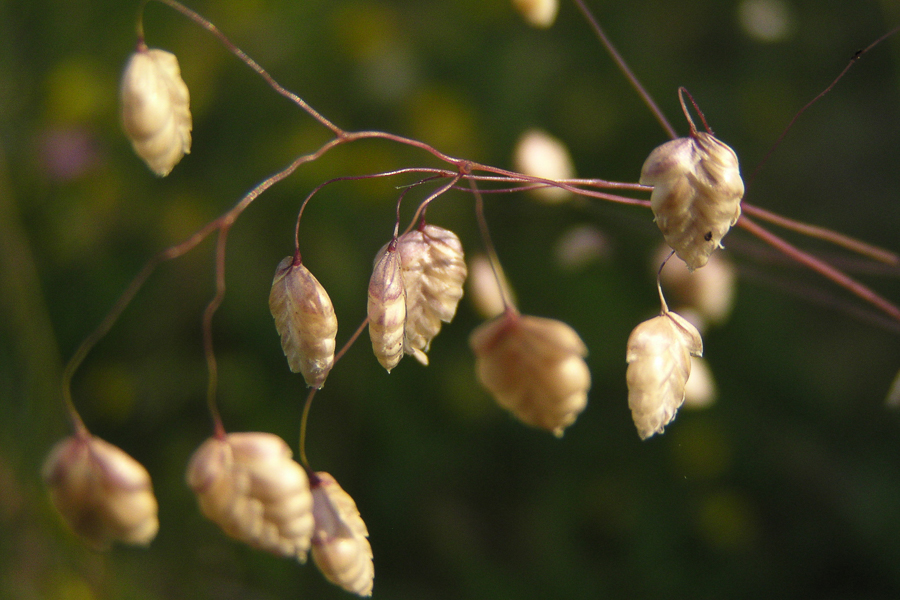
Among the notable bat species, the greater horseshoe bat (Rhinolophus ferrumequinum) and the young Myotis emarginatus rely on woodland structures, scattered trees and hedgerows for orientation and shelter. Plant species also reflect the site’s richness: the field cow-wheat (Melampyrum arvense) thrives on sunny, calcareous soils but is now endangered, while quaking grass (Briza media), with its delicate, wind-trembling seed heads, signals the presence of nutrient-poor dry meadows.
Visiting the Reserves
The Scheierbierg landscape can be explored via a combination of trails, including the “Ierpeldenger Gipswee” and the AXA discovery path. Guided by maps or GPX tracks, visitors are treated to a mosaic of restored grasslands, rare plant species and opportunities to spot birds and bats in their natural habitats. The reserves stand as a testament to the successful fusion of conservation, volunteer dedication and ecological restoration in preserving Luxembourg’s dry grasslands.