 Credit: Ali Sahib, Chronicle.lu
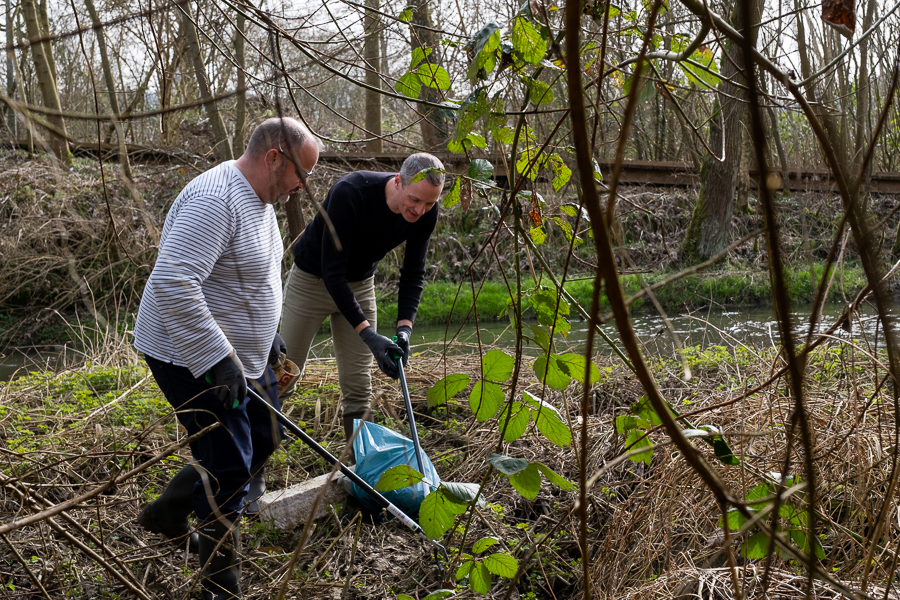
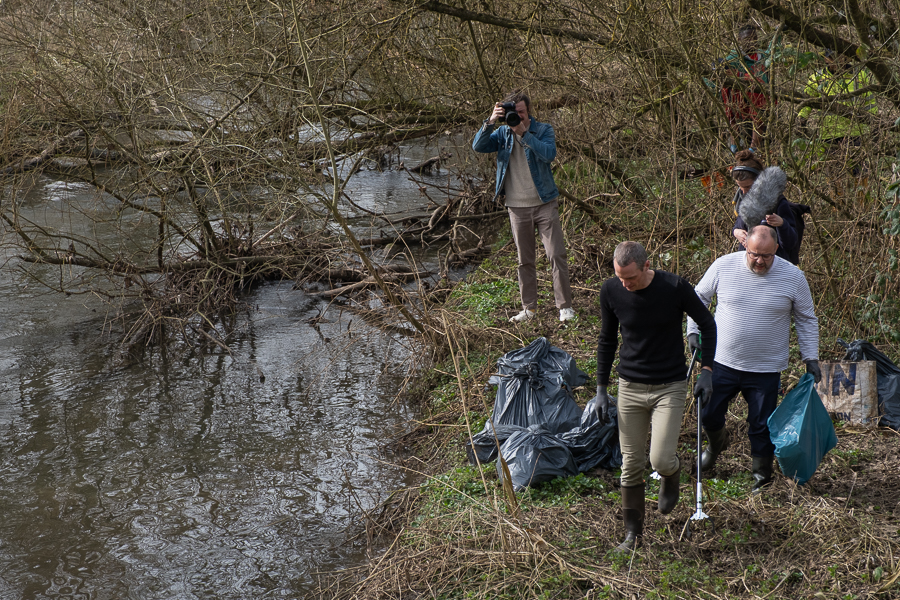
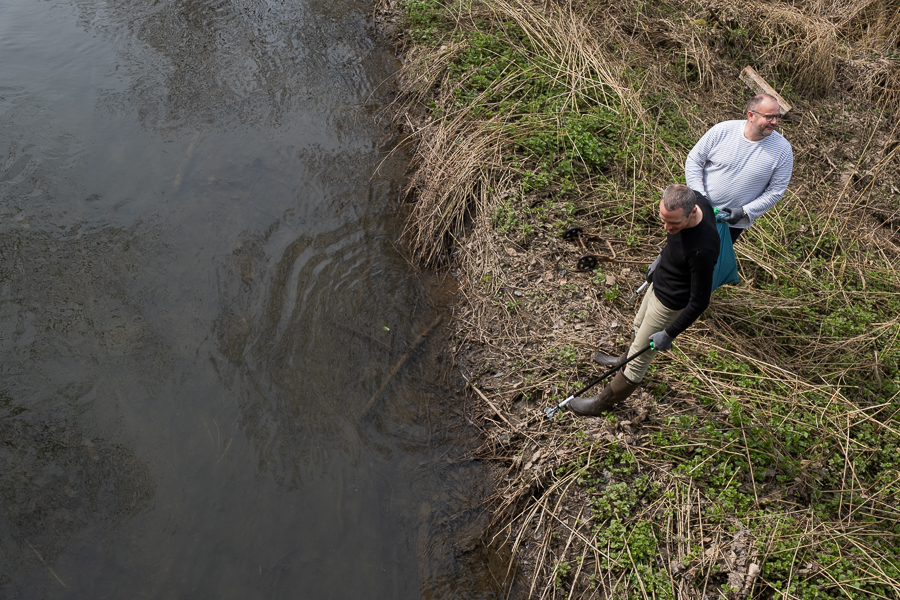
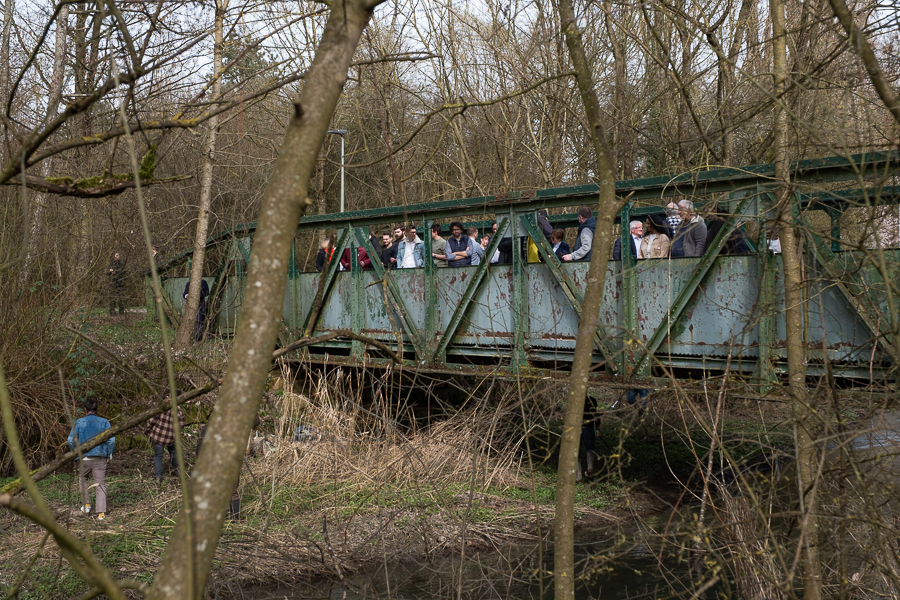
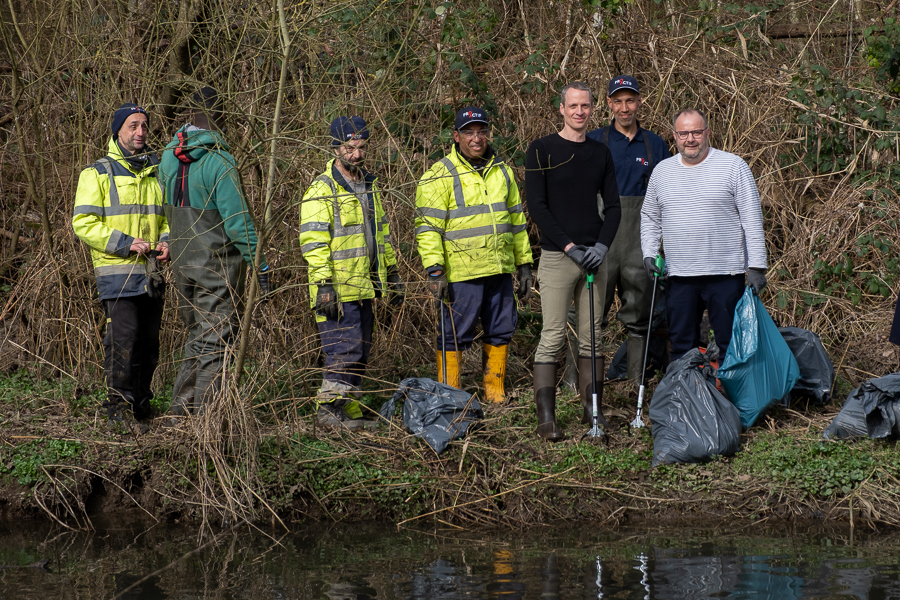
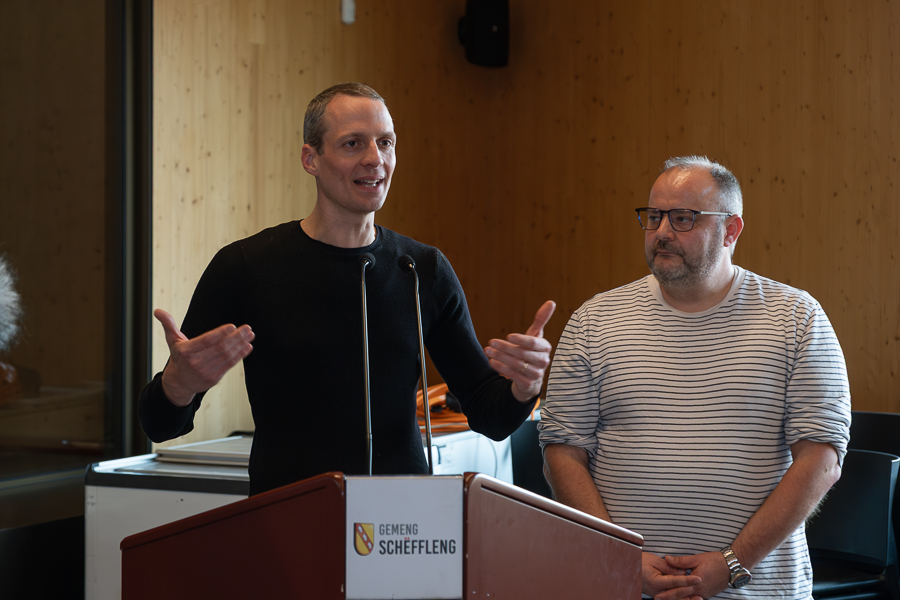
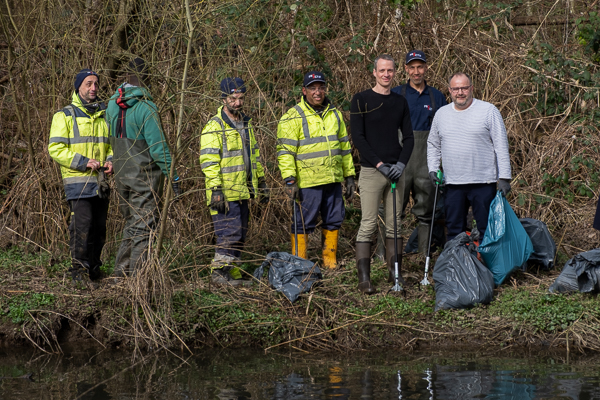
On Friday 6 March 2026, Luxembourg's Minister of the Environment, Climate and Biodiversity, Serge Wilmes, visited Schifflange to participate in a cleanup of the banks of the Alzette River.
The municipality of Schifflange organised this action as part of the inter-municipal and cross-border mobilisation for the cleanup of the banks of the Alzette and Chiers rivers, which ran from Monday 23 February to Saturday 7 March 2026.
Alongside the Mayor of Schifflange, Minister Wilmes joined representatives from the Water Management Agency and the Environment Agency, as well as municipalities and partners involved in the two river partnerships for the Alzette and Chiers.
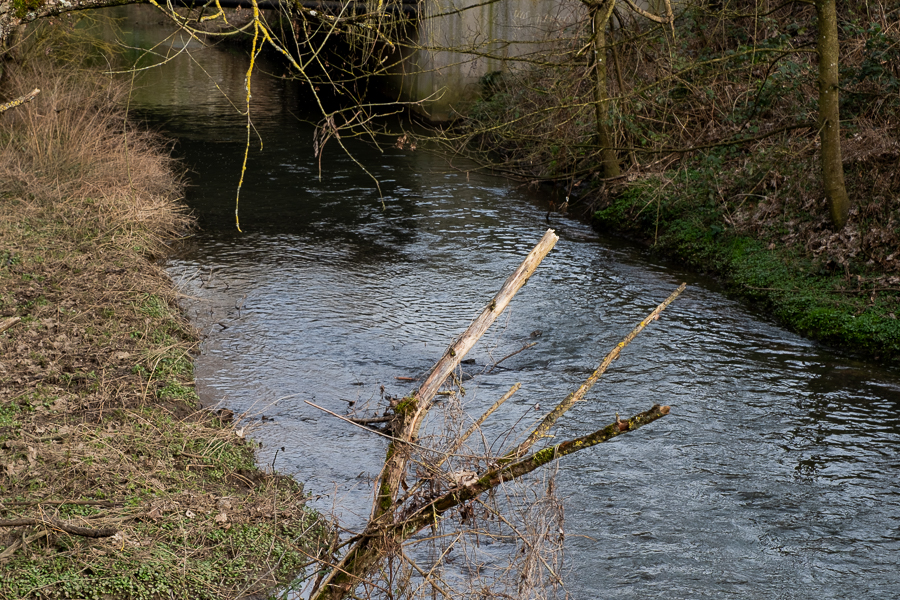
The operation removed various types of waste that had accumulated along the waterway and in floodplains, including plastics, metal objects and bulky items resulting from floods, runoff or illegal dumping. According to the authorities, this cleanup helps preserve biodiversity and supports the return of more natural and resilient rivers.
This initiative forms part of ongoing efforts by municipalities, watershed partners and government agencies to raise awareness about water resources, biodiversity conservation and the need for cleaner and more resilient waterways. It complements measures outlined in the district watershed management plan aimed at restoring aquatic environments.
Following the cleanup, Minister Wilmes stated: "Local and coordinated efforts are essential to restoring and protecting our waterways. Every action of this kind contributes to improving water quality, preserving biodiversity and strengthening the resilience of our rivers to the effects of climate change." He thanked the municipality of Schifflange and all partners involved for their commitment.
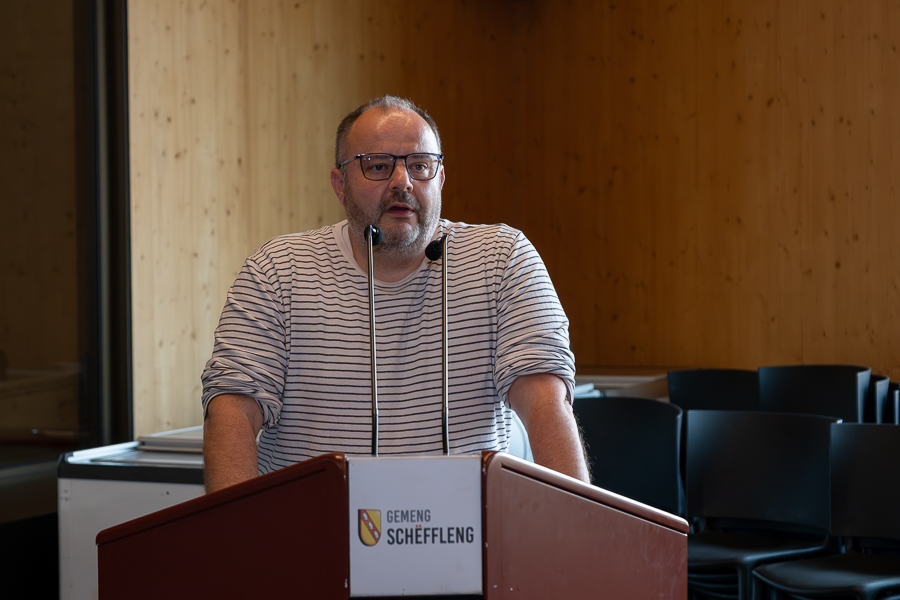
Mayor Carlo Feiereisen added: "We are delighted to have Environment Minister Serge Wilmes at our 'Flossbotzaktioun' [river cleanup action] here in Schifflange. Thanks to the involvement of many motivated individuals, we are making steady progress towards cleaner rivers and healthier ecosystems. And we will continue, in the years to come, to invest energy and resources to sustainably preserve our aquatic environments."
Speaking to Chronicle.lu, Minister Wilmes stressed the importance of continued efforts to improve water quality. "Cleaning our streams is still very important because they are still polluted," he said. "That's why it's good to have actions like these ones which are voluntary, where the municipalities work together, during three weeks now in spring, to clean their streams." He added that "there is still a lot of work to do", notably in terms of raising awareness among the public. "Because it's us human beings that are polluting our environment," he said, although he acknowledged that the situation was within our control. "We should empower people, but also educate them. And then, of course, we have to clean the streams. It is an ongoing effort," the minister said.
Minister Wilmes also acknowledged that Luxembourg is unlikely to meet the EU target of achieving good ecological status of waterways be 2027: "We are not going to reach that goal. Zero of our streams are in a good ecological condition," he lamented. The minister noted that efforts were underway but reiterated that "there is still a lot of work to do". He recalled a roundtable meeting he held last autumn, with working groups following up to accelerate the restoration and renaturation of Luxembourg's streams. "This is very important to protect from [floods] but also to get our streams into better ecological conditions," he said, adding that "work is still ongoing. And soon we will have a second round. And then we will have a look at the outcome of the working groups."
Minister Wilmes concluded by stressing the need for "a whole-of-society approach where every stakeholder is taking responsibility and accelerating the actions that we need to take as a community, as a society to get faster restoration of our streams. And by that also better protection from [floods], but also then a better ecological condition of our water."