 Credit: natur&ëmwelt
Luxembourg has what is known as a Temperate Climate in which winters are generally mild and summers comparatively cool, with rainfall that can be high; its flora and fauna have thrived in and adapted to this climate over the centuries and millennia, with ongoing challenges due to pollution and recent climate change, as well as the introduction of non-native species, resulting in disruptions to the norm.
Nevertheless, with various initiatives and organisations helping the ecosystem and habitat, including sustainability and re-wilding, there is a lot happening in nature across the Grand Duchy.
Chronicle.lu has teamed up with natur&ëmwelt (the non-profit organisation (naturemwelt), the foundation (Hëllef fir d'Natur) and the Wildlife Care Centre (Flegeestatioun) for a series of articles on Luxembourg's nature reserves, in which we look at the natural habitats that preserve biodiversity and protect ecosystems from development, pollution and intensive agriculture.
No. 32 in this series focuses on the Aarnescht Nature Reserve.
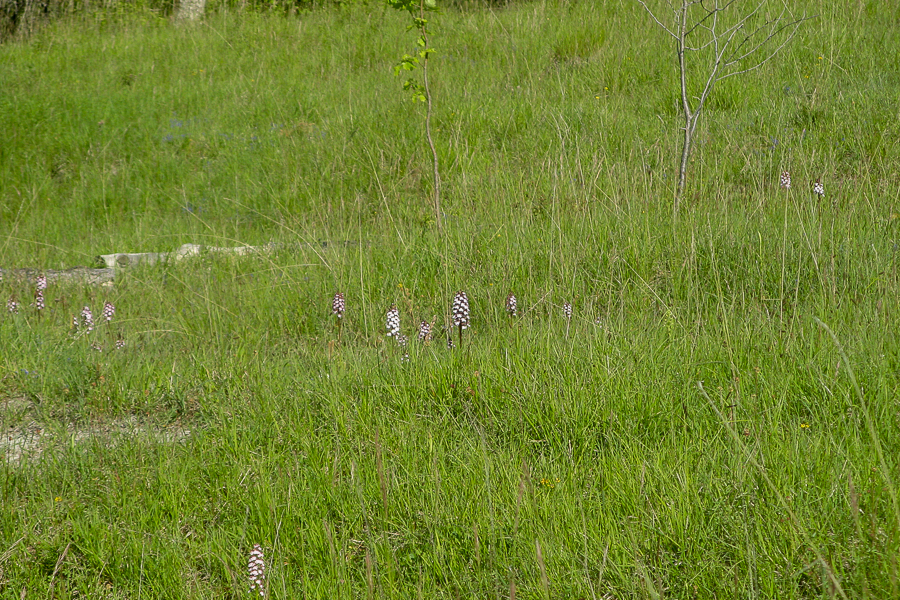
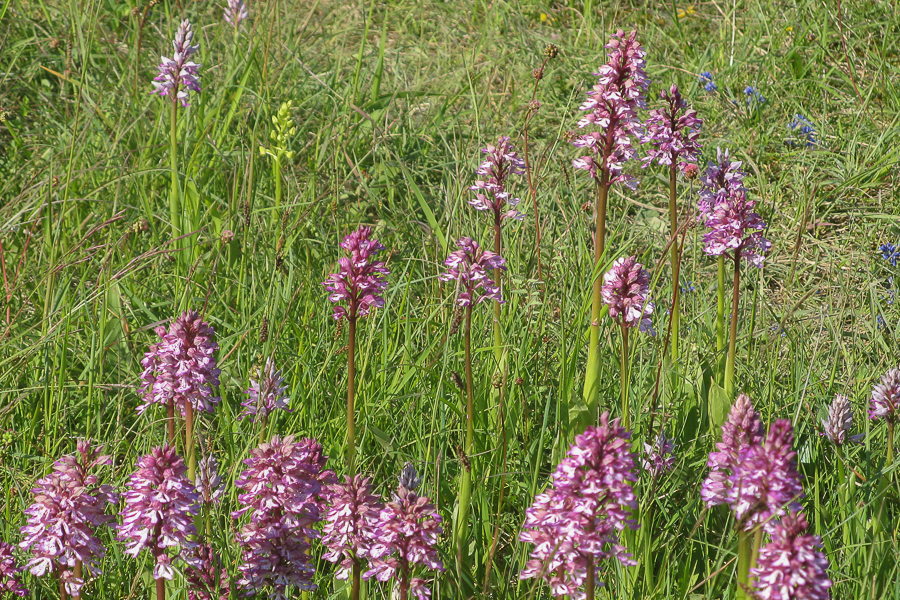
Perched on a sun-drenched, south-facing slope, the Aarnescht Nature Reserve is one of Luxembourg’s earliest and most important protected areas. Its unique microclimate, reminiscent of the Mediterranean, supports an extraordinary richness of life. Steep slopes, calcium-rich marl soils poor in nutrients and rapid drainage create conditions for a remarkable diversity of flora and fauna. Nearly two-thirds of Luxembourg’s 34 recorded orchid species flourish here, making the reserve a sanctuary for rare and specialised plants.
Location and landscape features
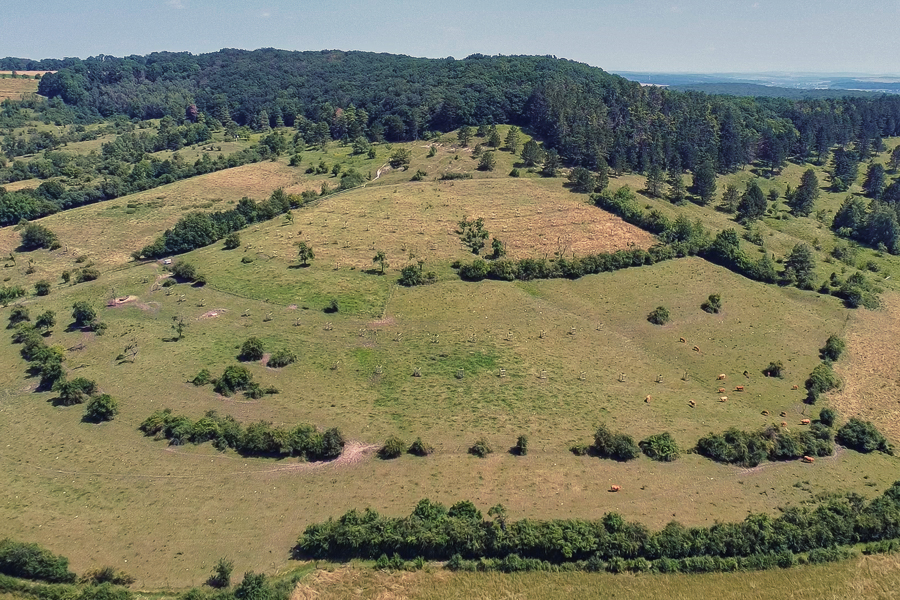
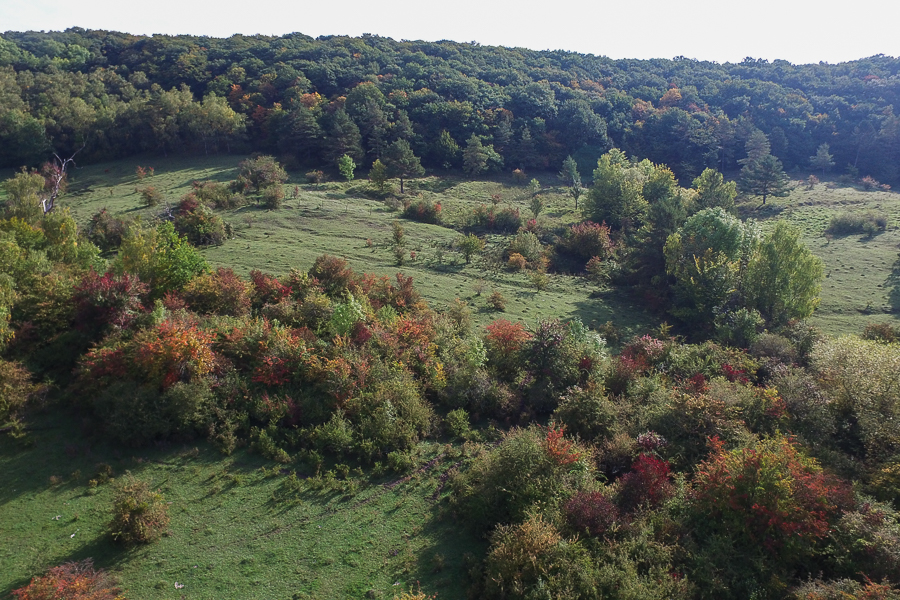
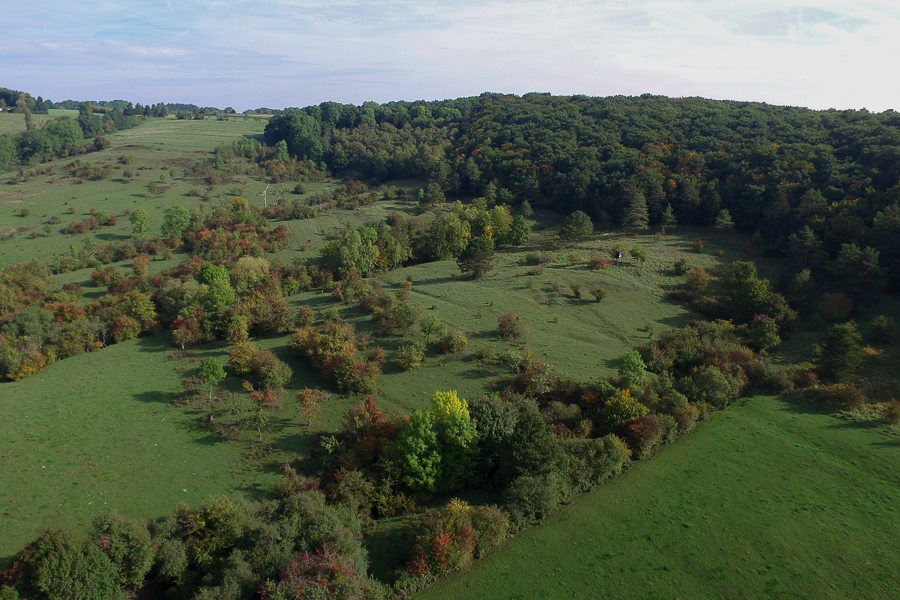
Aarnescht stretches across a ridge that rises like an island in the surrounding landscape. The southern exposure, combined with warm, dry soils, produces semi-natural calcareous grasslands that are among the most biodiverse habitats in the country. The reserve’s terrain, shaped by centuries of traditional land use, presents steep slopes interspersed with open meadows, rocky outcrops and small orchard plots in the buffer zone. These microhabitats foster exceptional species richness and create striking vistas over the Niederanven area.
Ecological importance and threats
The semi-natural calcareous grasslands of Aarnescht are home to a staggering variety of life. Surveys have recorded nearly 1,000 species, including 57 bird species, 39 of which breed in the reserve and eleven listed on Luxembourg’s Red List. Insects thrive here too: 136 butterfly species have been observed, including 35 on the Red List and 22 grasshopper species, with nine threatened nationally.
Without careful management, these open grasslands would quickly succumb to shrub encroachment. The richness of the ecosystem is fragile, dependent on maintaining open spaces and preventing soil enrichment that would favour competitive species over rare calcicole plants and thermophilic insects.
Conservation and management
Aarnescht’s biodiversity is actively preserved through a combination of manual mowing, brush clearing and controlled grazing by sheep. These “biodiversity taxis” play a crucial role: by moving across the site, they disperse seeds and microorganisms, linking habitats and supporting ecological connectivity. A contract-based biodiversity program also maintains orchard areas in the reserve’s buffer zone, ensuring continuity between cultivated and natural habitats.
Notable species
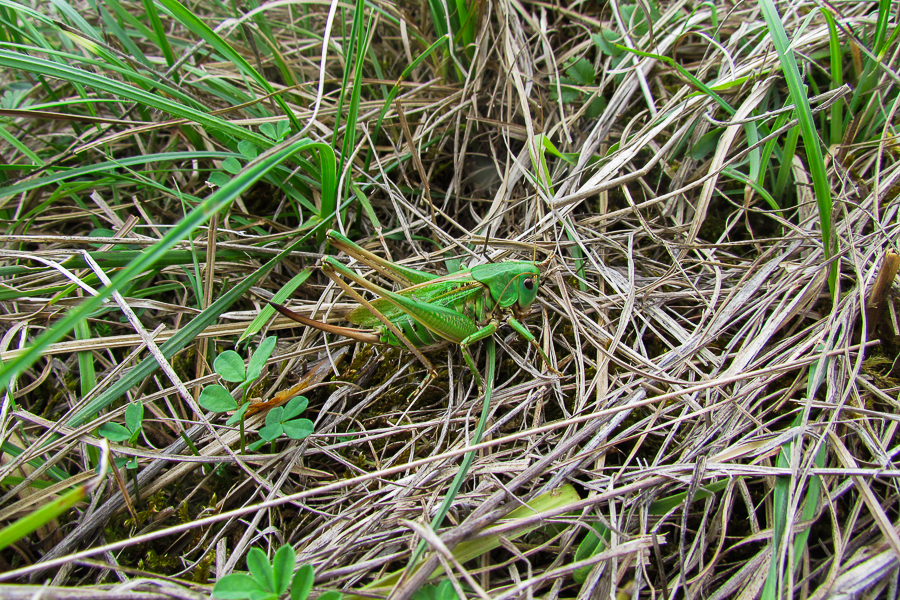
The reserve hosts species that are as fascinating as they are rare. The fly orchid (Ophrys insectiflora) is particularly striking: its flower mimics a small insect, complete with fine “antennae,” pseudo-eyes and wings, reflecting ultraviolet light to attract real pollinators. Among invertebrates, the wartbiter bush-cricket (Decticus verrucivorus), a thermo-xerophilic species favouring warm, dry grasslands, finds refuge in Aarnescht’s calcareous slopes, where it can thrive in undisturbed open areas`
Habitats and biodiversity
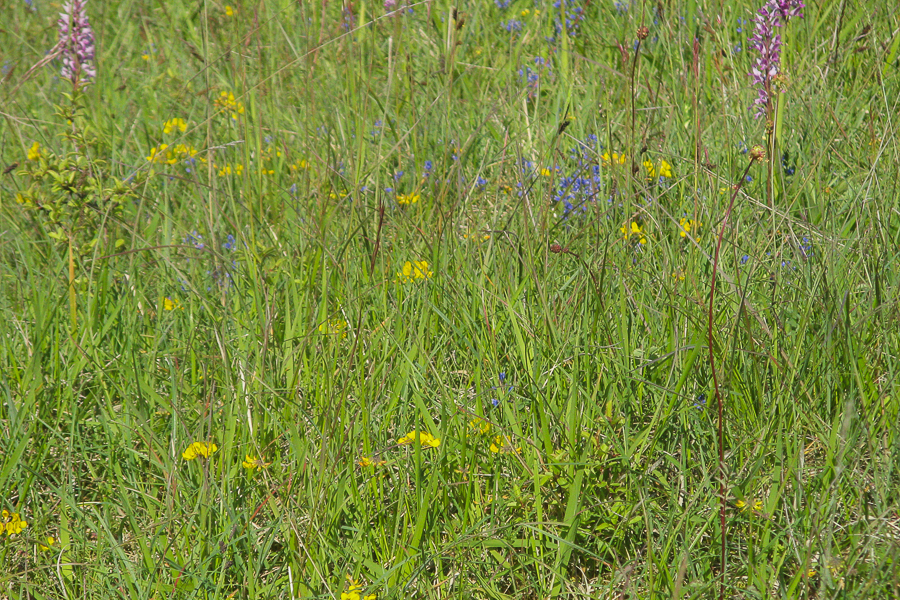
The mosaic of open grasslands, rocky ridges and buffer-zone orchards creates a dynamic ecological tapestry. Orchids, rare herbs and calcicole plants flourish, supporting butterflies, grasshoppers and a variety of other insects. Birds exploit the structural diversity of the landscape, nesting on slopes and feeding along meadow edges. Each element of the reserve, from its sunlit slopes to its scattered trees, plays a role in sustaining this exceptionally rich ecosystem.
Visiting the reserve
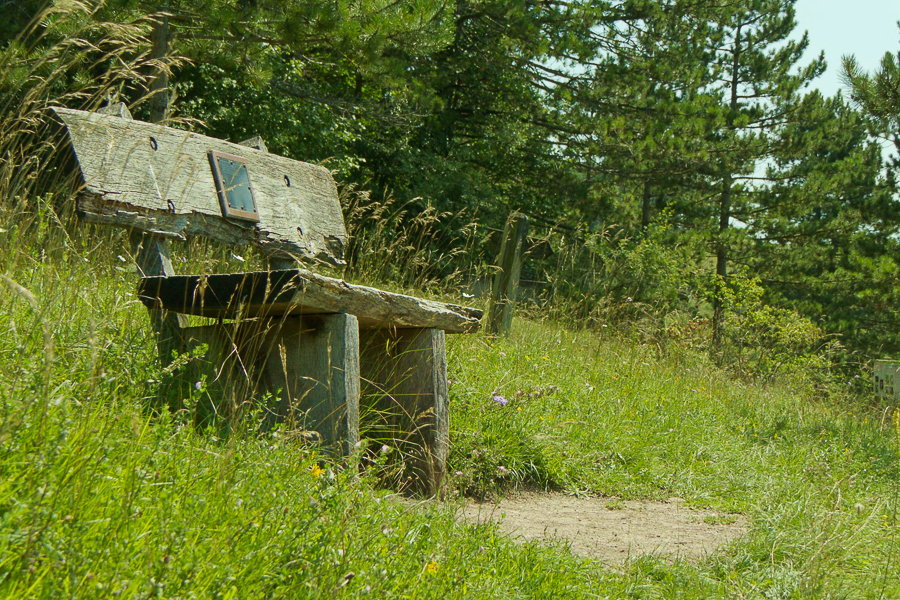
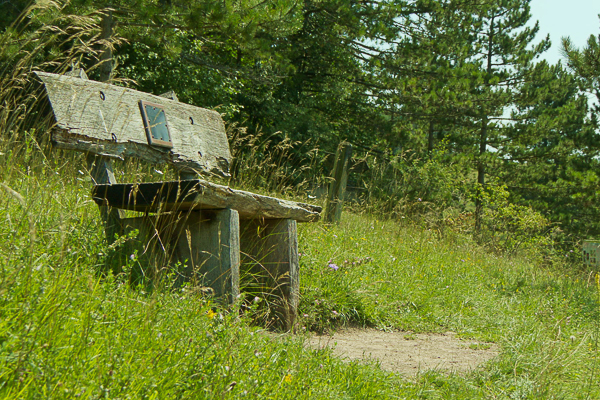
Visitors can explore Aarnescht via a nature trail equipped with sixteen informational panels that guide hikers through the heart of the reserve. The trail winds along the ridge, offering panoramic views of the Niederanven valley, while highlighting the rare flora and fauna of this Mediterranean-like microclimate. Named after the ridge it occupies, “Aarnescht” invites walkers to experience a landscape where the flora and fauna feel almost transplanted from elsewhere, showcasing Luxembourg’s hidden ecological treasures.