 Credit: natur&ëmwelt
Luxembourg has what is known as a Temperate Climate in which winters are generally mild and summers comparatively cool, with rainfall that can be high; its flora and fauna have thrived in and adapted to this climate over the centuries and millennia, with ongoing challenges due to pollution and recent climate change, as well as the introduction of non-native species, resulting in disruptions to the norm.
Nevertheless, with various initiatives and organisations helping the ecosystem and habitat, including sustainability and re-wilding, there is a lot happening in nature across the Grand Duchy.
Chronicle.lu has teamed up with natur&ëmwelt (the non-profit organisation (naturemwelt), the foundation (Hëllef fir d'Natur) and the Wildlife Care Centre (Flegeestatioun) for a series of articles on Luxembourg's nature reserves, in which we look at the natural habitats that preserve biodiversity and protect ecosystems from development, pollution and intensive agriculture.
No. 35 in this series focuses on the Brill Nature Reserve.
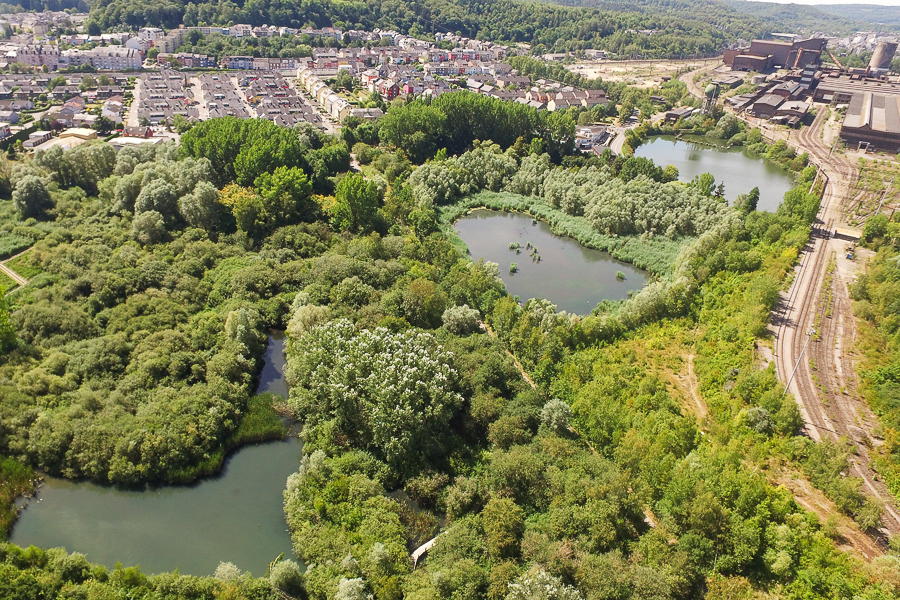
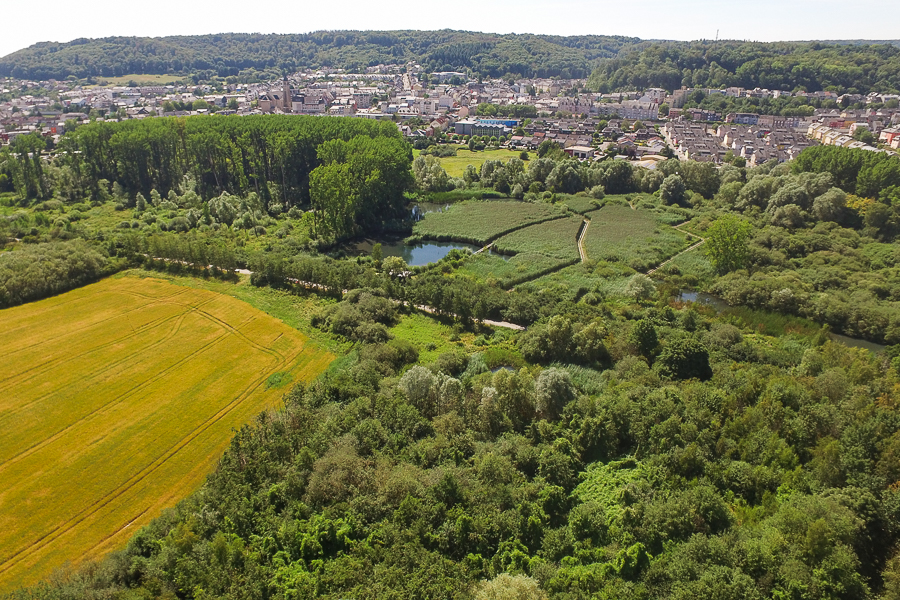
Nestled between the steel industry site, the southern collector canal and the Um Monkeler industrial zone, the Brill Nature Reserve in Schifflange is a small but remarkable biodiversity hotspot. This green oasis is particularly significant for wetland birds and supports a rich assemblage of flora and fauna typical of marshy environments.
The name “Brill” comes from the Germanic word Brühl, meaning wet meadows near villages. Historically, the site was part of an extensive alluvial area that gradually shrank due to urbanisation, industrial development and the rectification of the Alzette River in the 1950s.
Ecological restoration and management
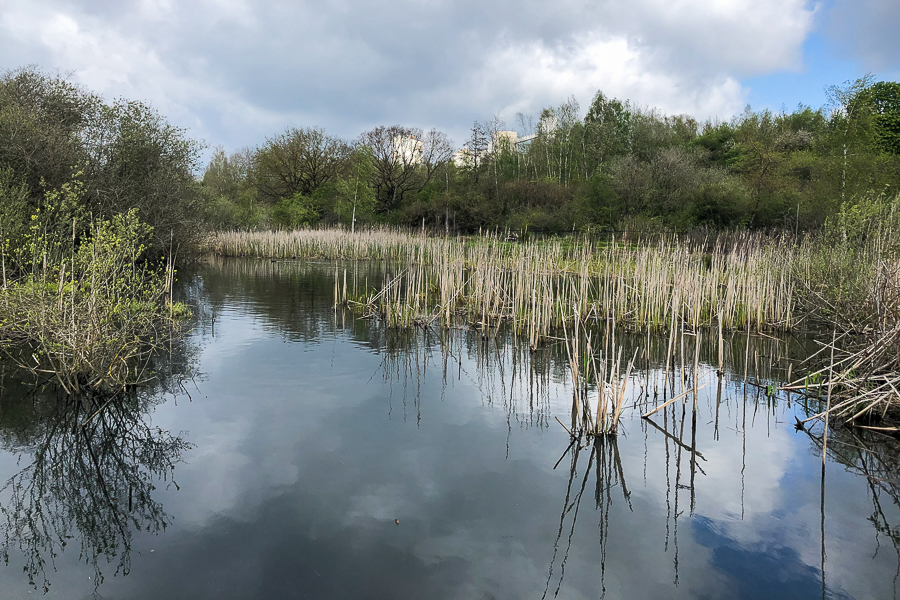
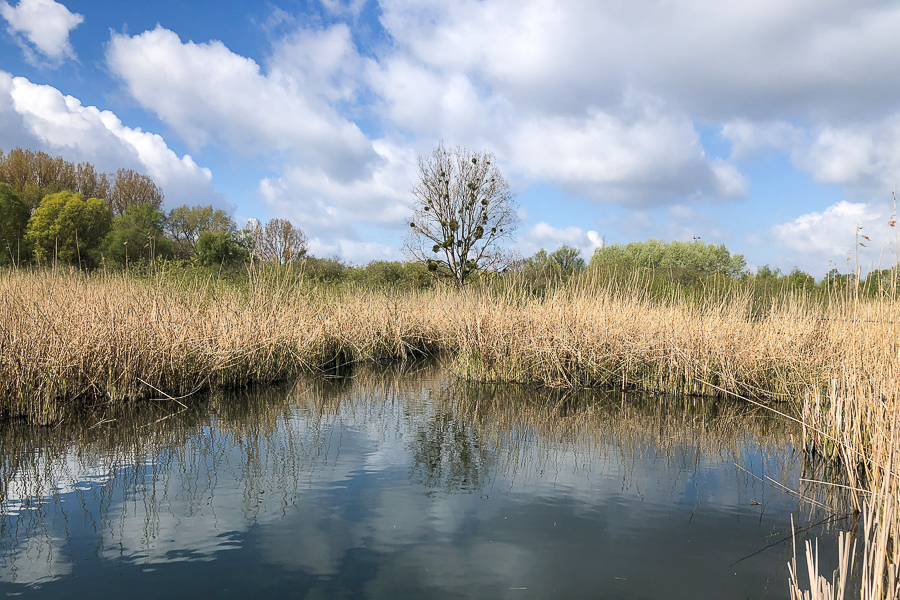
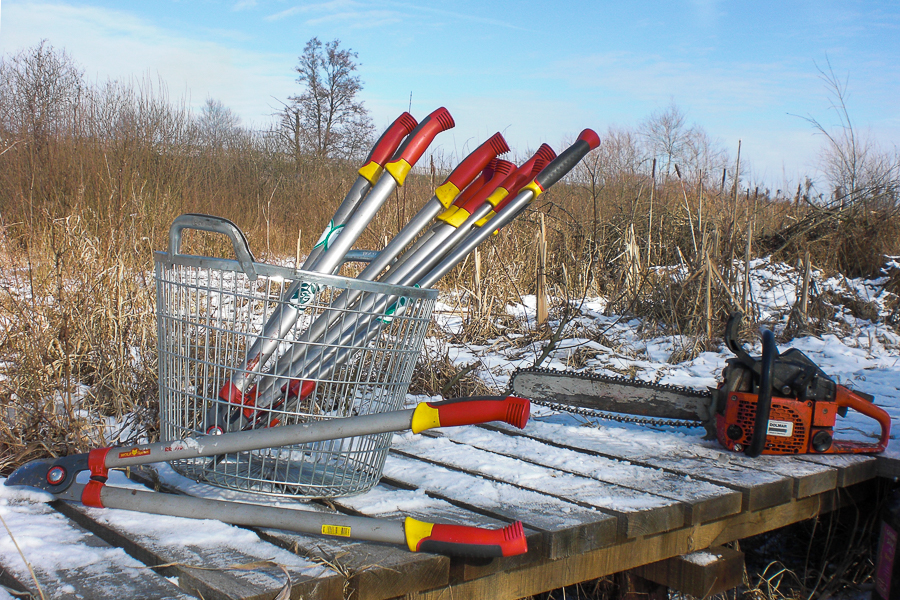
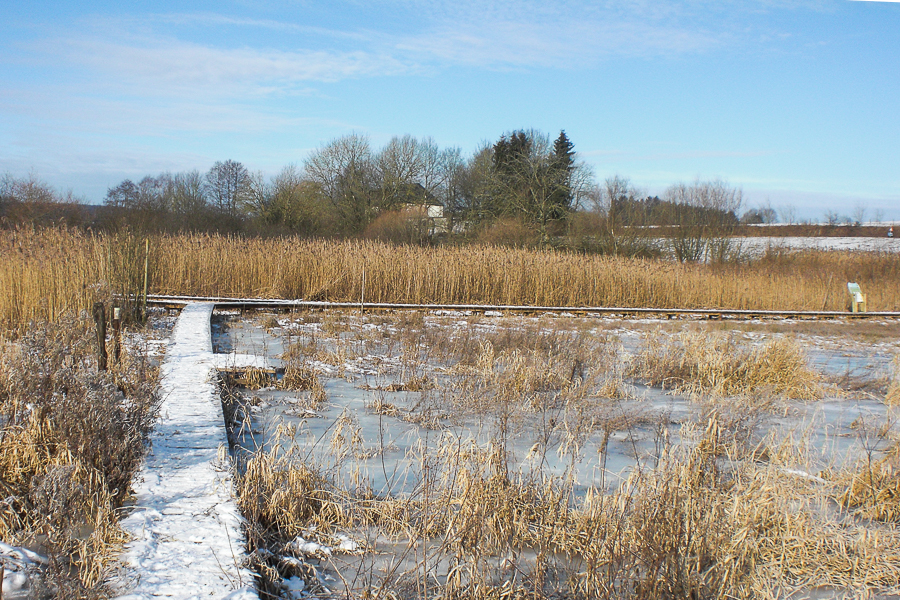
Thanks to early conservation efforts, the first restoration measures were implemented in 1981, including the creation of ponds and the acquisition of the site by the Luxembourg State. natur&ëmwelt also acquired a small plot within the reserve. Today, the heart of Brill — its reed beds and ponds — represents the area of greatest ornithological interest. Reed beds naturally filter water, provide breeding grounds for fish and amphibians and create essential cover for nesting and migratory birds.
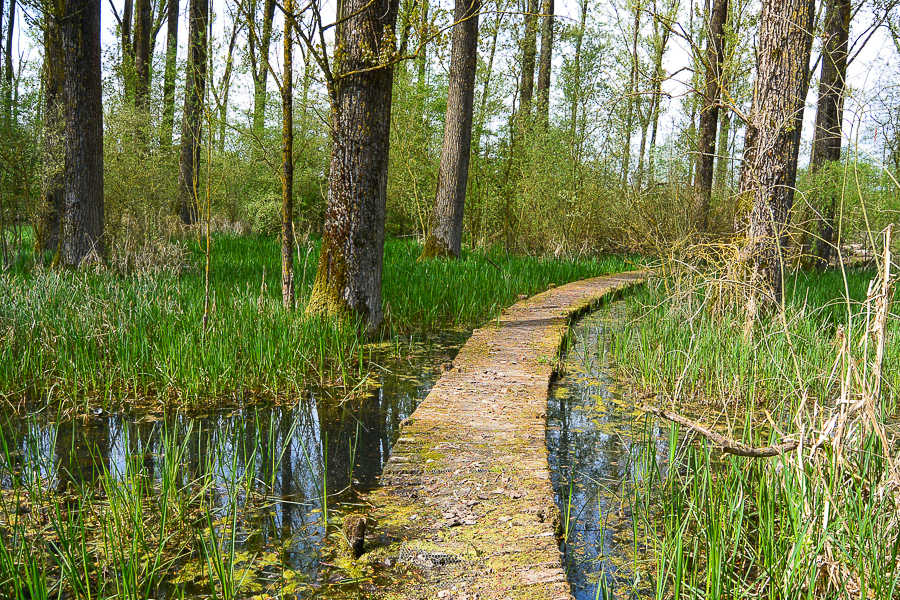
In 2000, Brill became the first Alzette River renaturation project under Life Alzette. Measures included widening and raising the riverbed to restore natural water flow through the poplar groves. Poplars planted in the 1950s, now often standing in water, are gradually dying and being replaced by a developing alluvial forest.
Flora and fauna highlights
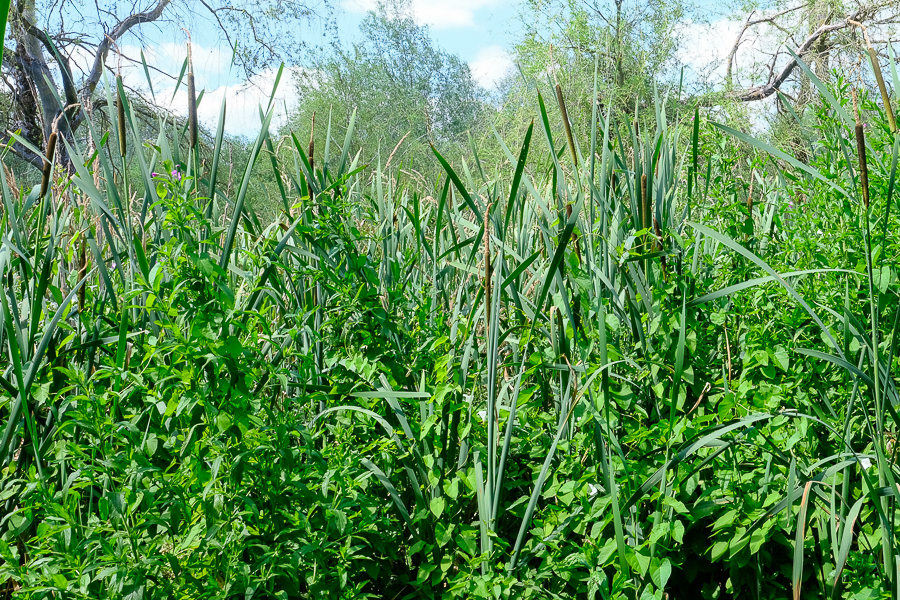
The broadleaf cattail (Typha latifolia) is emblematic of Brill’s wetlands, reaching heights of 1.5m to 3m. It plays multiple ecological roles: filtering water, providing rhizomes as food for small mammals and offering shelter for birds.
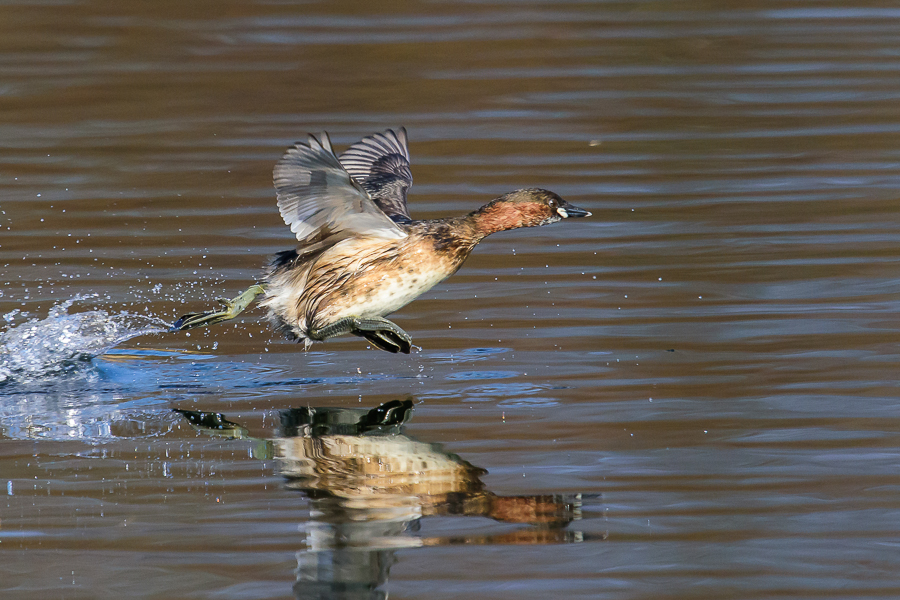
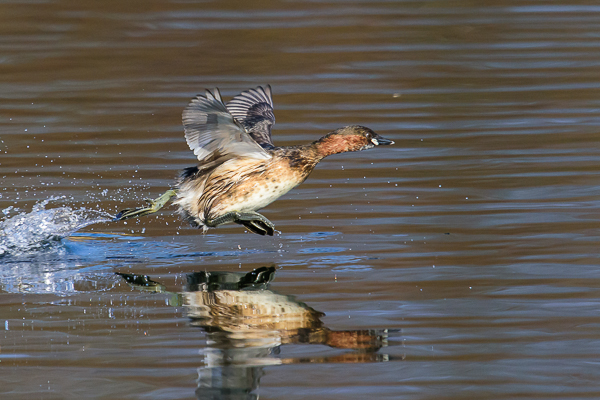
Among the avifauna, the little grebe (Tachybaptus ruficollis) stands out as the smallest member of the grebe family. Remarkably, it can breed twice a year and feeds mainly on insects, but also consumes small fish, crustaceans, amphibians and molluscs.
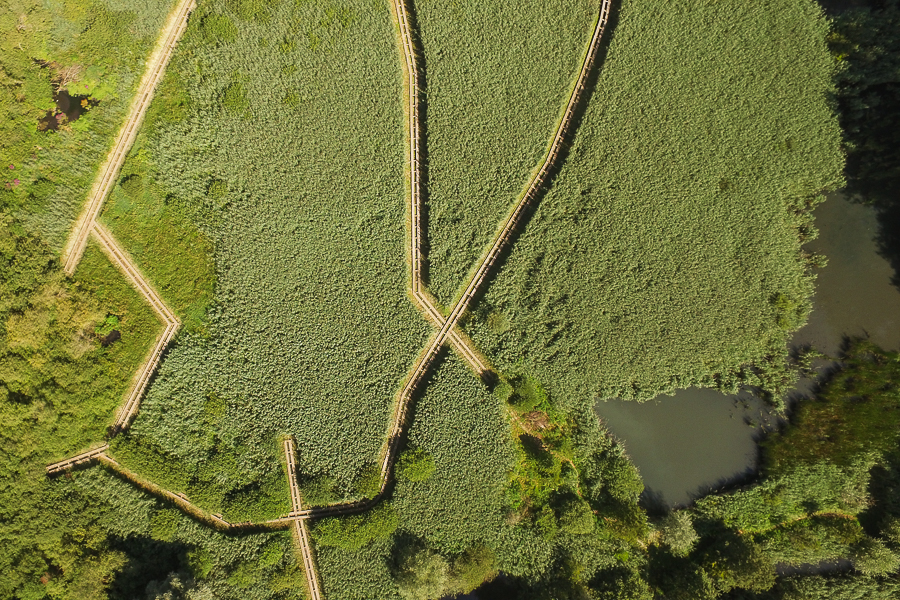
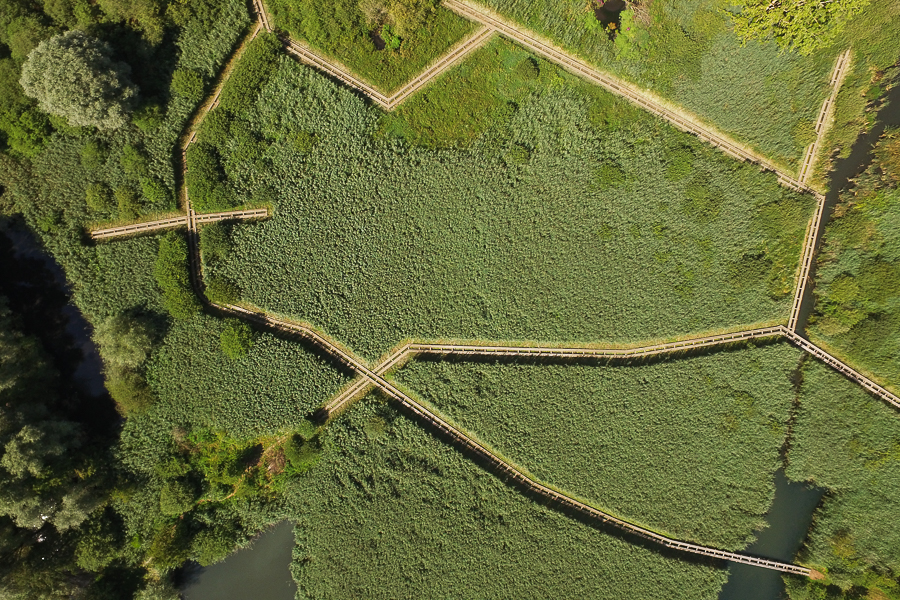
The aquatic sweetgrass (Glyceria maxima) forms dense herbaceous stands within the poplar groves and alluvial forest, creating a unique habitat structure along the boardwalk trail that runs through the site. Along this trail, educational panels guide visitors, presenting the reserve’s ecological value and its distinctive features.
Research and observation
At the centre of the reserve, a bird ringing station attracts amateur and professional ornithologists year-round, who monitor and inventory the bird populations that breed and migrate through Brill. This research contributes to the understanding and conservation of wetland ecosystems in southern Luxembourg.