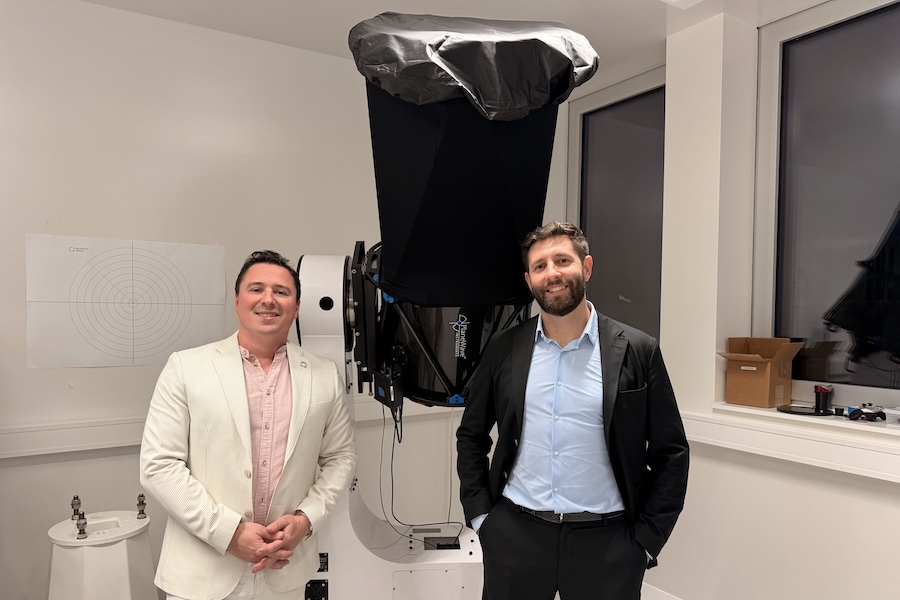
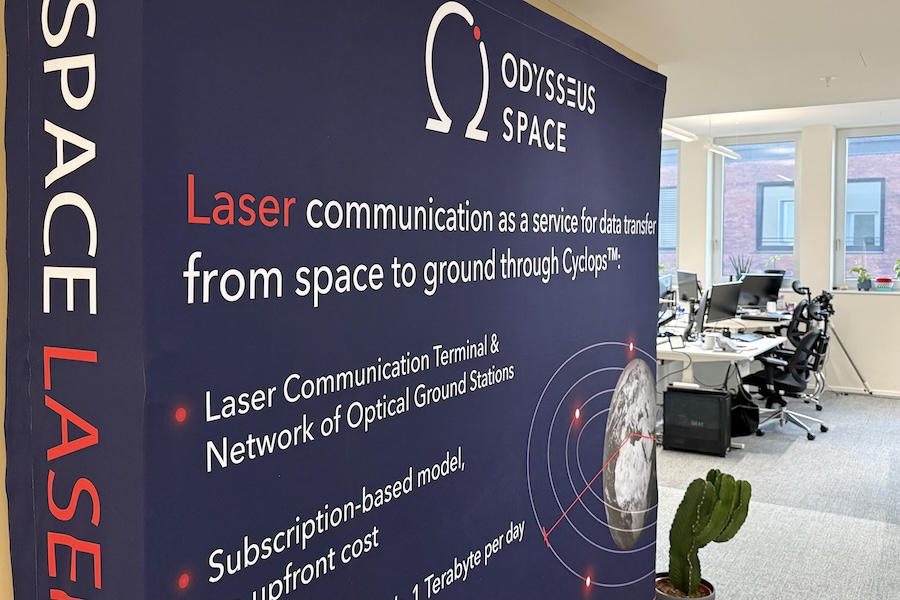
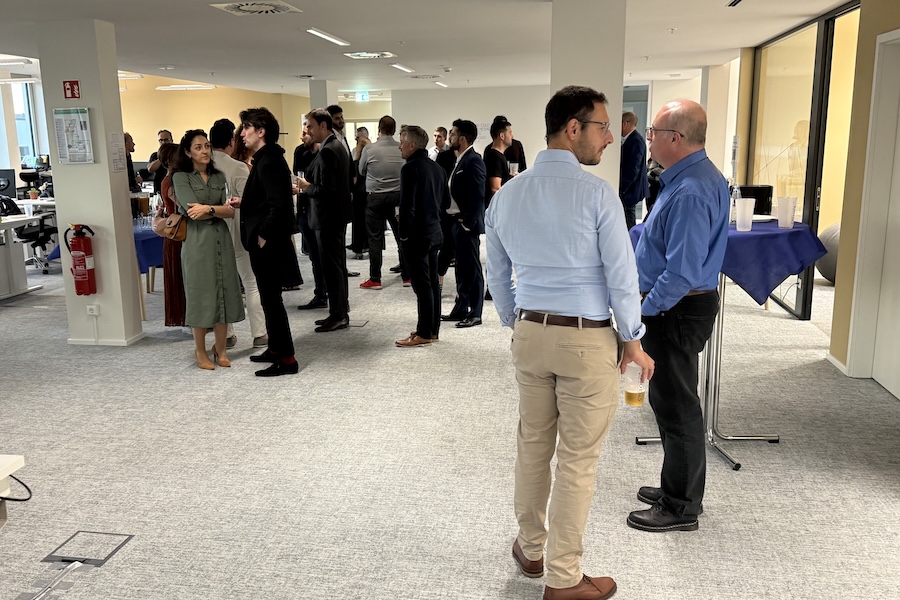
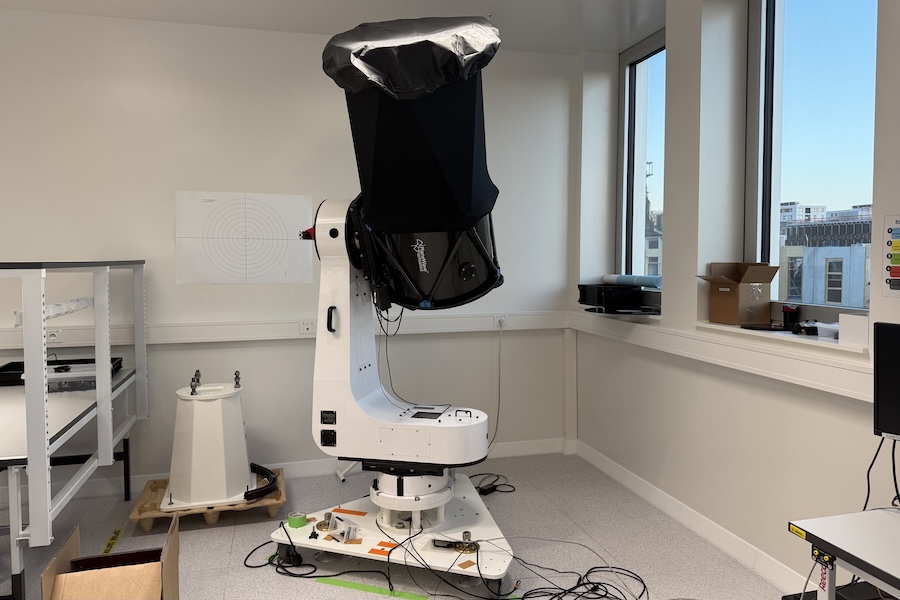
 Credit: Ievgenii Karanov, Chronicle.lu
On Tuesday 22 September 2026, Luxembourg-based space communications company Odysseus Space opened its new 1,000-square-metre office in Belvaux, comprising workspaces, a staff recreation area and laboratory facilities.
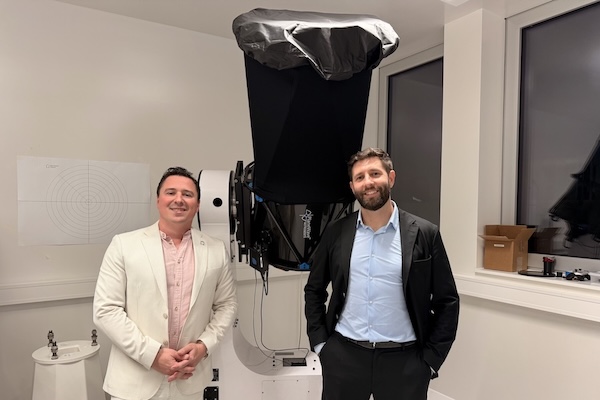
Founded in 2019, Odysseus Space currently focuses on space-to-ground laser communications. The company develops terminals for installation on satellites, as well as optical ground stations, with the aim of transmitting data between space and Earth. It currently employs 35 people.
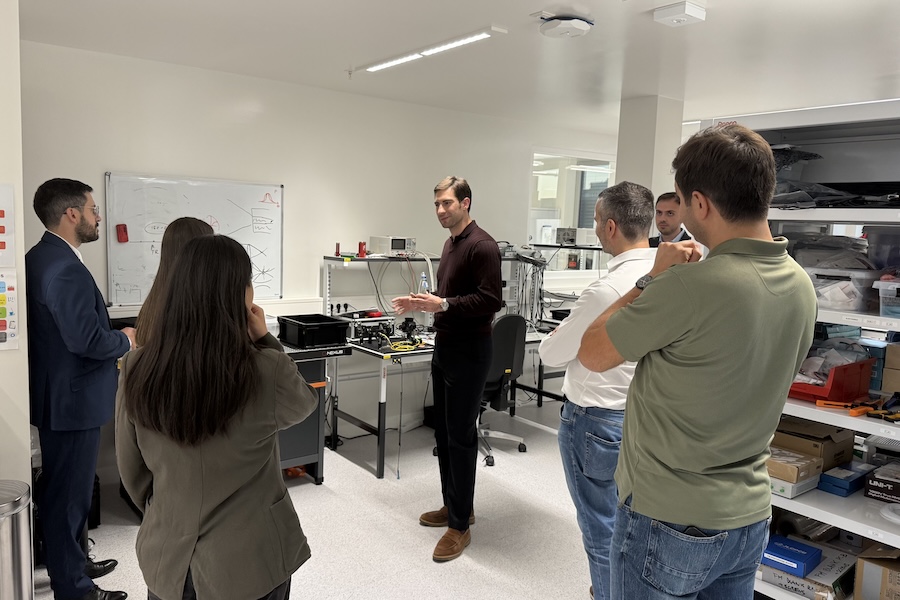
Around 50 guests attended the opening event, which included guided tours of the company’s laboratory and presentations on its activities. Visitors could also take part in a quiz and various activities, including table football and cornhole, with music provided by a live DJ.
“We were in an incubator before. Now we are in this new office, and the big change is that we have also built our own laboratory and our own clean room. We now have the capacity to produce actual space systems,” Jordan Vannitsen, CEO and Co-Founder of Odysseus Space, told Chronicle.lu.
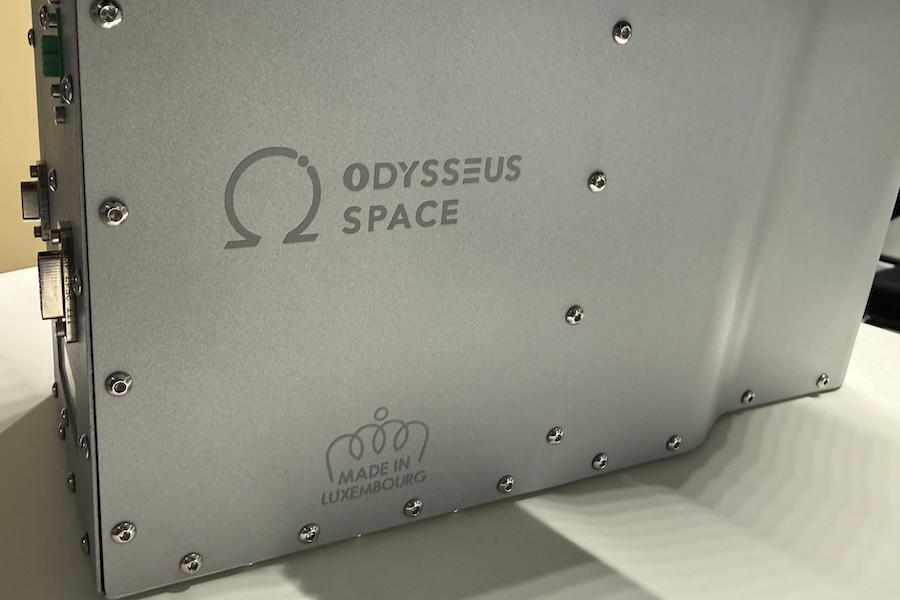
Jordan Vannitsen explained that the company’s primary focus is Cyclops, its space-to-ground laser communication solution. Odysseus Space has delivered its first flight model, which is currently being integrated into a satellite in Germany ahead of a planned SpaceX launch in February 2027. The company also plans to deploy its first optical ground station in Spain in the coming months.
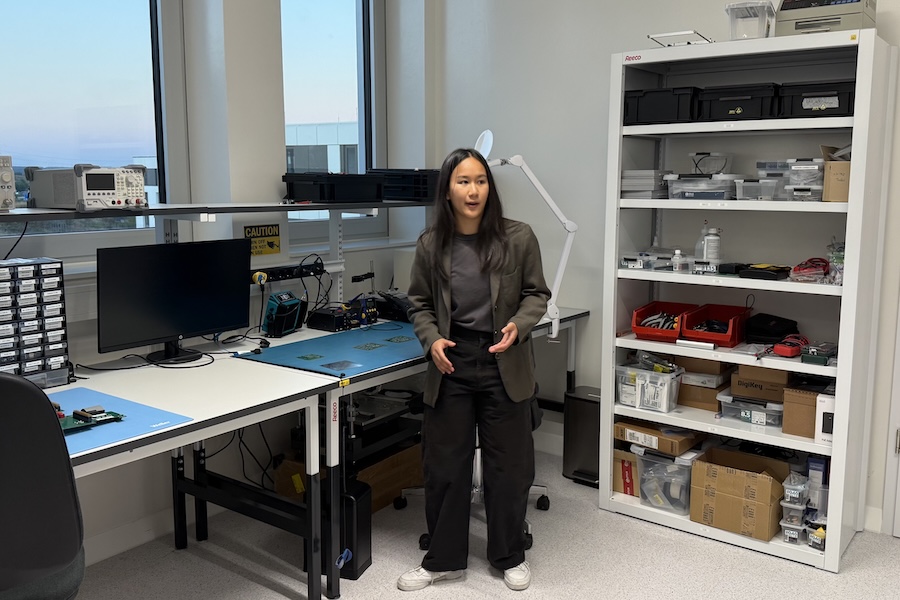
During the laboratory tour, guests saw the company’s 3D-printing equipment, electronics prototyping and testing workstations, optical testing systems and one of its two clean rooms. The facilities allow the team to develop, assemble and test components for its communication terminals on site.
Looking further ahead, Jordan Vannitsen said Odysseus Space intended to demonstrate its Cyclops technology in orbit in 2027 before beginning commercial operations. “Our goal is to deploy an orbital data grid, with modules on different satellites communicating with each other in a collaborative way,” he concluded.