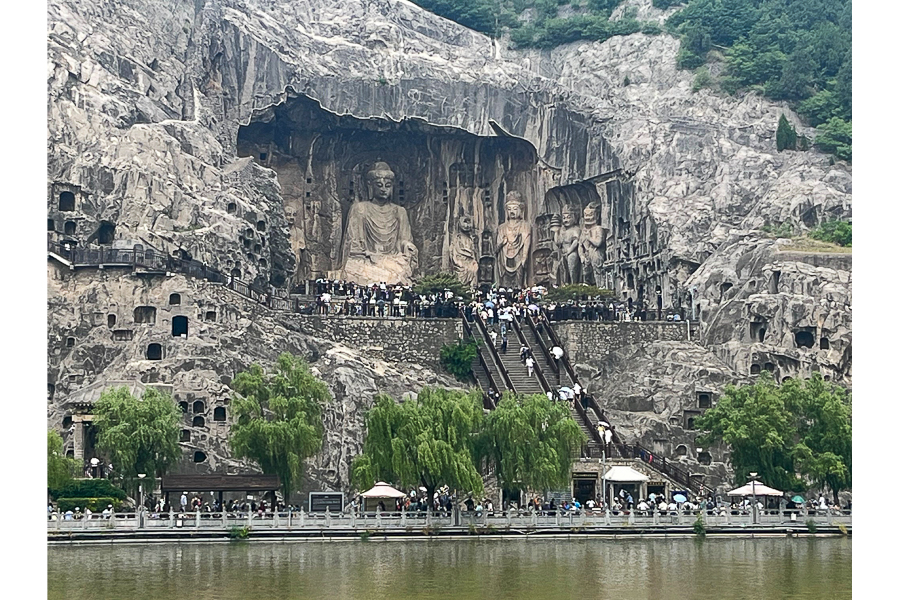
 Longmen Grottoes, Luoyang, Henan, China;
Credit: Chronicle.lu
Longmen Grottoes, Luoyang, Henan, China;
Credit: Chronicle.lu
Continuing my series of articles on my recent visit to Henan proving in China, this one focuses on Luoyang, the ancient capital.
LUOYANG
The city of Luoyang has a population of around seven million people; it is similar to Zhengzhou in many ways, including architecture and road networks, but with the main visual difference being that the main roadside floral displays are peony (roses) with the city holding a Peony Festival in April, with many cherry blossom trees lining streets too.
One noticeable change from being here two years ago was that, while the road network is still substantial with multi-lane dual carriageways throughout, it seemed that many road surfaces had deteriorated; its take-out and delivery culture had grown significantly too.
Luoyi Ancient City
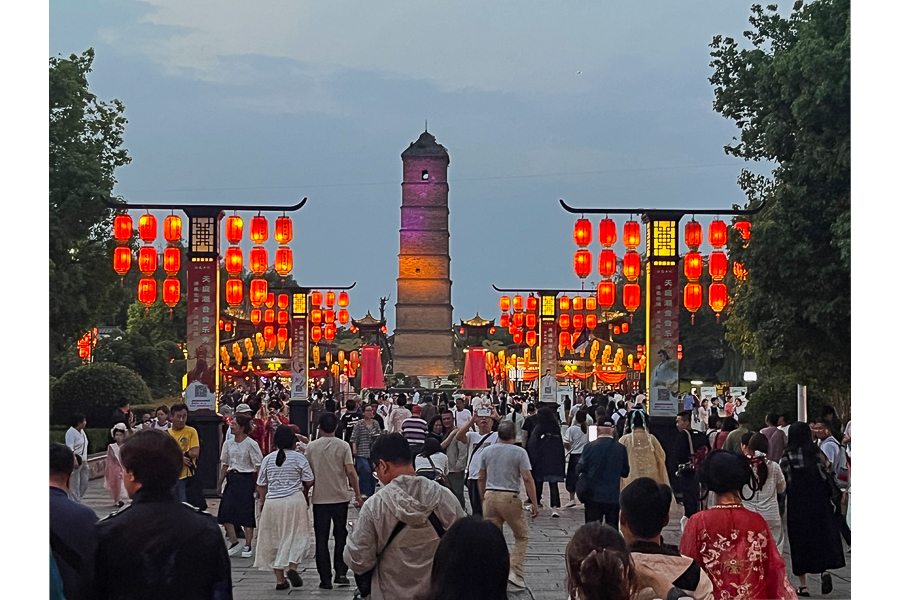
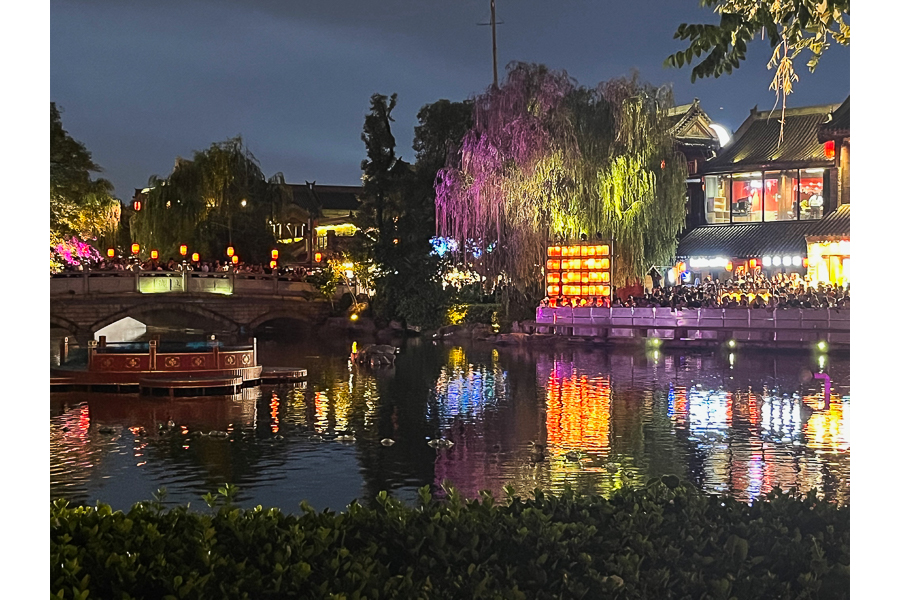
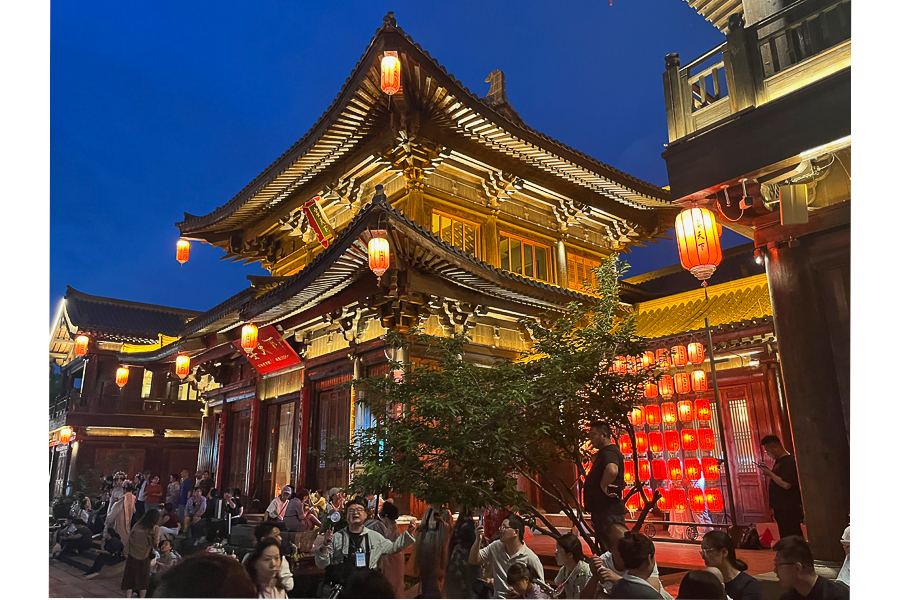
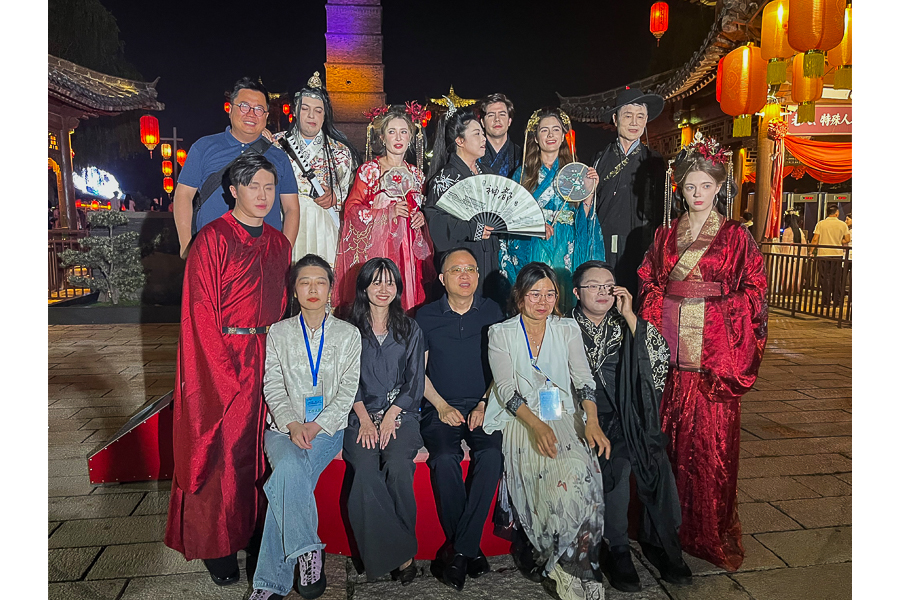
On the penultimate evening, the group ventured downtown to the Luoyi Ancient City where many people, including locals, can rent costumes to dress up and stroll around the public park, having the photographs taken.
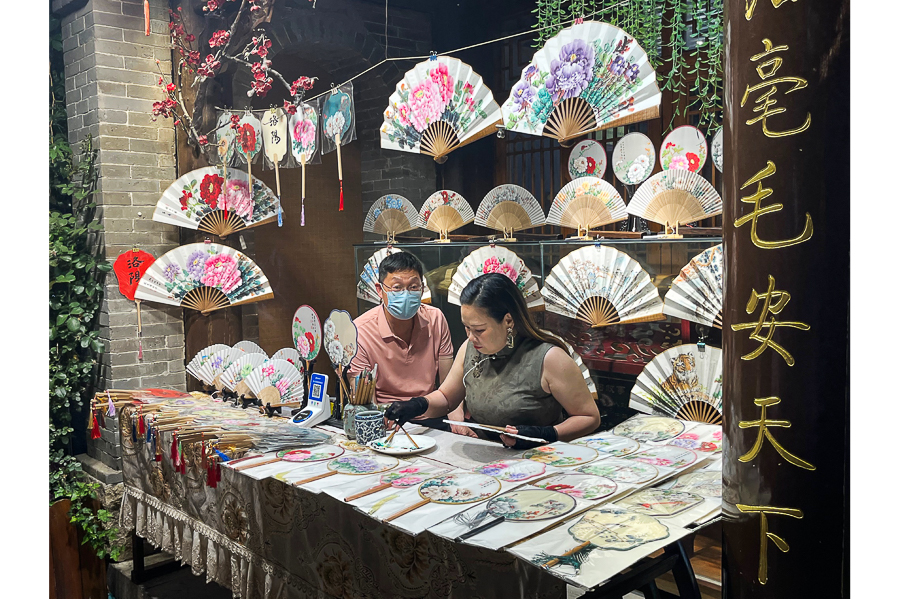
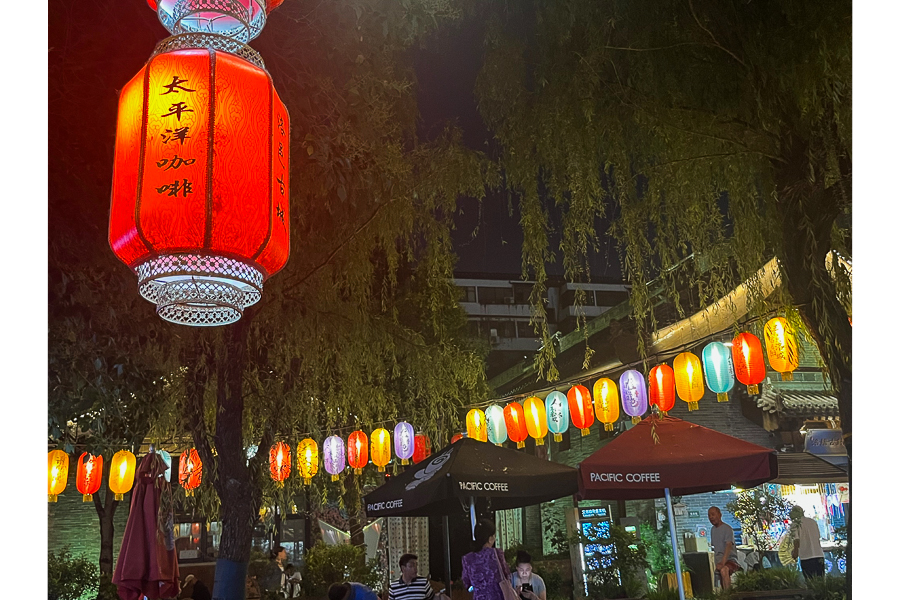
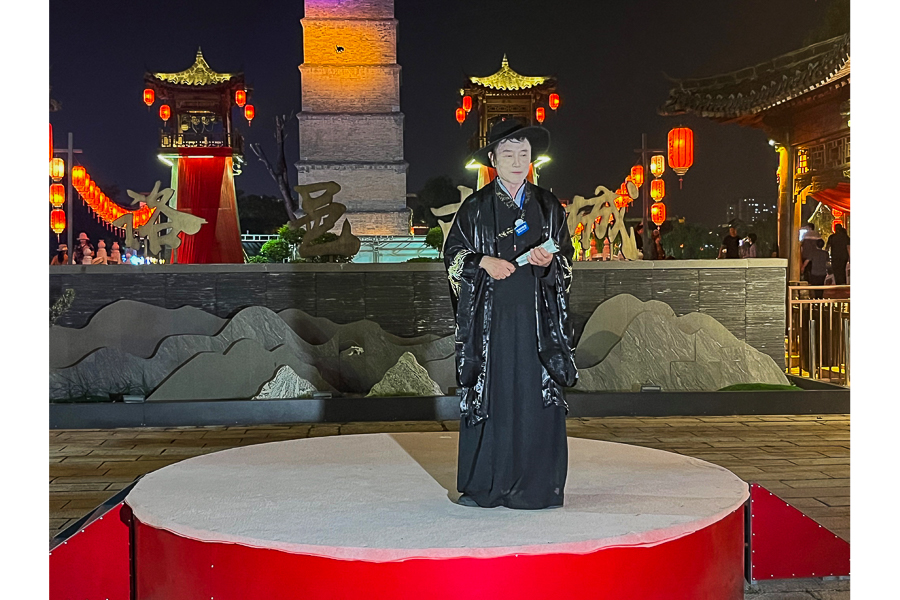
The pedestrian area is festooned with Chinese lanterns and lights, and is lined with cafés, restaurants and souvenir shops, with a central pond allowing for short entertainment performances.
The area used to be a river/canal port in ancient times, enabling visiting dignitaries to arrive by boat instead of overland; and the central tower still has a large, gaping hole in one side, a reminder of the Japanese invasion in 1937.
Longmen Grottoes
The last stop of the tour was arguably the most anticipated and, even though I had been there two years ago, for most of the group it was their first time. I'm glad it was the second time as I felt that I had got much from it the first time round, being able to spend twice the time and not being rushed.
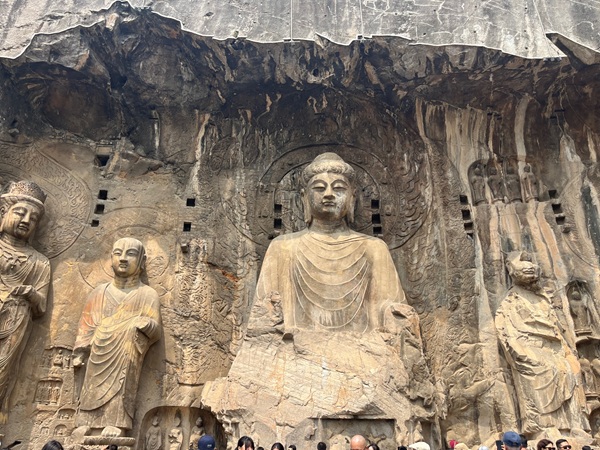
We were able to take in the charm of stone carving art and culture from 1,500 years ago, with limestone rock along the side of the river containing 2,300+ preserved caves and 100,000 statues as well as 80 pagodas, with the largest Buddha 17.4m tall.
The site has been a UNESCO World Cultural Heritage site since 2000, with the styles of Buddhas, etc., having influences from India, Egypt, Greece and Mesopotamia.
For the main / introductory article on my trip to Henan, please click here.