 Credit: Chronicle.lu
In continuing my series of articles on visiting Ürümqi, the capital of Xinjiang in north-western China, this is what we got up to on Day 6 - for the first article in the series, and links to all others, see here.
Bezeklik Thousand Buddha Caves
With temperatures forecast to reach 50C later in the day, the itinerary was adjusted to leave the hotel earlier to escape the most severe heat. At least the humidity was just 12%.
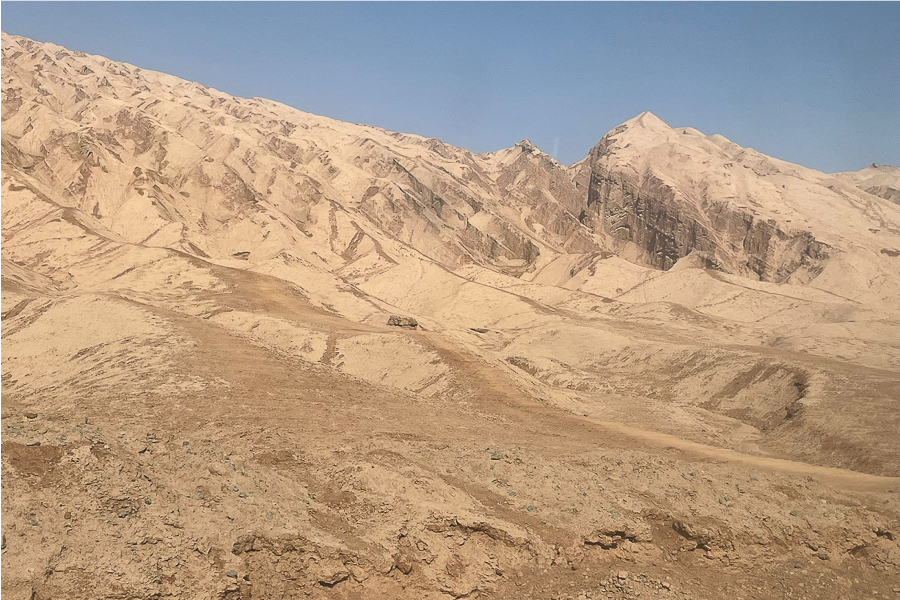
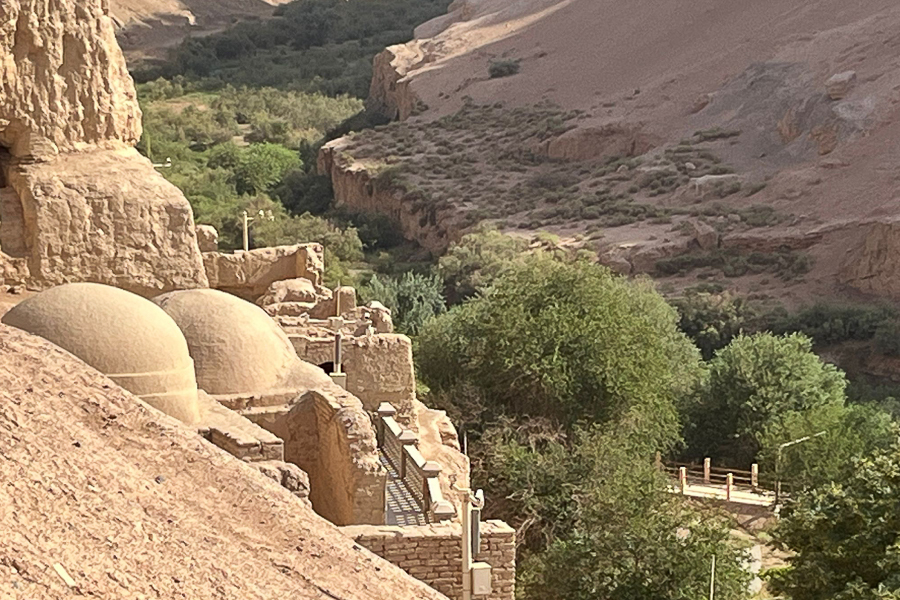
The bus ride to the caves - located in the foothills of the mountains accessible by driving out into the desert - took around three quarters of an hour, passing a number of other tourist sites on the way. Upon arrival, it was noticeable to discover there was a small river running through the valley, resulting in a 10m-wide band of green vegetation.
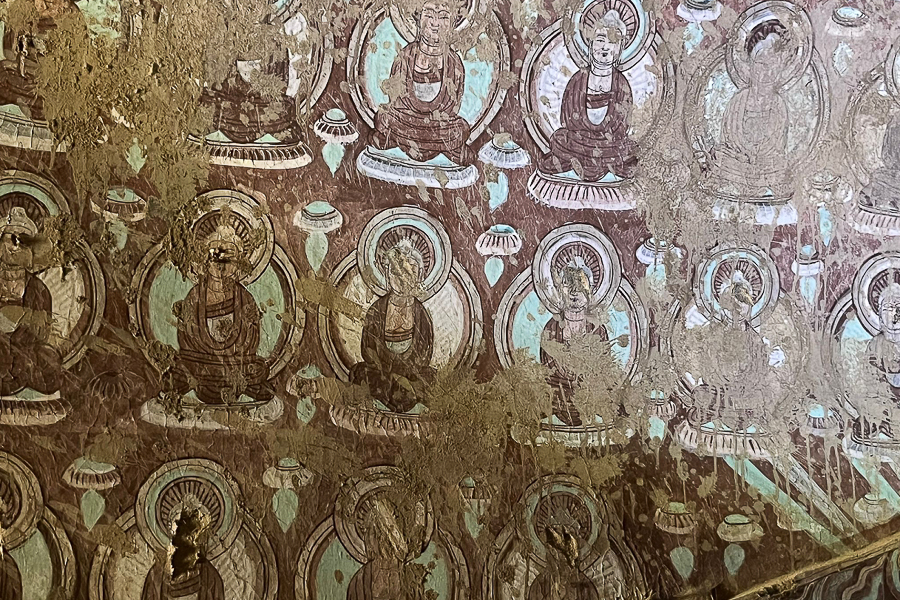
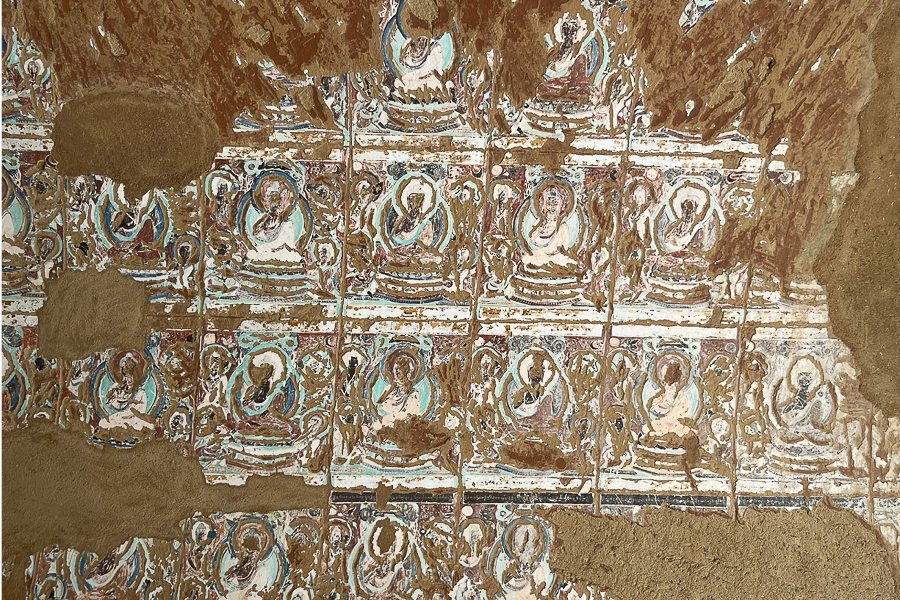
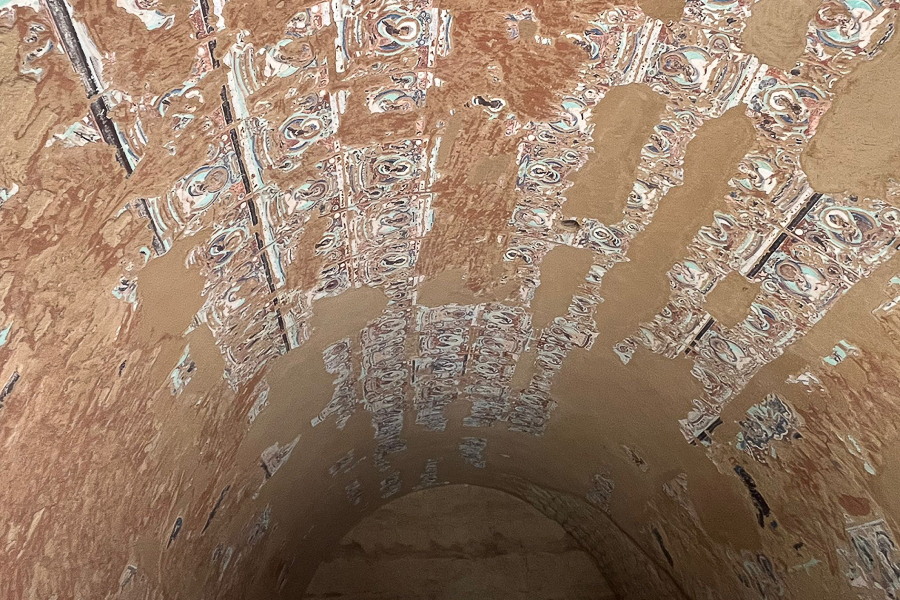
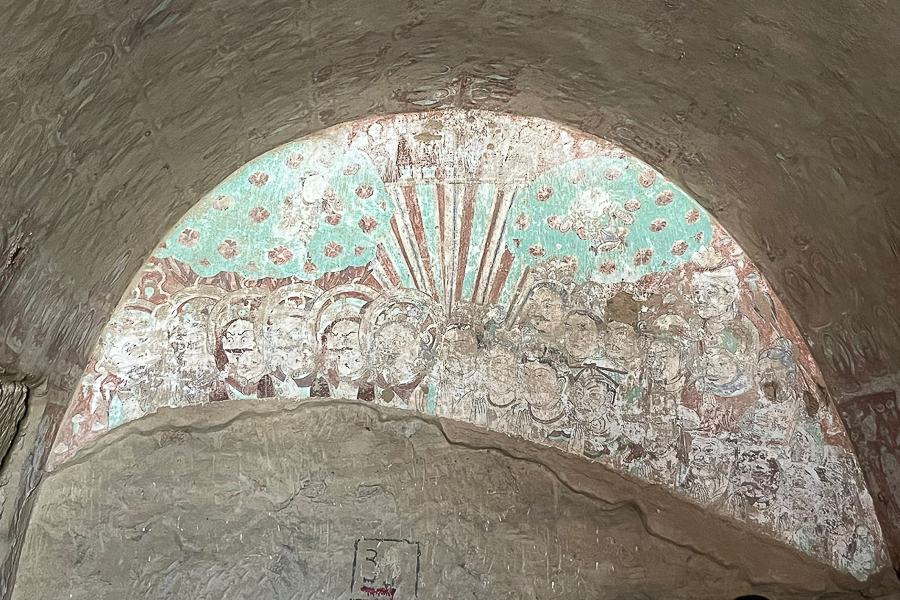
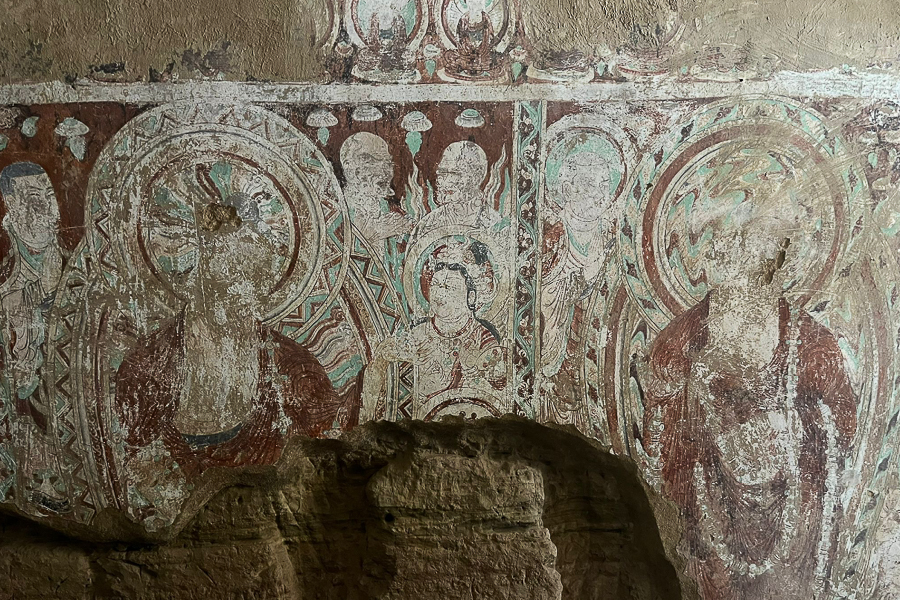
There are the remains of three pagodas at the site where just seven of the dozens of caves / grottoes are open to the public. Cave paintings dating back to the end of the 9th and beginning of the 10 centuries AD decorate the walls and arched ceiling, written in 18 different languages including an ancient Indian language.
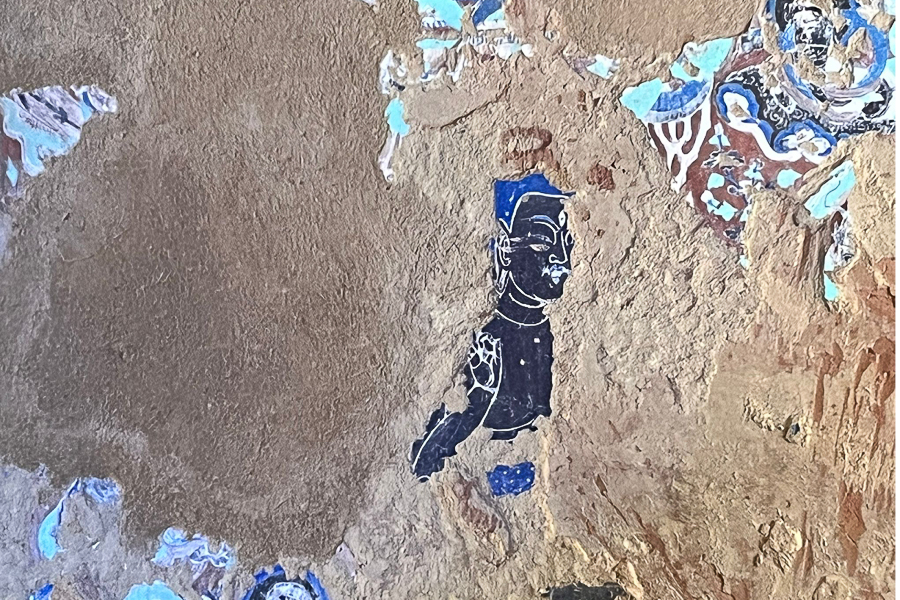
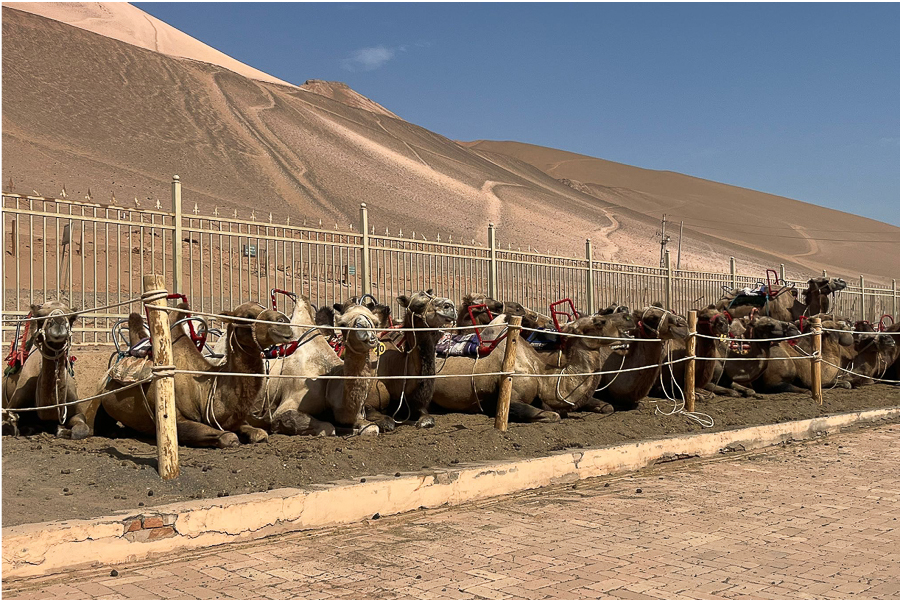
Some early explorers removed rectangular pieces from the murals, and also scraped gold leaf from the small Buddhas murals, and removed others completely from the walls. Other murals were larger, reaching 2m across and 3m high. Animals including donkeys and camels are also depicted, illustrating travel along the Silk Road. There is also some evidence of earthquake activity in the caves.
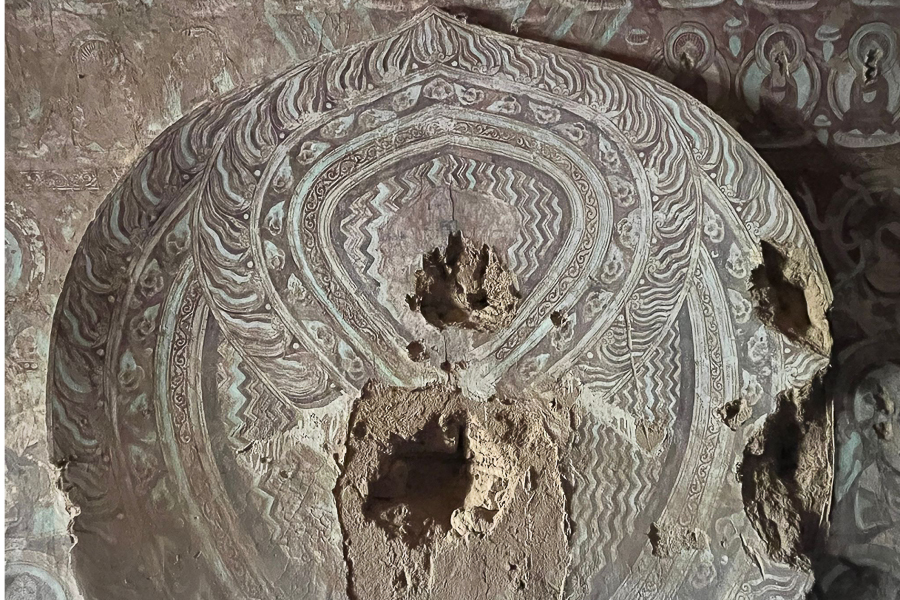
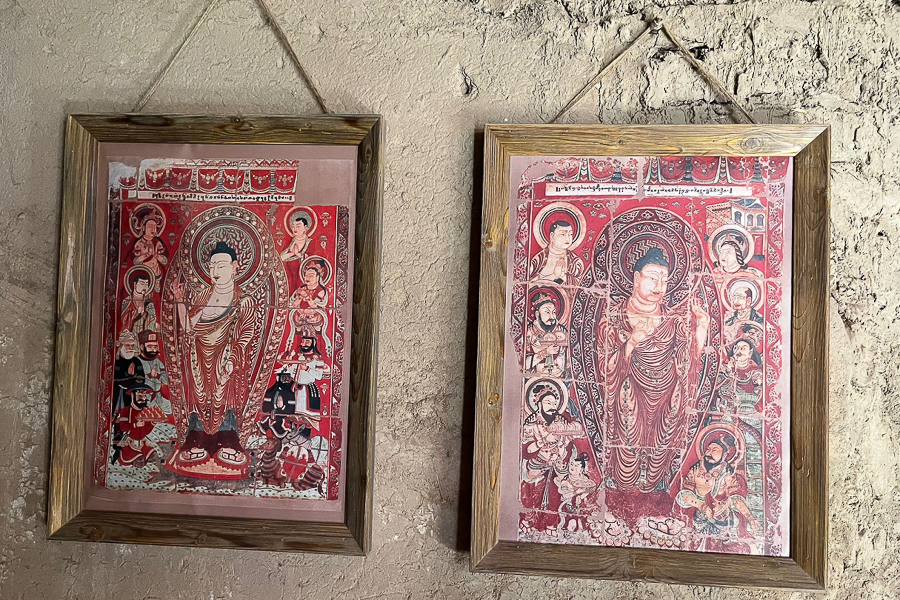
Different grottoes have different architectural styles. And while many Buddha images have been removed or destroyed, the artwork surrounding them is still visible, telling stories as not everyone back then was literate. Different images show people in different clothing, illustrating their social status.
There are no Buddha statues remaining as they were removed or destroyed between the 9th and 14th centuries as Islam became more prevalent.
It was as hot inside the caves as it was outside, so after almost an hour exposed to the desert heat we were glad to get back inside the air-conditioned bus...
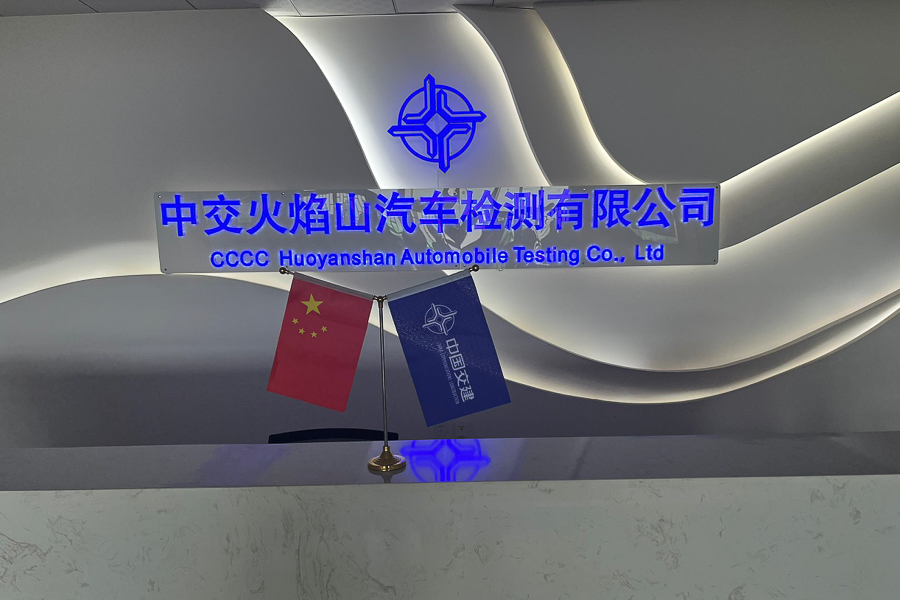
CCCC Flaming Mountain Vehicle Inspection Co Ltd
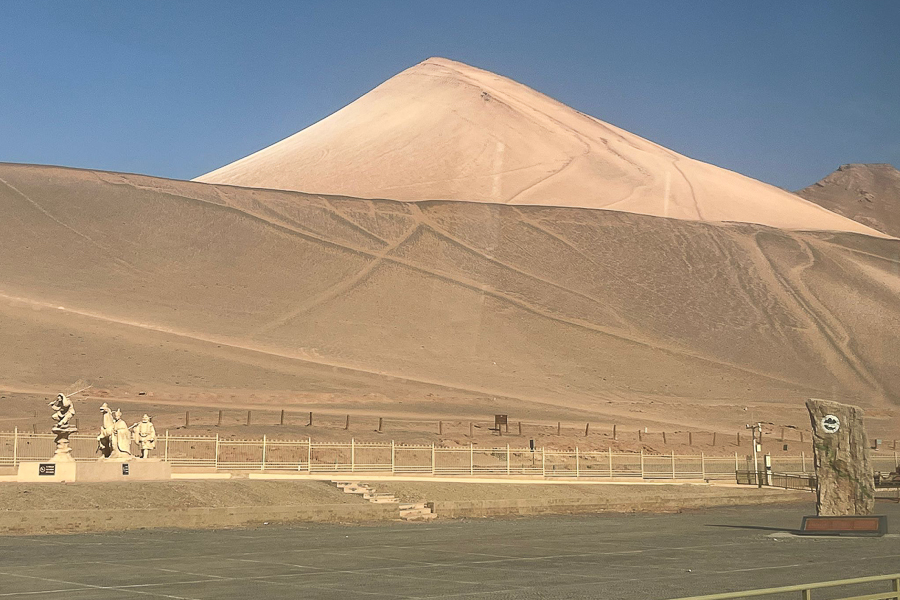
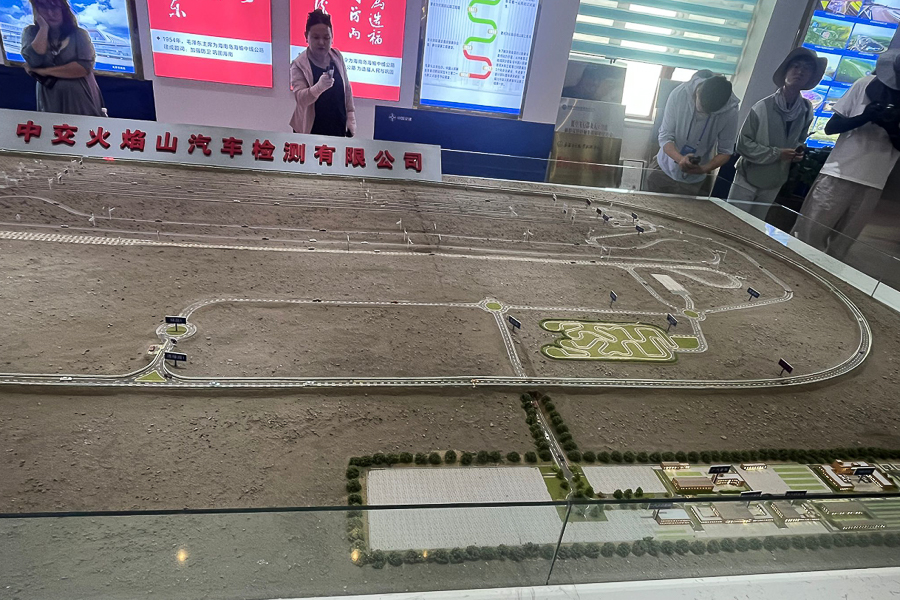
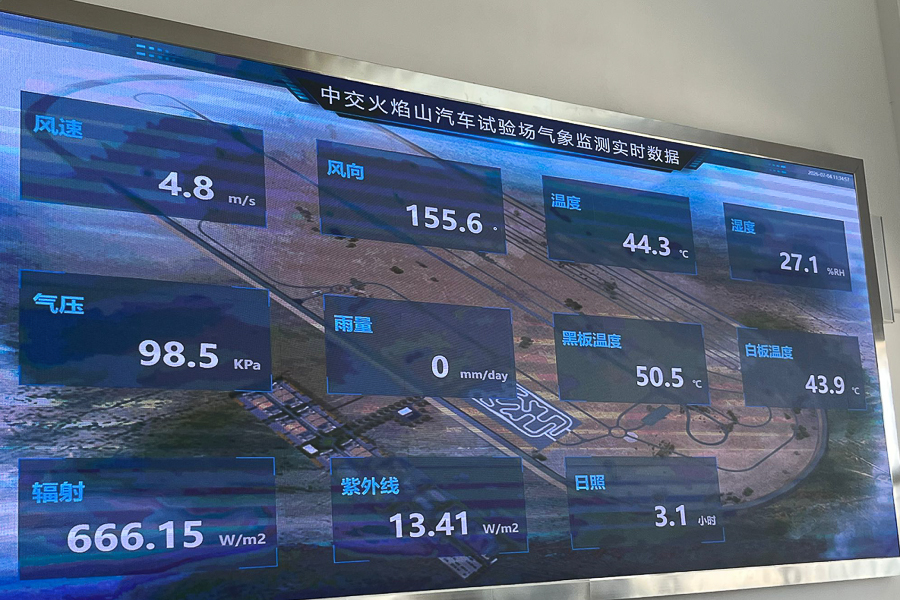
Also located in the desert, this facility in an industrial park is taking advantage of the extreme temperature conditions (partly due to being below sea level in the arid desert) to test new technologies for electric vehicles, seeing how they perform in extreme weather conditions, with 60+ vehicle types having been tested here - not only Chinese brands, but also others such as BMW.
The testing criteria and thresholds are set by the manufacturers.
The main control panels showed the current temperature of 44C, with a high of 50.5C forecast later in the day (the highest temperature ever recorded here was 52.6C).
A company representative presented the facility by way of a scale model of the test facility, and explained that they also use public roads. Most of the cars being tested are two-toned, normally black and white, and are without registration plates, so are easy to spot on the public roads.
They have received approval to also test "flying cars" which are currently being produced in China. The company is currently planning R&D facilities for transportation logistics companies.
Karez Underground Canal
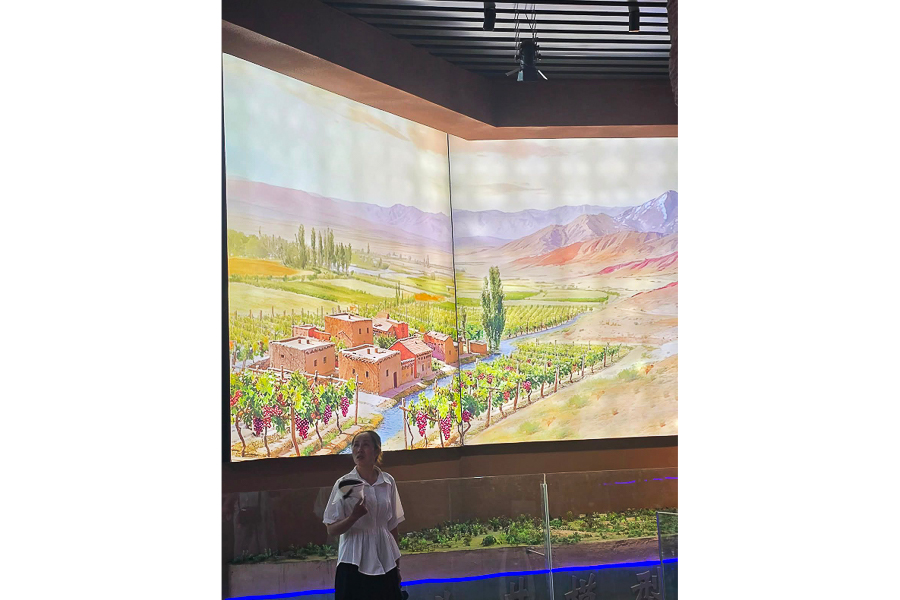
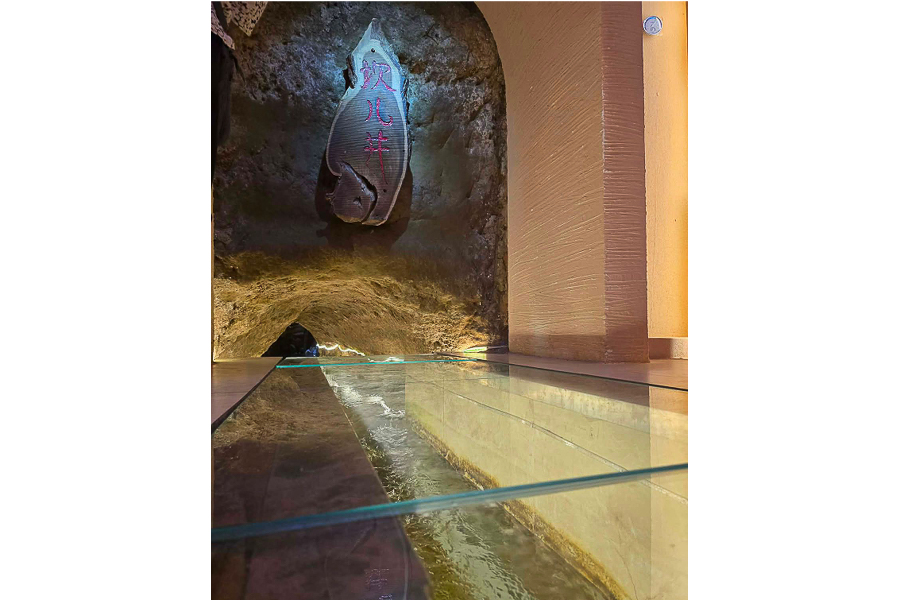
This engineering marvel dates back around 2,000 years and involves a number of underground water channels / rivers / canals that provide water to the region around Turpan without losing much to evaporating in the blistering heat. The water originates from glacial meltwater and precipitation on the Tianshan Mountains; The region's ancestors diverted the water to the outlet by excavating underground canals. Local villagers settled on both sides of open channels for easy water access and around the Karez reservoirs.
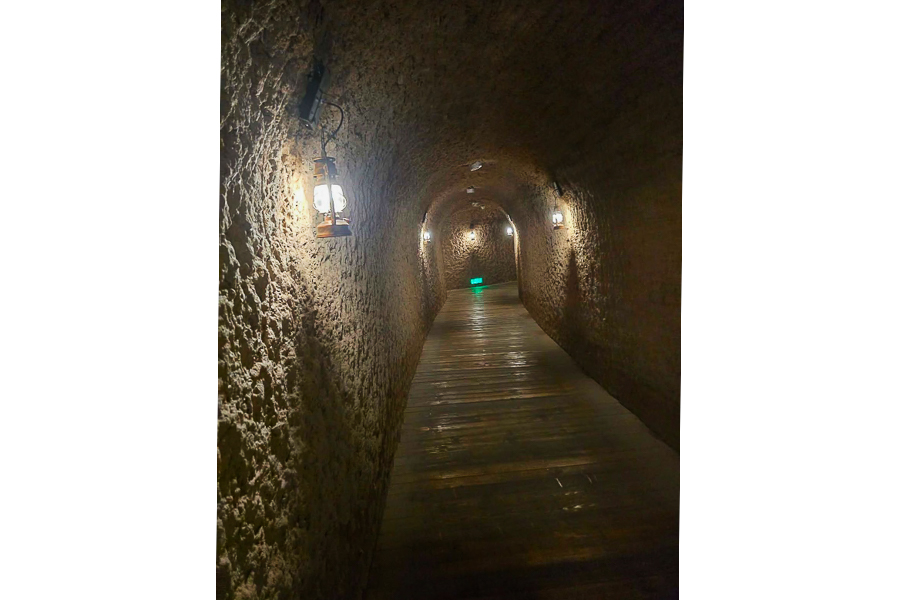
Vertical wells were dug to up to 120m deep, with tunnels connecting the vertical shafts; the water can then be used for daily use and field irrigation. Normally, such vertical shafts were dug every 30 to 40 metres.
The total length of such underground canals of Xinjiang’s Karez stretches some 5,272 kilometres. This system enabled Turpan to become known as a desert oasis on the Silk Road, where travellers could reliably get fresh water. The water temperature inside the underground Karez stays at around 15C all year round.
Together with the Great Wall and the Beijing-Hangzhou Grand Canal, it is hailed as one of the three Great Ancient Projects of China. Alongside the Dujiangyan Irrigation System and the Lingqu Canal, it ranks among China’s three Major Ancient Hydraulic Projects.
At its peak, Xinjiang boasted 1,784 Karez systems, mainly distributed in Turpan and Hami. Turpan once had 1,237 Karez, and Hami had 495. Karez canals can also be found in Urumqi, Mulei and Artux. Over a thousand such wells still exist today; UNESCO is considering it as an official World Heritage Site.
We were shown the Miyim Bay Karez which was dug in 1720. It has a total length of 11 km, making it the longest currently active flowing karez blind canal. It features 440 vertical shafts, and its head shaft reaches a depth of 60 metres. The average water flow in mid-year is more than 200 litres per second, which can irrigate roughly 3,000 m2 of vineyards annually.
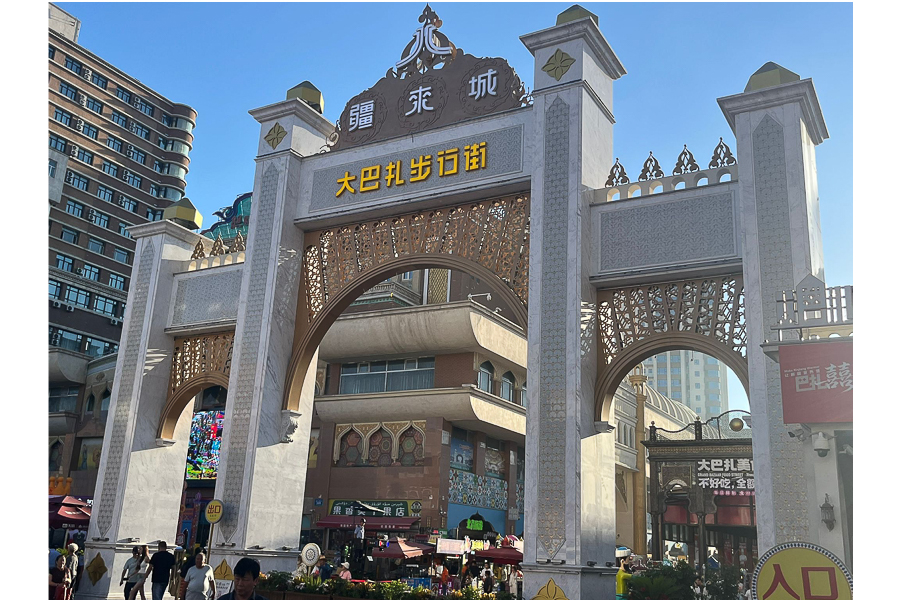
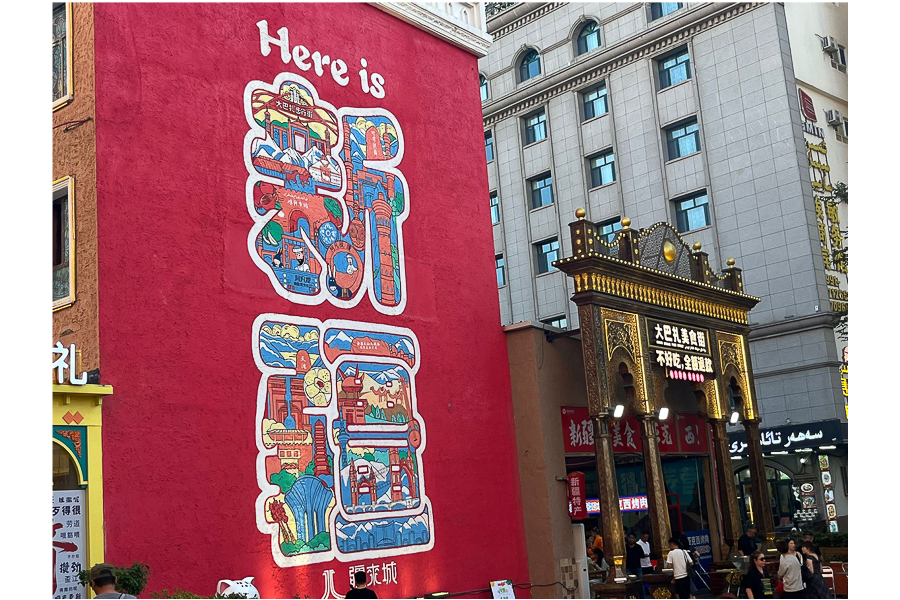
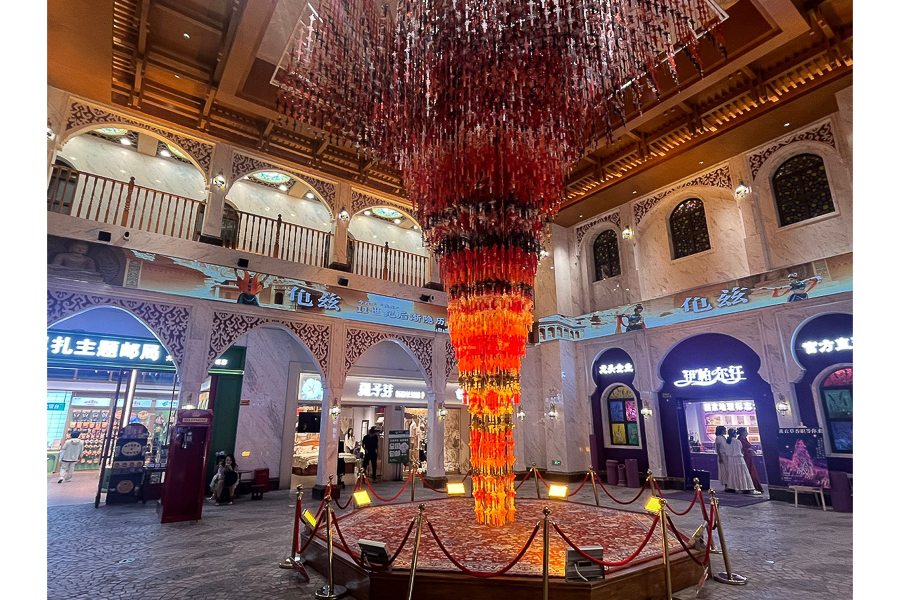
Xinjiang International Grand Bazaar
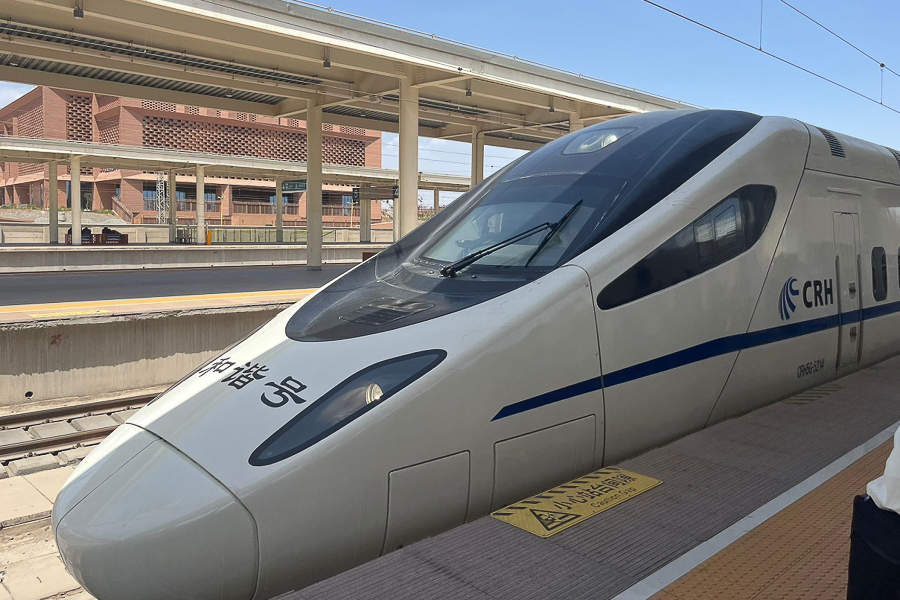
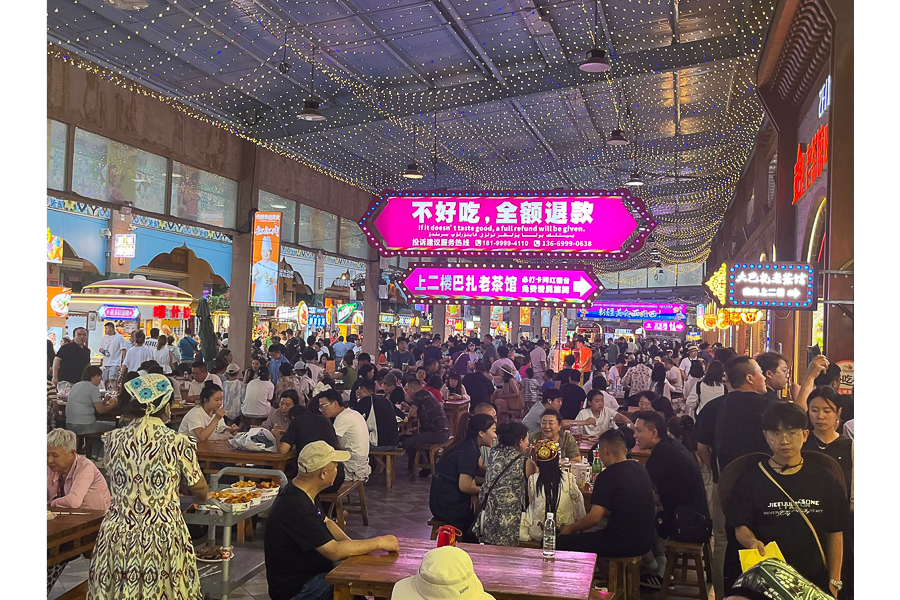
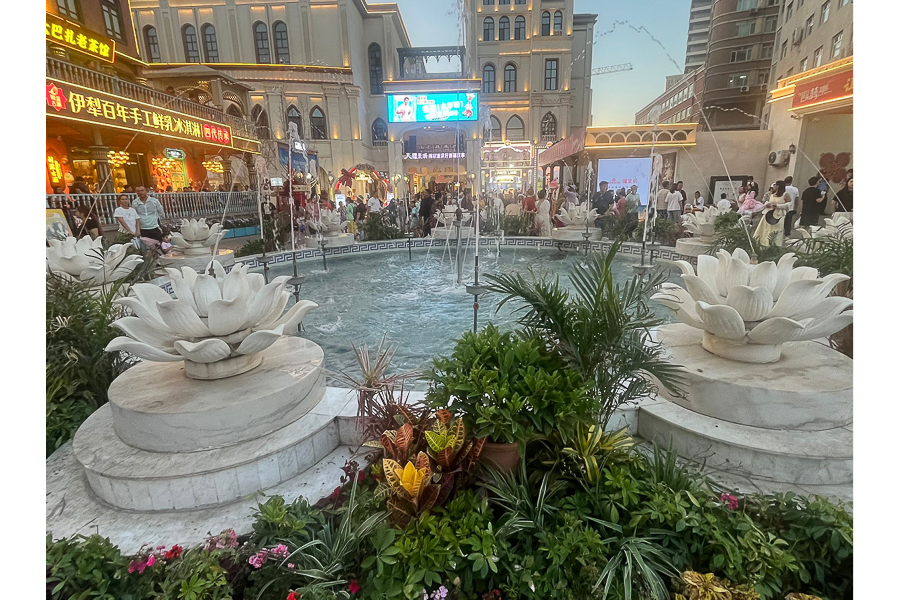
After getting back to Urumqi by high-speed train, we were able to enjoy the local street market downtown.
With security scanners b4eing applied to everyone on their way in, through the numerous entrances, security would allow everyone to leave without checks at all. The area was not unlike Luxembourg city's pedestrianised area, but in Urumqi some streets allowed vehicular traffic to flow, whereas others were definitely for foot traffic only.
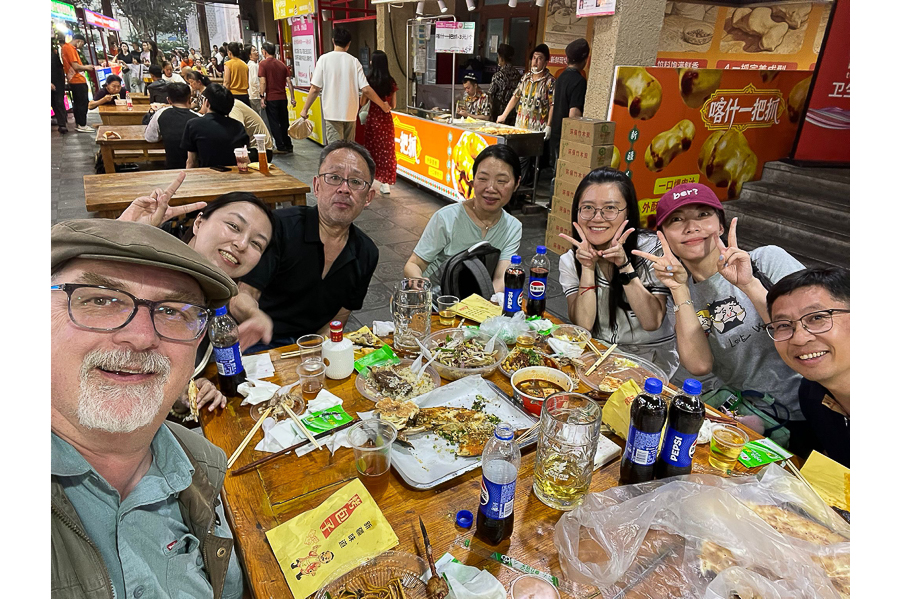
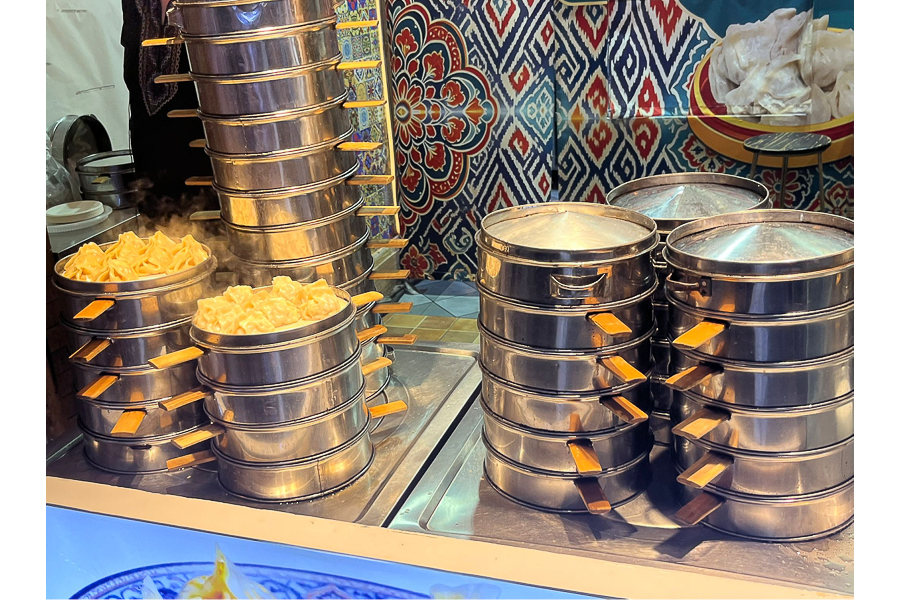
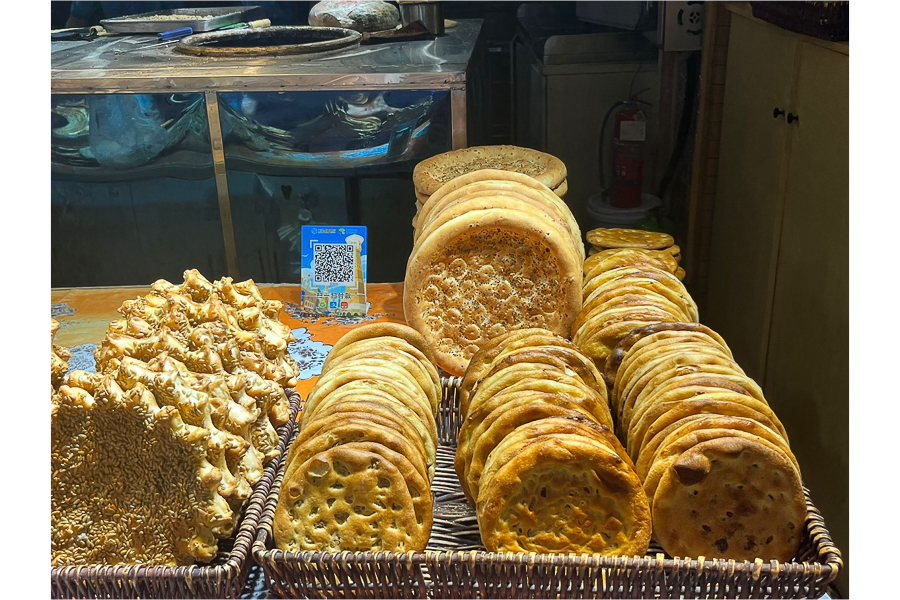
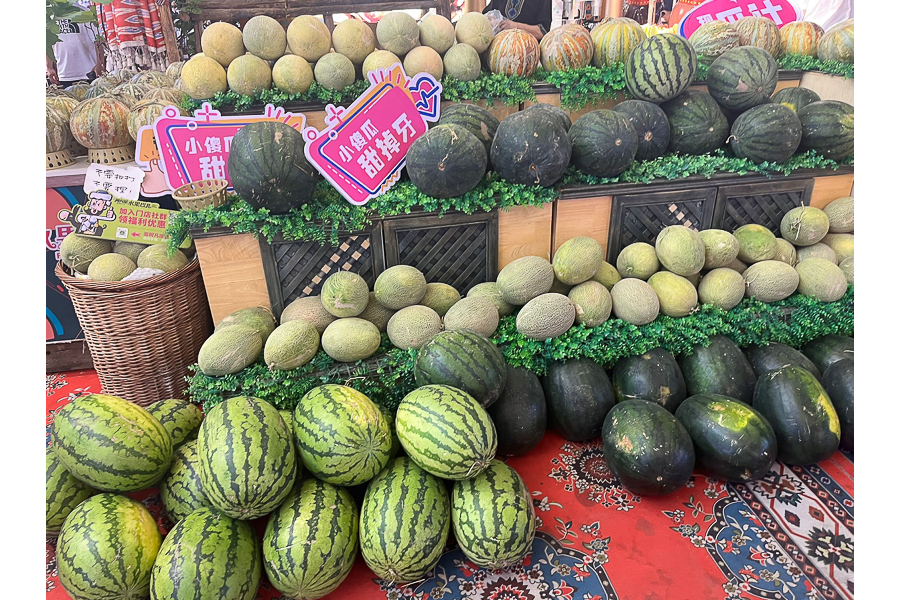
And even though there were a number of fixed shops (as well as street vendors whom I would imagine cleared up after every day), bartering was the name of the game, with one hopefully negotiating down to around 50% of the original asking price. Some such shops were selling souvenirs (including cowboy hats, for some reason), others sold food products or clothing, with restaurant / café type establishments being complemented by street food vendors, barbecuing meats and noodle/rice dishes, with others offering breads and drinks from local beer (served à la the October Beer Festival in Munich) and fermented honey, as well as pomegranate juice, etc.