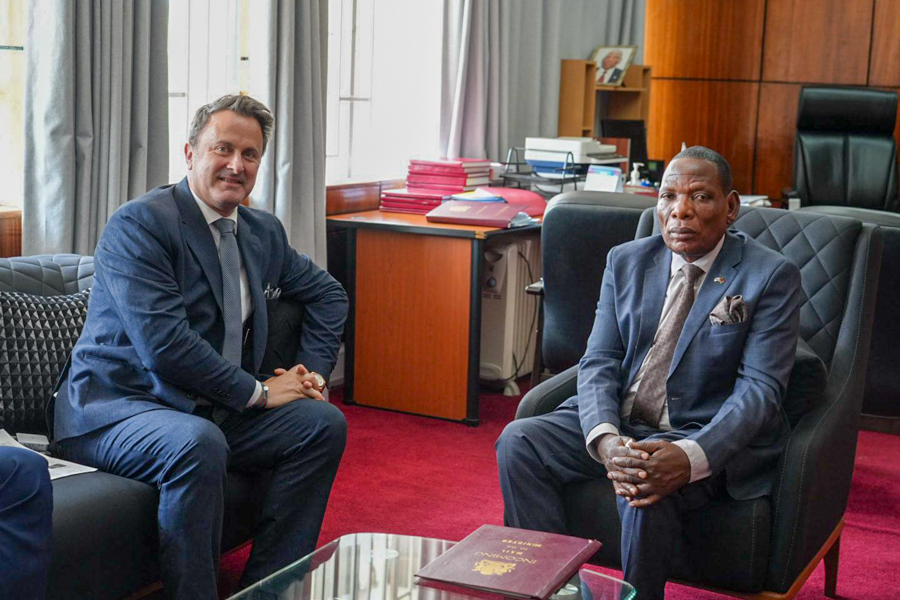
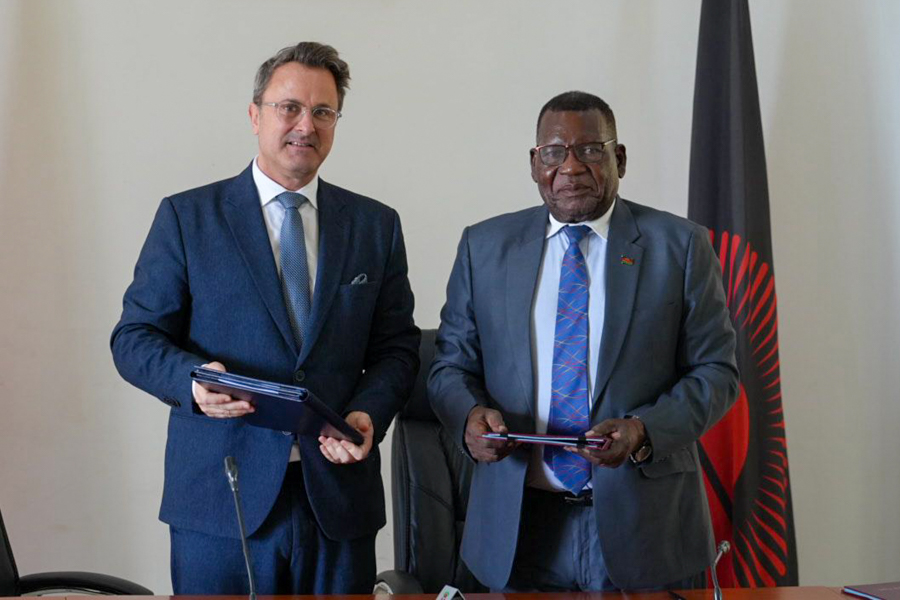
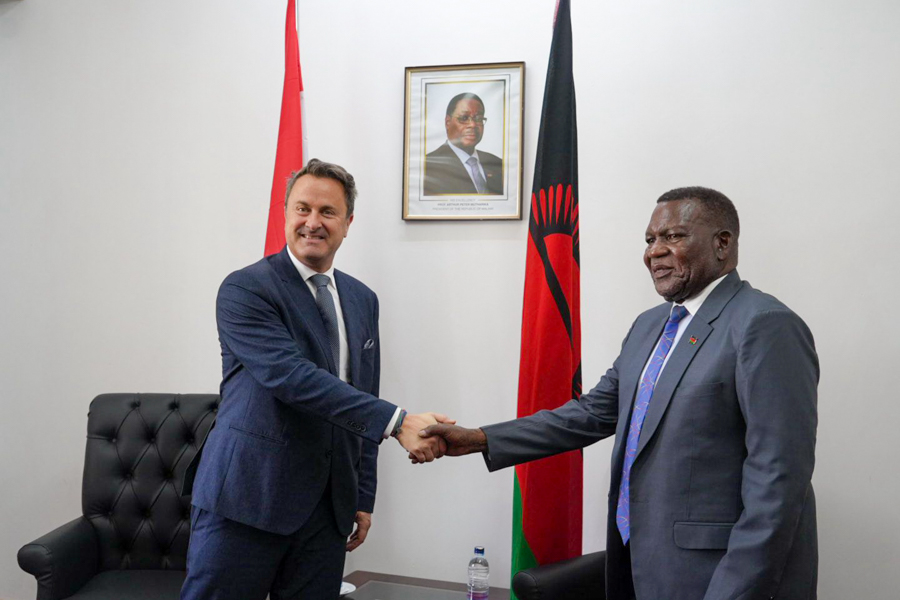
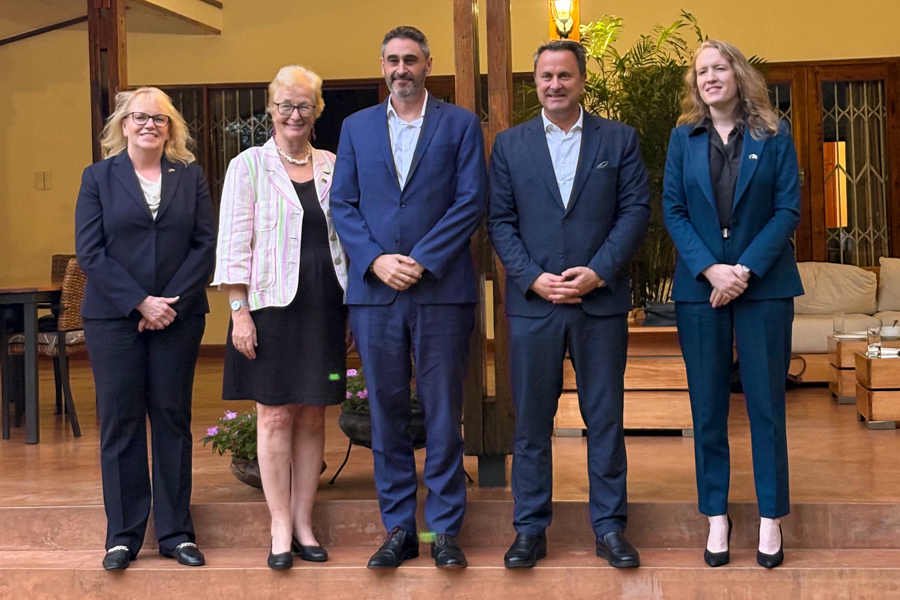
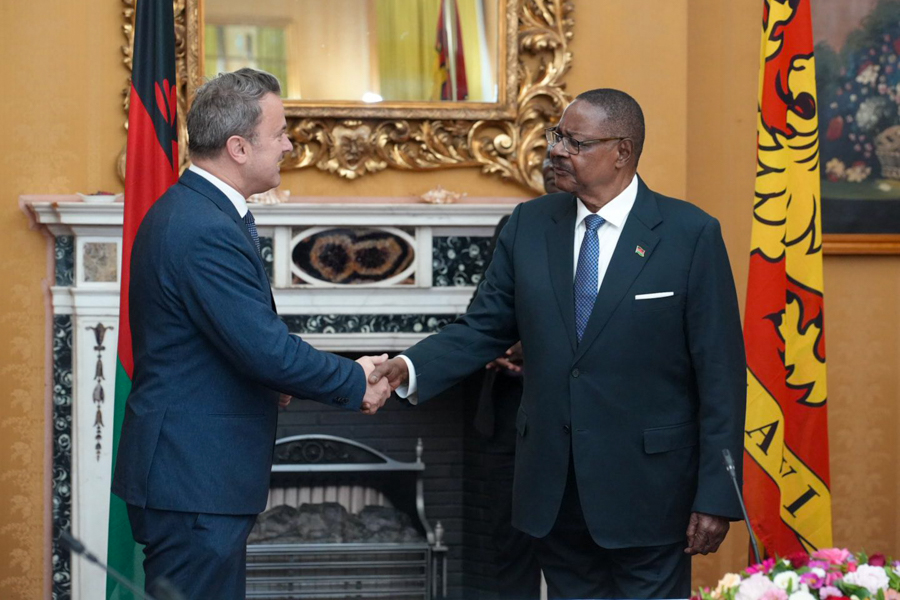
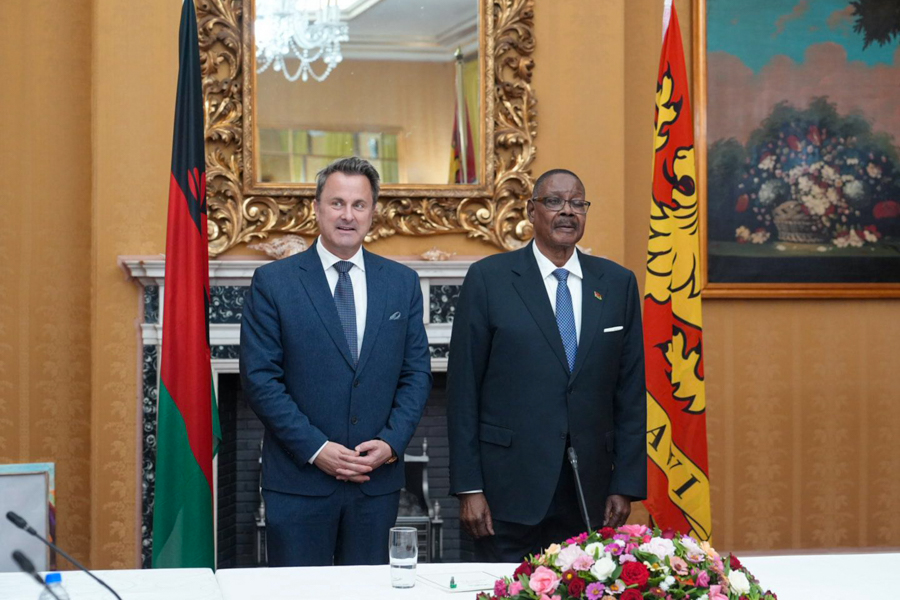
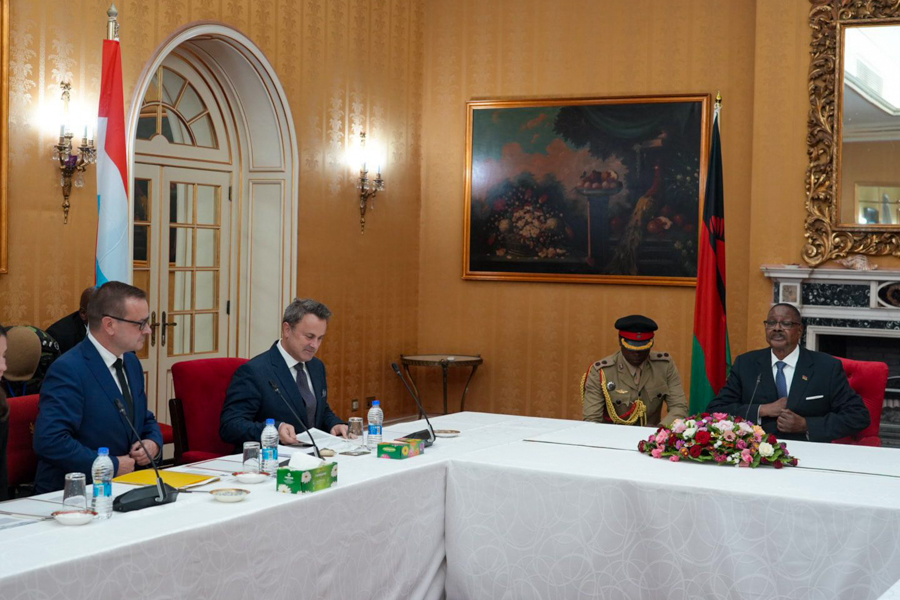
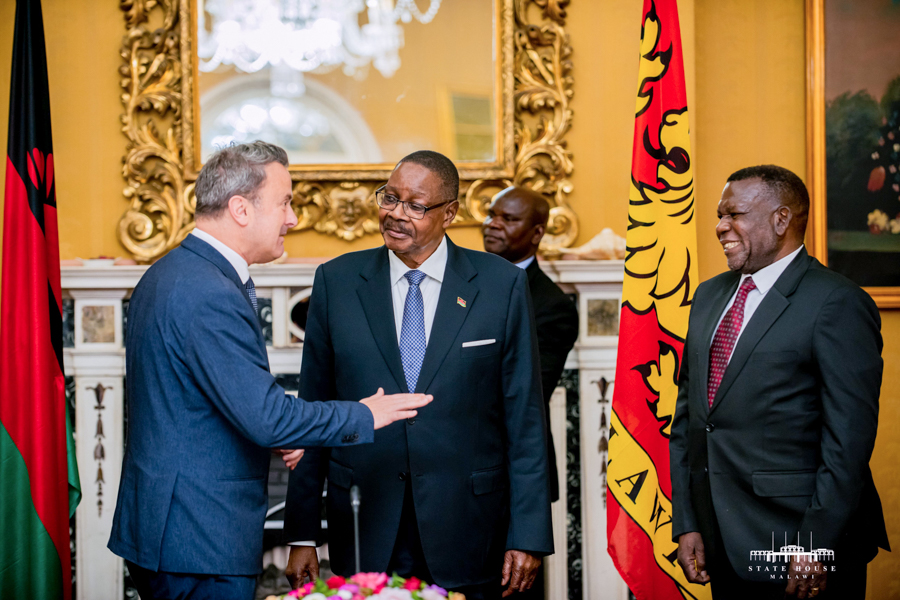
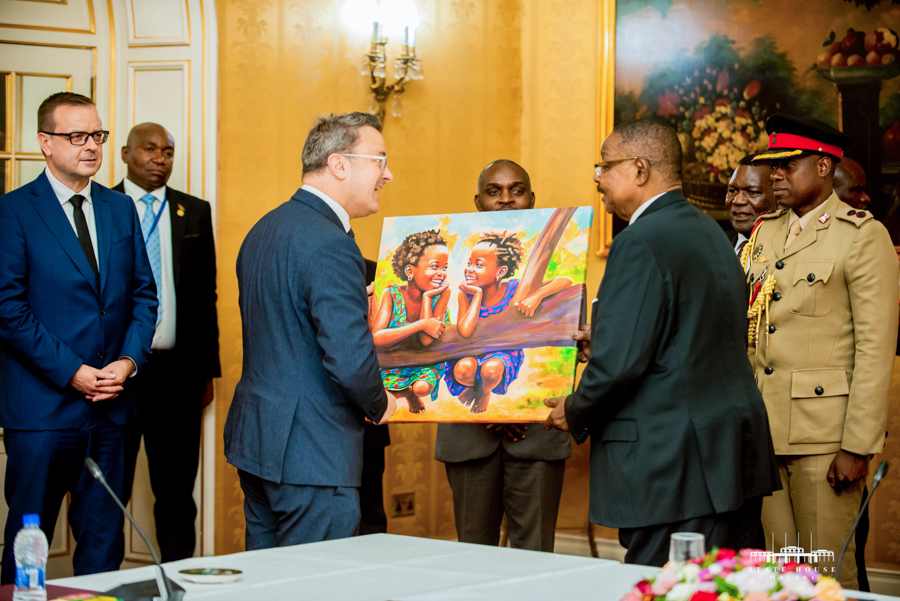
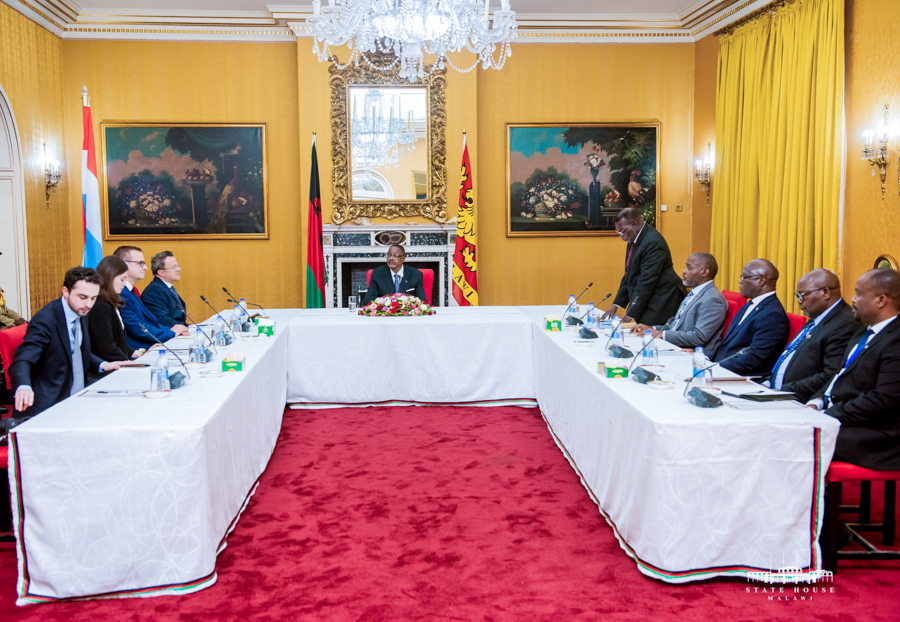
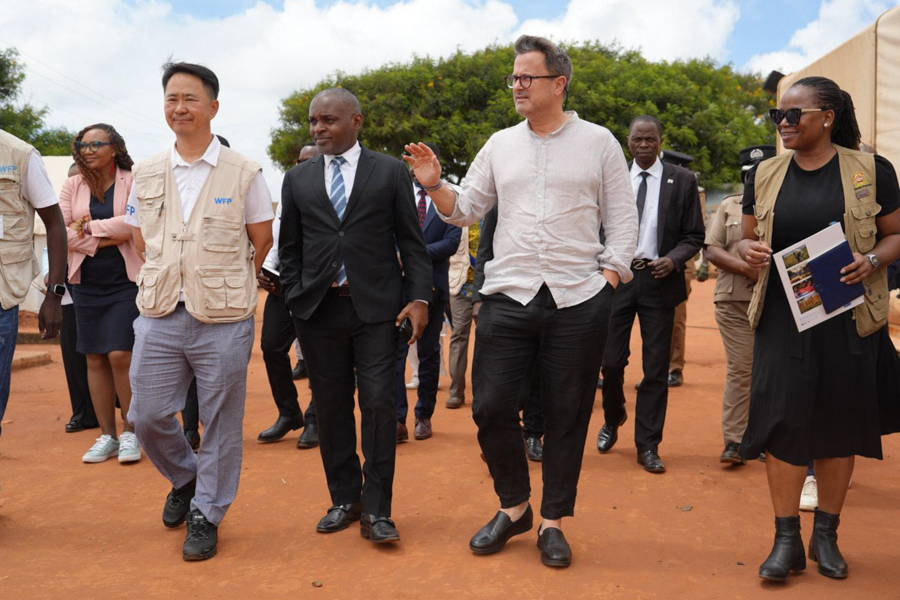
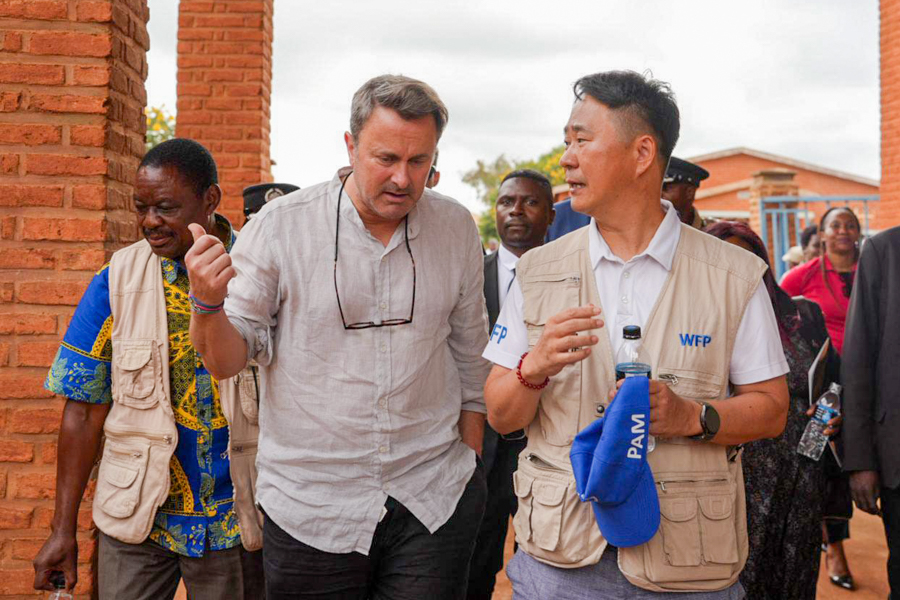
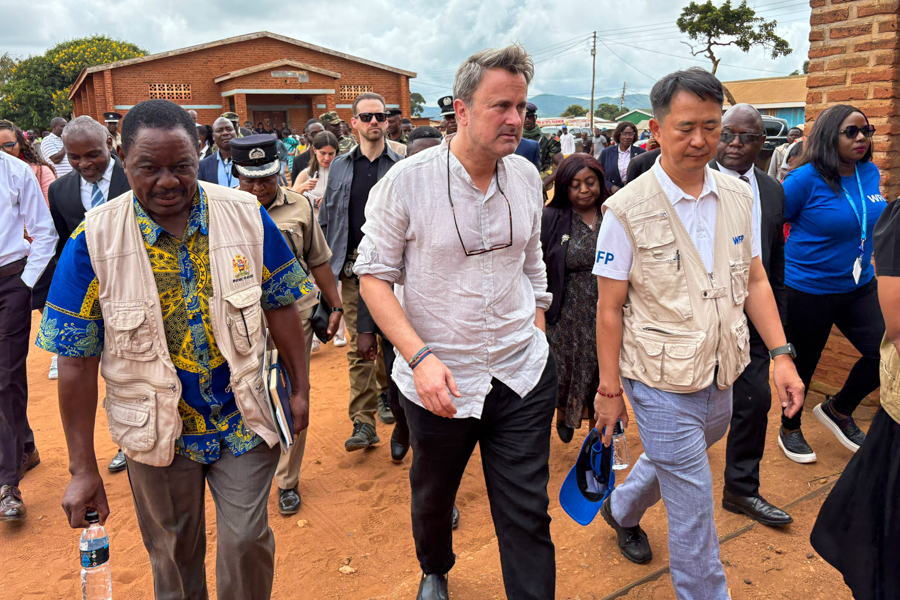
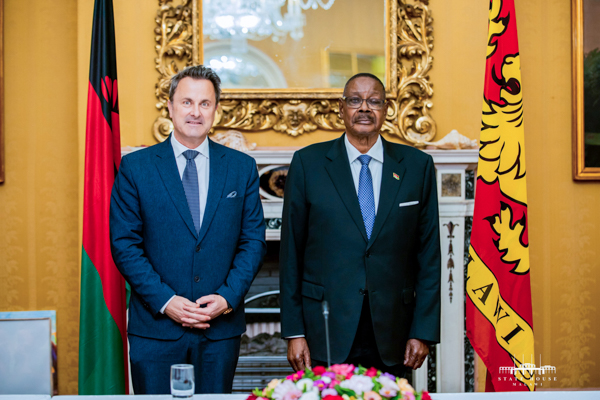
 (L-R) Xavier Bettel, Luxembourg's Deputy Prime Minister, Minister for Foreign Affairs & Foreign Trade, Minister for Development Cooperation & Humanitarian Affairs; Arthur Peter Mutharika, President of Malawi;
Credit: MAE Luxembourg
(L-R) Xavier Bettel, Luxembourg's Deputy Prime Minister, Minister for Foreign Affairs & Foreign Trade, Minister for Development Cooperation & Humanitarian Affairs; Arthur Peter Mutharika, President of Malawi;
Credit: MAE Luxembourg
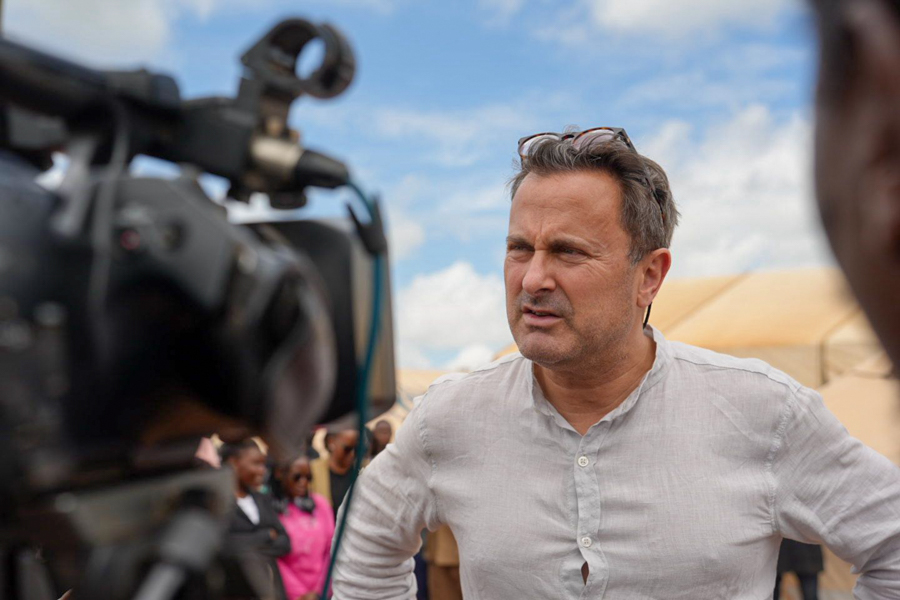
From Monday 2 to Wednesday 4 February 2026, Luxembourg's Deputy Prime Minister, Minister for Foreign Affairs and Foreign Trade and Minister for Development Cooperation and Humanitarian Affairs, Xavier Bettel, undertook a working visit to Malawi.
According to Luxembourg's Ministry of Foreign and European Affairs, Defence, Development Cooperation and Foreign Trade, this trip laid the groundwork for a partnership based on trust and a shared commitment to cooperation.
In Lilongwe, Minister Bettel was received by the President of Malawi, Arthur Peter Mutharika, and met with the Minister of Foreign Affairs, George Chaponda, and the Minister of Finance and Economic Affairs, Joseph Mwanamvekha.
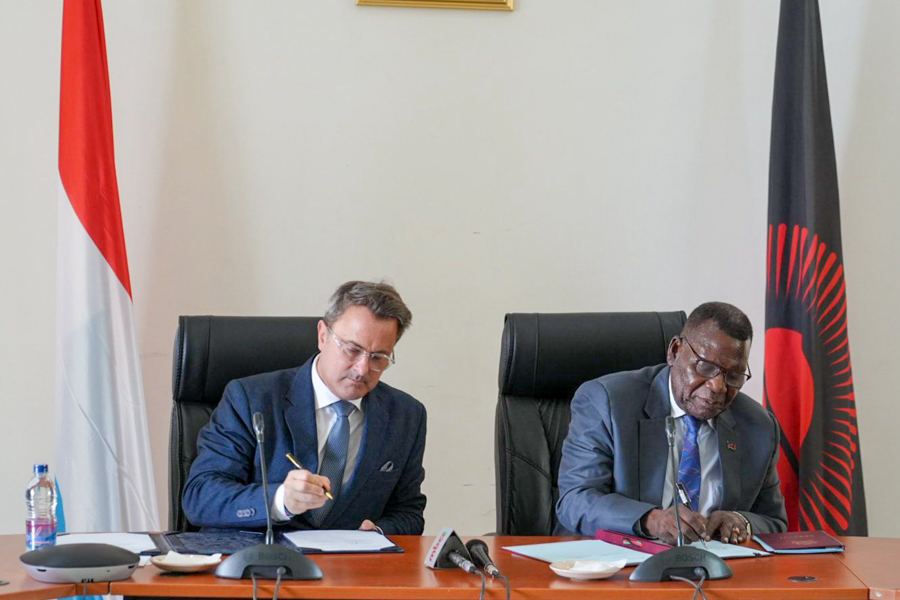
This visit was marked by the signing of a general cooperation agreement between Luxembourg and Malawi, establishing the framework for bilateral relations in the area of development cooperation. On this occasion, Minister Bettel emphasised the importance of maintaining an open and constructive dialogue on human rights and the rule of law.
During discussions with the Malawian authorities, Minister Bettel commended the smooth conduct of the presidential elections scheduled for September 2025 and highlighted the Malawian government's commitment to democracy and the rule of law.
At the international level, Luxembourg and Malawi share a common commitment to multilateralism and international solidarity.
Discussions also focused on the main challenges currently facing the country, including food insecurity, a lack of infrastructure and public services, a fragile economy and pressures on public finances. As the Luxembourg foreign ministry noted, Malawi also remains highly vulnerable to climate shocks, such as cyclones, droughts and floods, which severely impact food security, damage infrastructure and contribute to the resurgence of disease outbreaks.
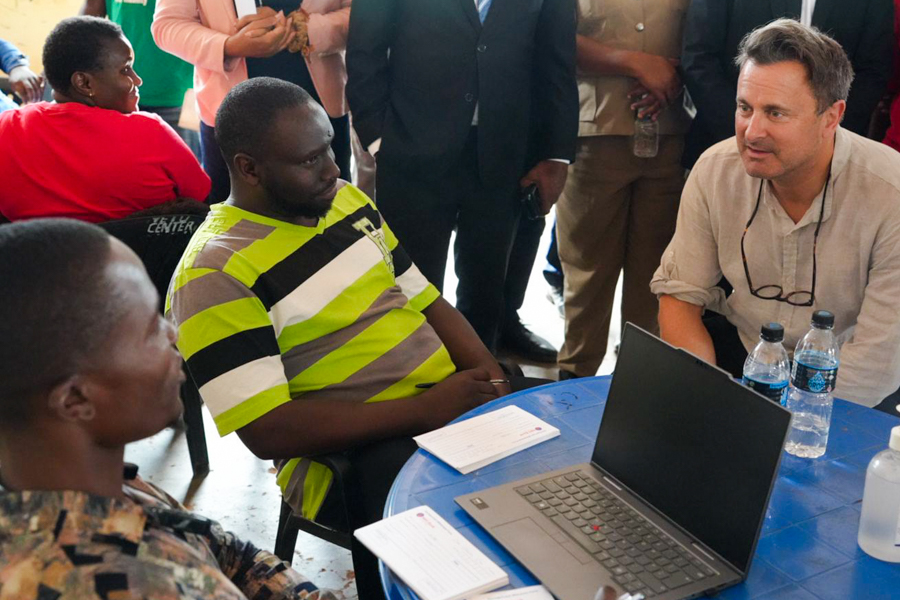
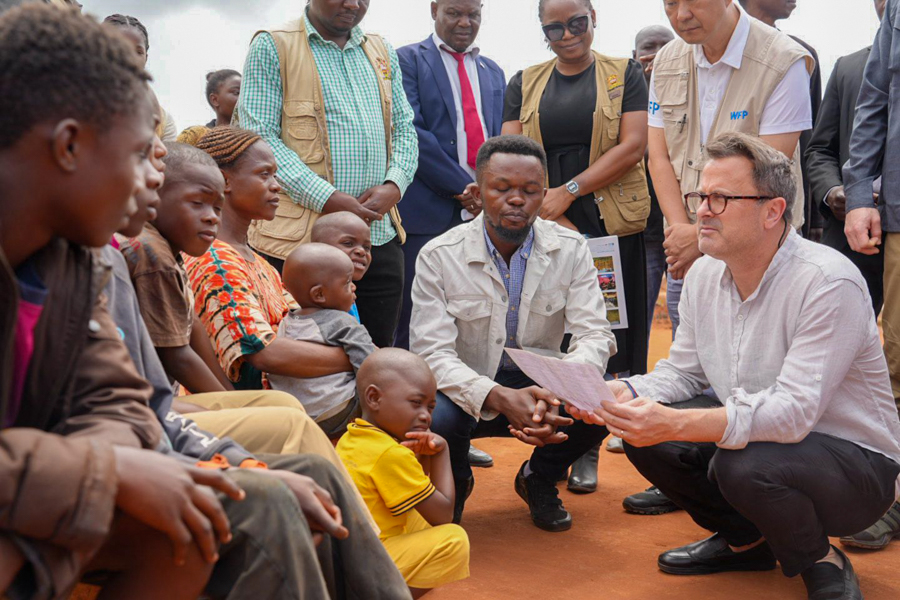
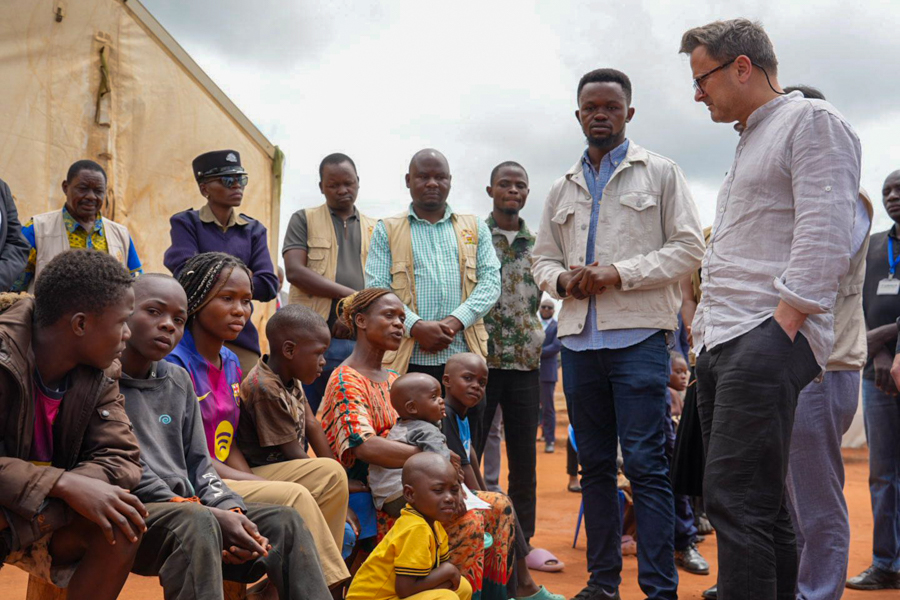
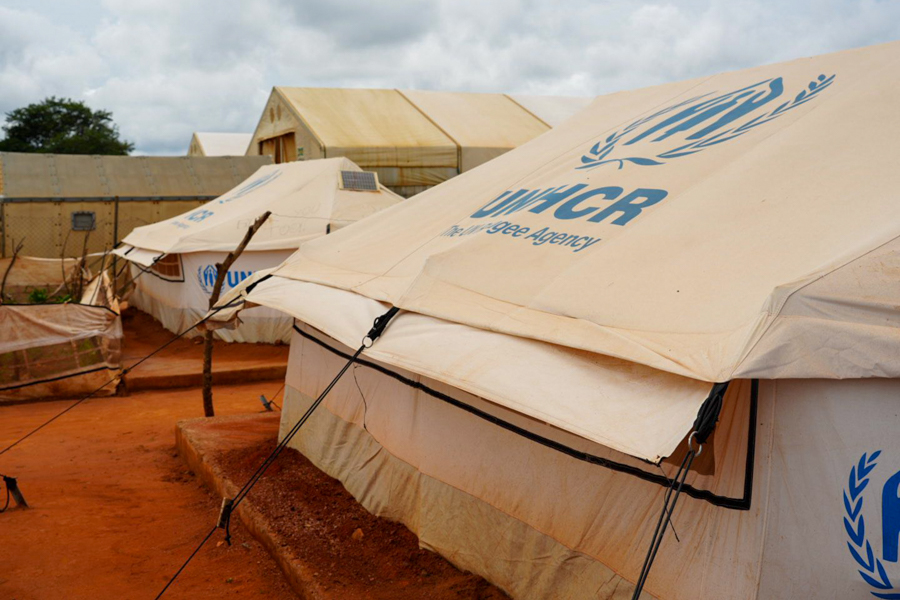
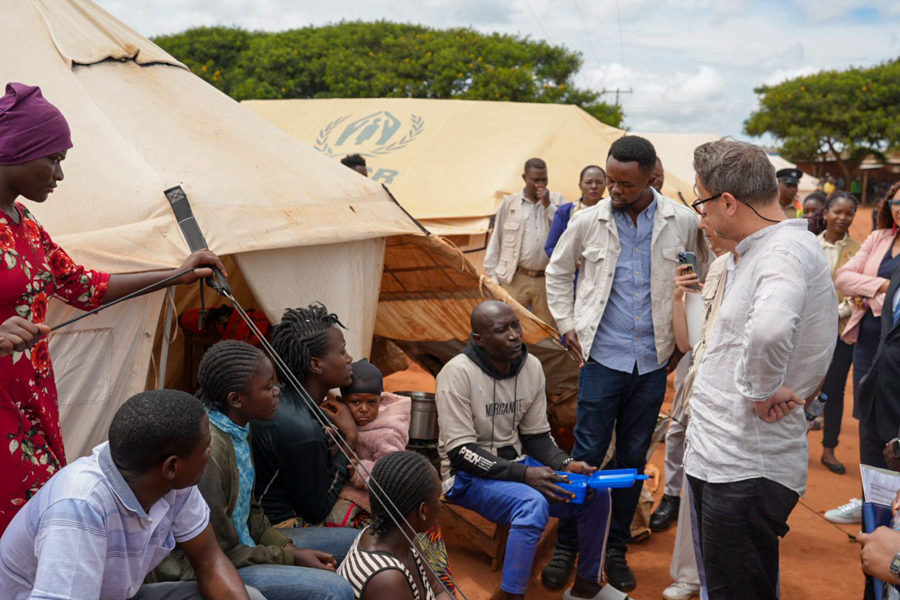
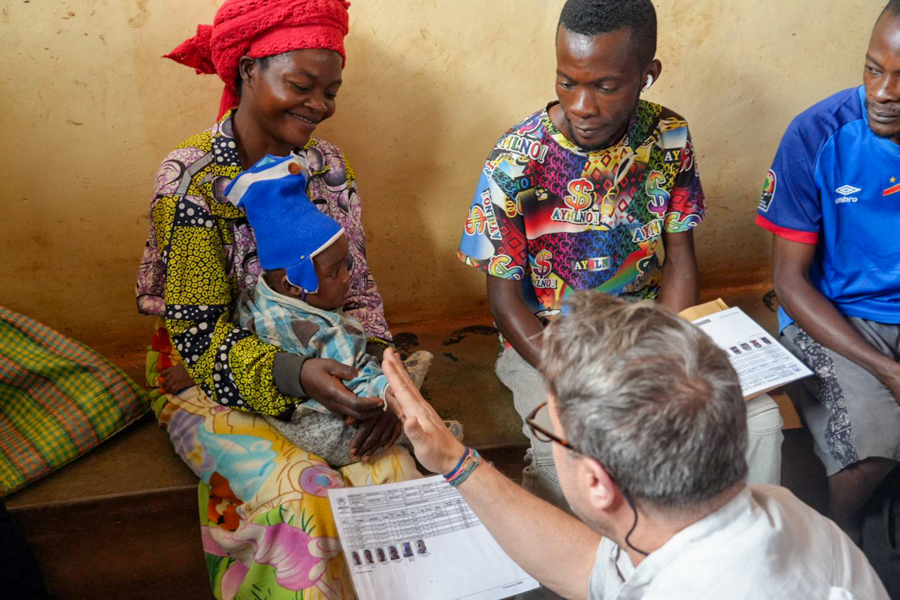
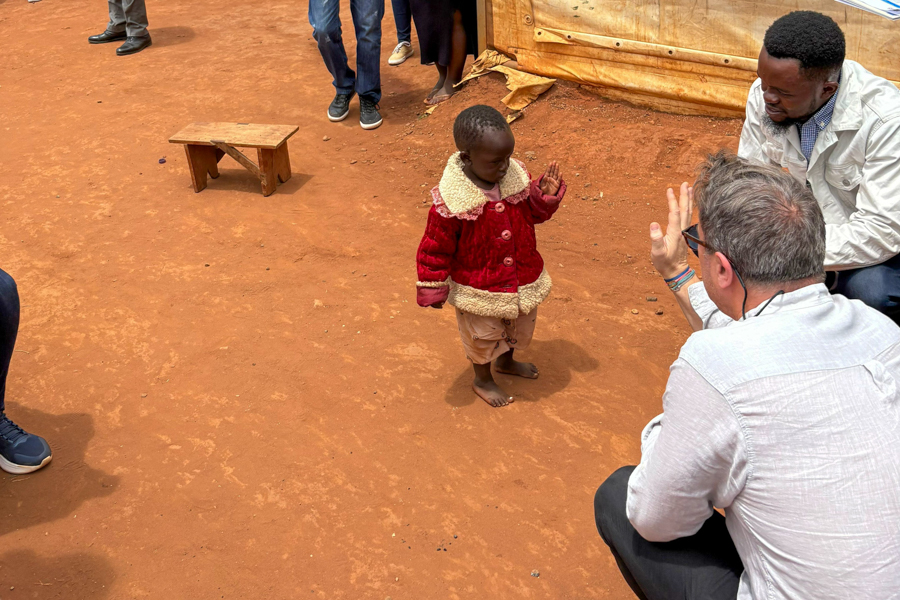
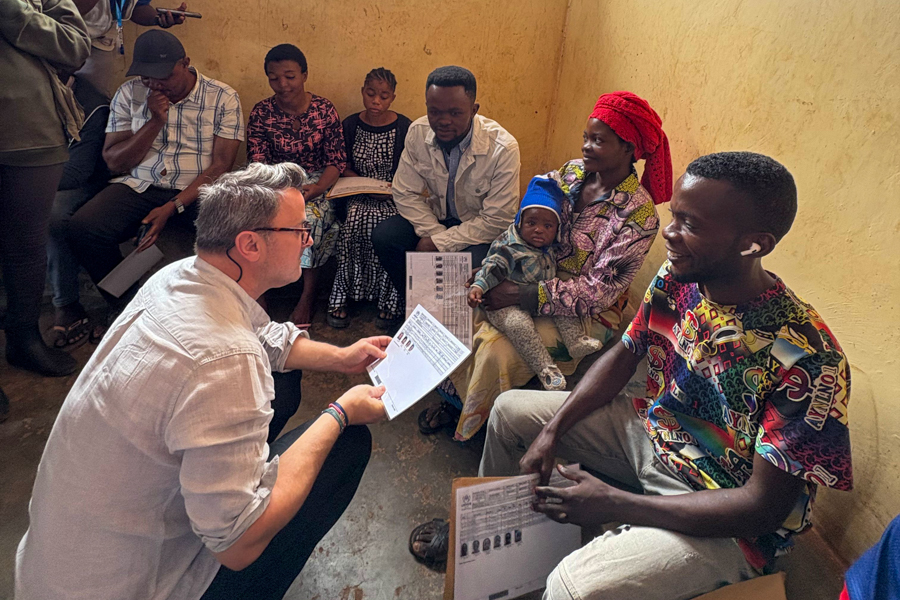
Minister Bettel also visited the Dzaleka Refugee Camp, where he met with refugees and representatives of the World Food Programme (WFP) and the United Nations High Commissioner for Refugees (UNHCR), which jointly manage the camp alongside the Malawian authorities.
Most of the refugees come from the Democratic Republic of the Congo, Burundi, and Rwanda due to ongoing tensions in the region. The ministry added that Malawi is bearing a significant humanitarian burden, hosting nearly 60,000 refugees, the majority of whom are women and children, while the camp's capacity is only 12,000. Due to this overpopulation and funding constraints, the United Nations is only able to provide aid covering 60% of individual caloric needs, and has informed the Luxembourg delegation that by June there is a real risk of no longer being able to meet these food needs with a risk of humanitarian catastrophe.