 Credit: natur&ëmwelt
Luxembourg has what is known as a Temperate Climate in which winters are generally mild and summers comparatively cool, with rainfall that can be high; its flora and fauna have thrived in and adapted to this climate over the centuries and millennia, with ongoing challenges due to pollution and recent climate change, as well as the introduction of non-native species, resulting in disruptions to the norm.
Nevertheless, with various initiatives and organisations helping the ecosystem and habitat, including sustainability and re-wilding, there is a lot happening in nature across the Grand Duchy.
Chronicle.lu has teamed up with natur&ëmwelt (the non-profit organisation (naturemwelt), the foundation (Hëllef fir d'Natur) and the Wildlife Care Centre (Flegeestatioun) for a series of articles on Luxembourg's nature reserves, in which we look at the natural habitats that preserve biodiversity and protect ecosystems from development, pollution and intensive agriculture.
No. 7 in this series focuses on Hetschendeltchen.
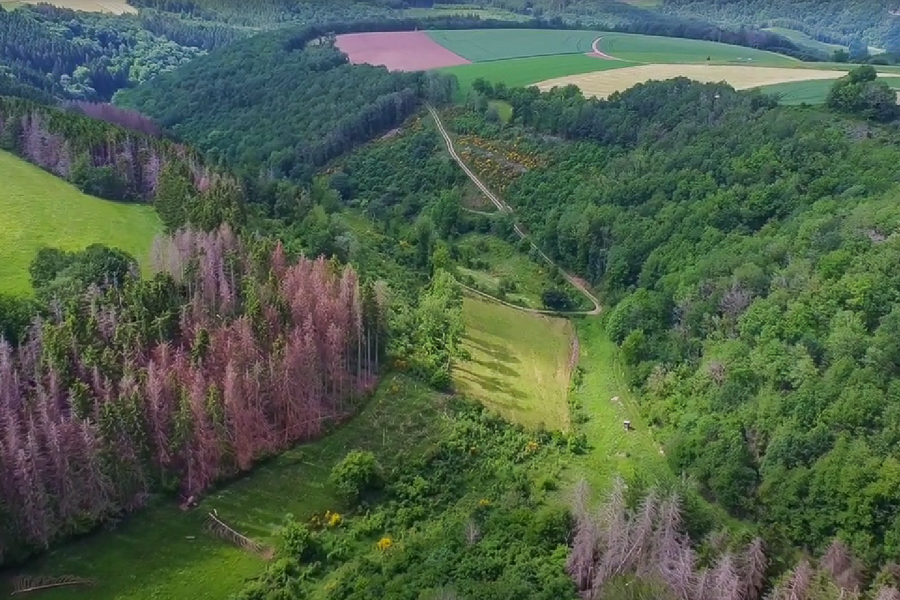
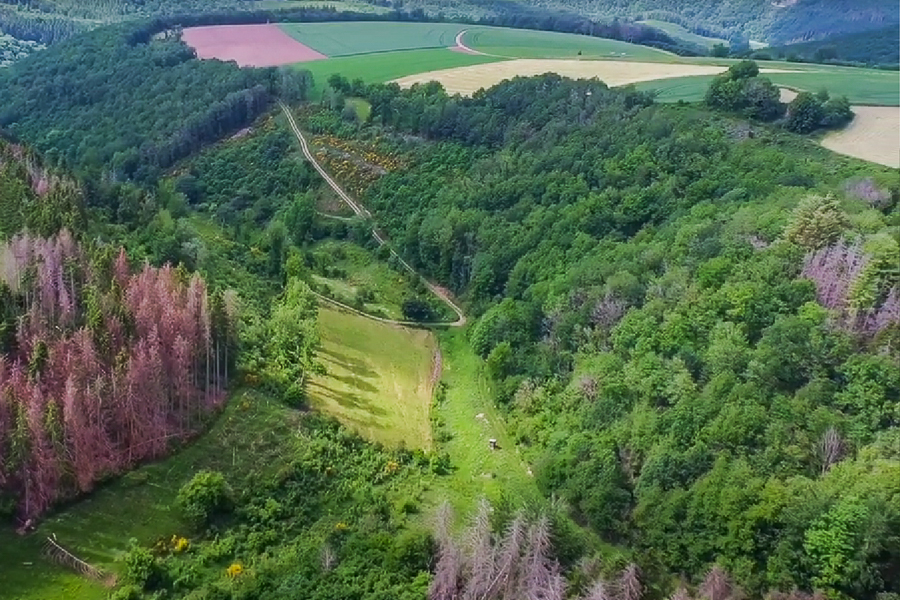
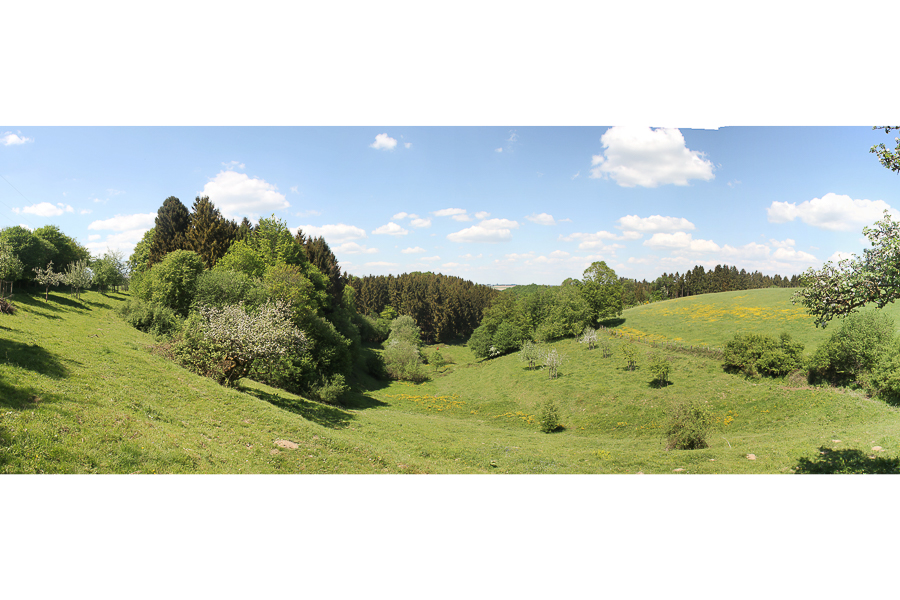
The Hetschendeltchen nature reserve, which encompasses the source basin of the Wooschenterbaach stream near Heiderscheid, began with the Foundation's acquisition of the first 2 hectares in 1988. This site was the location for some of the very first habitat projects implemented by the CNDS Naturaarbechten teams. Over time, the reserve has grown to include an orchard, several spring zones, wet scrublands and lean meadows.
The Challenge of the Deep-Cut Valley
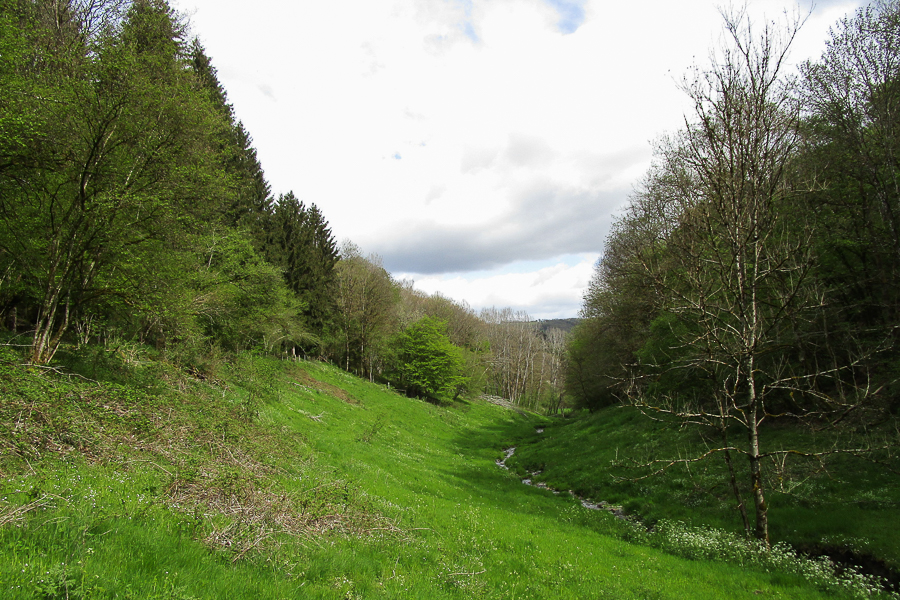
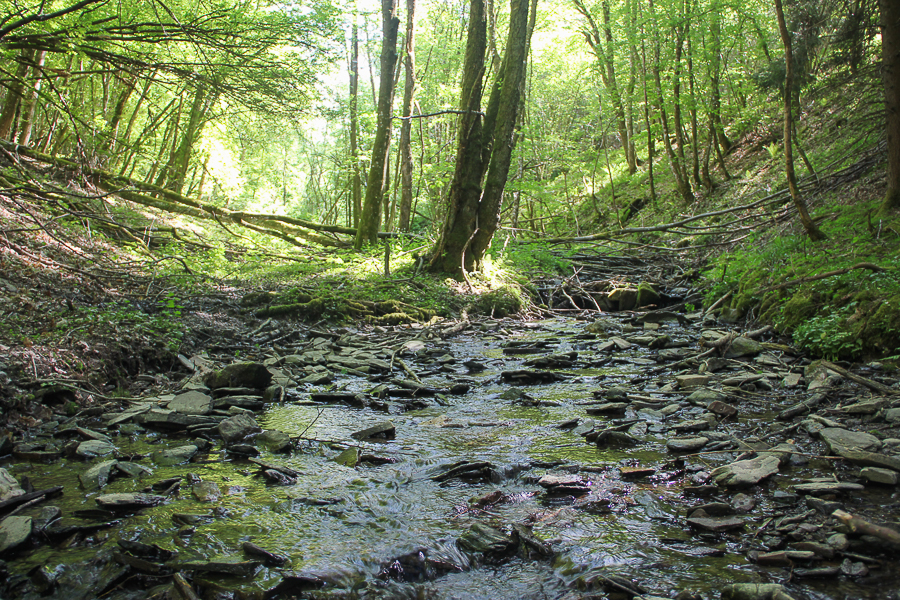
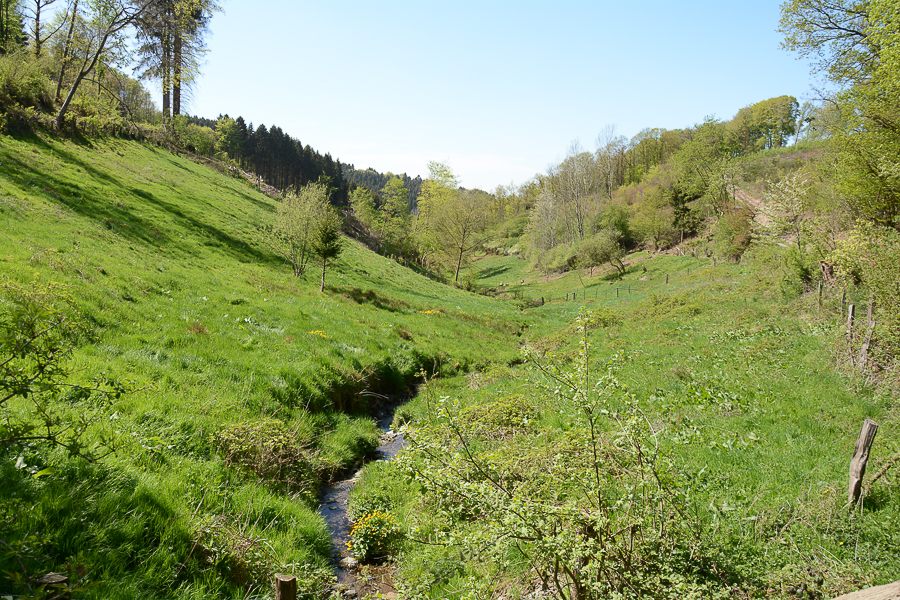
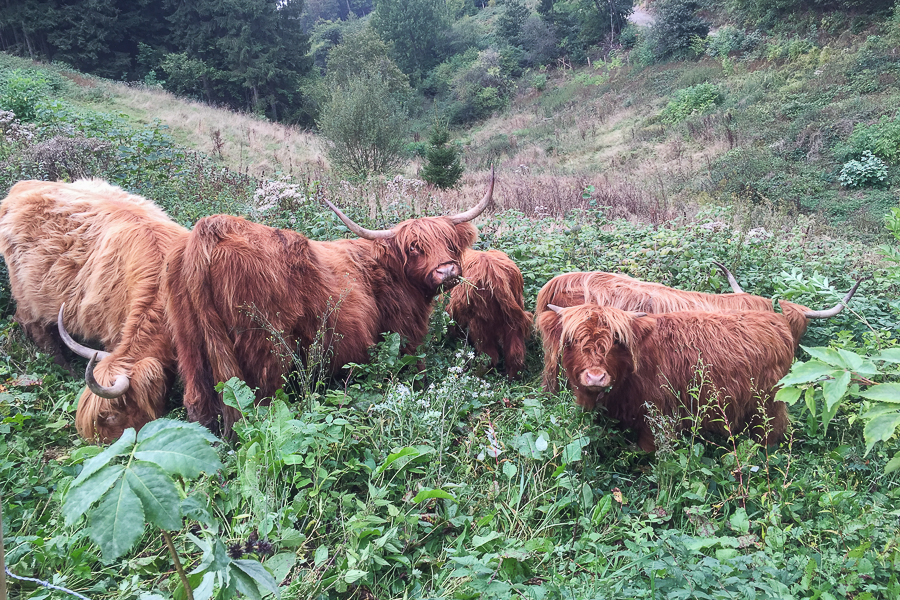
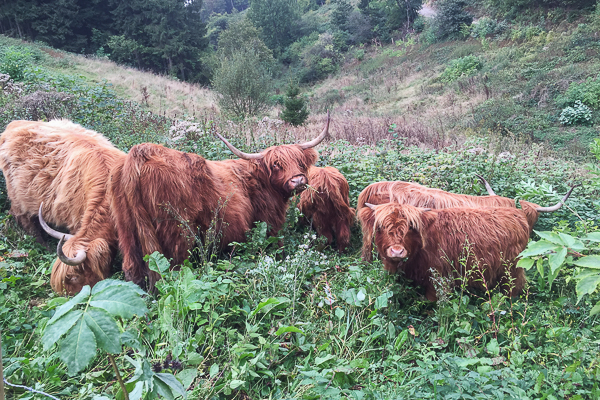
The Wooschenterbaach is a small stream, flowing only 2.6km before joining the Sûre river. However, in that short distance, it carves a typically deep-cut Ardennes valley through the plateau, dropping an impressive 220m in elevation. This steep topography naturally made maintenance difficult, leading farmers to abandon large sections, allowing them to become progressively overgrown with bushes. The priority became ensuring the long-term viability of the inventoried biotopes, the lean meadows and wet scrublands, by reopening these overgrown pastures and reintroducing agricultural management. The first steps, including extensive clearing and the installation of new fencing, began in 2015, allowing Highland cattle to take over their role as landscape managers.
Species of the Steep Slopes and Successional Forests
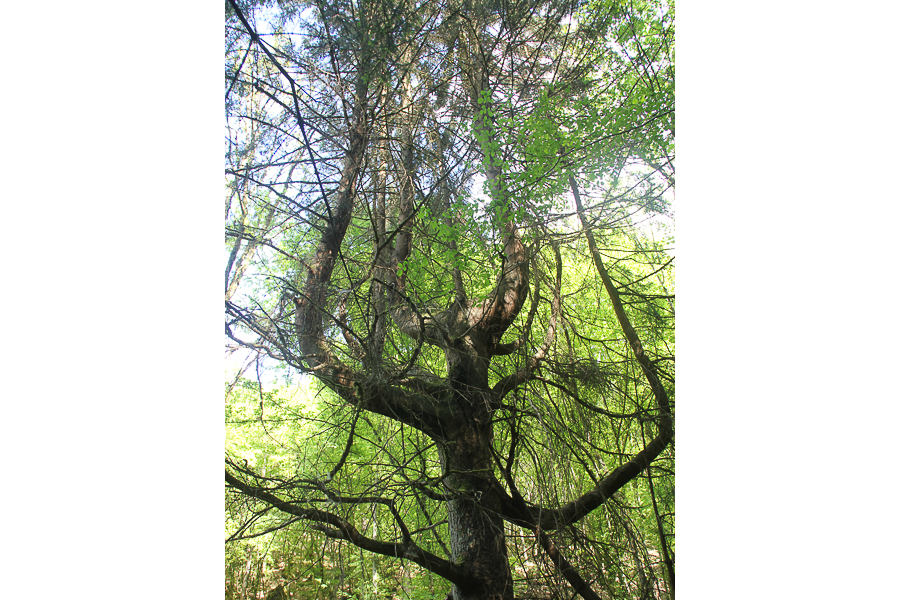
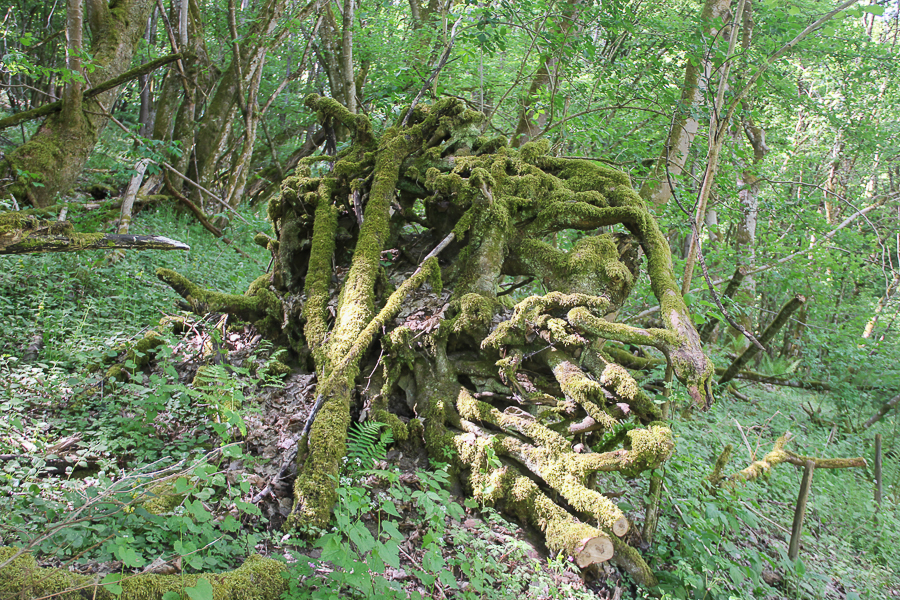
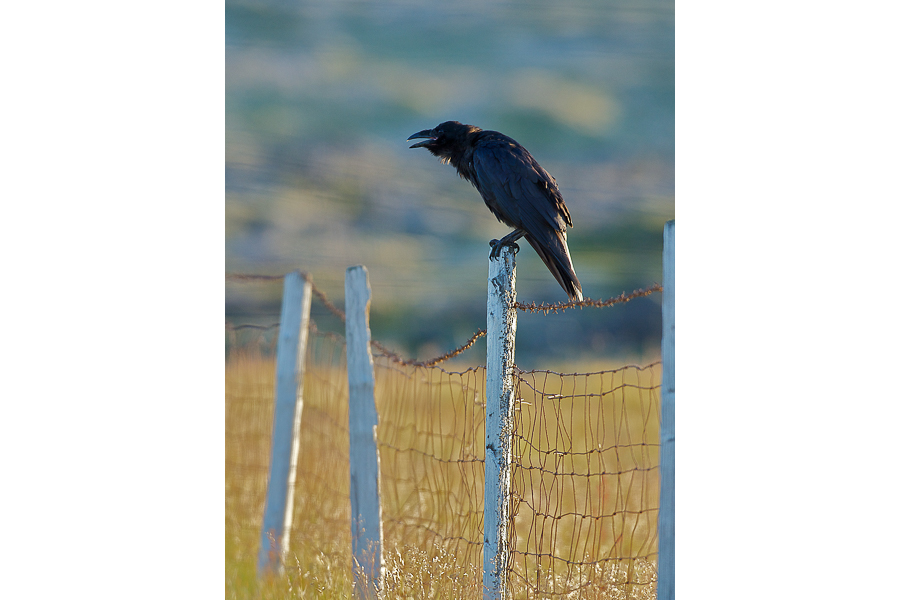
The steep, difficult-to-access wooded slopes are composed of natural successional forests that regenerated following extensive clearcutting caused by severe storms in 1990. These areas feature magnificent, sometimes mysterious-looking trees, adding to the valley's unique charm. The flora includes the Tufted Vetch (Lathyrus linifolius), primarily found in meadows on slopes too steep for fertilisation; its rhizomes have been historically used as a medicinal appetite suppressant since the Middle Ages. Keep an eye out for the Common Raven (Corvus corax), the world's largest passerine bird, recognisable by its massive beak and powerful call as it surveys the open clearings.
Conservation in Action: Reopening the Pastures
The recent restoration focused on halting scrub encroachment to preserve the open habitats. The Highland cattle are employed specifically to manage these areas, ensuring the survival of species dependent on open ground. The dense bush cover is being reduced to maintain the meadows, which are vital for the valley’s overall health.
Visitor Information: Exploring Hetschendeltchen
Hetschendeltchen offers a rugged experience typical of the upper Éislek. The best time to visit is late spring or summer, when the Highland cattle are grazing the pastures, helping to keep the landscape open and when the Tufted Vetch (Lathyrus linifolius) might be visible in the steeper meadow areas. The local trail, ES 12, descends along the Wooschenterbaach, allowing hikers to explore the wildest part of the valley downstream from the agricultural surface. Due to the steep terrain and the work required to maintain the meadows, visitors must wear sturdy hiking boots. As the management focuses on maintaining a semi-wild environment, expect uneven terrain and trails that may feel remote.