 Credit: natur&ëmwelt
Luxembourg has what is known as a Temperate Climate in which winters are generally mild and summers comparatively cool, with rainfall that can be high; its flora and fauna have thrived in and adapted to this climate over the centuries and millennia, with ongoing challenges due to pollution and recent climate change, as well as the introduction of non-native species, resulting in disruptions to the norm.
Nevertheless, with various initiatives and organisations helping the ecosystem and habitat, including sustainability and re-wilding, there is a lot happening in nature across the Grand Duchy.
Chronicle.lu has teamed up with natur&ëmwelt (the non-profit organisation (naturemwelt), the foundation (Hëllef fir d'Natur) and the Wildlife Care Centre (Flegeestatioun) for a series of articles on Luxembourg's nature reserves, in which we look at the natural habitats that preserve biodiversity and protect ecosystems from development, pollution and intensive agriculture.
No. 11 in this series focuses on the An der Blees reserve.
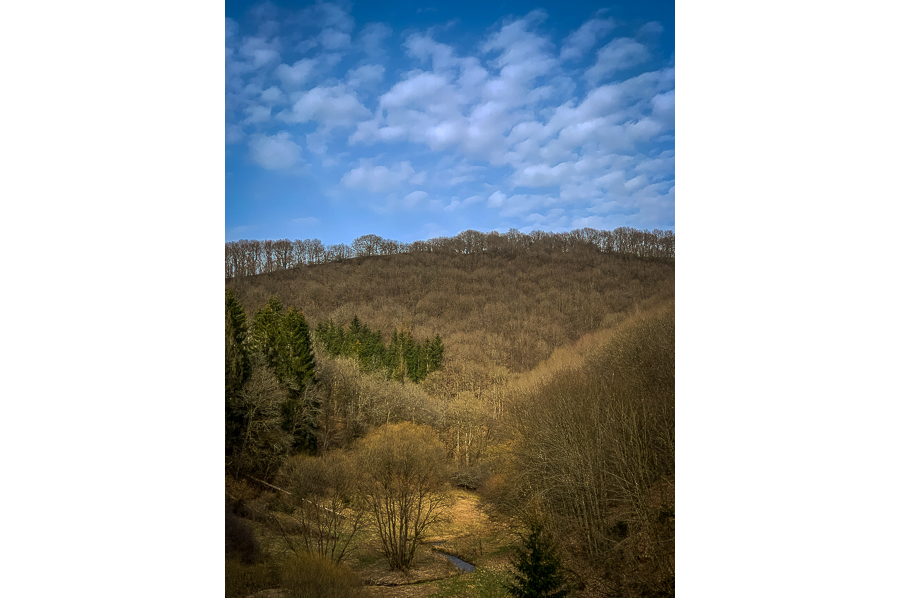
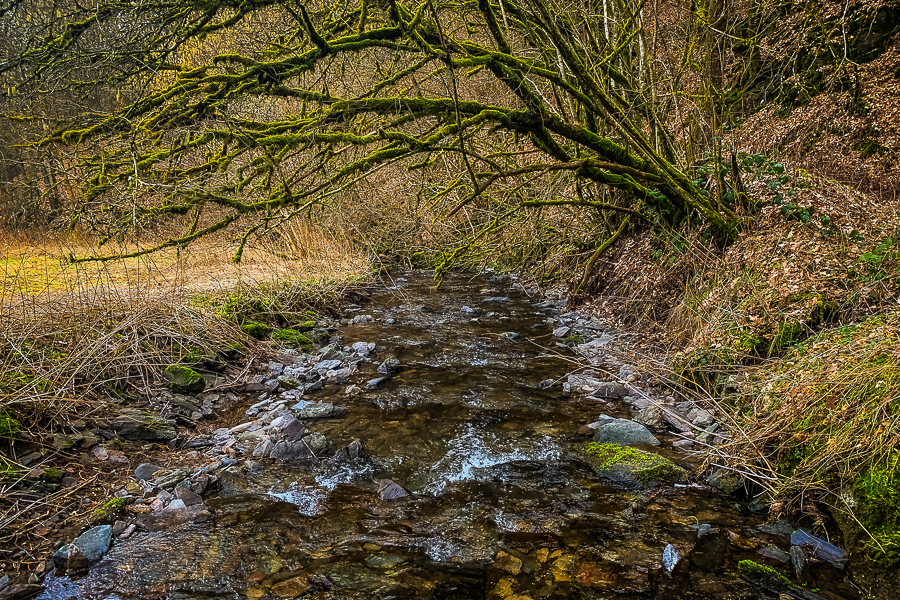
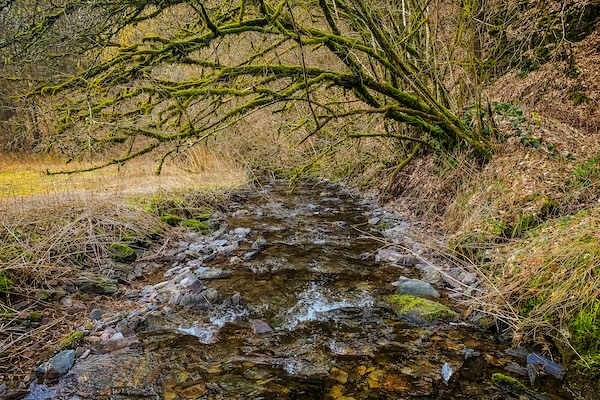
The An der Blees reserve invites discovery into one of the Éislek’s lesser-known, deep-cut valleys. This area is part of the Foundation’s extensive holdings (among 1,600 hectares), where several reserves await revitalisation. The path descends toward the two main streams of the Blees valley, focusing on a large, recently expanded wet scrubland area. As part of the biodiversity-rich grassland action plan, funded by the Environment Fund, a portion of this scrubland is undergoing restoration and will be leased to a local farmer.
The Legacy of Wet Meadows and Modern Restoration
Wet mowing meadows were historically crucial to agricultural prosperity. Significant effort was once invested in managing them, including the creation of irrigation ditches to boost hay yields. More hay meant more livestock, which in turn provided more manure to fertilise the limited arable land. Even the narrow alluvial plains, like the Blees valley, were traditionally mown and later grazed before being gradually abandoned. The current restoration aims to bring back this high-yield, diverse grassland structure.
Flora and Fauna of the Enclosed Valley
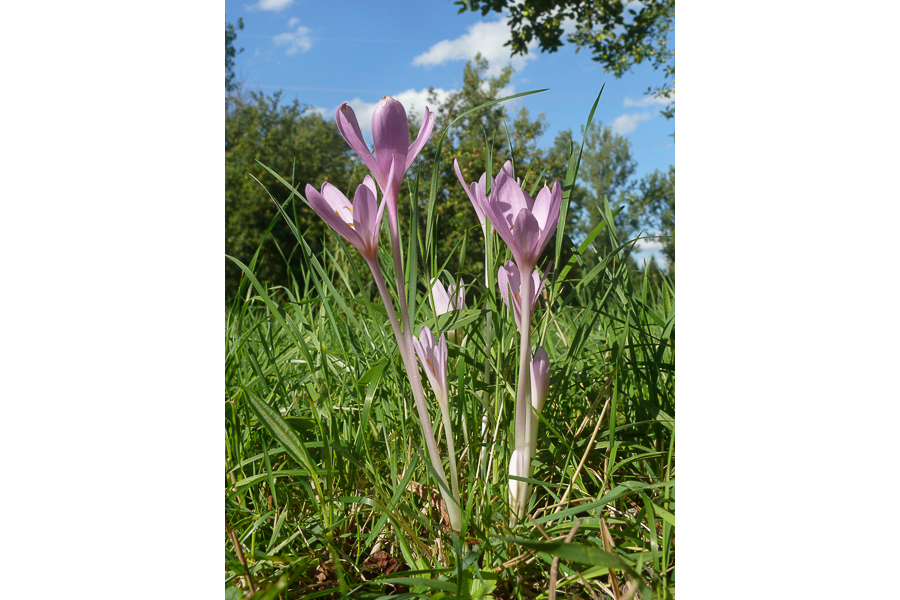
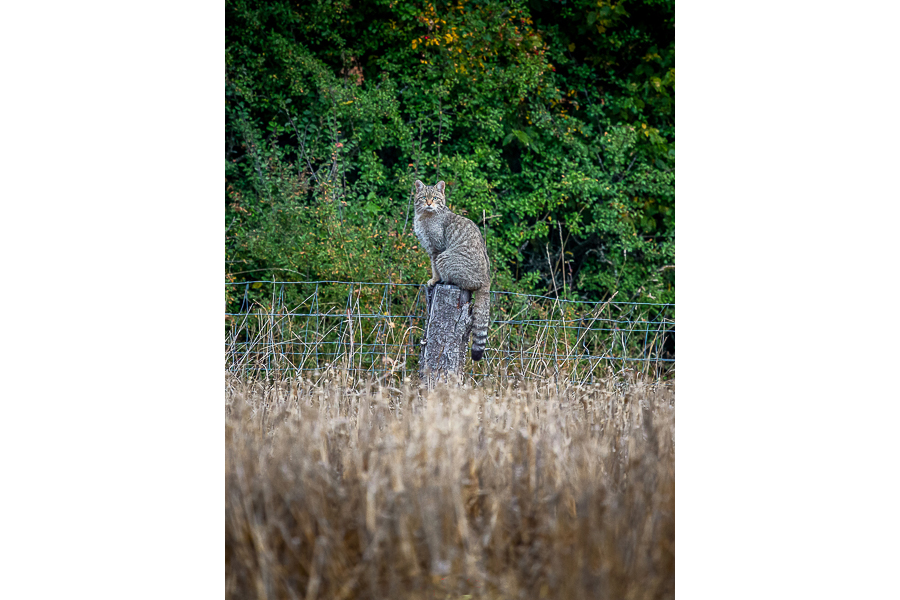
The valley floor is home to notable species. The Autumn Crocus (Colchicum autumnale), a toxic meadow plant, presents a remarkable duality: in spring, it displays large leaves surrounding an ovoid fruit capsule, while in autumn, only its pink flowers emerge directly from a basal tube at ground level. This narrow valley also serves as a corridor for the European Wildcat (Felis silvestris silvestris). This medium-sized feline, with thick, bushy, grey-brown striped fur, primarily inhabits the forest but utilises these inaccessible, steep-sided valleys as migration corridors. The Blees stream itself, which has gradually carved a deep 20 km valley between the Sûre and Our rivers, remains largely isolated until it receives its first major tributary, the Stool.
Partnership in Action: A Return to Managed Biodiversity
The current restoration efforts involve bringing biodiversity back to the friche (scrubland) through partnership. Part of the area will be restored and leased to a local farmer for management, aligning with the goals of the LIFE Arnika habitat project. This collaborative management will ensure the wet grasslands thrive, sustaining the complex life cycle of the valley.
Visitor Information: Exploring the Blees Valley
The An der Blees path offers a unique opportunity to witness the revitalisation of a once-neglected wetland. The best time to visit is late spring through early summer, when the Autumn Crocus (Colchicum autumnale) leaves are visible (though the dramatic flowers only appear in autumn) and the valley is lush. The landscape is characterised by its steep, enclosed nature, so sturdy walking shoes are essential for navigating the descending trail toward the streams. Since the site is transitioning from scrubland to managed grassland, visitors should be mindful that Wildcat sightings are rare; observing the valley's structure and listening for the silence of a healthy, enclosed habitat is often the main reward. Be aware of the management areas where the farmer will be working to restore biodiversity.