 Credit: natur&ëmwelt
Luxembourg has what is known as a Temperate Climate in which winters are generally mild and summers comparatively cool, with rainfall that can be high; its flora and fauna have thrived in and adapted to this climate over the centuries and millennia, with ongoing challenges due to pollution and recent climate change, as well as the introduction of non-native species, resulting in disruptions to the norm.
Nevertheless, with various initiatives and organisations helping the ecosystem and habitat, including sustainability and re-wilding, there is a lot happening in nature across the Grand Duchy.
Chronicle.lu has teamed up with natur&ëmwelt (the non-profit organisation (naturemwelt), the foundation (Hëllef fir d'Natur) and the Wildlife Care Centre (Flegeestatioun) for a series of articles on Luxembourg's nature reserves, in which we look at the natural habitats that preserve biodiversity and protect ecosystems from development, pollution and intensive agriculture.
No. 12 in this series focuses on Follmillen.
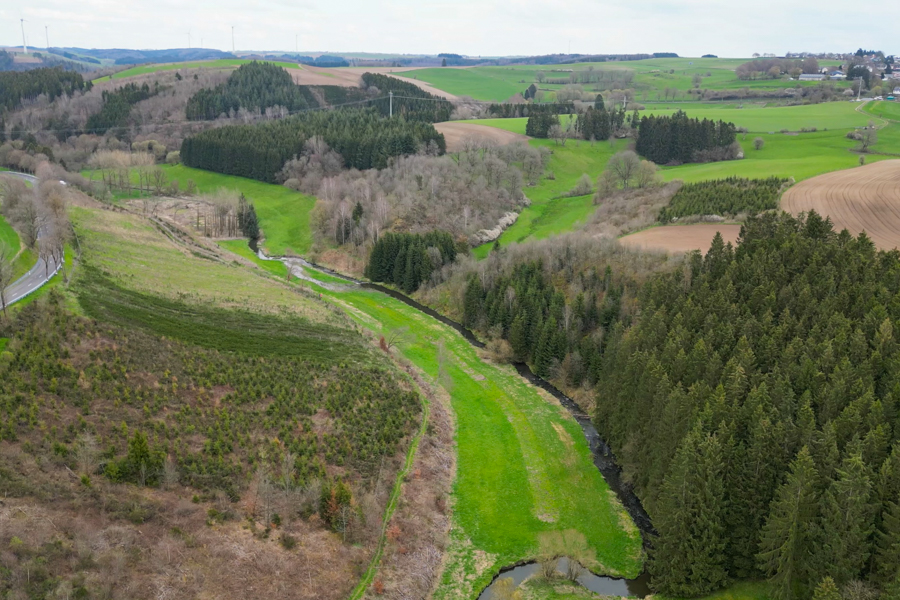
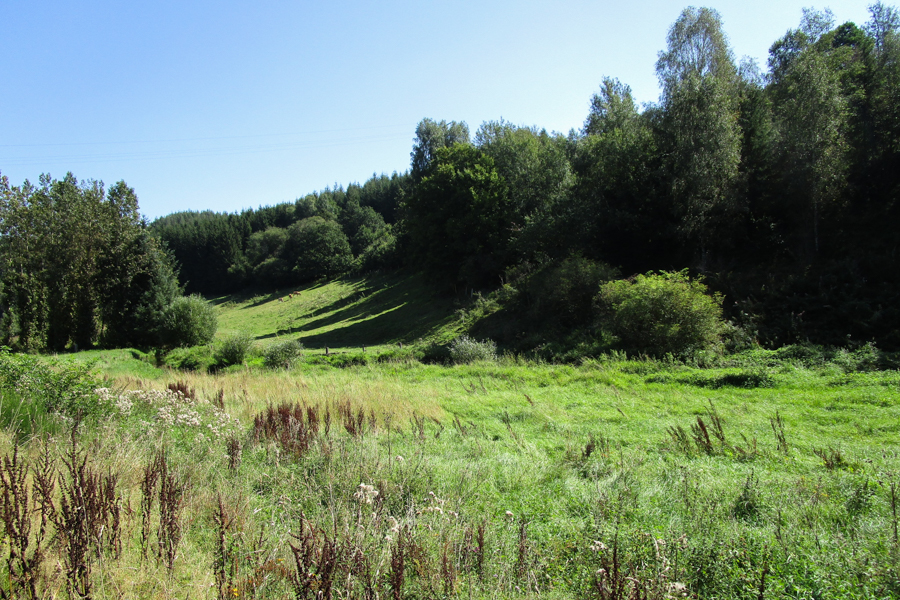
Nestled between Asselborn and Boxhorn, the Follmillen site showcases a dramatic shift in landscape management. Here, the Trëtterbaach stream begins to carve a deeper valley, flanked by slopes primarily dedicated to forestry. The reserve itself boasts a great diversity of biotopes, encompassing a complex of wetlands, traditional hay meadows, rocky outcrops, alongside both spruce and deciduous forests.
Landscape Restoration: From Storm Damage to New Growth
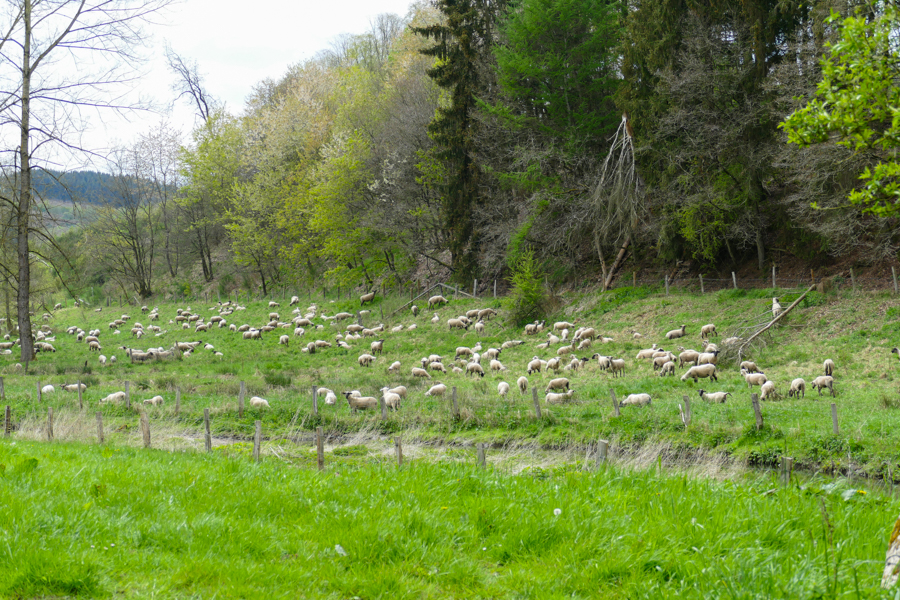
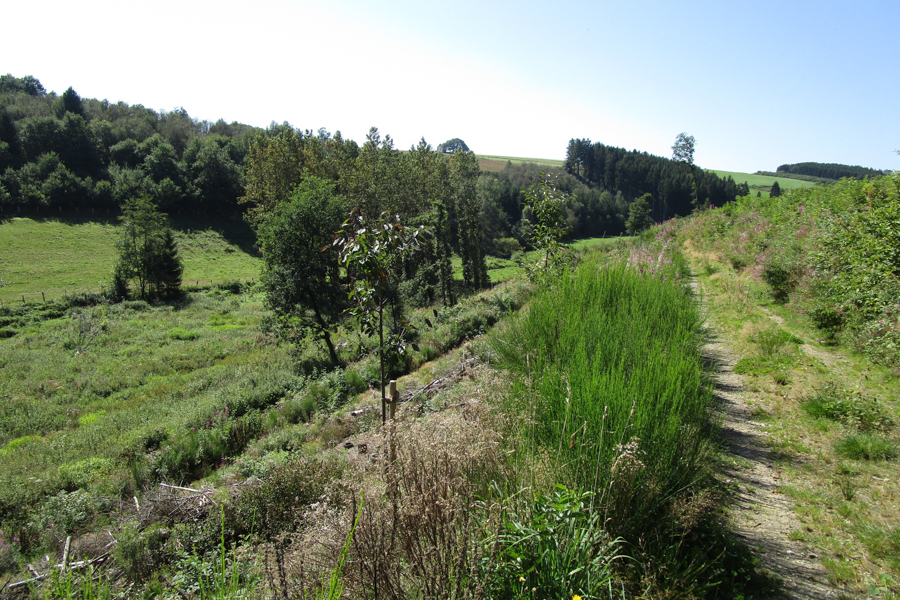
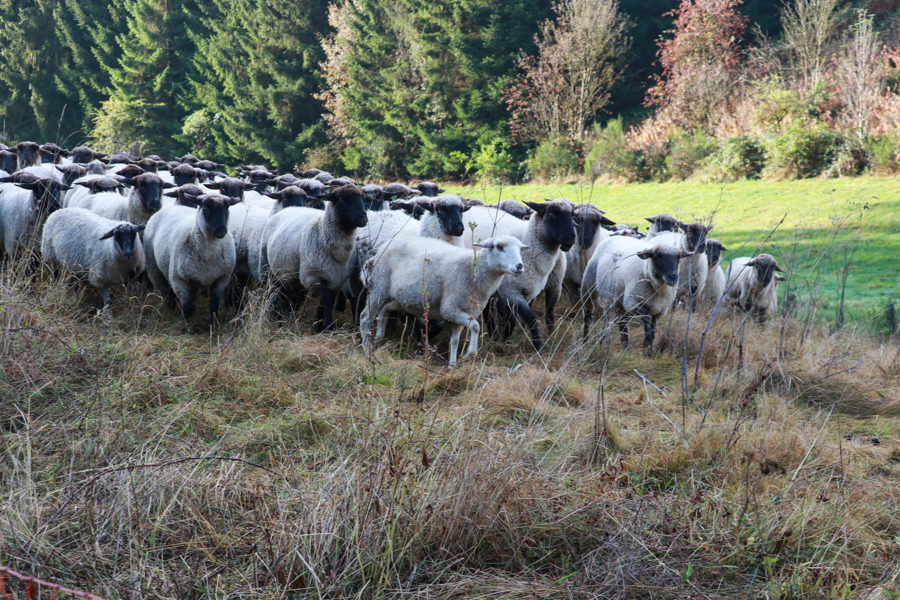
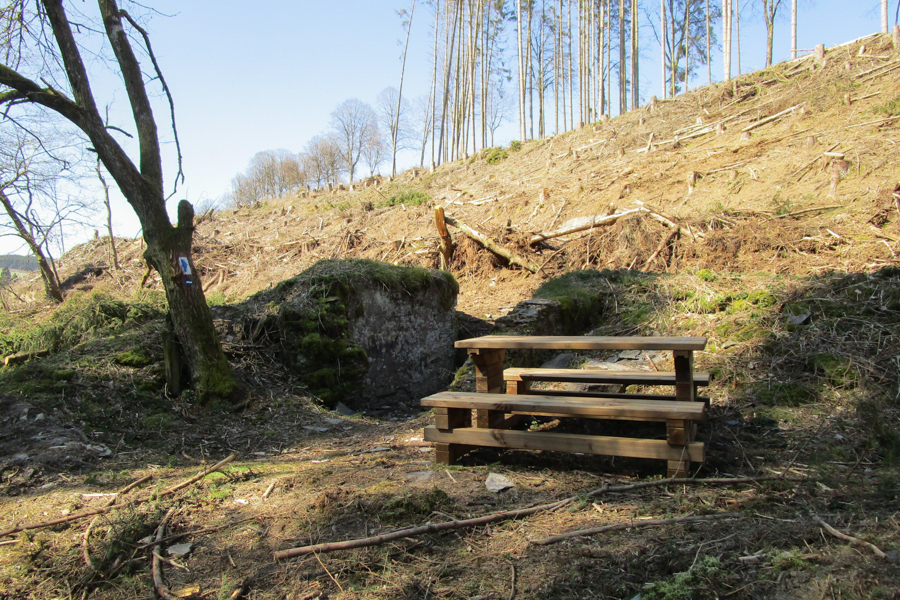
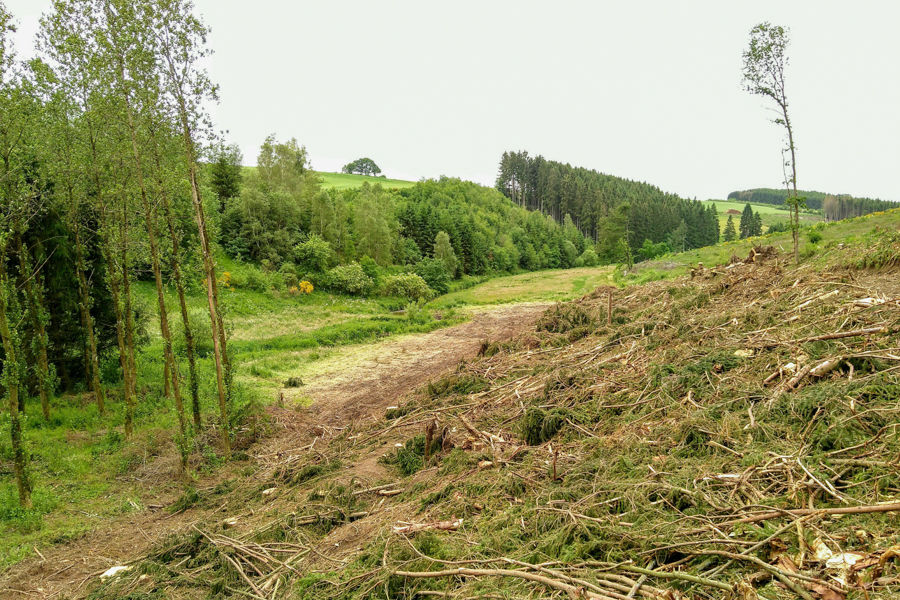
The Foundation’s reserve at Follmillen has expanded in recent years through strategic land purchases, allowing for tailored site management. Wet meadows are now maintained through sheep grazing, while the drier hay meadows are mown annually by a local organic farmer. In the valley floor, the development of an alluvial forest is actively encouraged between the two agricultural zones, spurred by recent plantings following the clear-cutting of spruce stands. The spruce trees that once dominated the slopes were largely felled due to extensive storm damage. In their place, the slopes of the "Boxerberg" have been replanted with various deciduous species. To further enhance structural diversity, typical hedgerows and wild fruit trees (genus Sorbus) have been introduced.
Fighting Invasion and Nurturing Rarity
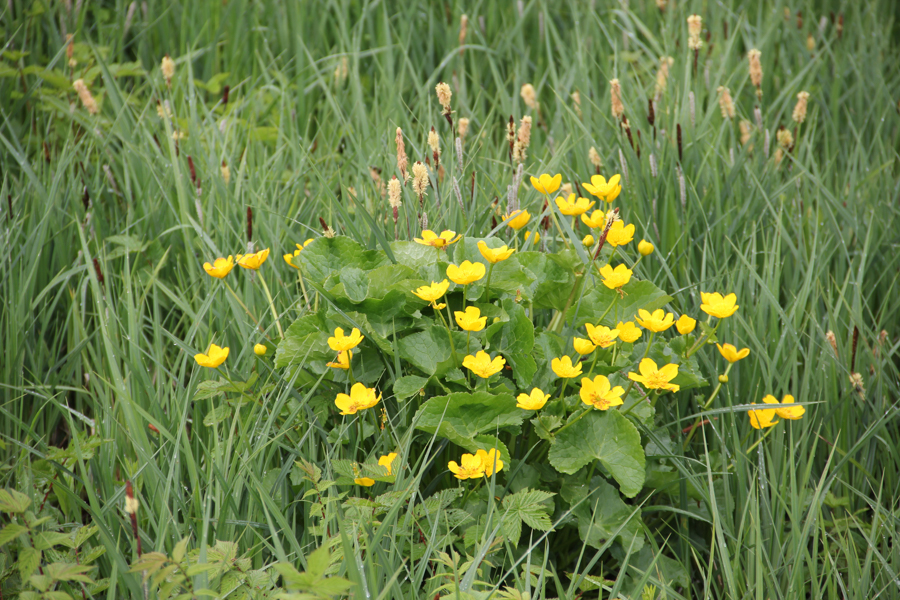
Active annual maintenance is crucial to preserving the ecological balance. Significant effort is dedicated to controlling the invasive Himalayan Balsam (Impatiens glandulifera), which is manually removed each year to prevent its spread. This vigilance allows rare species to thrive. For example, the Marsh Marigold (Caltha palustris), easily identifiable from April to May by its brilliant, glossy yellow sepals, is a key indicator of healthy wetland chemistry, having become rare due to historical drainage and eutrophication.
Avian Life and Aquatic Artists
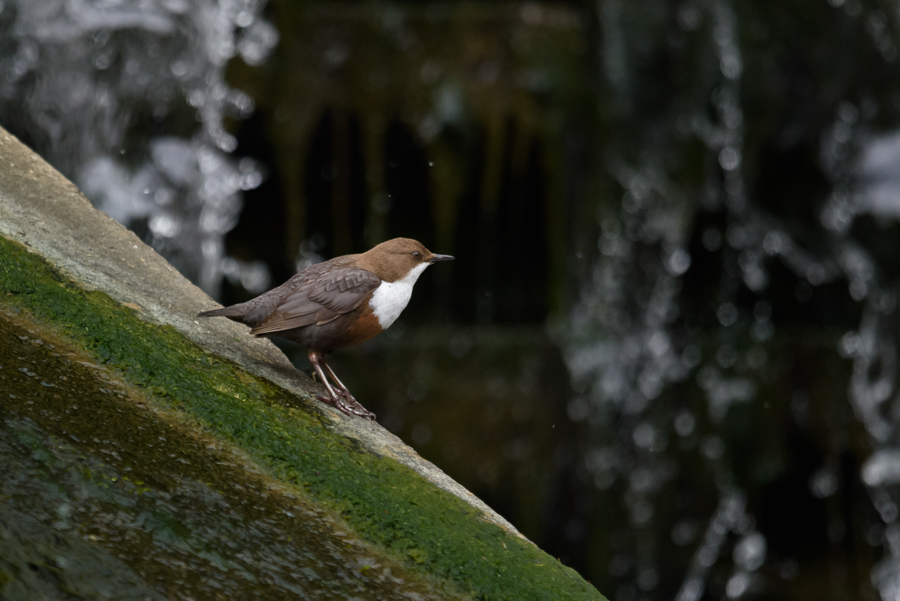
Follmillen provides ideal habitat conditions for specialised wildlife. The Dipper (Cinclus cinclus), a true "water acrobat," haunts the clear, well-oxygenated streams, often walking along the streambed to forage. Easily recognised by its white chest, this "water blackbird" is a sign of high water quality. The successful management is also vital for species like the Marsh Sandpiper (Gallinago gallinago) and the Red-backed Shrike (Lanius collurio), which utilise the extensive meadow areas.
Echoes of History: The Fulling Mill Ruins
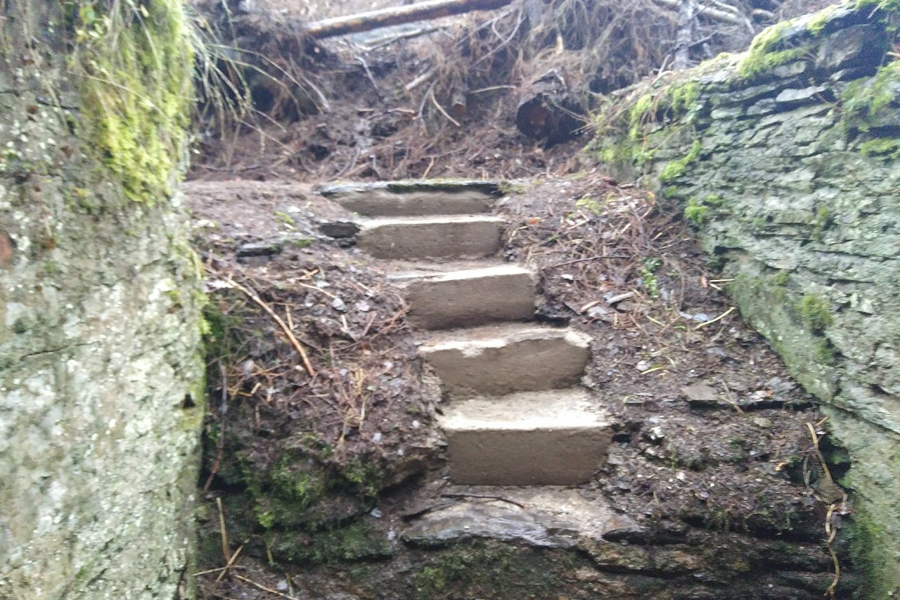
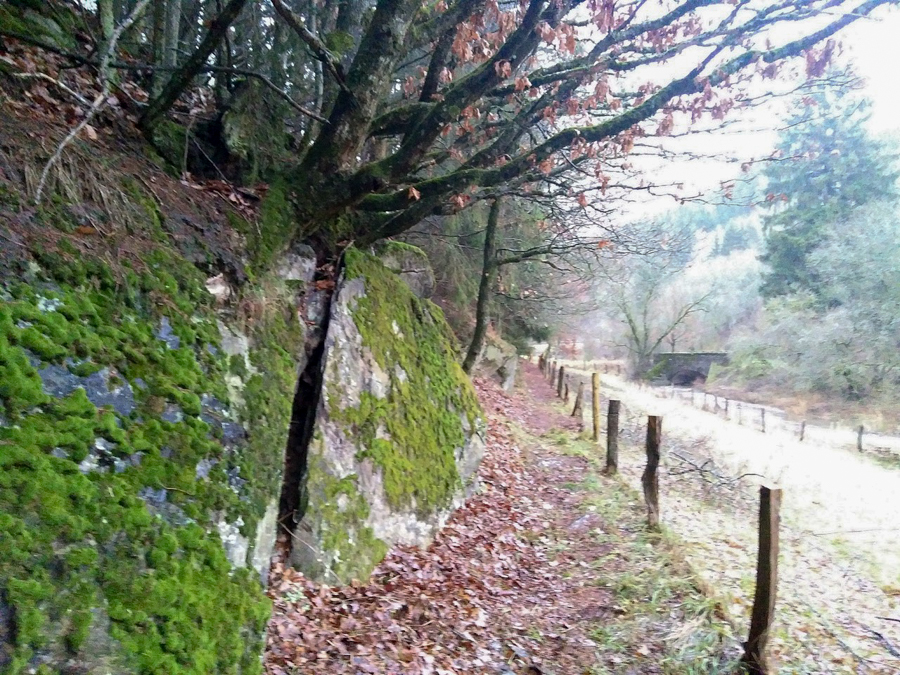
The site carries a rich historical legacy: the ruins of the old Asselborn Fulling Mill (Follmillen, dating back to 1688) lie directly along the ESCAPARDENNE Éislek Trail, which traverses the reserve. A fulling mill was a water-powered structure used to beat, soften, and degrease wool fabrics and leather - a common feature in the Ardennes region known for its heather moorlands and sheep pastures. Thanks to a key acquisition made in 2019, the ruins of the mill and its former supply channel are now permanently preserved and being valorised.
Visitor Information: Exploring Follmillen
The Follmillen valley offers a beautiful opportunity to witness landscape restoration in action. The best time for birdwatching and enjoying the diverse flora is late spring (April to June), when the Marsh Marigold (Caltha palustris) is in bloom and migratory birds are active. Visitors should be aware that the site features diverse topography, ranging from valley floors to forest slopes. Since the area includes extensive managed hay meadows and wetlands, sturdy, waterproof hiking boots are strongly recommended for navigating the terrain comfortably. As the ESCAPARDENNE Éislek Trail runs through the reserve, visitors can connect the area's natural beauty with its industrial heritage by viewing the preserved ruins of the historic Follmillen fulling mill.