 Credit: natur&ëmwelt
Luxembourg has what is known as a Temperate Climate in which winters are generally mild and summers comparatively cool, with rainfall that can be high; its flora and fauna have thrived in and adapted to this climate over the centuries and millennia, with ongoing challenges due to pollution and recent climate change, as well as the introduction of non-native species, resulting in disruptions to the norm.
Nevertheless, with various initiatives and organisations helping the ecosystem and habitat, including sustainability and re-wilding, there is a lot happening in nature across the Grand Duchy.
Chronicle.lu has teamed up with natur&ëmwelt (the non-profit organisation (naturemwelt), the foundation (Hëllef fir d'Natur) and the Wildlife Care Centre (Flegeestatioun) for a series of articles on Luxembourg's nature reserves, in which we look at the natural habitats that preserve biodiversity and protect ecosystems from development, pollution and intensive agriculture.
No. 13 in this series focuses on Kalbermillen.
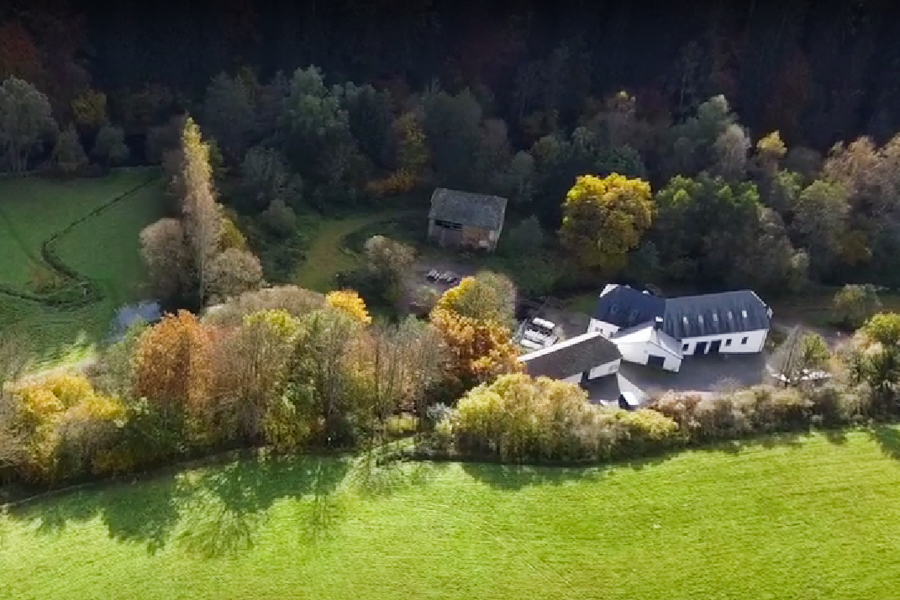
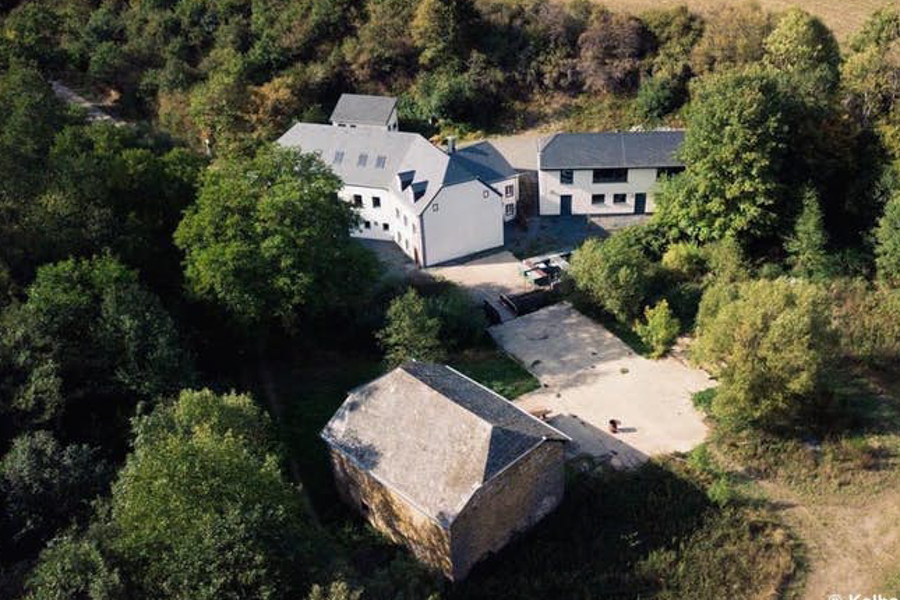
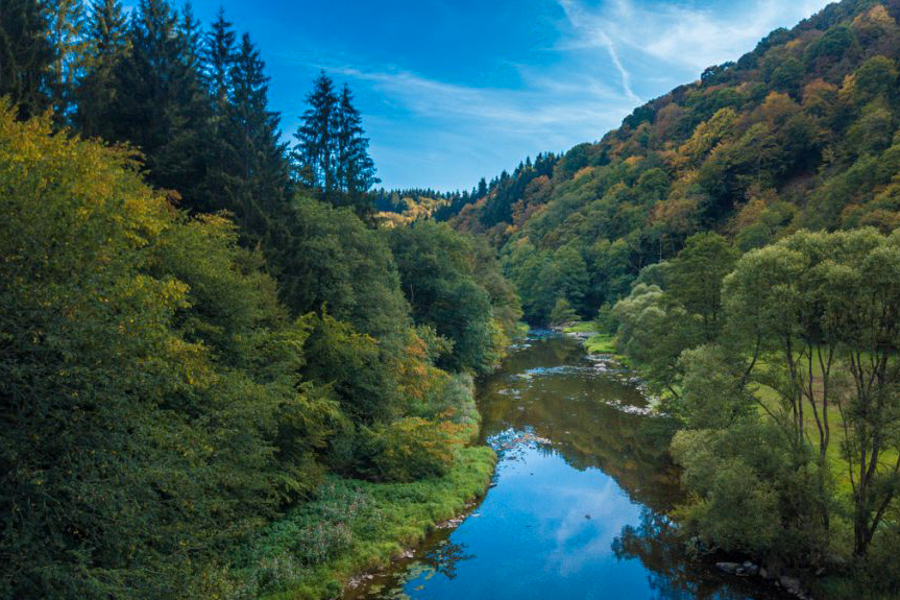
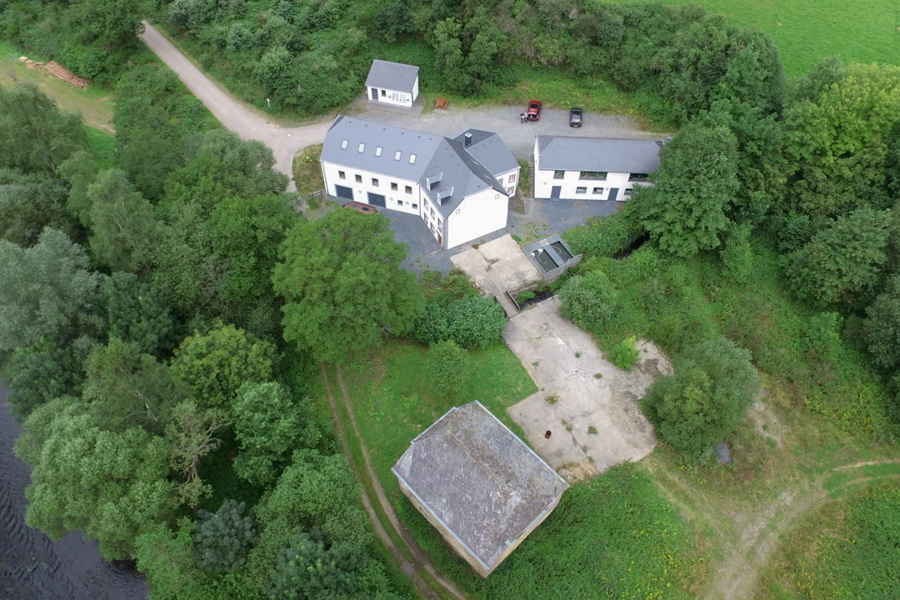
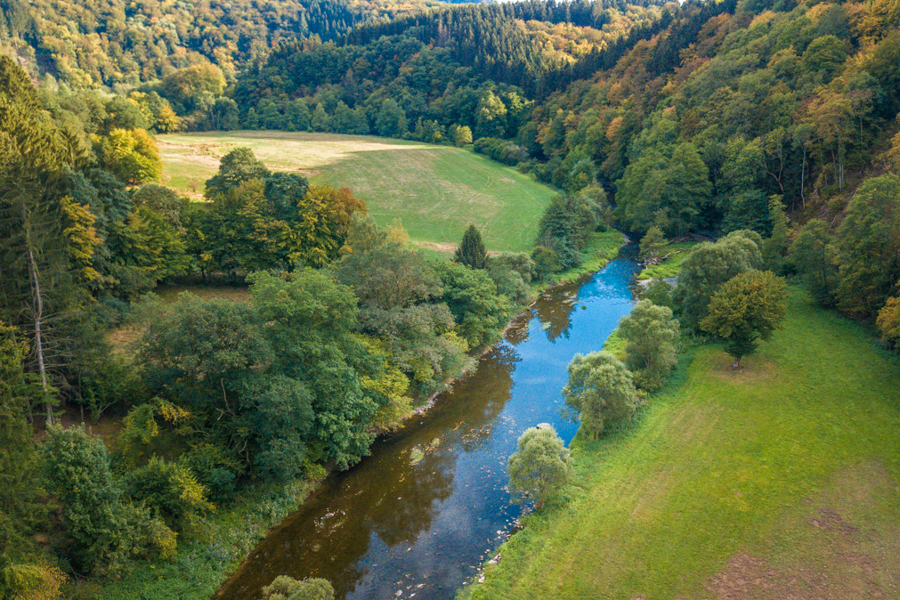
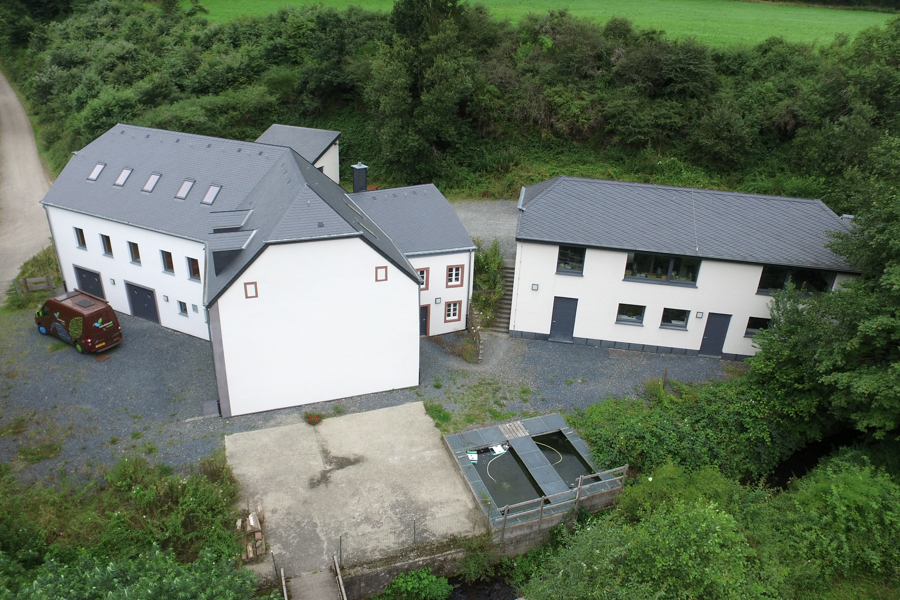
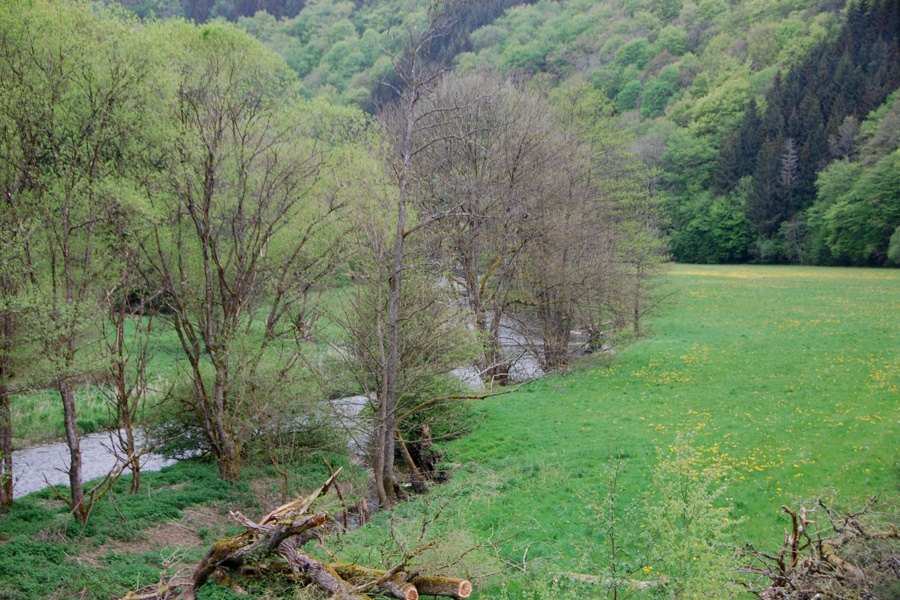
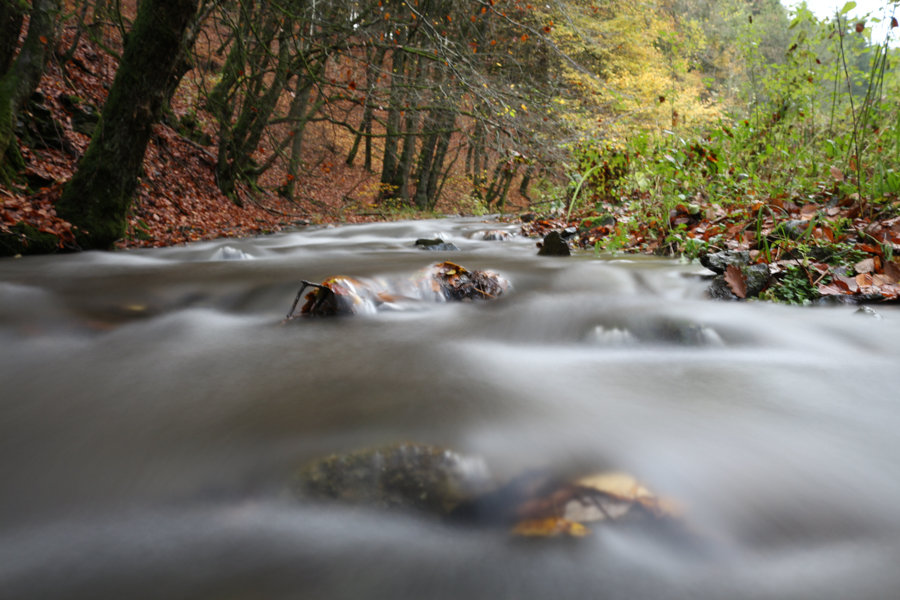
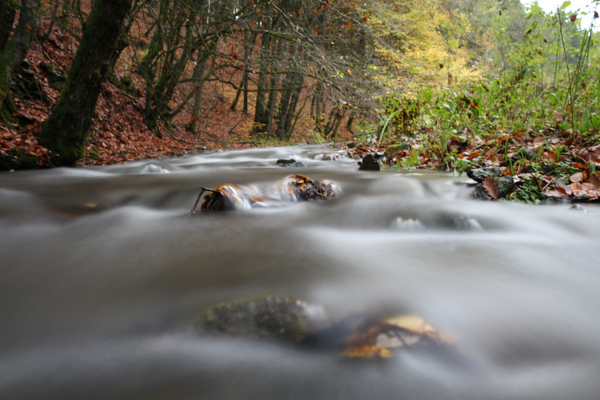
The upper valley of the Our river represents one of the Foundation’s favoured action areas, preserving one of the last truly "wild" valleys in the region. Near Kalborn Mill, acquired in 1997, nearly 90 hectares of forests, pastures, and hay meadows frame this precious site. The mill itself, nearly 300 years old, has been repurposed entirely for nature protection, serving as a focal point for environmental education and specialized conservation.
The Kalborn Hub: Education, Restoration, and EU Protection
Since 2007, the historic buildings have undergone progressive renovations, supported by European projects (LIFE, Leader) and national partners (Great Duchess Charlotte National Relief Fund, MDDI). This careful restoration now houses the Water Experience Centre (WEZ – Waasser Erliefnes Zenter), the freshwater mussel breeding station, and the Natura 2000 room. The WEZ, operational since 2016, functions as an environmental education centre focused on aquatic ecosystems for students and private groups. The Natura 2000 room further educates visitors about the European protection zones, their significance in Luxembourg, and the specific features of the "Our Valley."
The Mussel Rescue: Protecting the Umbrella Species
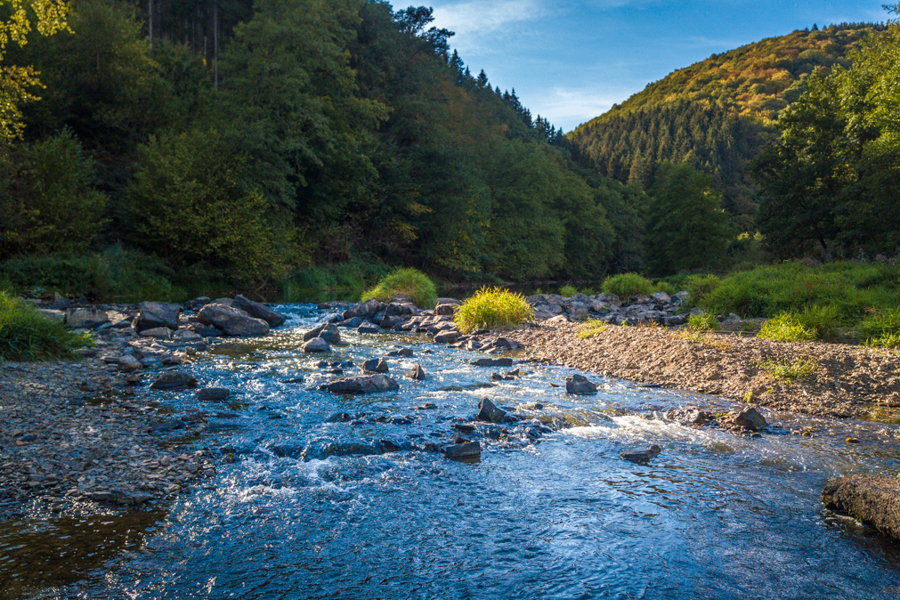
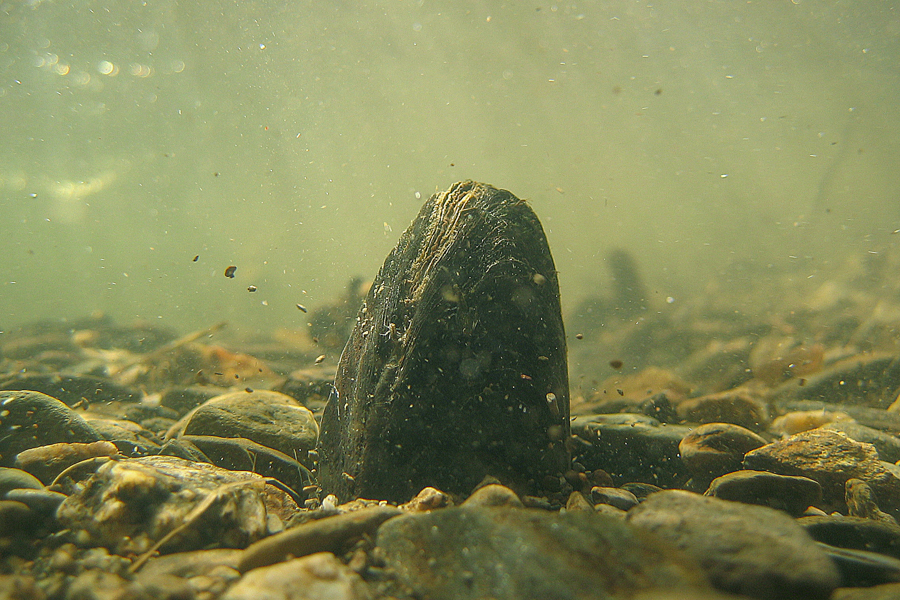
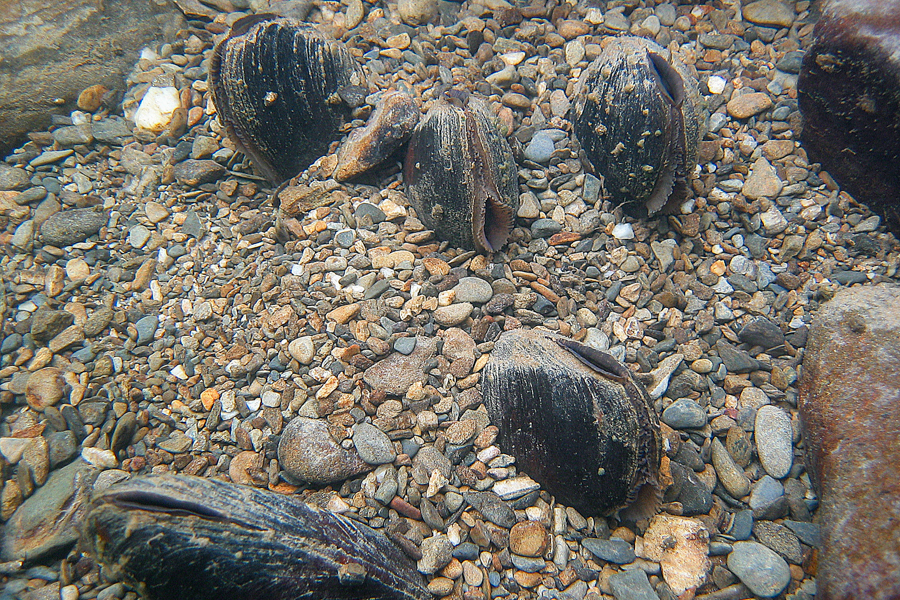
A cornerstone of the work at Kalborn is the conchological breeding station, dedicated to rearing two endangered species: the Pearl Mussel (Margaritifera margaritifera) and the Thick-shelled River Mussel (Unio crassus). The Pearl Mussel is an excellent "umbrella species"; its extreme sensitivity to water quality, it requires low nutrient levels, cool water in summer, and minimal fine sediment, means that protecting it automatically safeguards an entire, pristine ecosystem. These mussels spend their lives half-buried in riverbeds, filtering up to 50 litres of water daily. The ultimate goal of this captive breeding program is the successful reintroduction of these mussels into suitable streams across the Greater Region (Luxembourg, Belgium, and Germany).
Wild Landscape Management and Historical Context
The conservation efforts extend beyond the buildings into the surrounding landscape. The management of the nearly 90 hectares of forests and meadows around the mill is adapted to preserve the wild character of the upper Our valley. This involves maintaining the balance between the forests on the slopes and the riparian zones.
Visitor Information: Exploring Kalborn and the Our Valley
The Kalborn site offers a unique destination focused on water ecology and conservation history. The Water Experience Centre (WEZ) is the main point of access for educational visits; it is open to the public since 2016, offering interactive exhibits ideal for families and students keen to understand aquatic systems and mussel conservation. The Natura 2000 room provides essential context on European protected areas.
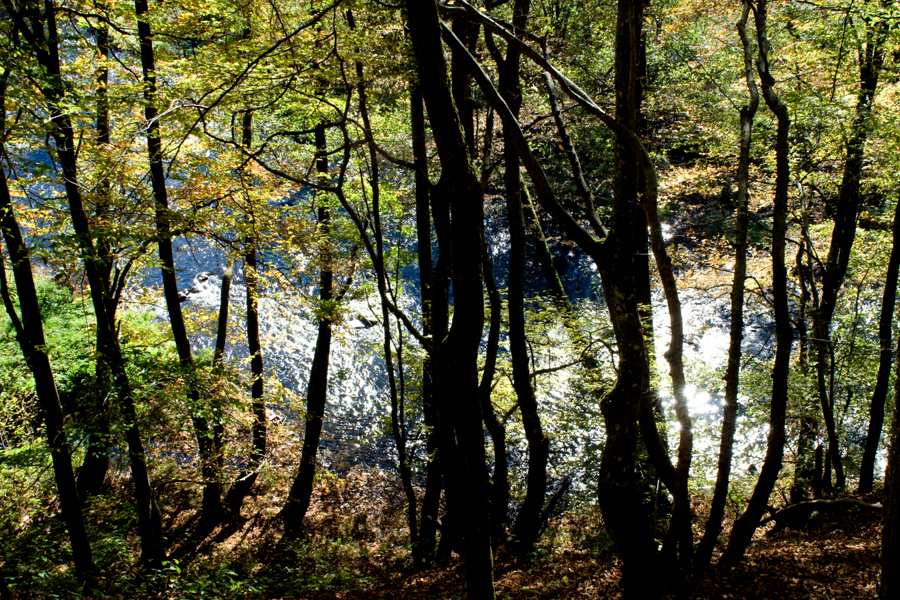
For nature lovers, the proposed hiking trail allows exploration of the wildest and most isolated parts of the Our valley. This trail combines two existing paths, which can be walked together or separately, featuring spectacular viewpoints and tracing along the Our river amidst steep ravine forests. While the historical mill buildings and facilities are central, visitors should note that the mussel breeding station is a highly specialized laboratory and may only be viewable through dedicated educational tours organized via the WEZ.