
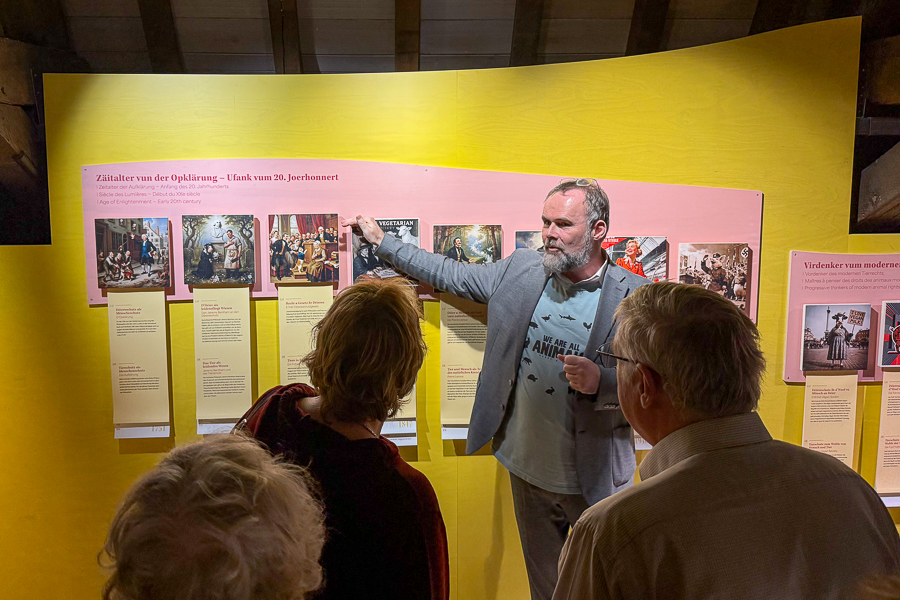
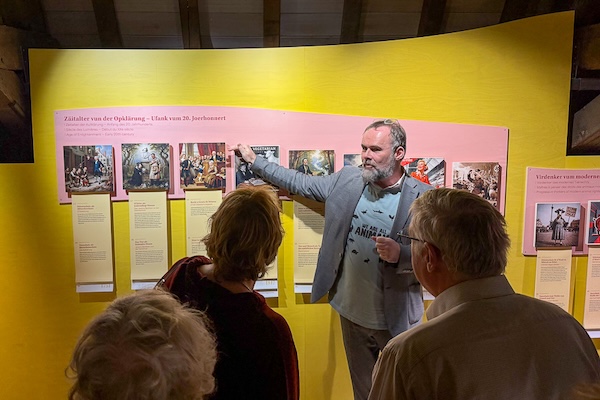
 Patrick Michaely, Director of the Naturmusée;
Credit: Ievgenii Karanov, Chronicle.lu
Patrick Michaely, Director of the Naturmusée;
Credit: Ievgenii Karanov, Chronicle.lu
On Thursday 18 December 2025, the Luxembourg National Museum of Natural History (MNHN – Naturmusée) in Luxembourg-Grund opened a new temporary exhibition entitled “animalECH”, which will run until 23 August 2026.
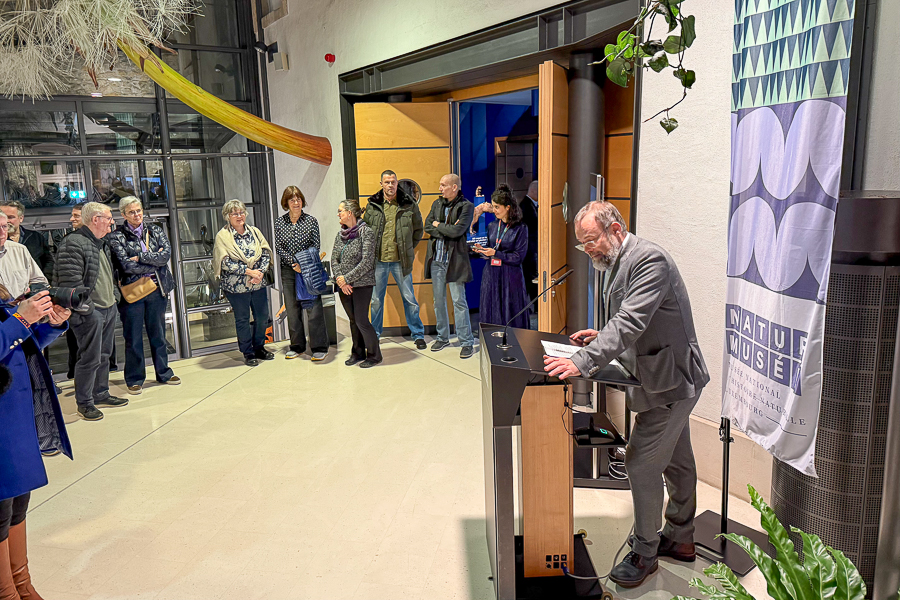
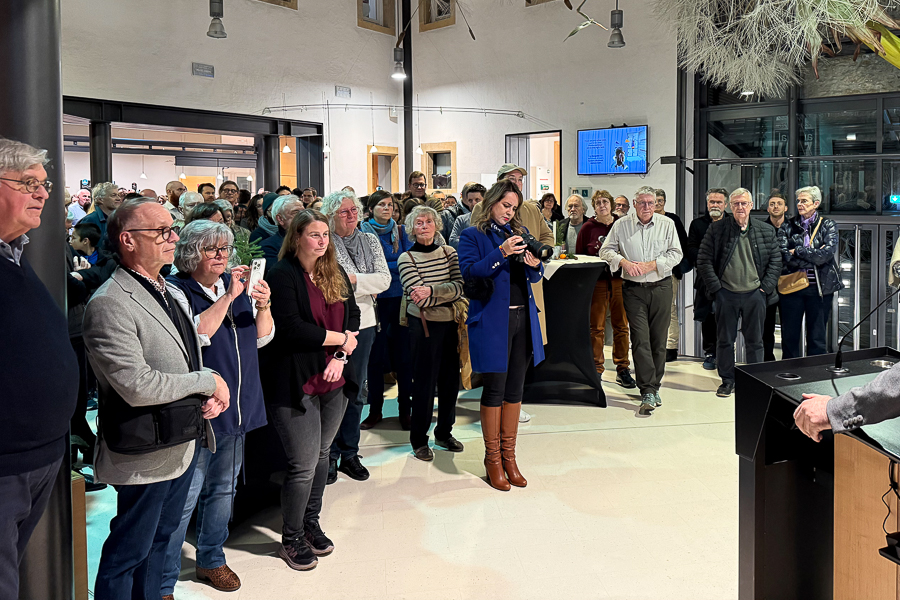
The opening reception was attended by around 100 guests and included a first guided tour led by Patrick Michaely, Director of the Naturmusée, in the presence of Catherine Decker, Commissioner of Luxembourg’s cultural institutes and Secretary General of the Luxembourg Commission for UNESCO.
In his opening remarks, Patrick Michaely highlighted the relevance of the exhibition’s theme, stressing that the relationship between humans and animals remains both complex and essential to address. Referring to the importance of openness and inclusivity, he underlined that an open society must be willing to examine this relationship honestly and critically, even when it is uncomfortable. He also thanked all those involved in the project, describing the exhibition as a necessary and timely reflection on a subject that concerns everyone.
Catherine Decker, for her part, emphasised that animals are omnipresent in Luxembourg’s landscapes, even though people often tend to think of themselves as separate from the natural world. She pointed to the longstanding cultural distinction between nature and culture, while noting that animals, although without a voice of their own, nonetheless have a place within society and shared heritage. Highlighting the role and responsibility of cultural institutions, she underlined the importance of museums in fostering a better understanding of animals, diversity and coexistence, expressing pride in a future-oriented institution that promotes respect for all living beings.
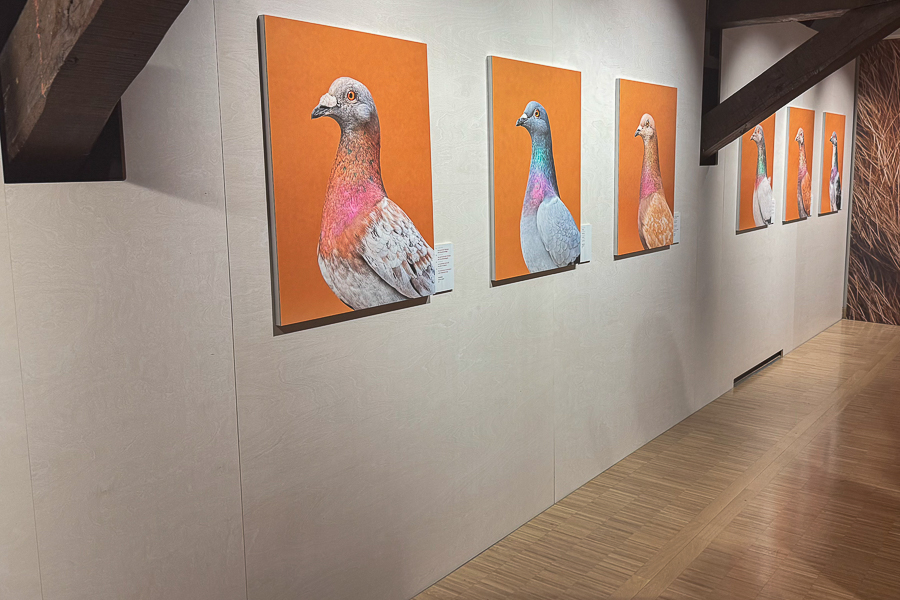
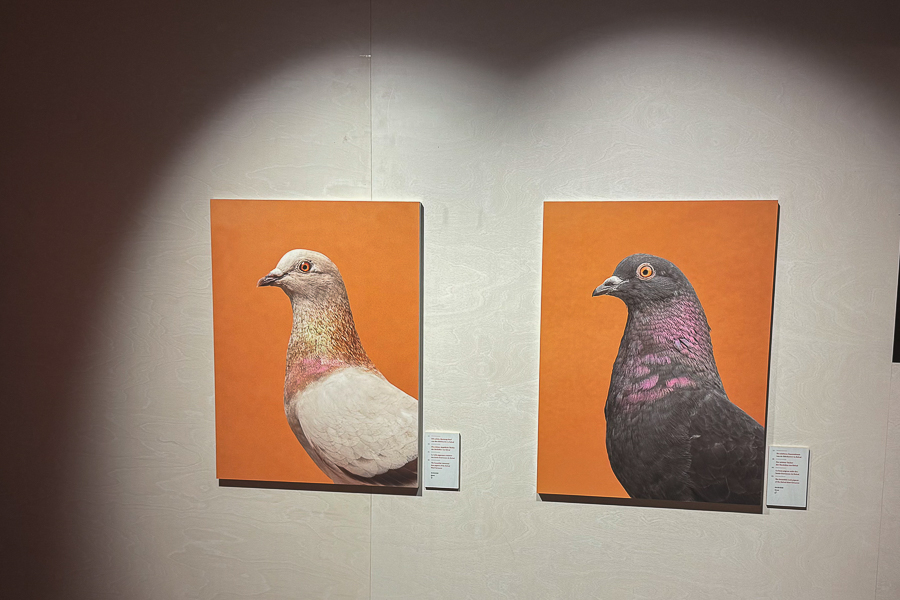
According to the organisers, the “animalECH” exhibition invites visitors to reflect critically on their personal relationship with non-human animals. Through a series of themes and questions, it explores how perceptions of animals are shaped by cultural, ethical and social contexts, as well as by individual experiences and scientific developments. The exhibition highlights the evolving nature of human–animal relationships and encourages visitors to examine their own attitudes, emotions and assumptions from a reflective and critical perspective.
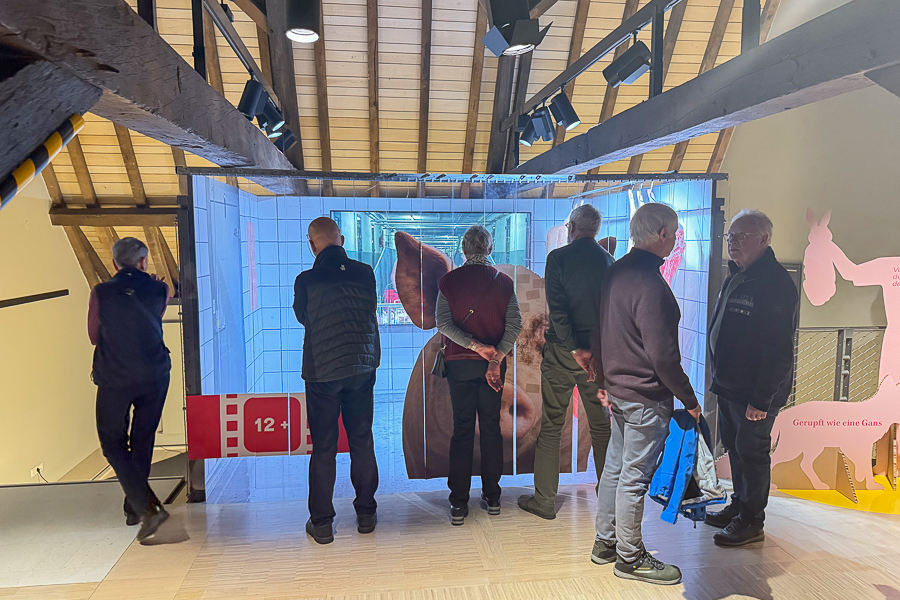
Among the themes addressed, the exhibition explores the contradictions in human attitudes towards animals, such as why some species are cared for while others are exploited. Drawing on insights from behavioural economics, it examines concepts including cognitive dissonance, moral justification and social habits that influence everyday choices related to animal welfare, food consumption and hunting.
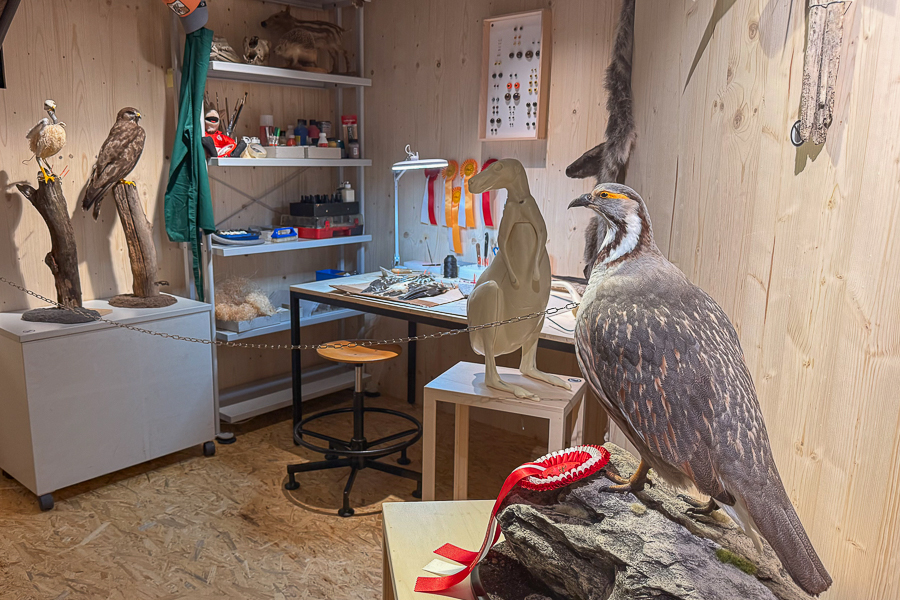
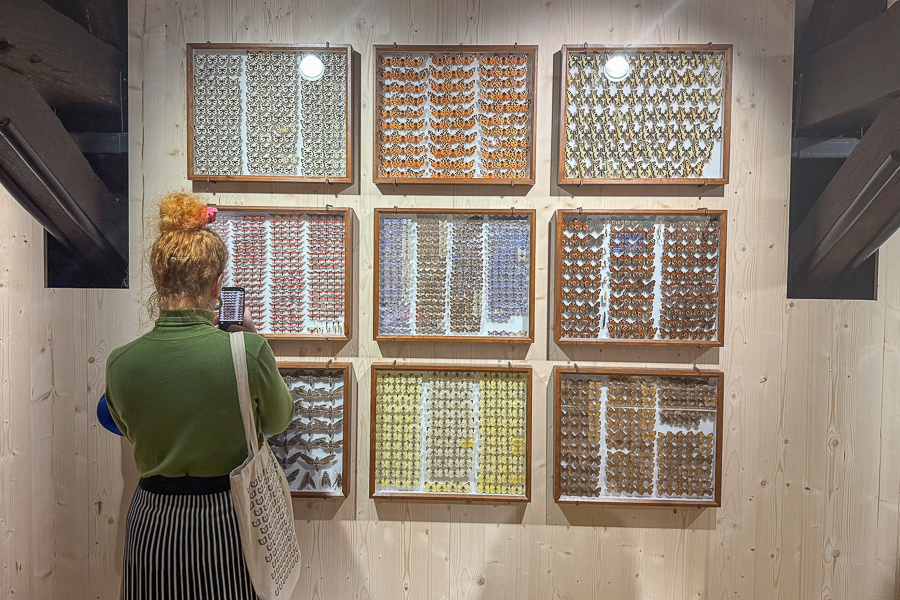
The exhibition also looks at the evolving role of taxidermy in natural history museums. Once primarily a scientific practice, taxidermy is now presented as a cultural and ethical subject, raising questions about colonial history, species extinction and human–animal relationships. Visitors are encouraged to reflect on how preserved specimens function not only as scientific evidence, but also as historical artefacts shaped by their time, while acknowledging the ethical concerns and discomfort such displays may raise today.