 Credit: Ali Sahib, Chronicle.lu
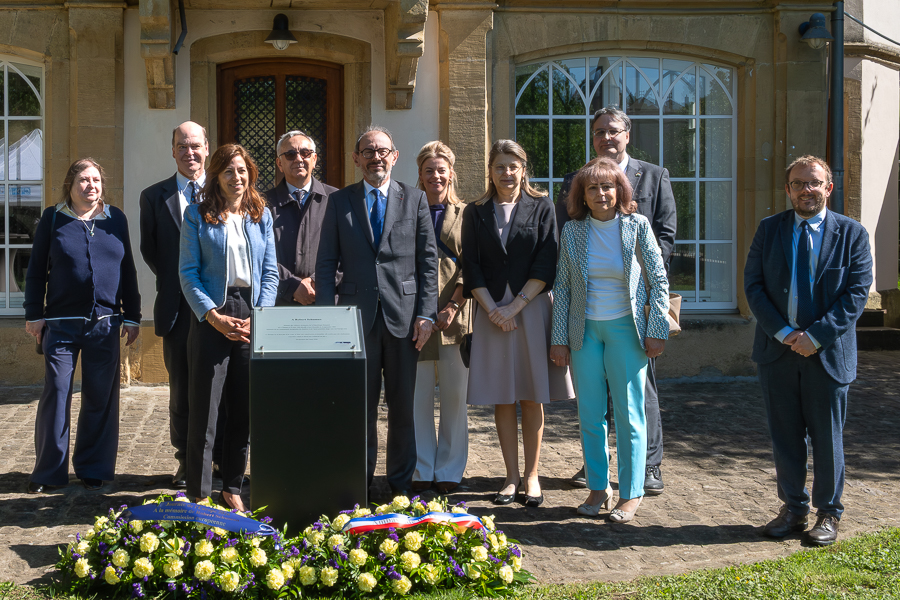
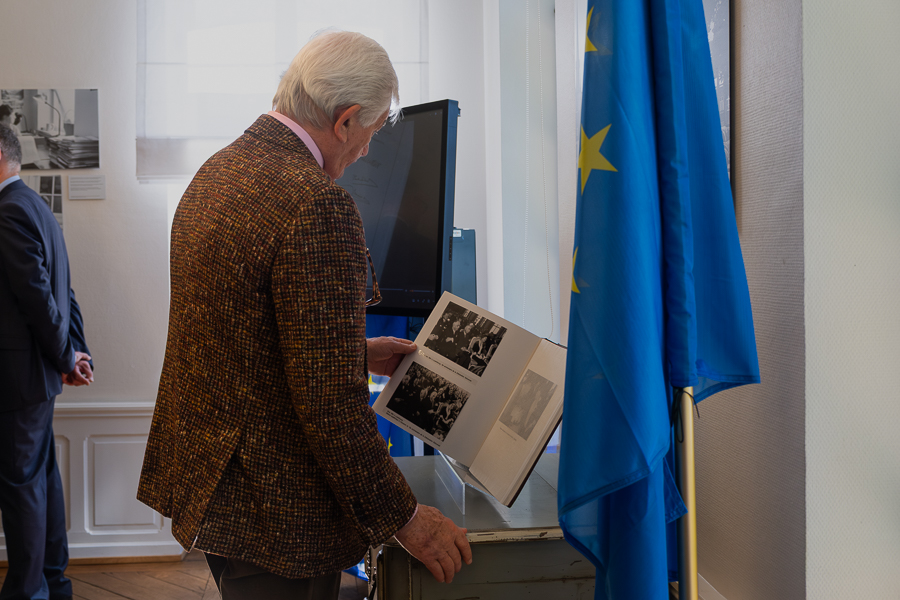
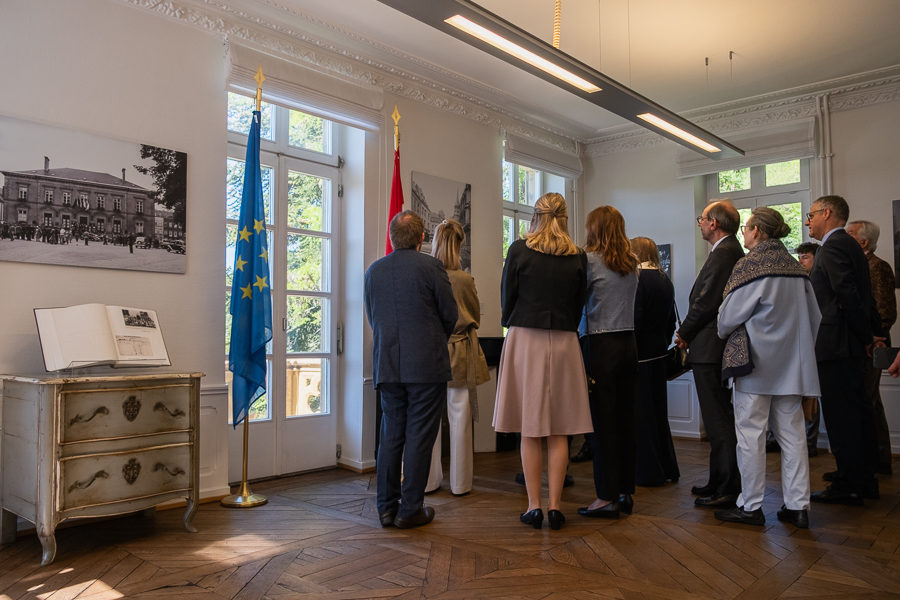
On Saturday 9 May 2026, the European Parliament (EP) Liaison Office celebrated Europe Day at the Europa Experience visitor centre and the Konrad Adenauer building in Luxembourg-Kirchberg, opening the tower’s sixteenth floor to the public for the first time.
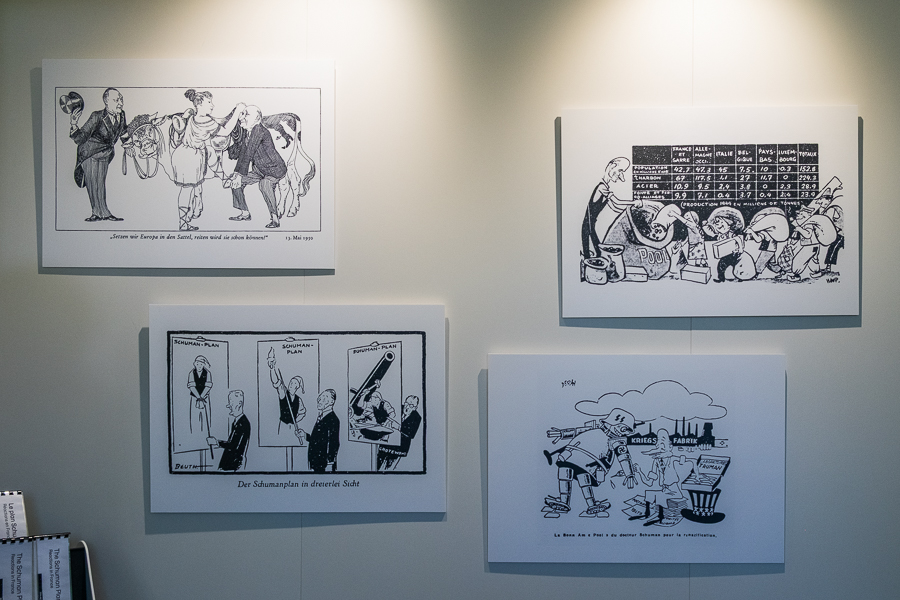
Luxembourg’s public holiday on 9 May commemorates the 1950 Schuman Declaration. As a day off work, it aims to encourage the public to celebrate the unity of the European Union (EU) and the peace it has helped to achieve.
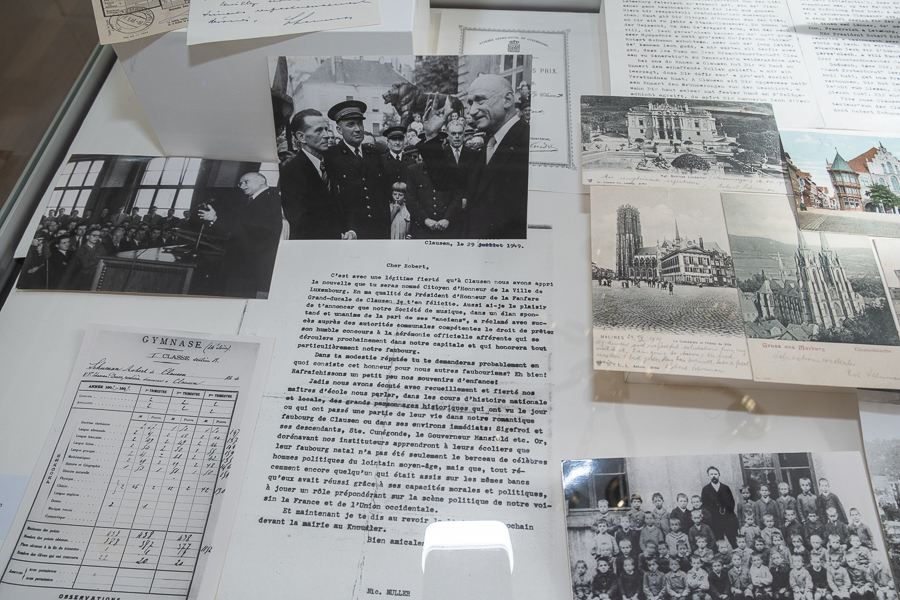
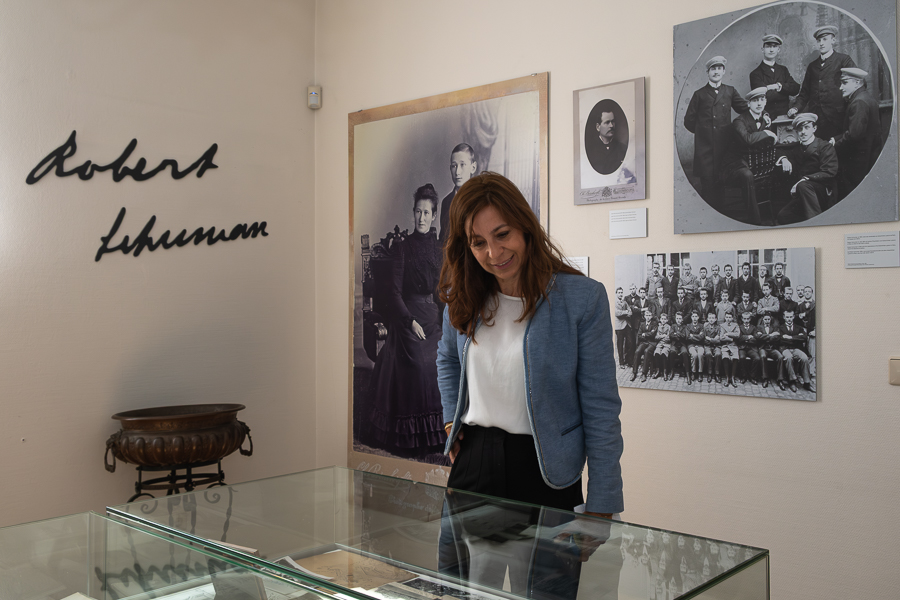
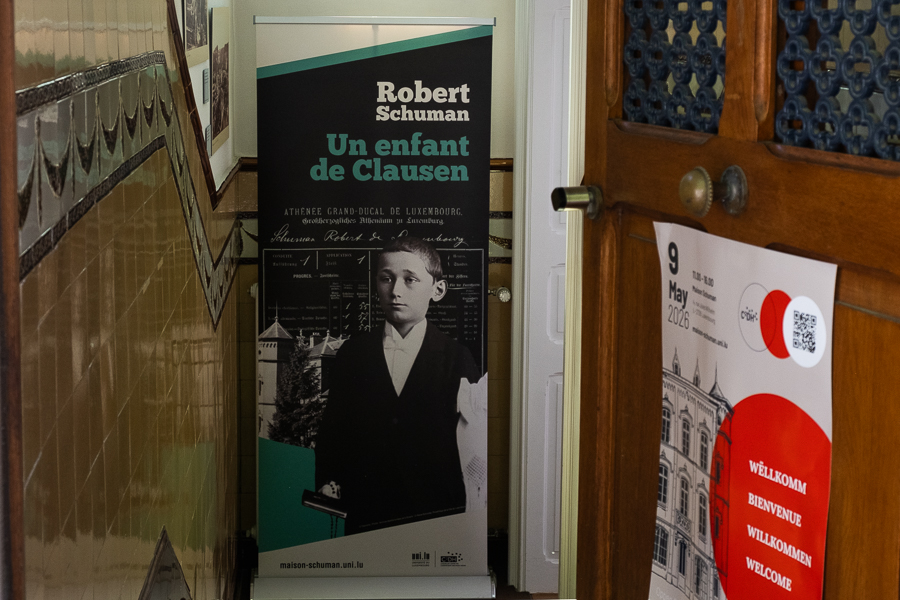
The event was free and also included a ceremony at the birthplace of Robert Schuman in Luxembourg-Clausen. Across both venues it offered a programme, which featured children's activities, presentations, discussions with Members of the European Parliament (MEPs), quizzes, information stands, guided tours, food trucks, as well as an opportunity to experience the work of translators and interpreters.
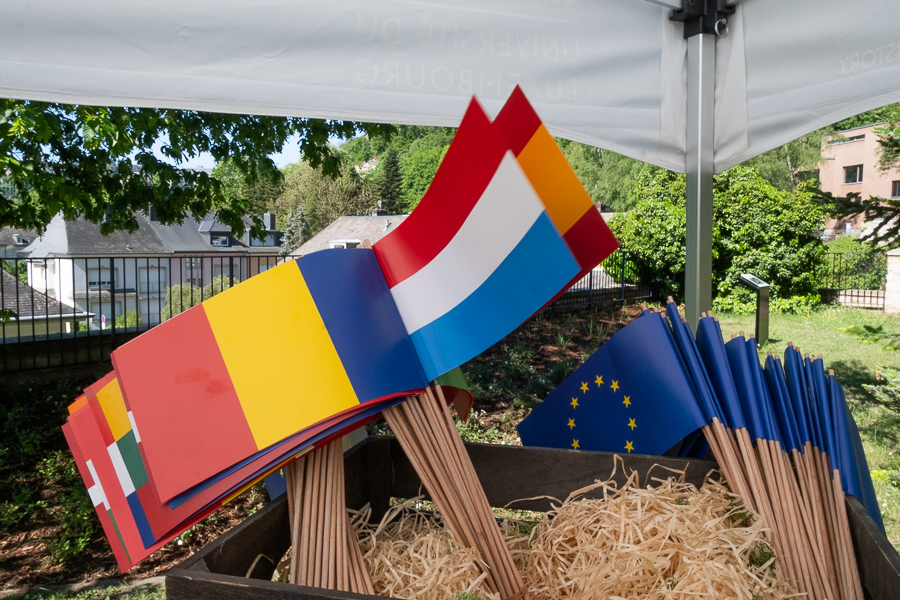
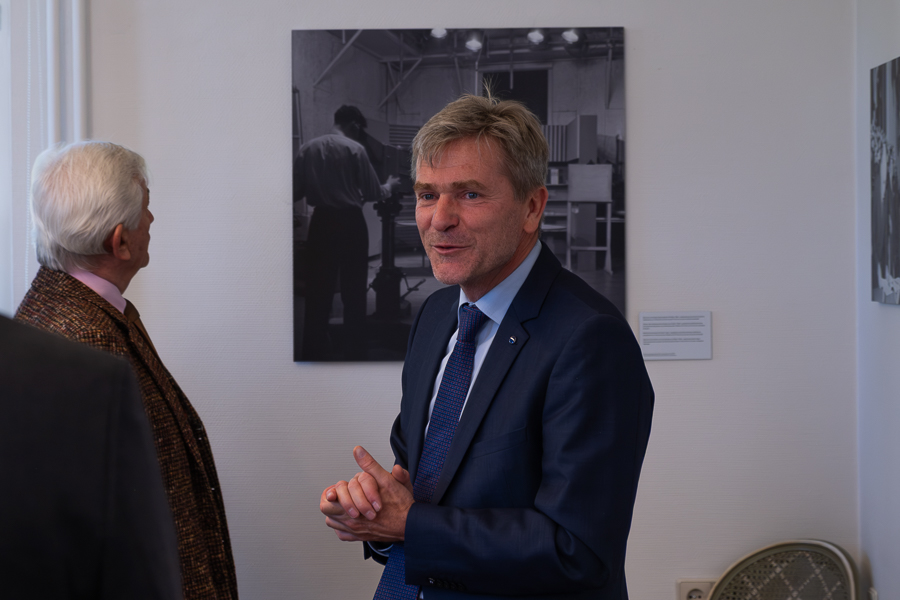
Several ambassadors and European institutional representatives also attended the event, including representatives from France, Germany, Greece, Italy, Portugal, Romania, the Czech Republic and Bulgaria, as well as officials from the European Commission and the EP.
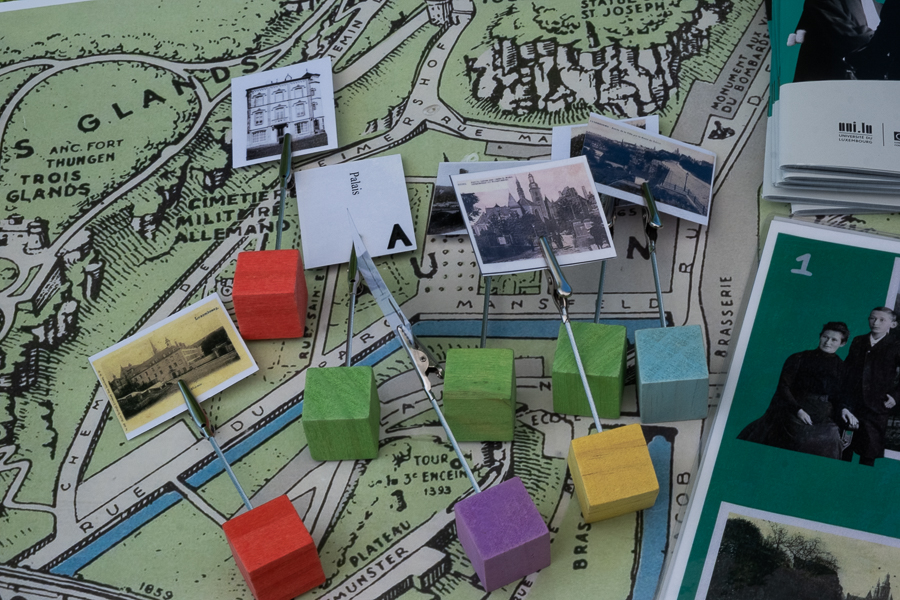
Alongside various activities the information stands showcased the diversity of European institutions, such as: job and internship opportunities at the EP; EP translators and interpreters; security at the EP; Ask EP; digital accessibility; "the Zentrum fir politesch Bildung" (Centre for Citizenship Education); the Luxembourg City Tourist Office (LCTO); the European Commission with Europe Direct Luxembourg; Luxembourg's Ministry of Family Affairs, Solidarities, Living Together and Reception of Refugees and others.
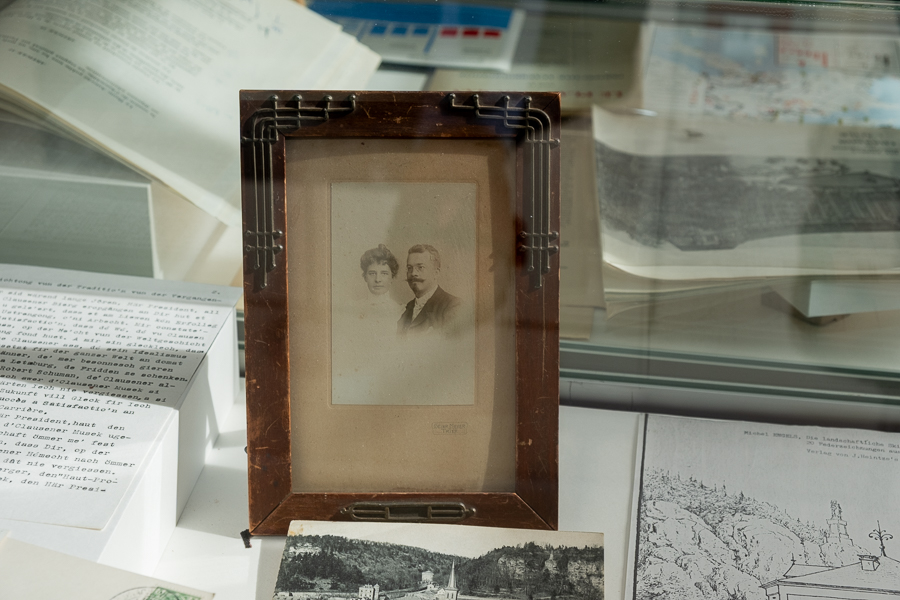
Speaking with journalists, Christophe Bouchard, Ambassador Extraordinary and Plenipotentiary of the French Republic, reflected on the history of the event. He explained that Robert Schuman, who was born in Luxembourg in 1886, grew up at a time when Europe faced constant conflict and shifting borders. Schuman’s father was born French in Lorraine before the region became part of Germany, while his mother came from Luxembourg. The family’s history reflected the complex identity of the Greater Region, with ties across Luxembourg, Lorraine and Alsace. Schuman himself was born German, studied in Luxembourg and Lorraine, worked in Alsace under German rule and only became French in 1919 after the end of the First World War.
Putting emphasis on the importance of Schuman’s family background to Luxembourg today, Christophe Bouchard said that his life symbolised the "deep historical and cultural connections between Luxembourg, Germany and France". He noted that Schuman’s personal story reflected the experience of many families in the region whose identities crossed borders and political systems during periods of war and territorial change.
“It is very moving to find ourselves here in Luxembourg because the life of Robert Schuman began here, and because the life of Europe also began here,” he noted.
Anne Calteux, Head of Representation in Luxembourg for the European Commission also commented on the occasion. She recalled that one year earlier representatives of the three main European institutions gathered in Luxembourg at the invitation of Luxembourg's Prime Minister Luc Frieden to mark the 75th anniversary of the Robert Schuman Declaration.
She added: “Together, they reaffirmed their deep commitment to a European project that unites citizens, supports economic prosperity and social progress, and builds a new defence architecture that strengthens our security and strategic autonomy.”