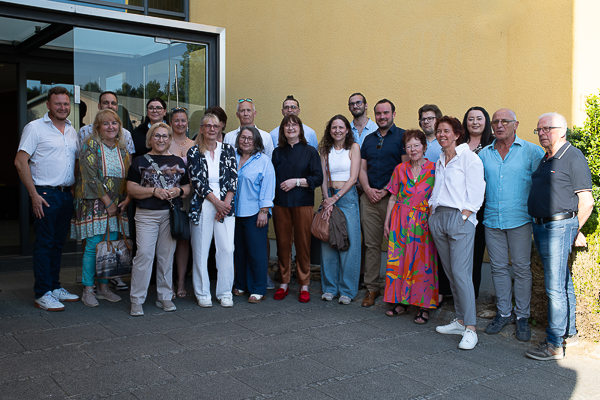
 Group photo;
Credit: Ali Sahib, Chronicle.lu
Group photo;
Credit: Ali Sahib, Chronicle.lu
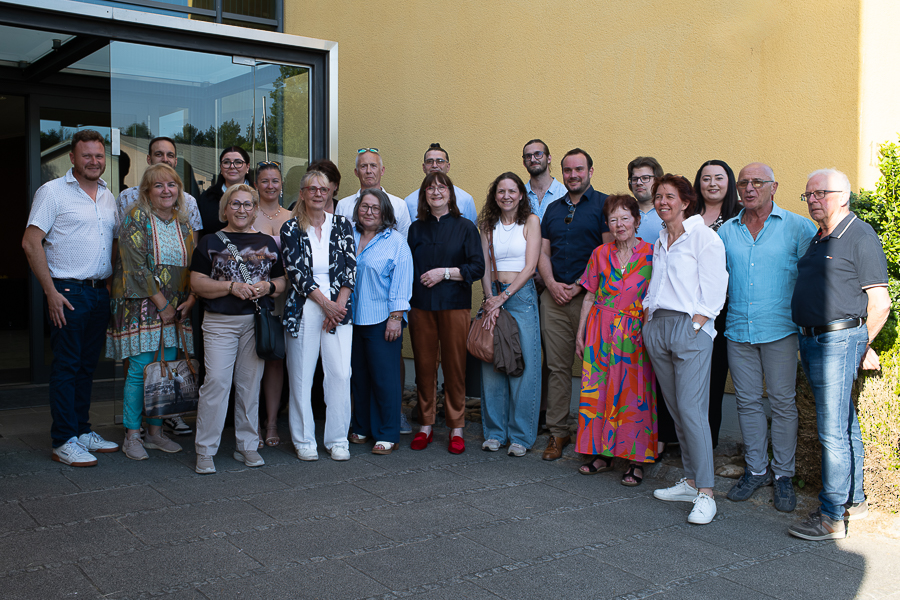
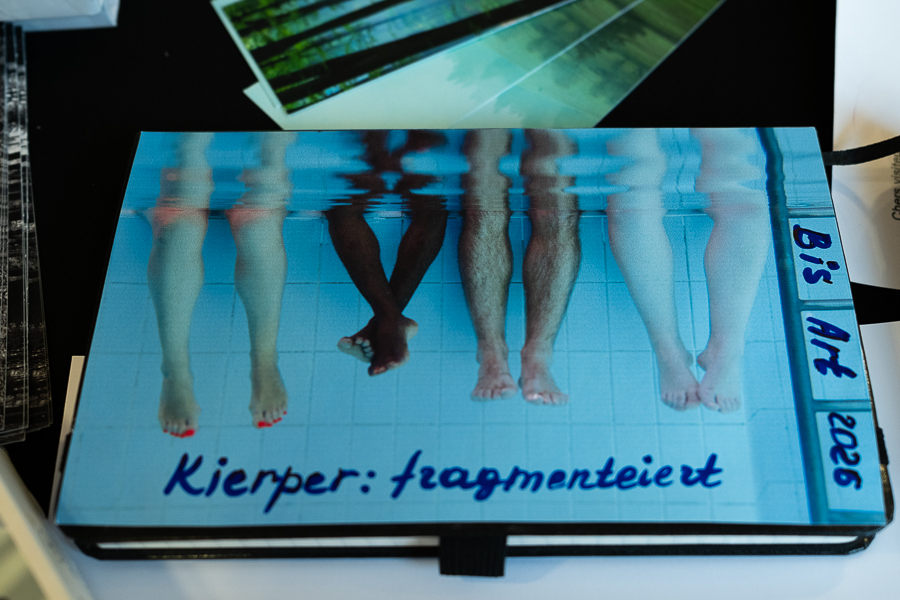
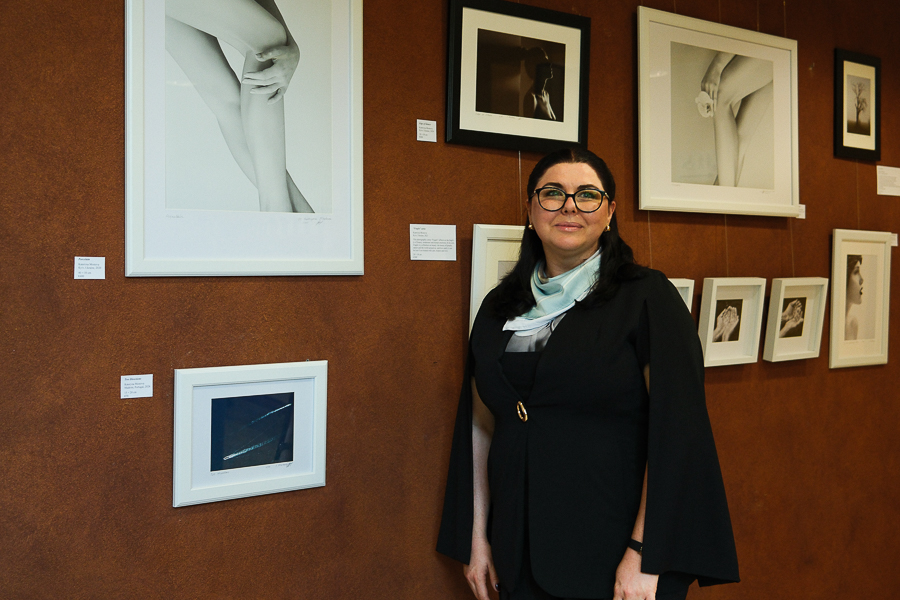
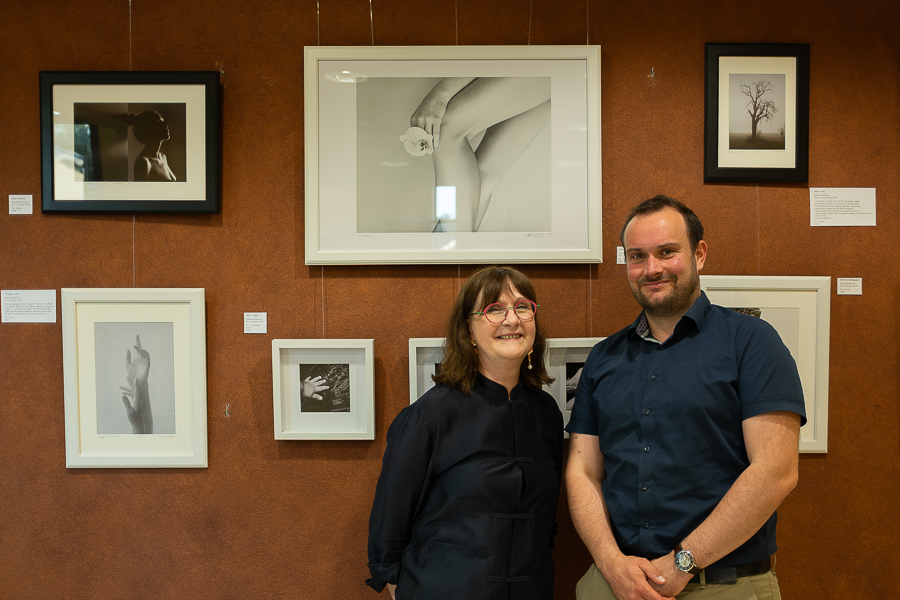
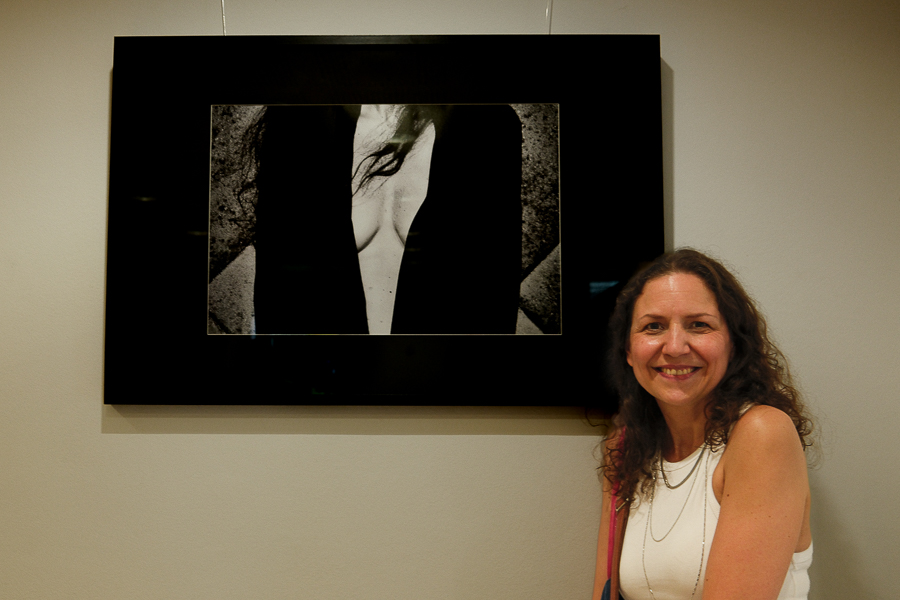
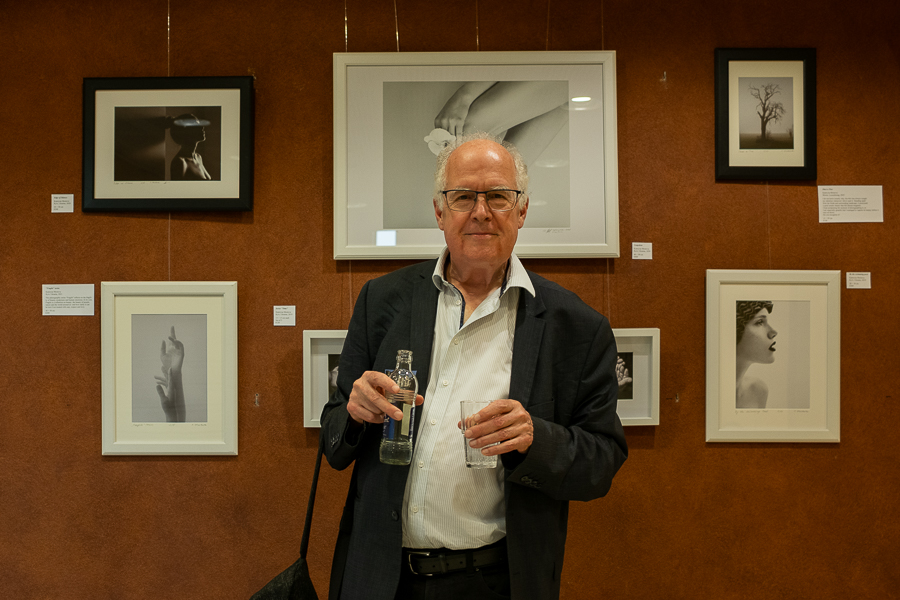
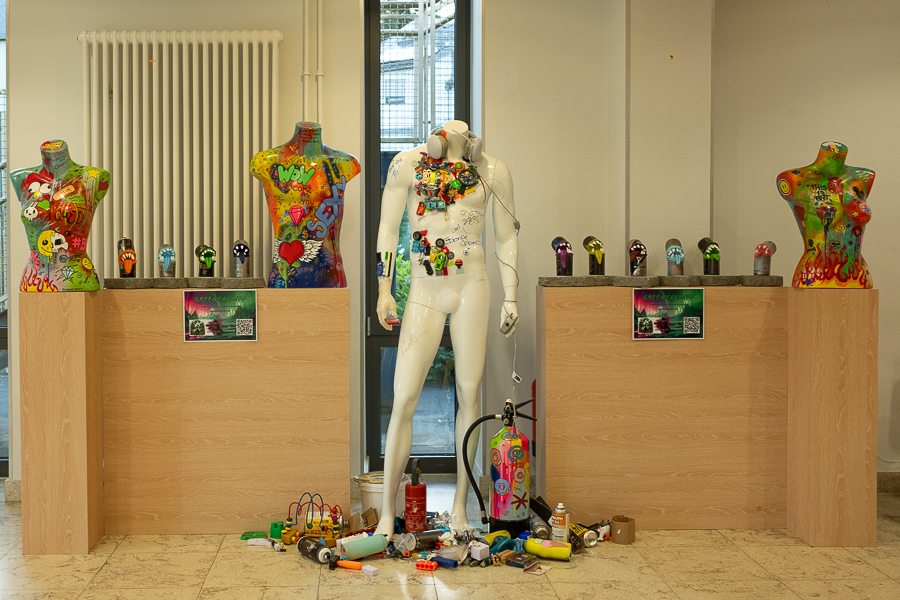
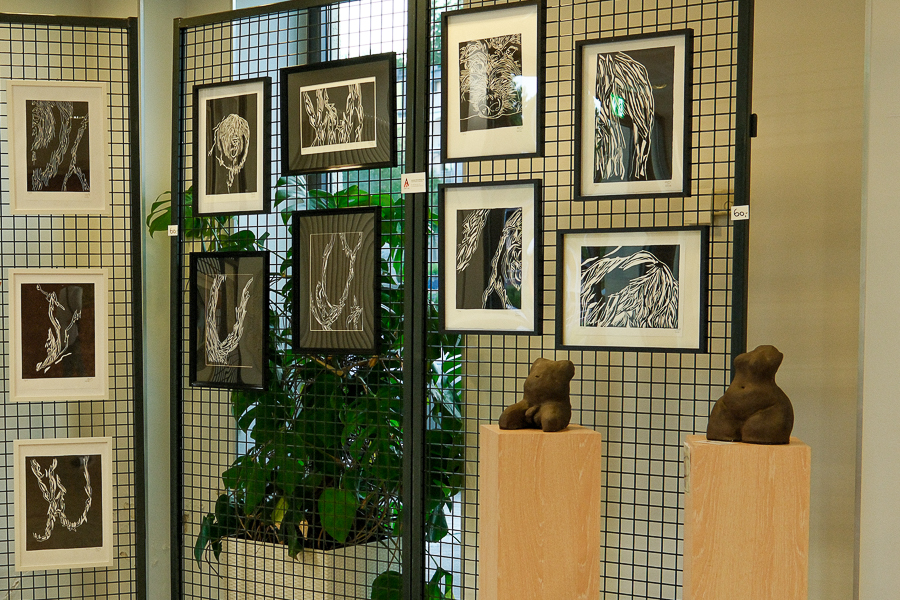
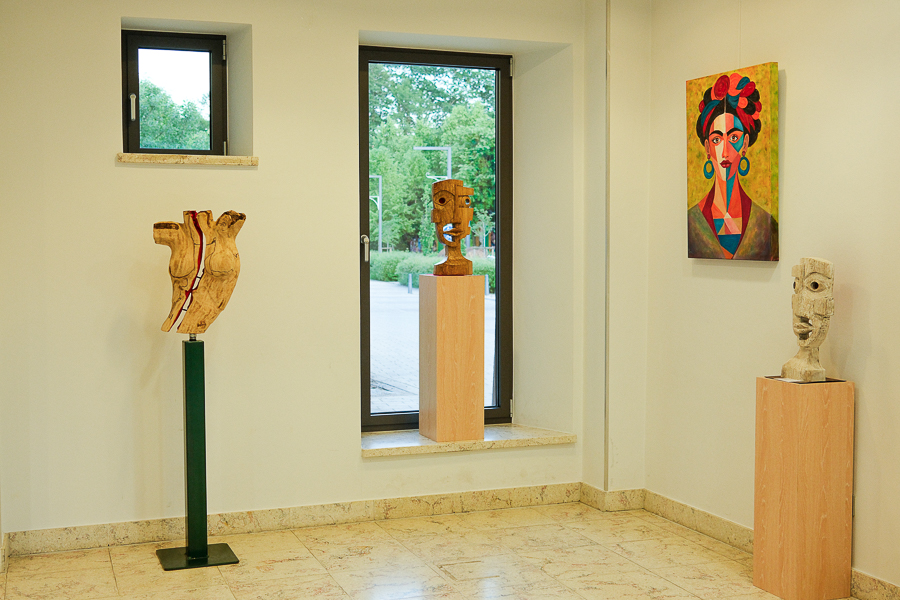
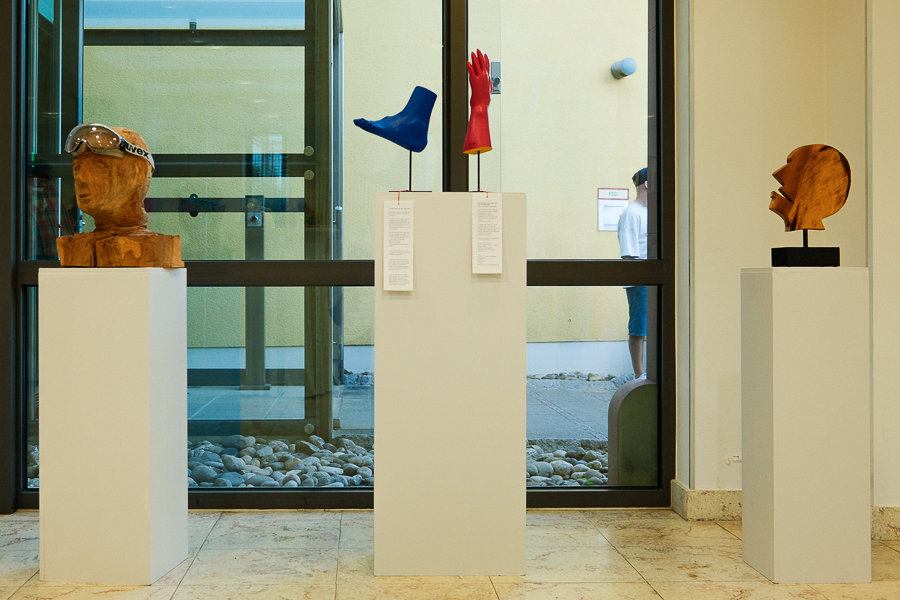
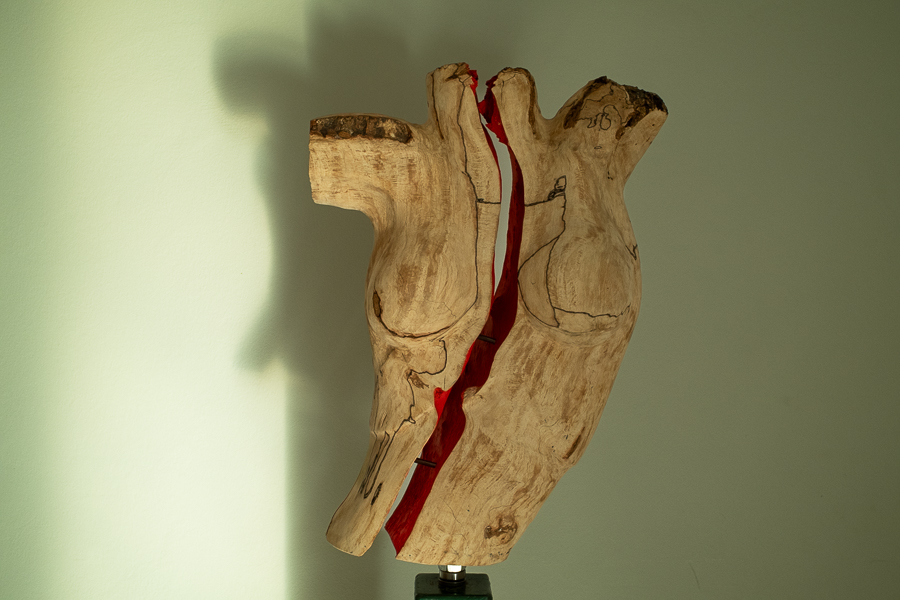
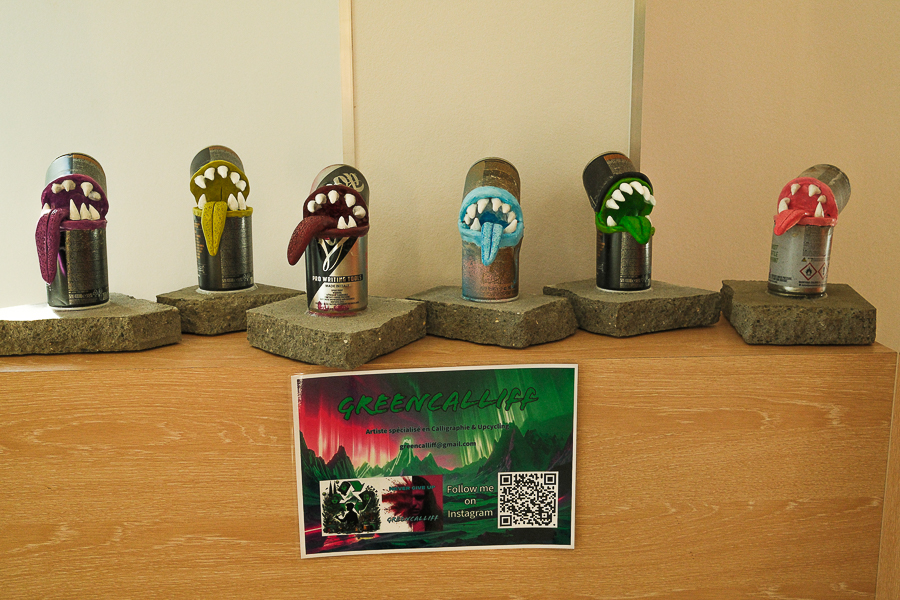
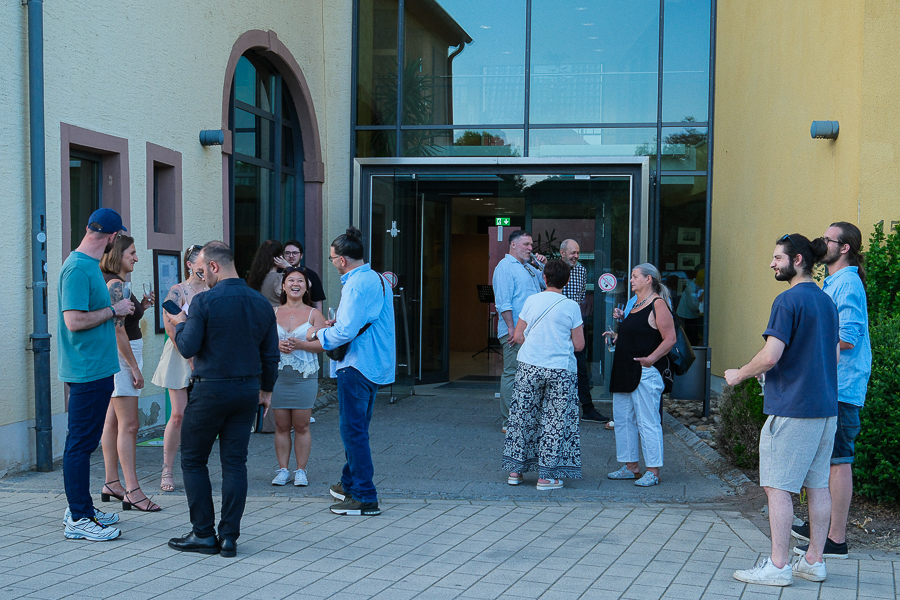
On Thursday 28 May 2026, Centre Wonerbatti in Bissen held the opening of the annual BisArt exhibition, bringing together fifteen artists presenting sculptures, paintings and photographs under this year's theme, "Body: Fragmented”.
The event, which has taken place every spring since the mid-1990s, featured works from amateur and professional artists exploring the theme of bodily fragmentation through a range of artistic interpretations.
Participating artists reflected on how a body “breaks down”, transforms or recomposes itself through sight, memory, matter or digital processes, said the Bisart.
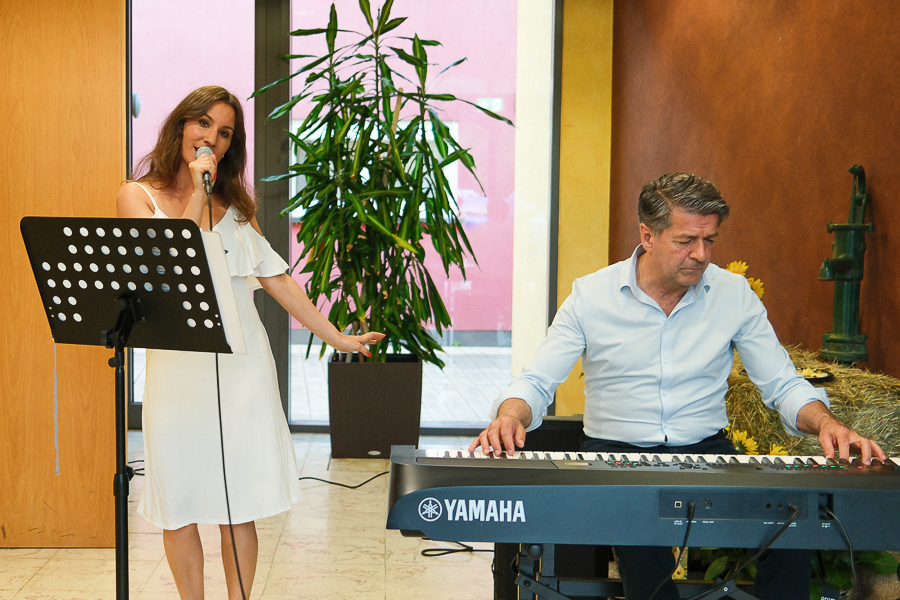
The exhibition opening featured musical accompaniment by a live performance from a singer and pianist.
Open to visitors over four days, the exhibition gives visitors the opportunity to view and purchase artworks, with participating artists setting their own prices and keeping all proceeds from any sales.
Speaking with Chronicle.lu, Loïc Brune, one of the organisers and former president of BisArt, explained that the exhibition begins each year with the selection of a central theme. Artists then submit their proposals, which a committee reviews before selecting the final participants. "We try to fix subjects that are open for every kind of art," he said, noting that the theme must allow equal participation from sculptors, painters and photographers.
According to him, the broad nature of this year's theme encouraged diverse interpretations. "It's very, very nice to see how the artists make different things about one theme, one idea in your head but all of them have a different way to show it," he added.
Loïc Brune also mentioned that last year's exhibition focused on black and white works, while this year artists had complete freedom regarding colour as long as they explored the idea of fragmentation.
Tania Kremer-Sossong, a Luxembourg-based visual artist and art educator, who also took part in the discussion, highlighted the value of artistic freedom and personal interpretation. She said she particularly appreciated seeing how different artists approached the same concept while producing entirely different results.
The conversation also turned to the growing influence of artificial intelligence (AI) in creative fields and education. Tania Kremer-Sossong expressed concern about the increasing reliance on AI tools, particularly among students. "We have to use it, but carefully." she highlighted.
Drawing on her experience as a teacher, she noted that many students accept AI-generated information without questioning it. While acknowledging the usefulness of the technology, she stressed the importance of maintaining critical thinking and individual creativity. She concluded: "It doesn't matter how good AI will be, we have our free minds."