 Credit: Ali Sahib, Chronicle.lu
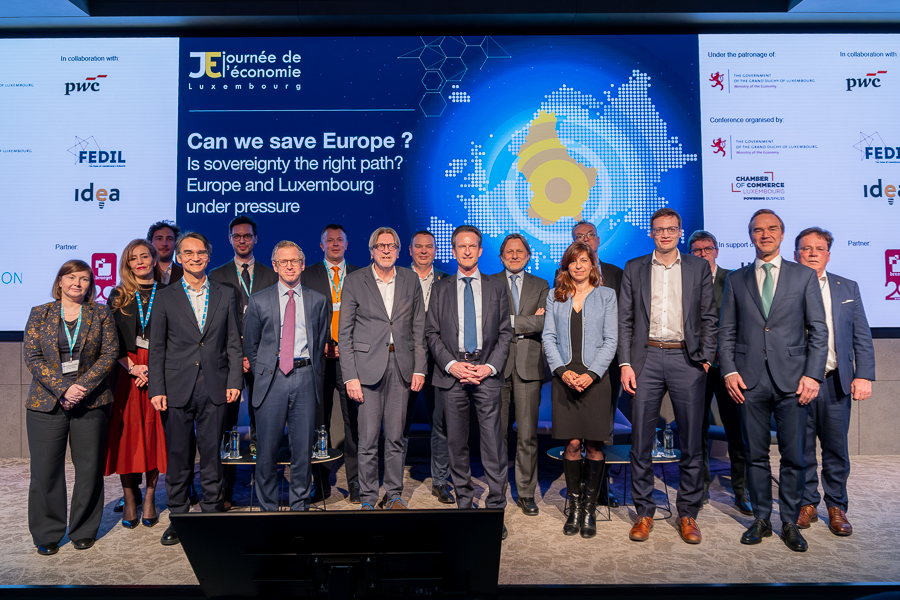
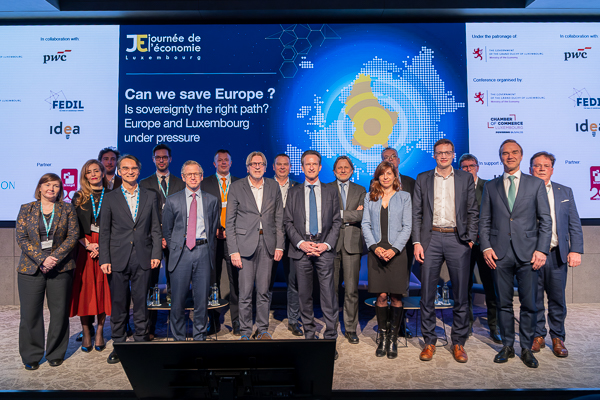
On Wednesday 18 March 2026, PwC Luxembourg hosted the “Journée de l’Economie” (Economy Day) event at the Luxembourg Chamber of Commerce in Luxembourg-Kirchberg, focusing on the theme “Can we save Europe? Is sovereignty the right path? Europe and Luxembourg under pressure”.
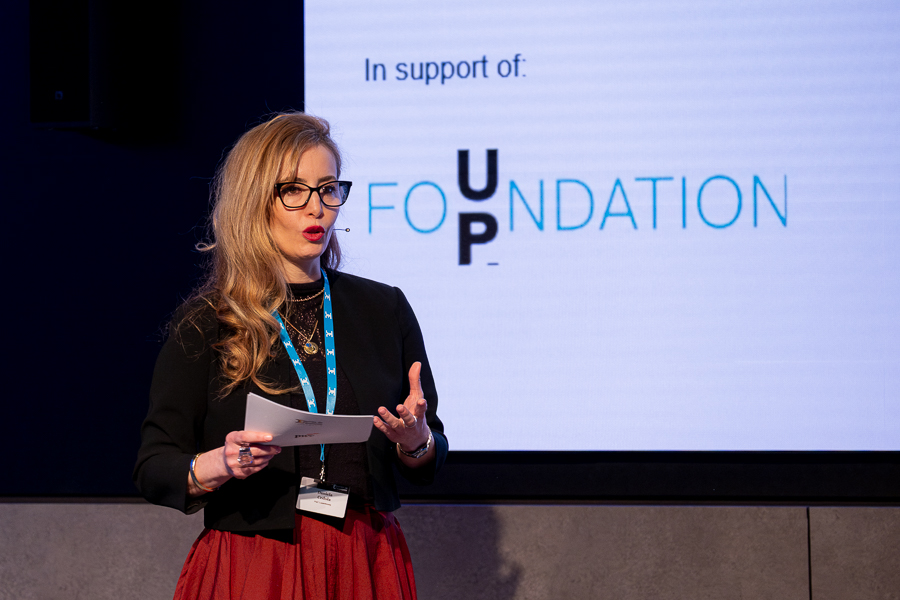
The event opened with a welcome address by Daniela Cedola, Partner, Government and Public Services, EU Institutions at PwC Luxembourg, who highlighted the growing geopolitical tensions and technological shifts reshaping Europe, stressing the need for countries to strengthen resilience, competitiveness and sovereignty in an increasingly uncertain global environment. The programme featured a number of high-profile speakers, including Luc Frieden, Luxembourg’s Prime Minister, Xavier Bettel, Deputy Prime Minister and Minister for Foreign Affairs and Trade, and Lex Delles, Minister of the Economy, SMEs, Energy and Tourism.
Carlo Thelen, Director General of the Luxembourg Chamber of Commerce, then outlined the broader economic context, pointing to rising geopolitical tensions, trade fragmentation and weakening multilateralism, with conflicts in Ukraine and the Middle East continuing to impact global stability. He warned that these developments are disrupting supply chains, reshaping trade flows and increasing volatility in energy and commodity markets, placing Europe in a challenging position between the United States and China, while also highlighting a widening economic gap between the European Union and the United States, with slower growth, lower productivity and an estimated €500 billion annual investment shortfall. He emphasised that, for Luxembourg, competitiveness is “an existential prerequisite”, adding: “We know that the US GDP per capita now exceeds that of the European Union by around 30 percent… this divergence is gradual but persistent.” He also pointed to key challenges including regulatory complexity, labour shortages and rising production costs, stressing the importance of increasing investment, simplifying rules and focusing on talent development to strengthen competitiveness in both Luxembourg and Europe.
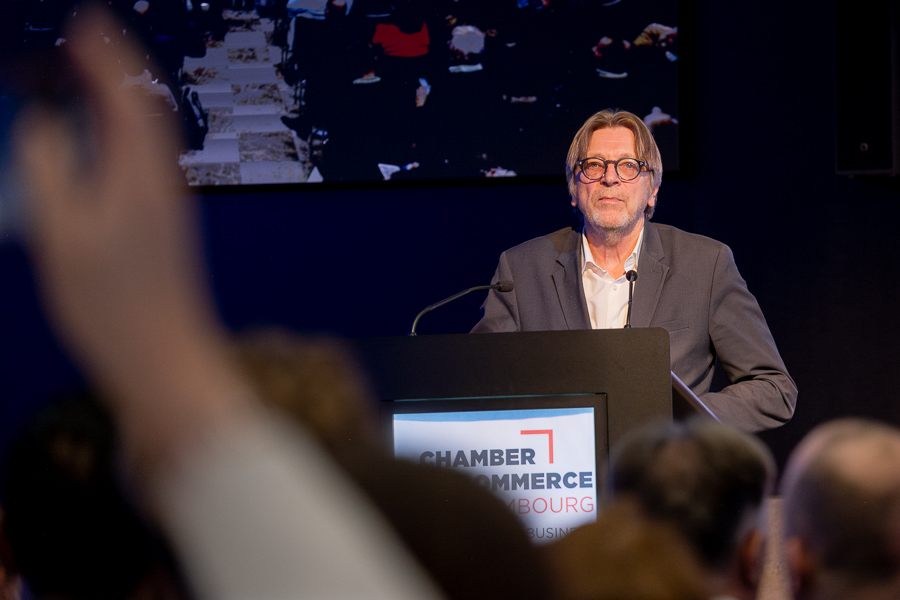
It was then the turn of the first keynote speaker, Guy Verhofstadt, former Prime Minister of Belgium, who outlined his vision of a “new age of empires”, arguing that global decision-making is increasingly driven not by nation-states but by large geopolitical powers such as the United States, China and a resurgent Russia. He described a more fragmented and competitive world order shaped by power rather than values, warning of growing geopolitical tensions, deglobalisation and an intensifying divide between democracies and autocracies, while stressing that security is becoming more important than sovereignty and that Europe is not yet prepared for these shifts. He argued that the EU must act decisively and “become an empire of the good” capable of competing globally, highlighting the need for major reforms in defence, where Europe remains inefficient despite high spending due to fragmentation and duplication of resources, as well as in the economy, pointing to the lack of a true single market in digital, capital and telecommunications, limited access to investment and the absence of globally competitive tech companies, adding that “data will be the new oil” in the global economy.
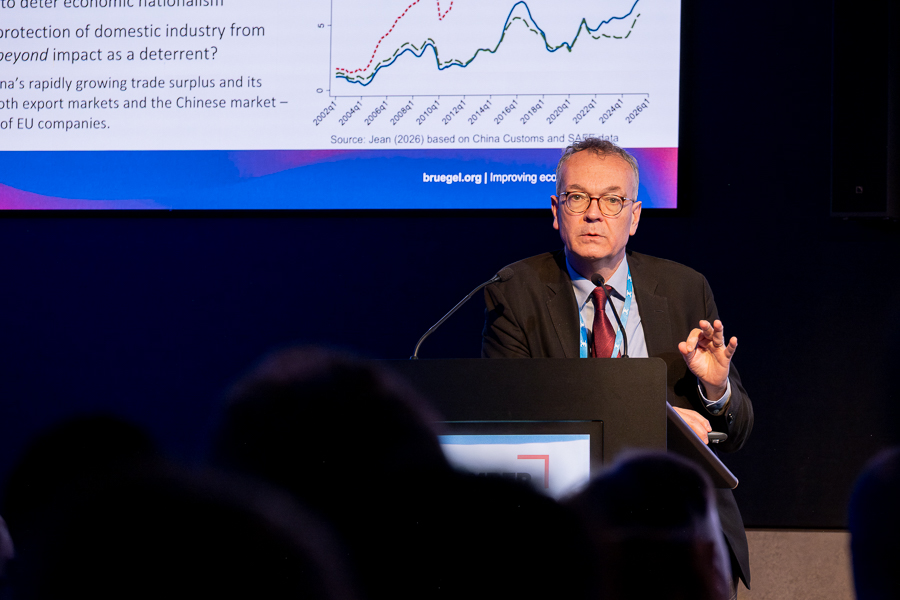
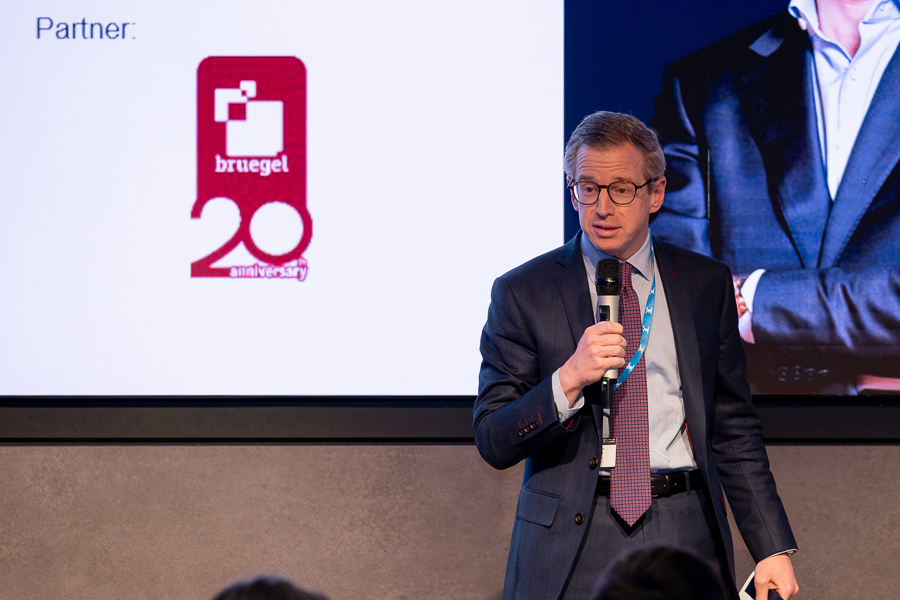
The second keynote speaker, Jeromin Zettelmeyer, Director of Bruegel, examined how Europe should respond to rising economic nationalism, arguing that the bloc must balance protection with structural reform rather than embrace full-scale protectionism. He said China’s rapidly growing trade surplus and increasing similarity to European exports have fundamentally changed the competitive landscape, while Europe can no longer rely on benefiting from Chinese growth as it once did. At the same time, he warned that the EU would not return to the industrial model it had a decade ago and should instead focus on three parallel objectives: slowing the impact of Chinese competition, supporting structural transformation and preserving rules-based trade. “We will never return to what we were ten years ago,” he said, adding that Europe must “slow down the Chinese steamroller” without undermining long-term competitiveness. Jeromin Zettelmeyer also argued against a broad “Buy European” approach, favouring instead targeted, temporary and WTO-consistent safeguards, while stressing the need to support labour mobility, skills development and industrial adaptation across the EU.
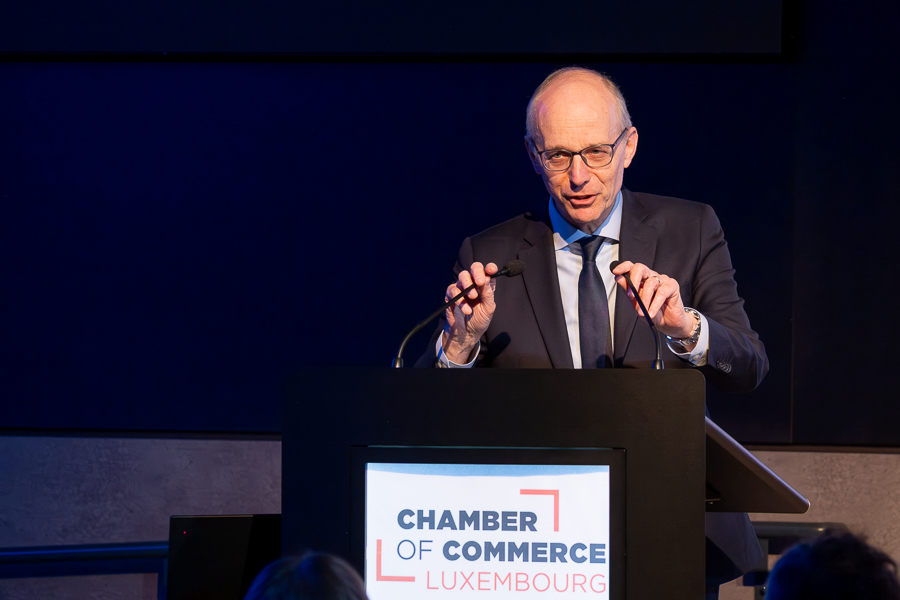
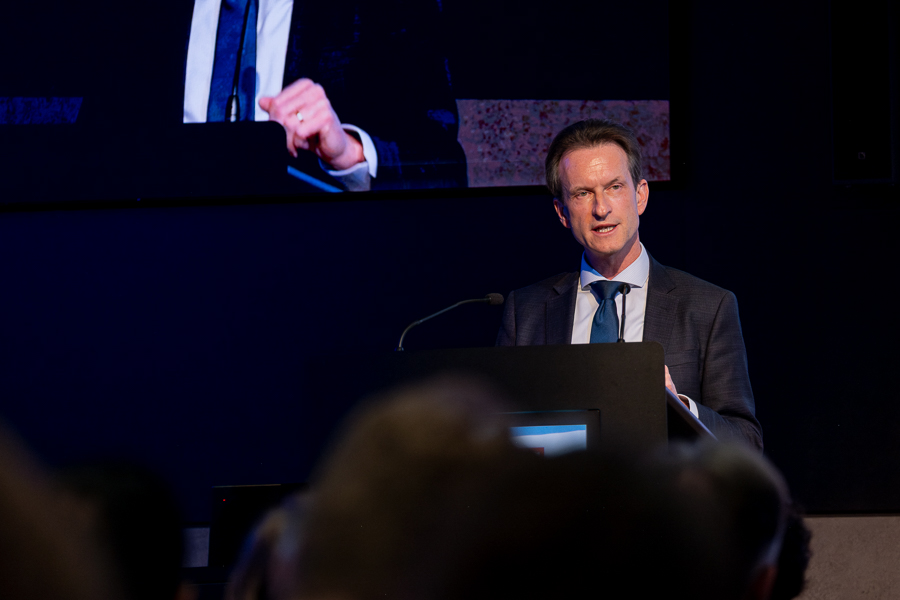
Luxembourg’s Prime Minister, Luc Frieden, speaking at the event for the first time, focused on the link between economic strength and sovereignty, arguing that prosperity underpins stability, security and Europe’s ability to act globally. He highlighted how recent geopolitical tensions, including conflicts in the Middle East, have had immediate economic consequences for Europe, particularly through energy markets, demonstrating the continent’s exposure to global shocks. He stressed that European sovereignty cannot mean isolation, but must instead be built through deeper cooperation, noting that “Europe will only be sovereign if it accepts that none of its countries can be sovereign alone.” Prime Minister Friede emphasised the need to strengthen the single market, enhance coordination in strategic sectors such as energy and artificial intelligence, and scale up European capabilities through joint initiatives, including Luxembourg’s partnership with Mistral AI.
He also underlined the importance of simplifying regulation to support businesses, warning that excessive complexity can undermine competitiveness, particularly for SMEs. At the same time, he argued that Europe must remain open to global trade, stating that “sovereignty is not built by retreating from the world”, but by engaging with partners while protecting strategic interests, adding that Europe should focus on building resilience through cooperation, innovation and investment rather than protectionism.
Following the keynote speeches, the programme continued with a series of panel discussions bringing together experts from different sectors to further explore the key themes raised during the event. These discussions were followed by a question-and-answer session, offering participants the opportunity to engage directly with the speakers, before the event concluded with a networking reception.