

 natur&ëmwelt;
Luxembourg has what is known as a Temperate Climate in which winters are generally mild and summers comparatively cool, with rainfall that can be high; its flora and fauna have thrived in and adapted to this climate over the centuries and millennia, with ongoing challenges due to pollution and recent climate change, as well as the introduction of non-native species, resulting in disruptions to the norm.
Nevertheless, with various initiatives and organisations helping the ecosystem and habitat, including sustainability and re-wilding, there is a lot happening in nature across the Grand Duchy.
Chronicle.lu has teamed up with natur&ëmwelt (the non-profit organisation (naturemwelt), the foundation (Hëllef fir d'Natur) and the Wildlife Care Centre (Flegeestatioun) for a series of articles on Luxembourg's nature reserves, in which we look at the natural habitats that preserve biodiversity and protect ecosystems from development, pollution and intensive agriculture.
No. 10 in this series focuses on Bëttlerbaach.
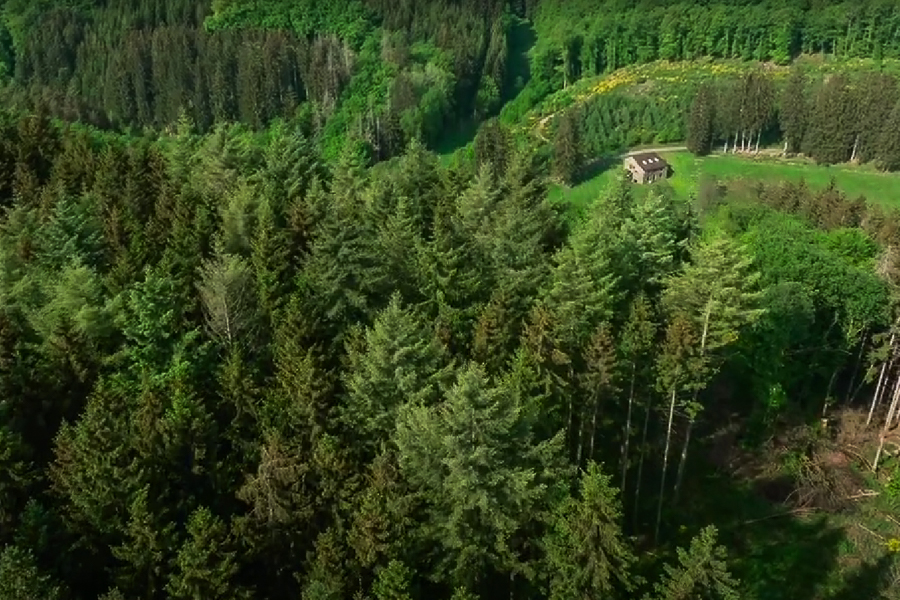
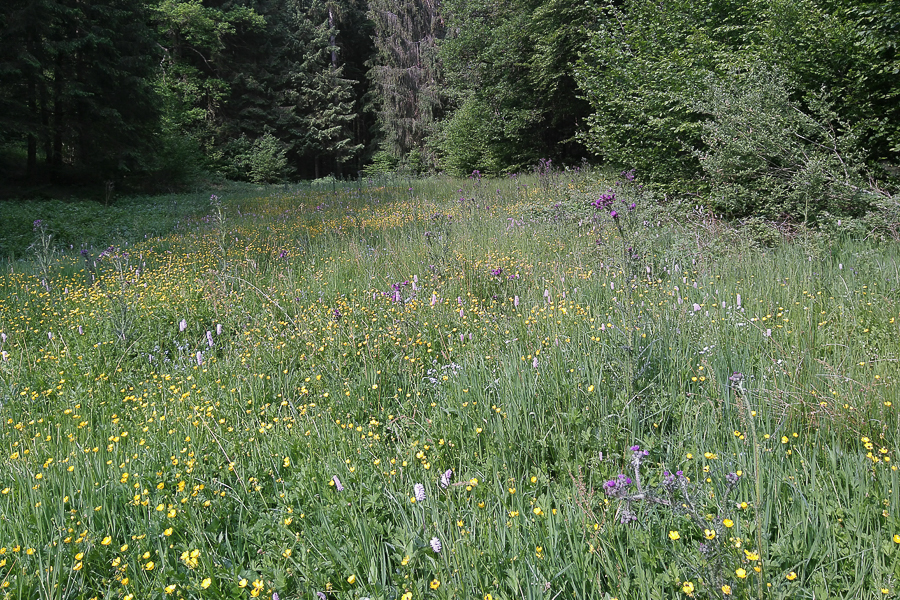
The landscape around the small village of Surré is quite unique in the Grand Duchy. Away from major routes, the village setting remains richly structured by elements like hedgerows and solitary trees. Surrounding the village are wetlands and extensive, high-biodiversity meadows that the Foundation has successfully protected.
Expanding the Reserve and Monitoring Rare Butterflies
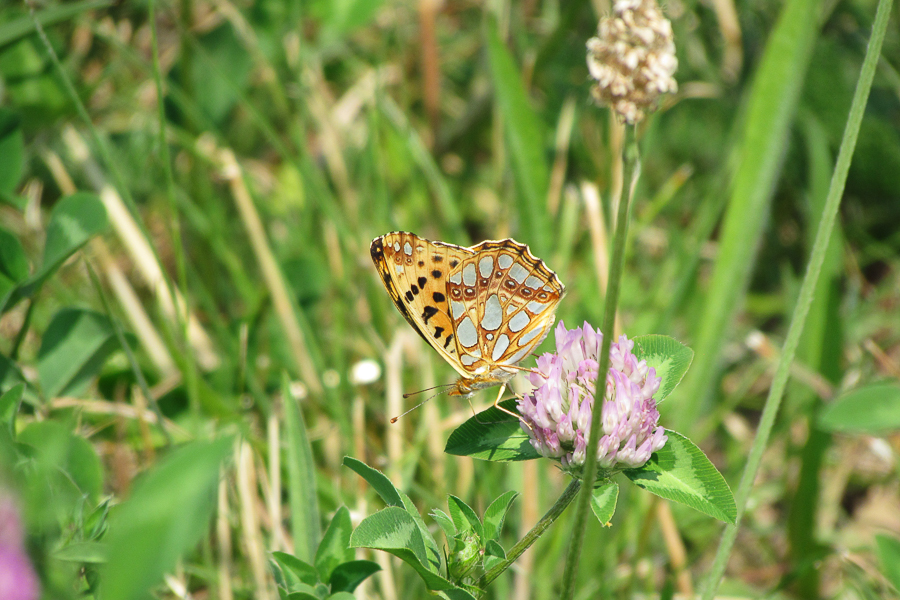
The protection efforts here are closely linked to the survival of rare species. As part of the Marsh Fritillary (Lycaena helle) Action Plan, the Foundation actively monitors the butterfly population using transect systems on sites where it can occur. Beyond the Wincrange and Troisvierges plateaus, the Marsh Fritillary also finds refuge along the Sûre river and its tributary, the Syrbaach. The reserve itself has recently expanded with the acquisition of a wet scrubland showing characteristics of a lowland marsh, a lean meadow on the left bank slope and an abandoned spring zone.
Habitat Management: From Overgrowth to Extensive Grazing
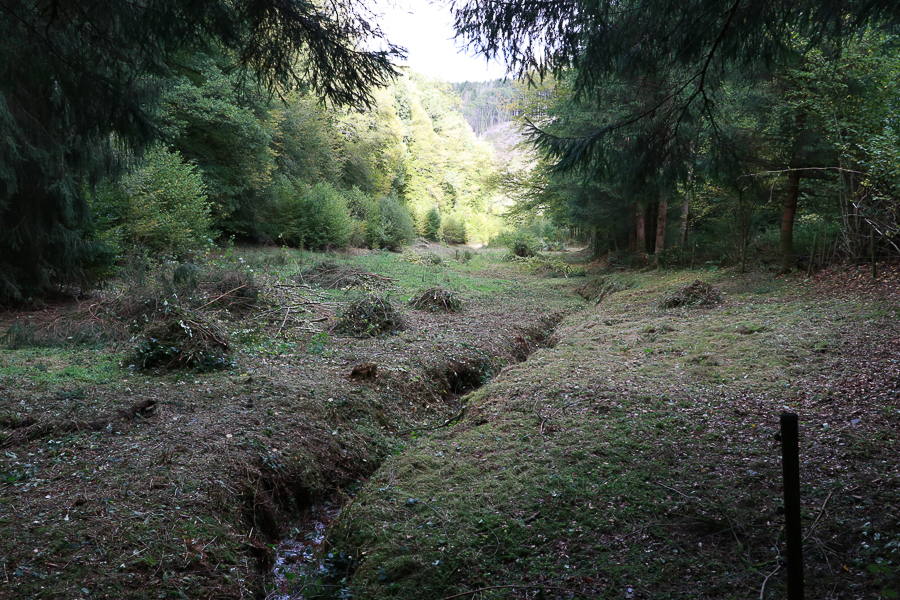
Ecological management focuses on restoring these delicate habitats. A significant portion of conifers growing in wet conditions along a tributary of the Bëttlerbaach, heading toward Harlange, was previously removed during an Interreg project. Currently, the lean meadow is being restored for very extensive grazing using horses. The wet scrublands require regular, spaced maintenance; in 2022, teams from the Forum pour l’emploi undertook manual clearing to enable mowing with a Softrak machine. This targeted management prevents scrub encroachment and maintains open areas.
Flora and Fauna of the Wet Meadows and Springs
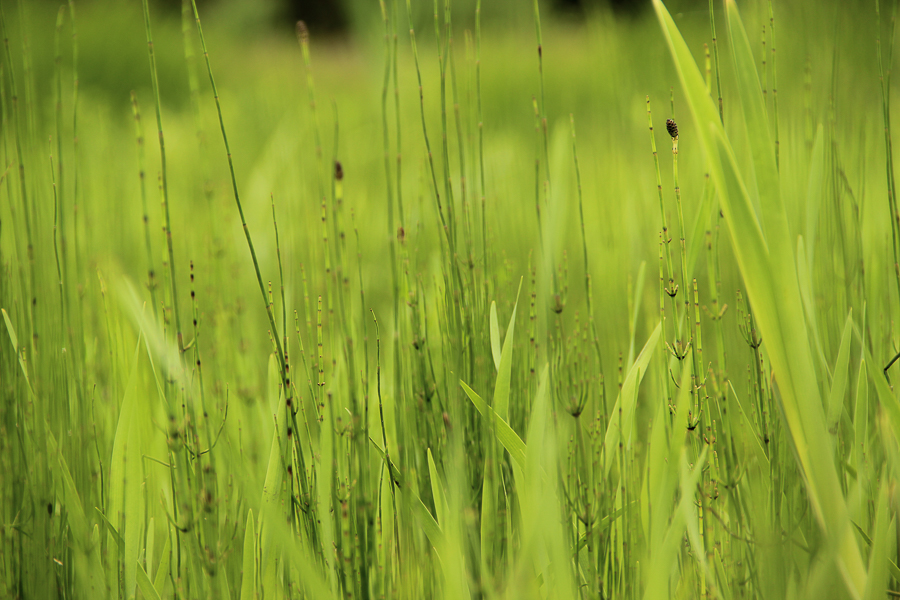
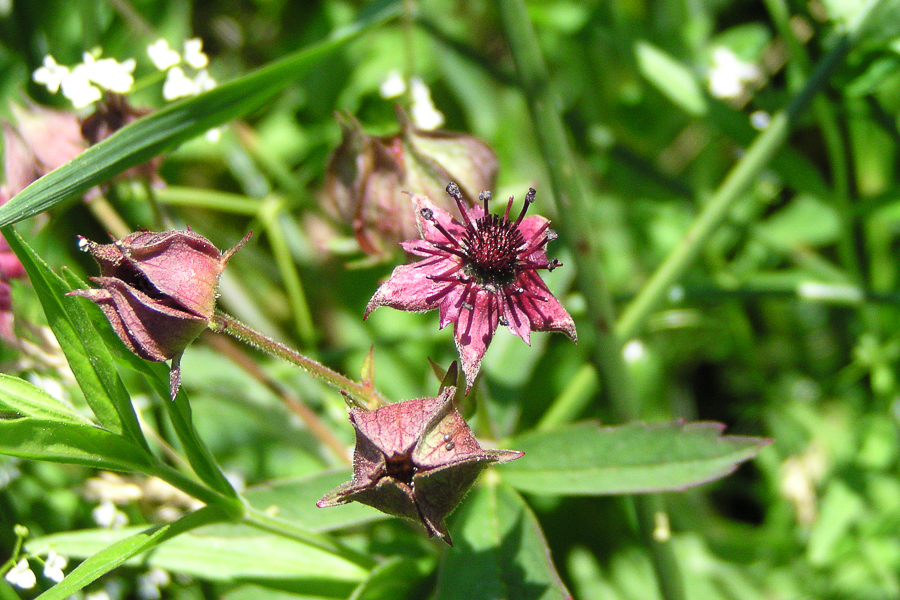
The reserve hosts characteristic wetland species. Marsh Cinquefoil (Comarum palustre), with its striking reddish-purple flowers, thrives in very wet areas like marshes and peat meadows, attracting wild bees and bumblebees. Horsetails, such as Water Horsetail (Equisetum fluviatile), are considered "living fossils," being the last survivors of a diverse Carboniferous group that once included tree-sized species reaching 30 meters tall. The Brown Argus (Issoria lathonia) butterfly is recognisable by its bright, pearly spots underneath its hindwings and is tied to wild violets for oviposition. While the un-grazed wetlands, such as the small "Aelbert" tributary valley, require regular maintenance, often done manually, the overall management aims to balance openness with habitat variety.
Visitor Information: Exploring the Surré Landscape
The landscape around Surré offers a look at the successful synergy between traditional agriculture and modern conservation. The best time to visit is late spring through early summer, when the Marsh Cinquefoil (Comarum palustre) is blooming and the meadows are at their most diverse, having just been managed. The focus here is on observing the structured pattern of hedgerows and isolated trees that define this secluded corner of the Éislek. Visitors interested in butterflies should focus their search during the Marsh Fritillary's flight season (late spring/early summer). Please note that the management regime is specialised, involving rotating grazing and infrequent mowing; therefore, sticking to established paths is crucial, especially in the recently acquired wet scrubland areas.