 Credit: natur&ëmwelt
Luxembourg has what is known as a Temperate Climate in which winters are generally mild and summers comparatively cool, with rainfall that can be high; its flora and fauna have thrived in and adapted to this climate over the centuries and millennia, with ongoing challenges due to pollution and recent climate change, as well as the introduction of non-native species, resulting in disruptions to the norm.
Nevertheless, with various initiatives and organisations helping the ecosystem and habitat, including sustainability and re-wilding, there is a lot happening in nature across the Grand Duchy.
Chronicle.lu has teamed up with natur&ëmwelt (the non-profit organisation (naturemwelt), the foundation (Hëllef fir d'Natur) and the Wildlife Care Centre (Flegeestatioun) for a series of articles on Luxembourg's nature reserves, in which we look at the natural habitats that preserve biodiversity and protect ecosystems from development, pollution and intensive agriculture.
No. 28 in this series focuses on the Haangeberreg Nature Reserve.
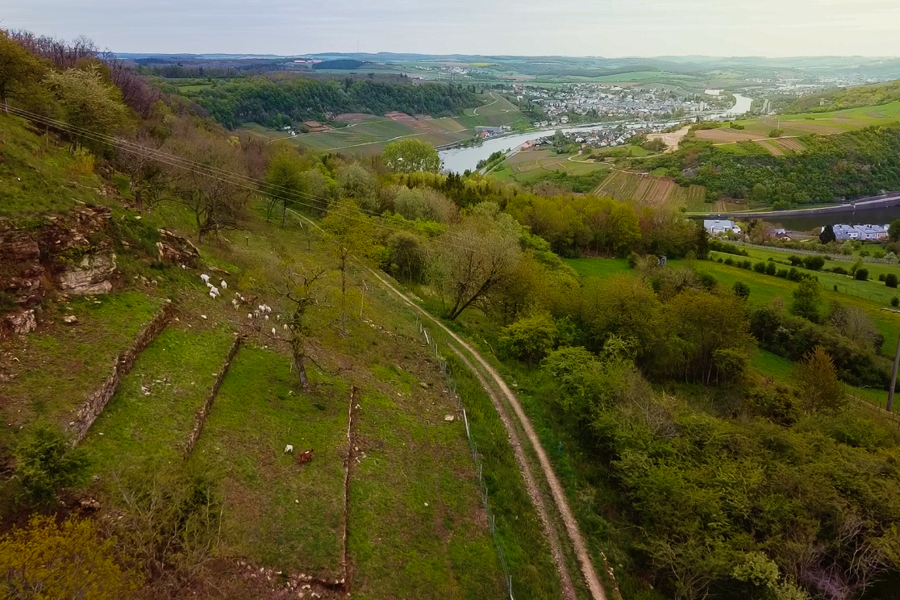
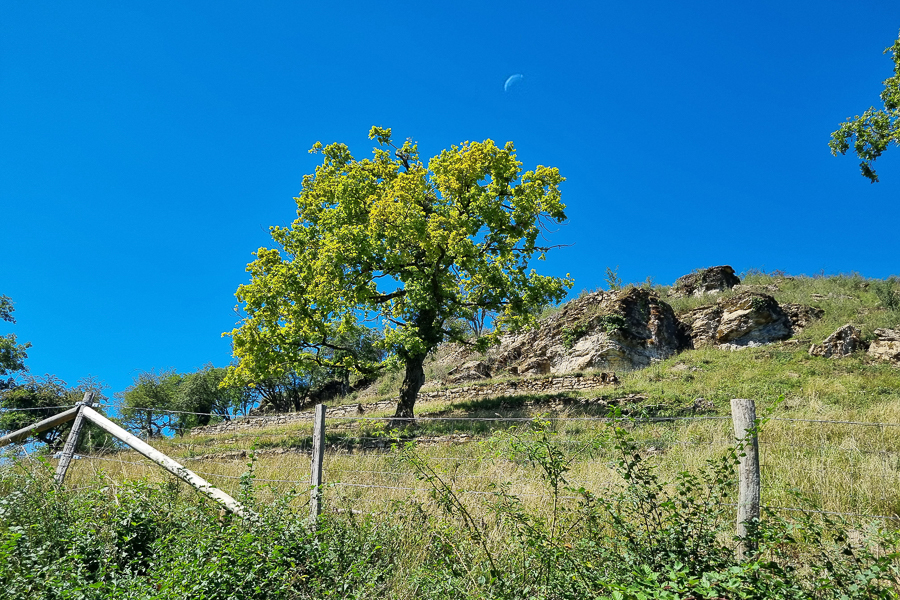
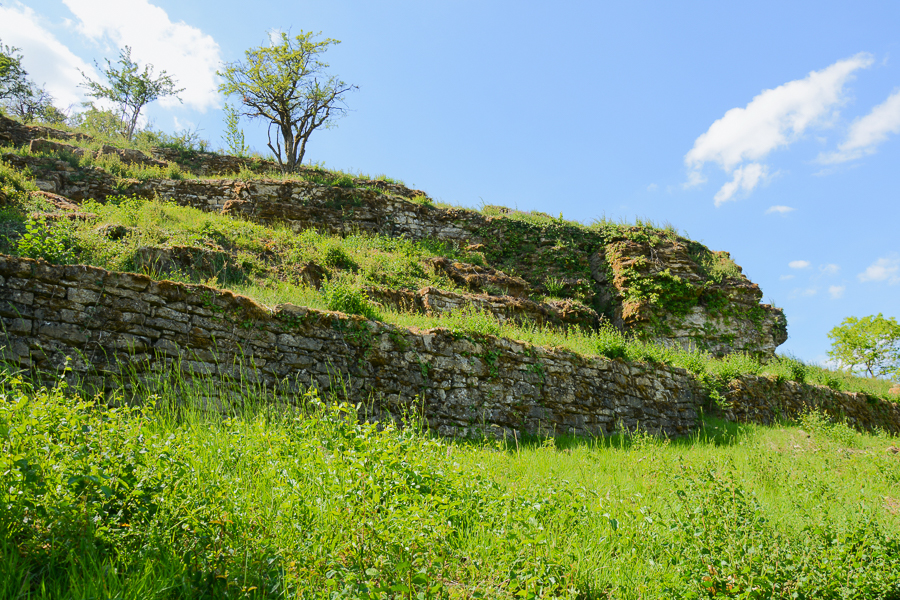
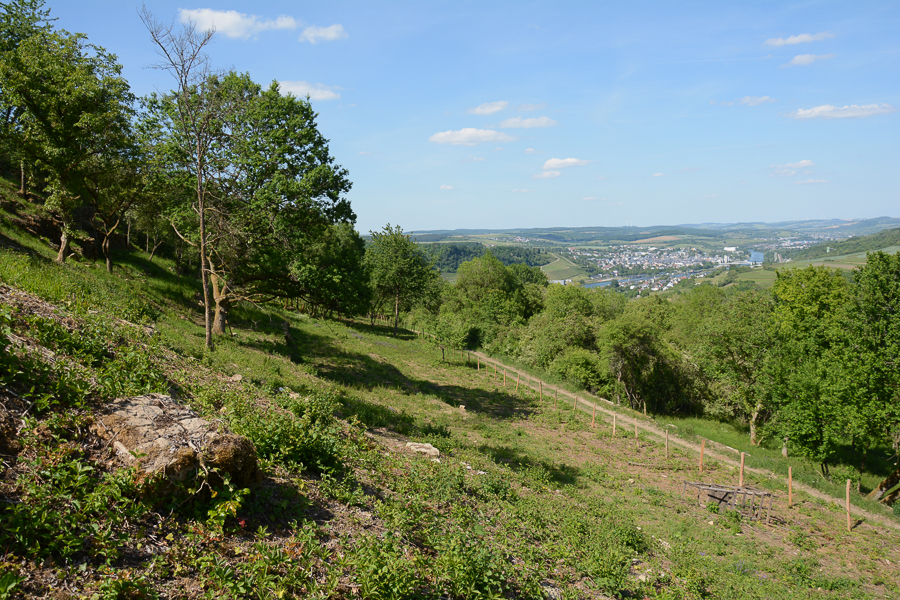
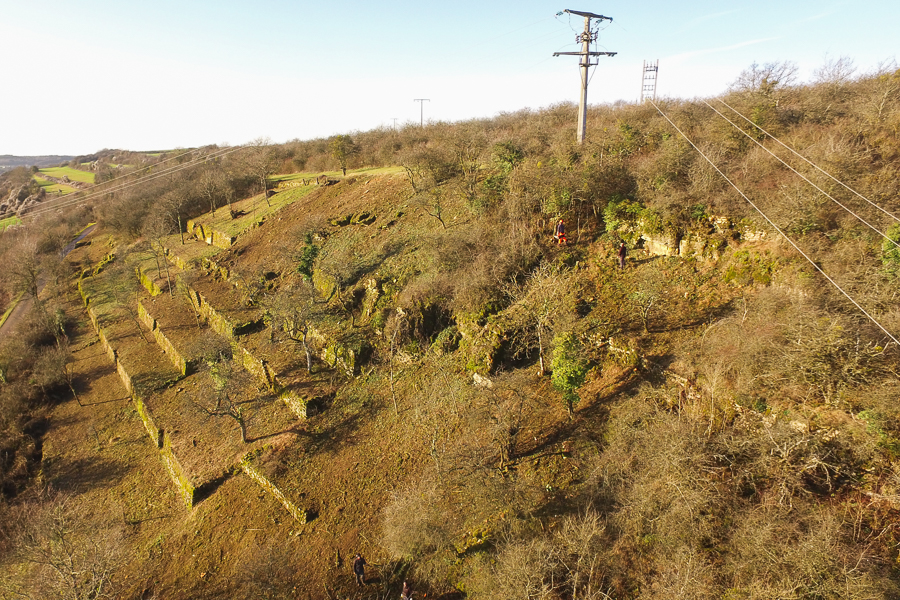
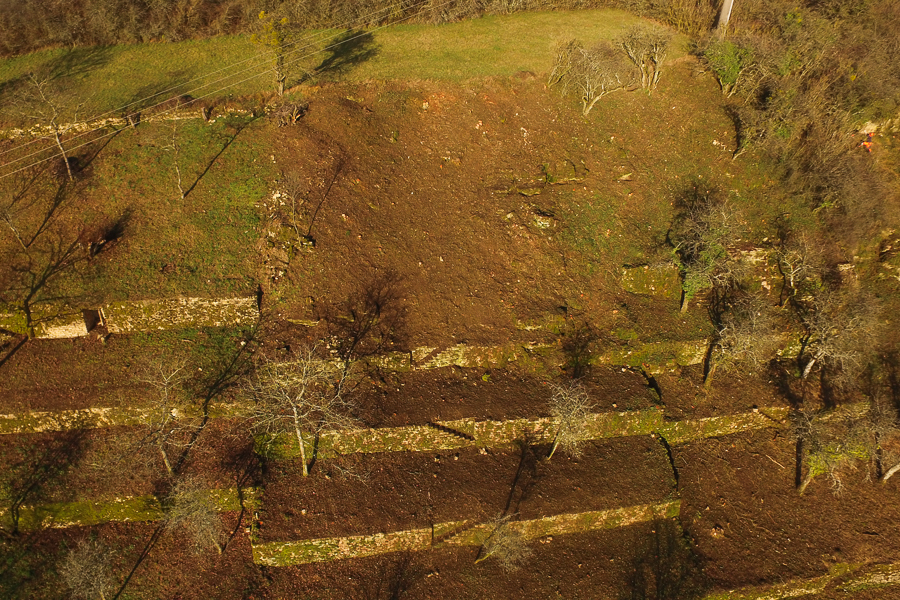
Between Machtum and Grevenmacher, the Moselle River forms broad S-shaped meanders. On the Luxembourg side, the concave bank features steep slopes with impressive Muschelkalk rock formations, partially terraced and cultivated as vineyards until the 1960s. Today, these terraces are a mosaic of restored open habitats, abandoned slopes and secondary vegetation, providing ideal conditions for rare plants and wildlife.
The reserve covers 3.5 hectares of former vineyard terraces on steep, rocky slopes. These areas were abandoned by vintners due to the difficulty of mechanised farming. Surrounding parcels include recolonised scrub, planted conifers and orchards, forming a diverse and structurally rich landscape. The slopes are also geologically fragile, with frequent landslides at locations such as Longkaul, Haangeberreg and Deisermillen.
The site features remnants of limestone extraction, including a quarry and an underground mine, abandoned since 1973. These galleries now provide shelter for bats.
Ecological importance and threats
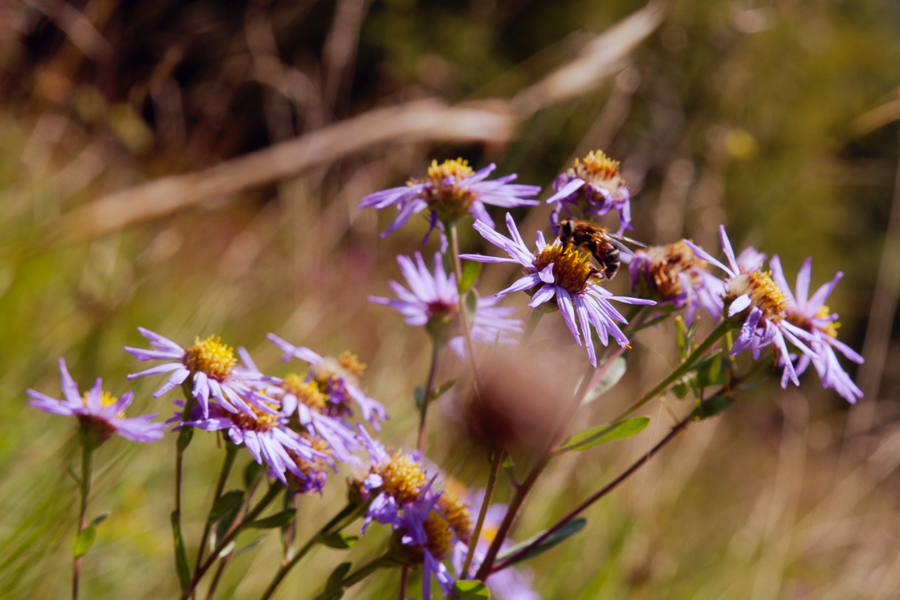
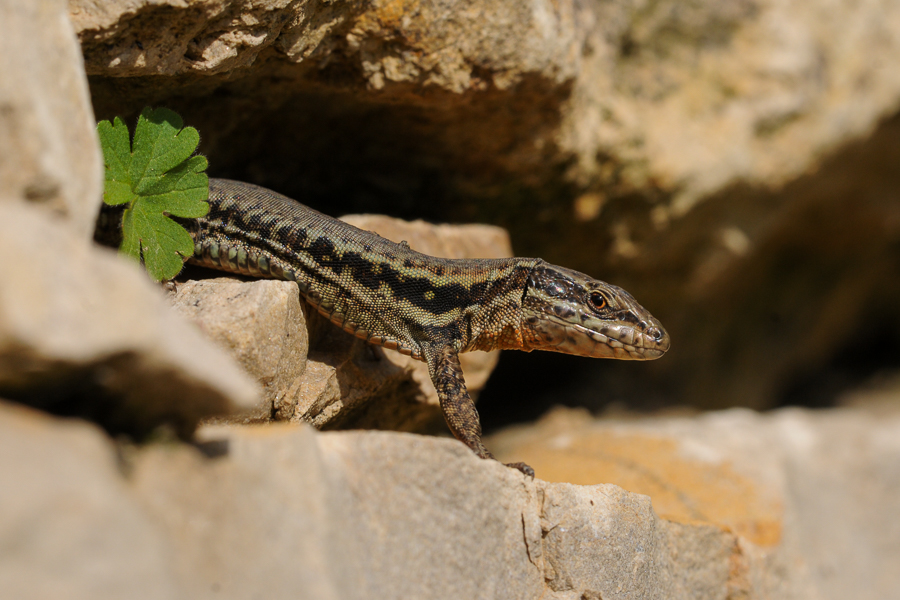
The steep slopes, rocky outcrops and open terraces host dry calcareous and silicicolous grasslands, which are rare and threatened habitats. These habitats are critical for reptiles, butterflies, birds and specialised plants.
Key threats include:
· scrub encroachment after vineyard abandonment;
· soil erosion and landslides;
· habitat loss for bats due to destruction of roosting sites.
Restoration actions
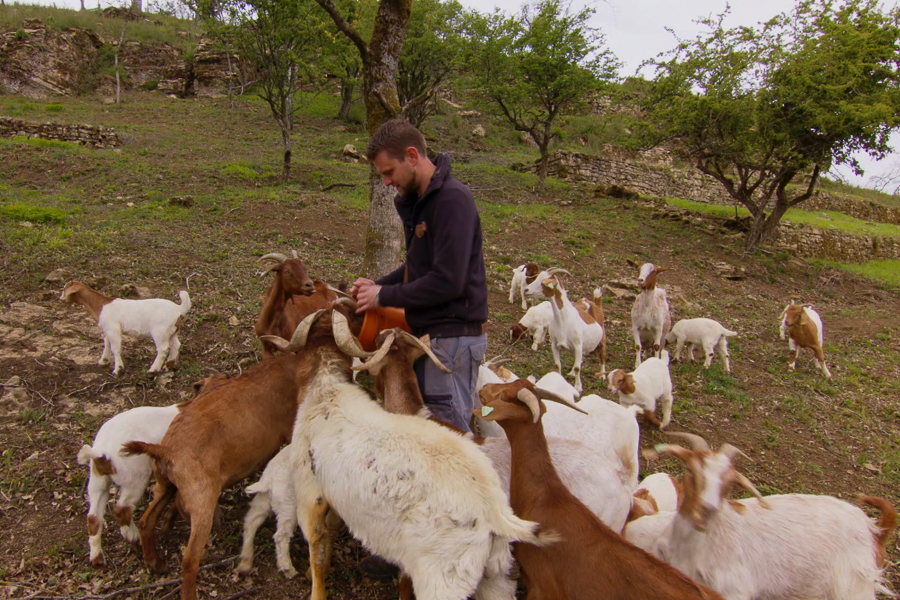
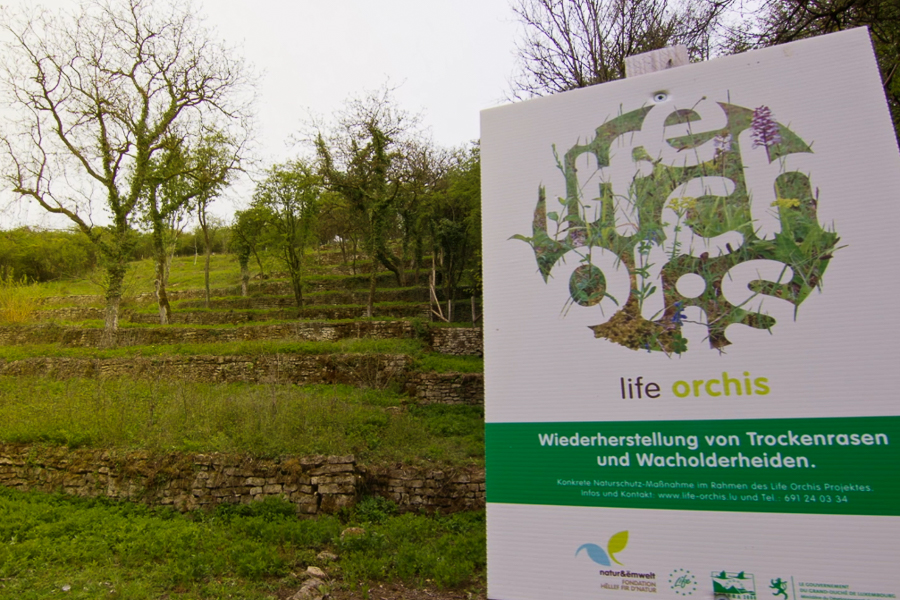
As part of the LIFE Orchis project, shrubs were cleared to restore open grasslands. Under the LIFE Bats & Birds project, a fenced goat herd maintains the open areas by grazing, preventing the regrowth of thorny bushes.
Other measures include the protection of old mine galleries as bat roosts and selective management of secondary forests to ensure habitat diversity.
Notable habitats
· Terraced slopes: open grasslands attractive to butterflies and reptiles
· Rocky outcrops and walls: support specialised xerophytes like ferns and orchids
· Wooded slopes: provide shelter and foraging areas for birds, bats and mammals
· Galleries and quarries: crucial roosting sites for bat colonies
Remarkable biodiversity: Flora and fauna
- Flora:
· Carthusian pink (Dianthus carthusianorum): a typical species of dry silicicolous and calcareous grasslands, reintroduced at Haangeberreg;
· Rustyback fern (Asplenium ceterach): a rare xerophytic fern growing in rock crevices and old limestone walls, capable of surviving drought by curling its leaves.
- Fauna:
· Emarginated bat (Myotis emarginatus): a medium-sized bat with a characteristic ear notch, hunting in open areas rich in forest edges, orchards and parks. Threatened by loss of foraging territory and roost destruction;
· Reptiles, butterflies and birds: benefit from the diverse terrain and restored open grasslands.
Visiting Tips
Visitors can explore the site via two connected trails:
· the local Trail E, starting from Machtum and ascending to Haangeberreg;
· the Wine and Nature trail, following the slope toward Grevenmacher
A map or GPX track is recommended. The site offers stunning views of the Moselle meanders and opportunities to observe rare plants, birds and butterflies in their natural habitat.
SM