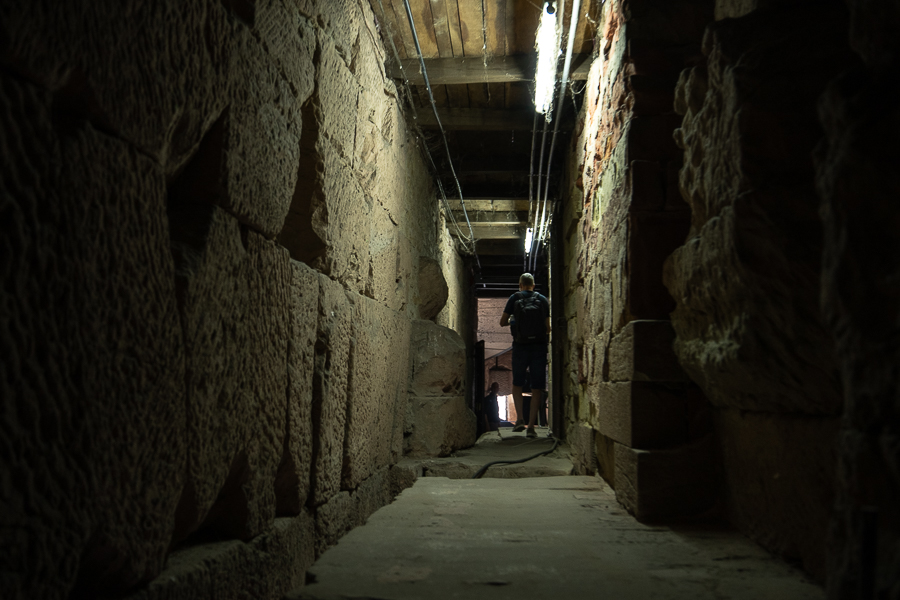
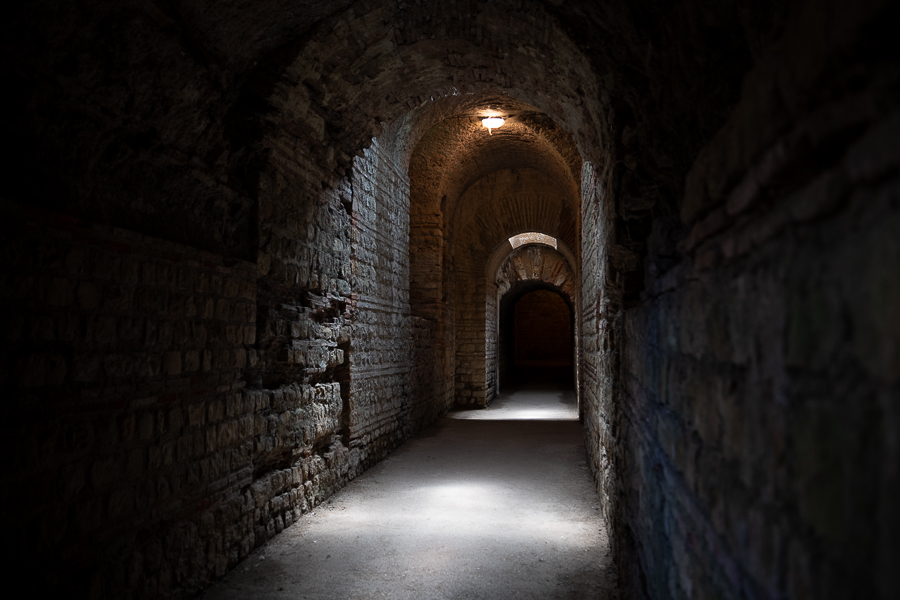
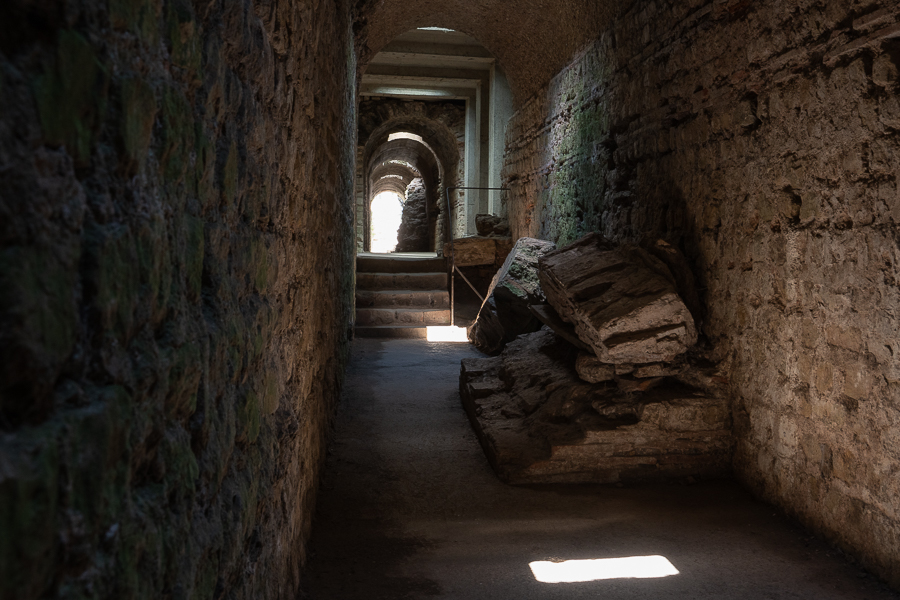
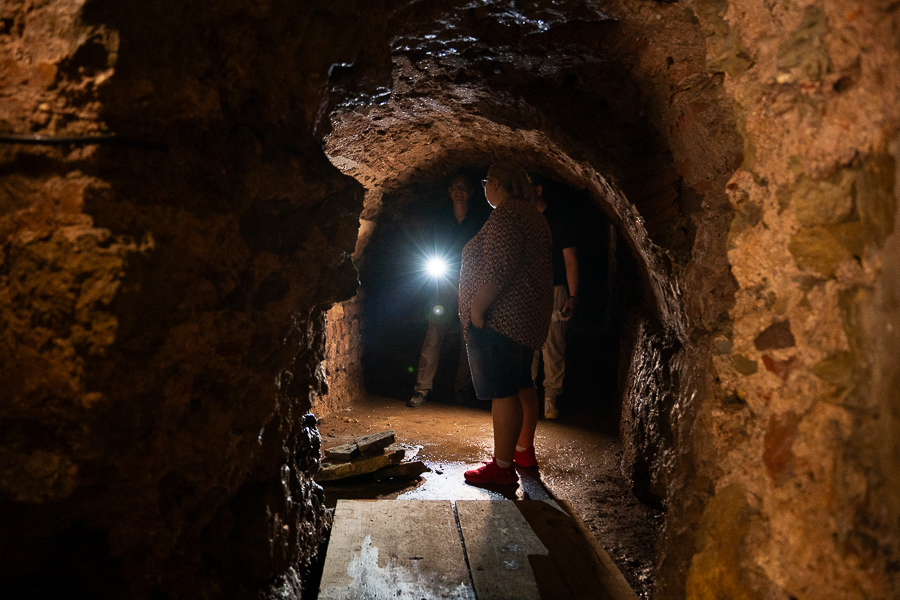
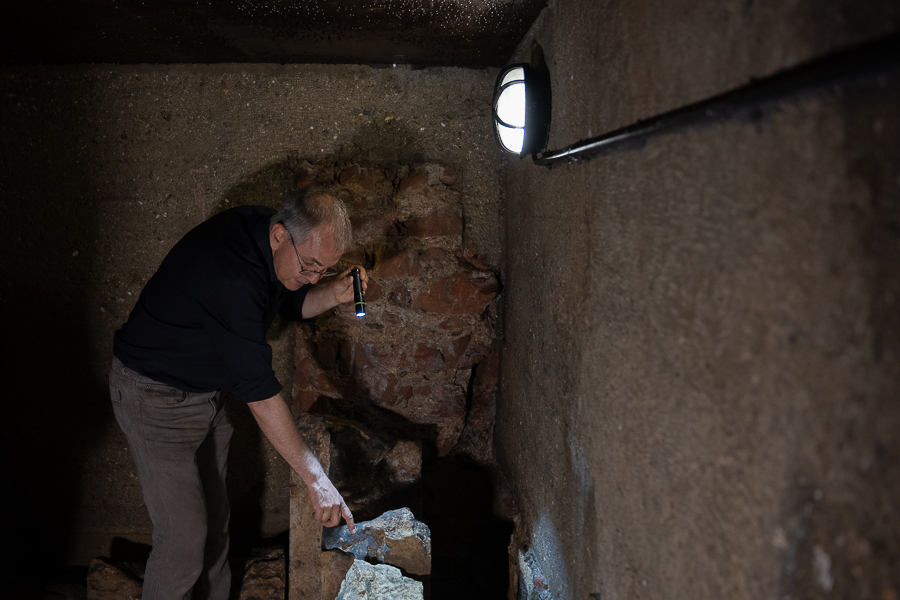
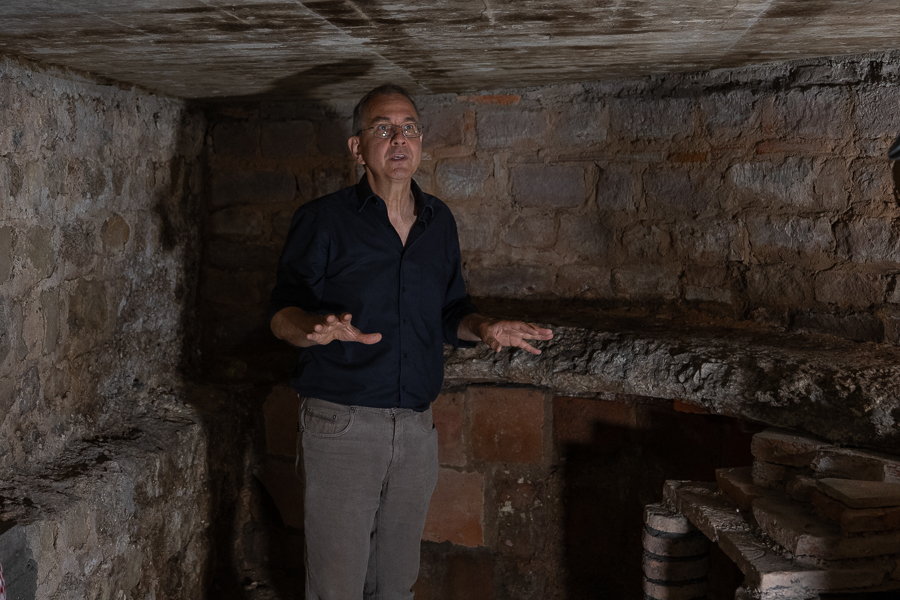
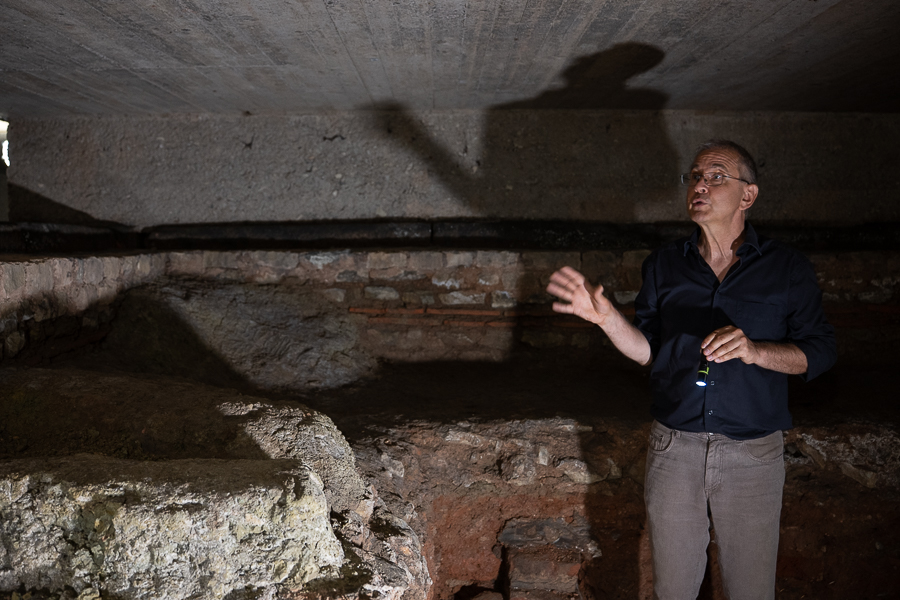
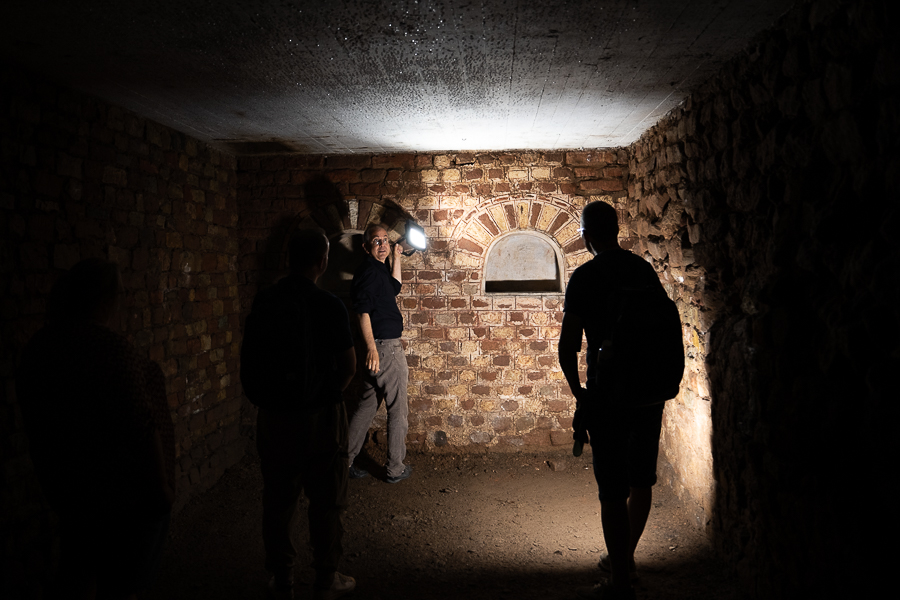
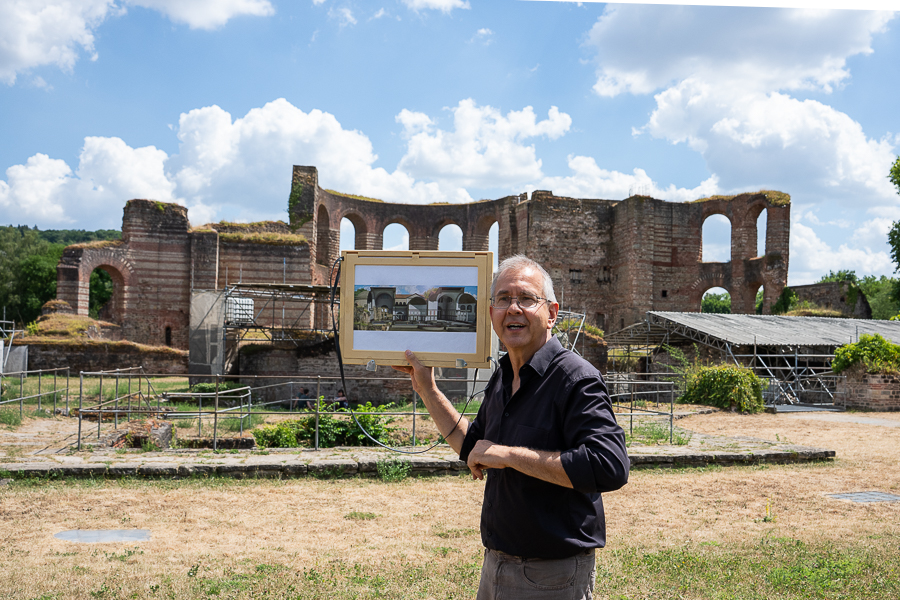
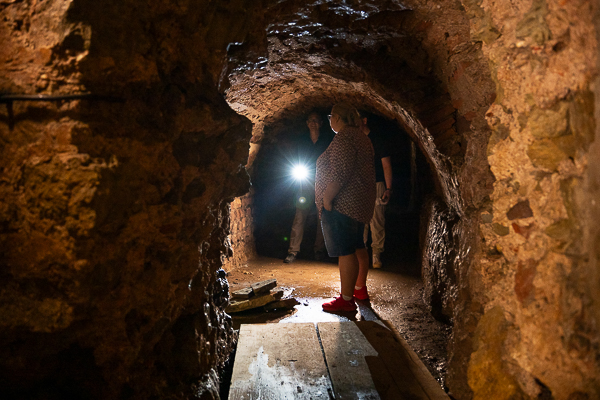
 Dr Karl-Uwe Mahler guides the press tour through the underground passage of the Kaiserthermen in Trier, Germany;
Credit: Ali Sahib, Chronicle.lu
Dr Karl-Uwe Mahler guides the press tour through the underground passage of the Kaiserthermen in Trier, Germany;
Credit: Ali Sahib, Chronicle.lu
On Wednesday 1 July 2026, Chronicle.lu took part in a press tour of culturally significant sites in Trier, Germany, organised by the Rhineland-Palatinate General Directorate for Cultural Heritage (Generaldirektion Kulturelles Erbe - GDKE), which offered rare behind-the-scenes access to some of the city's UNESCO World Heritage sites.
The main theme of the tour was "Roman Technology and Craftsmanship in the UNESCO World Heritage Site of Trier". The programme consisted of a guided tour of Trier's most emblematic landmarks, including the Porta Nigra, the Cathedral of St Peter and the Imperial Baths, led primarily by Dr Karl-Uwe Mahler from the Rhineland State Museum / Centre of Antiquity in Trier.
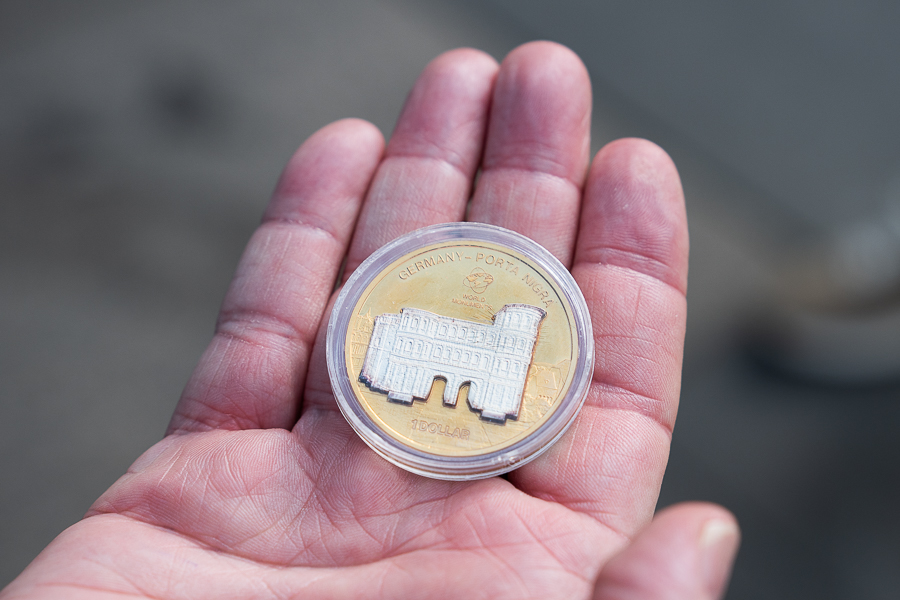
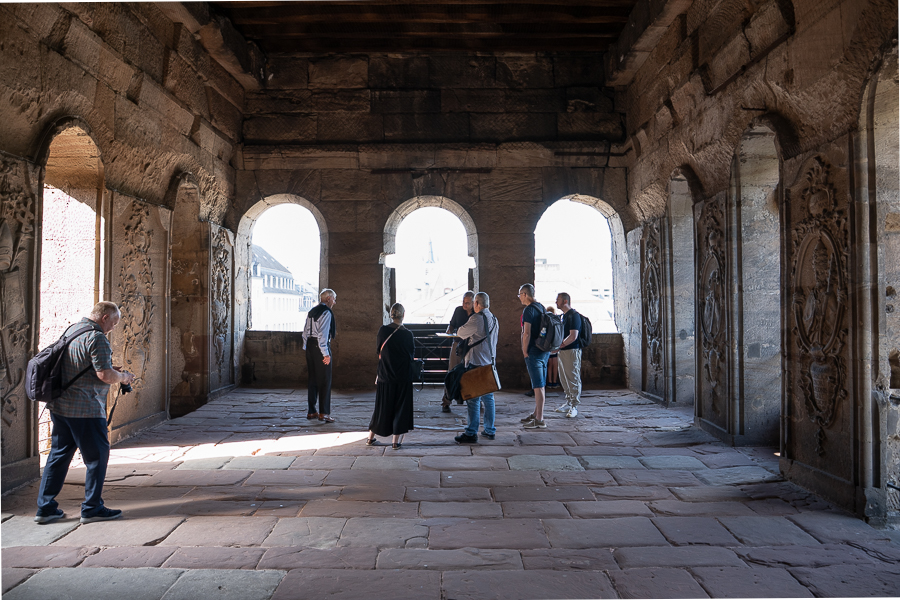
Beginning at the Porta Nigra, Dr Karl-Uwe Mahler guided the tour of the building around the topic “Architecture from stone, iron and lead”, and spoke of the reasons for its selection as a UNESCO heritage site (level of human creativity, significance as a monument of a past culture, a recorded place of historic power, association to important events in human history), before providing insight into the transformation of Trier’s famous monumental gateway; from its Roman roots as one of five gates to the once-walled city (a unique number as Roman cities traditionally had four entrances to such fortified locations), through to its transformation into a church in the Middle Ages, to Napoleon’s instruction in the early 1800s to return it to its original Roman form, up to today’s restoration efforts.
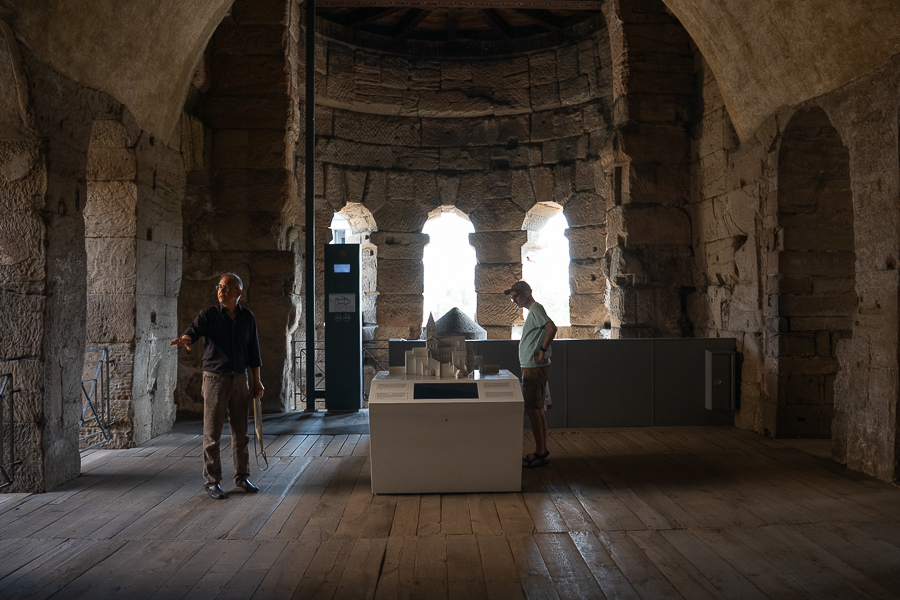
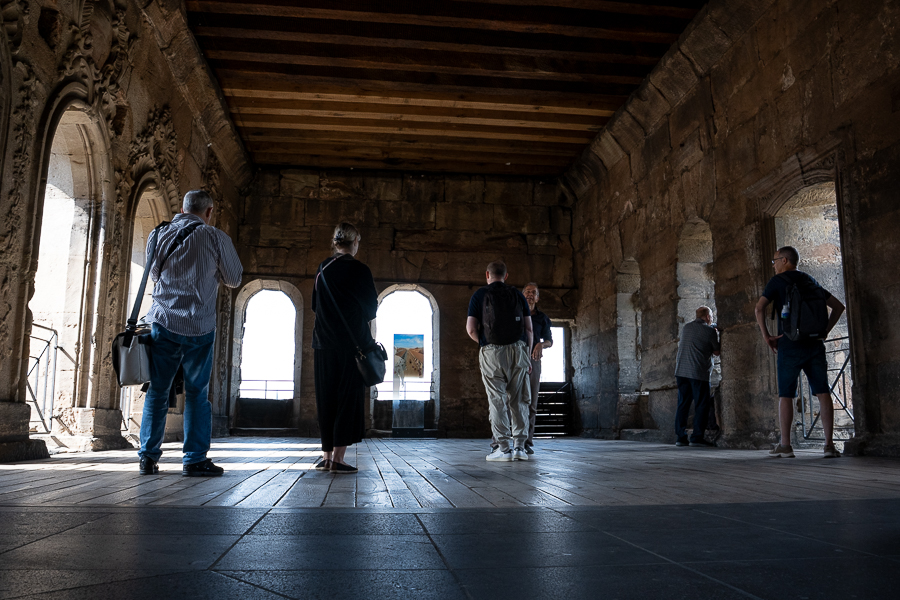
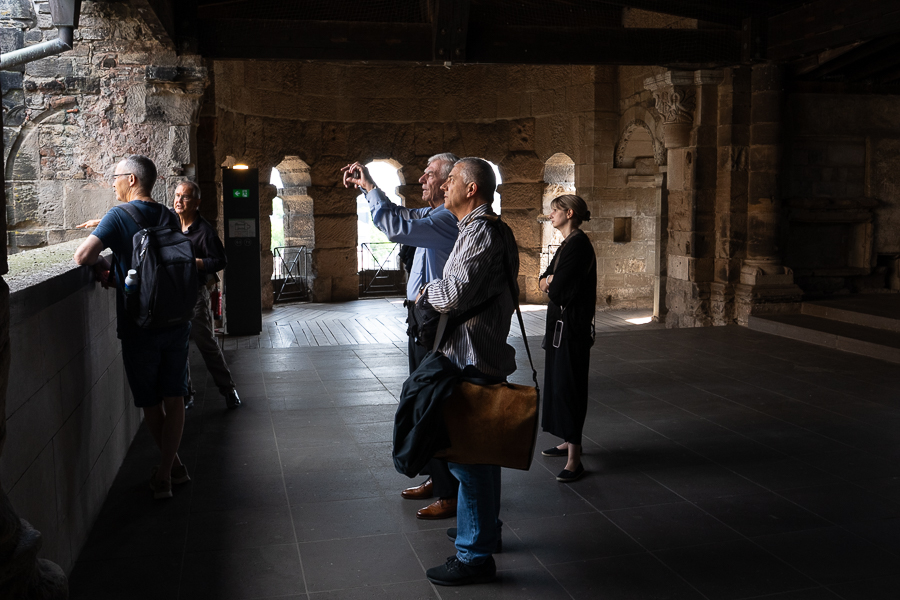
Guiding us upwards through the building, Dr Karl-Uwe Mahler highlighted details such as the techniques and machinery used to lift and manoeuvre the heavy sandstone blocks, the use of iron and lead deposits added to the stone as means of reinforcement, the complex techniques applied to cutting and shaping specific stone blocks, and unveiled the normally closed off location used to house the original wooden drop gates, which would be lowered to protect the entrance to the building or trap those who had already made it inside.
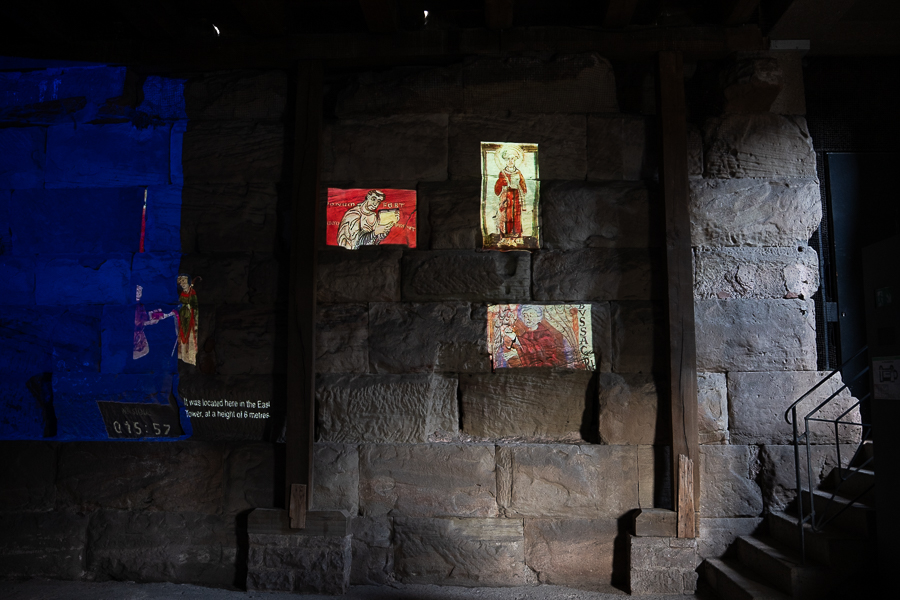
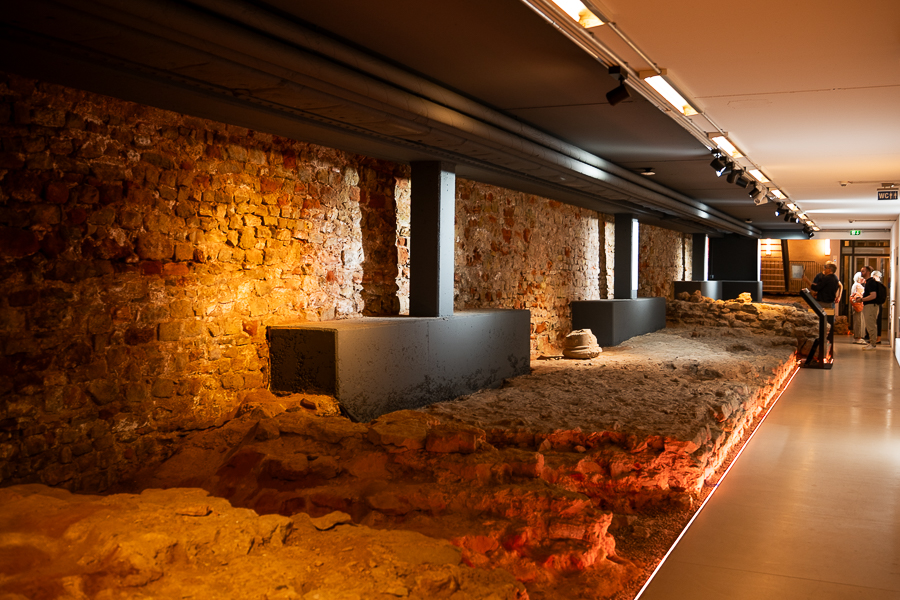
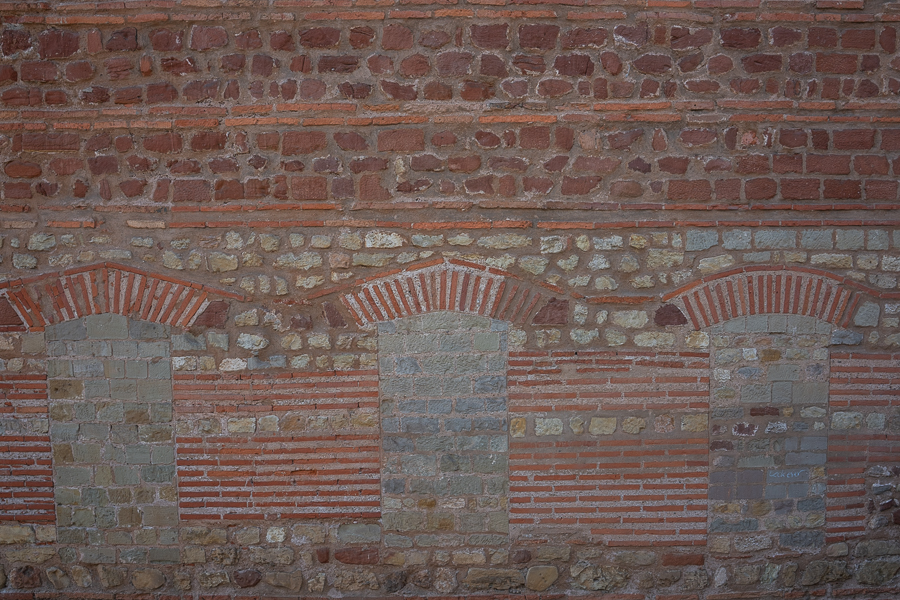
The tour then continued in the lower levels of the neighbouring City Museum Simeonstift Trier, where exposed sections of Trier’s old city walls are on display. Dr Karl-Uwe Mahler explained how the construction techniques used to build the walls contrasted to those of the Porta Nigra, explaining the use of limestone, minerals and clay, and the choice of cast brickwork and Roman concrete (opus caementicium) in the creation of the protective walls, which once extended 6.4km around the city.
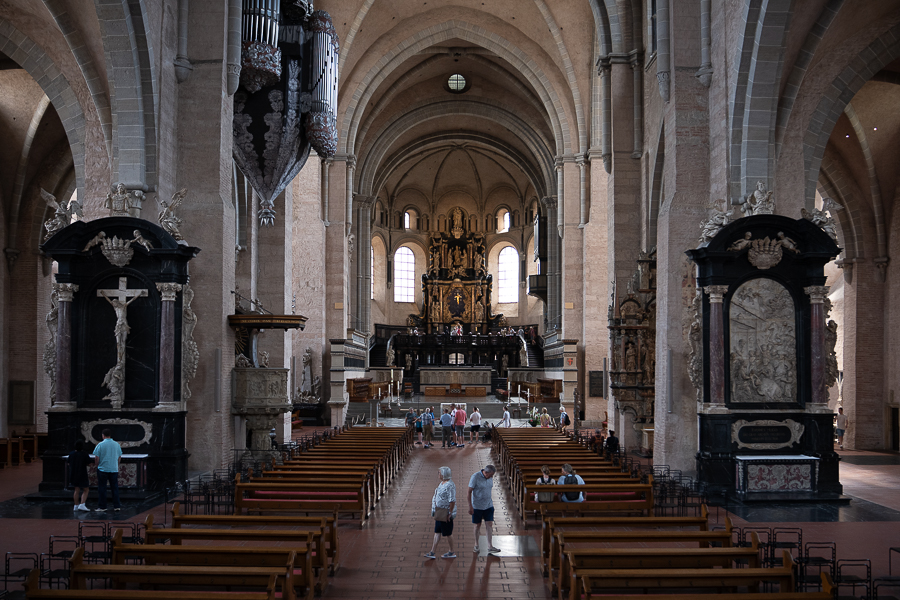
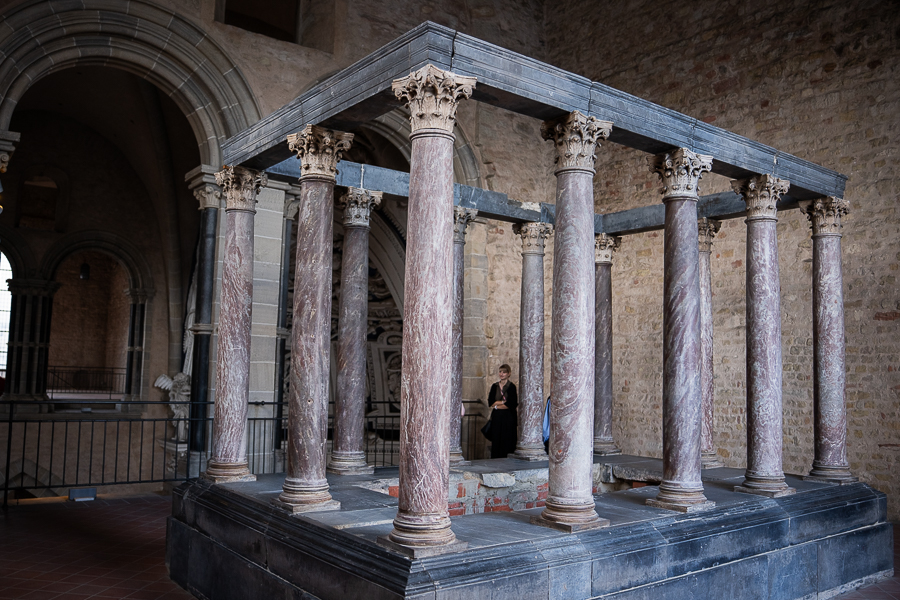
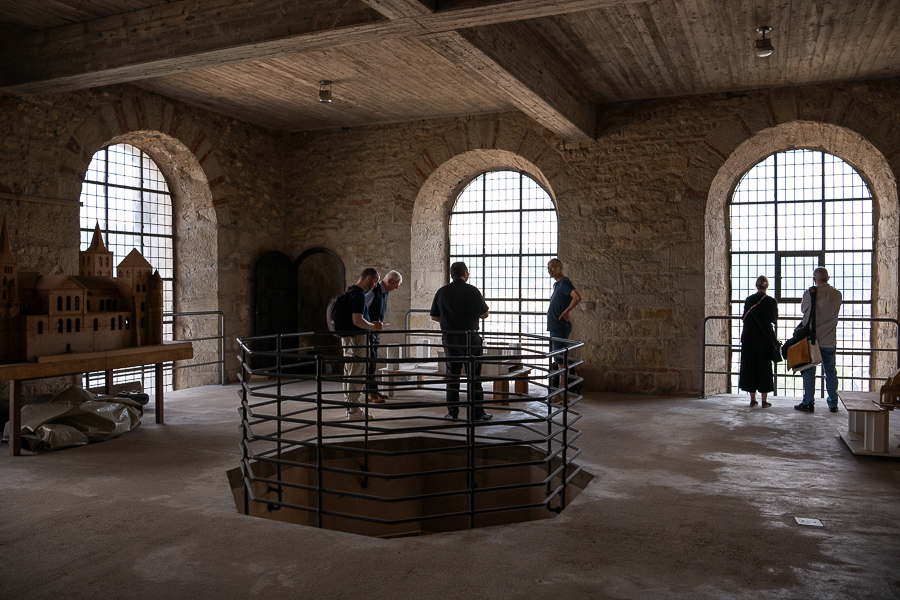
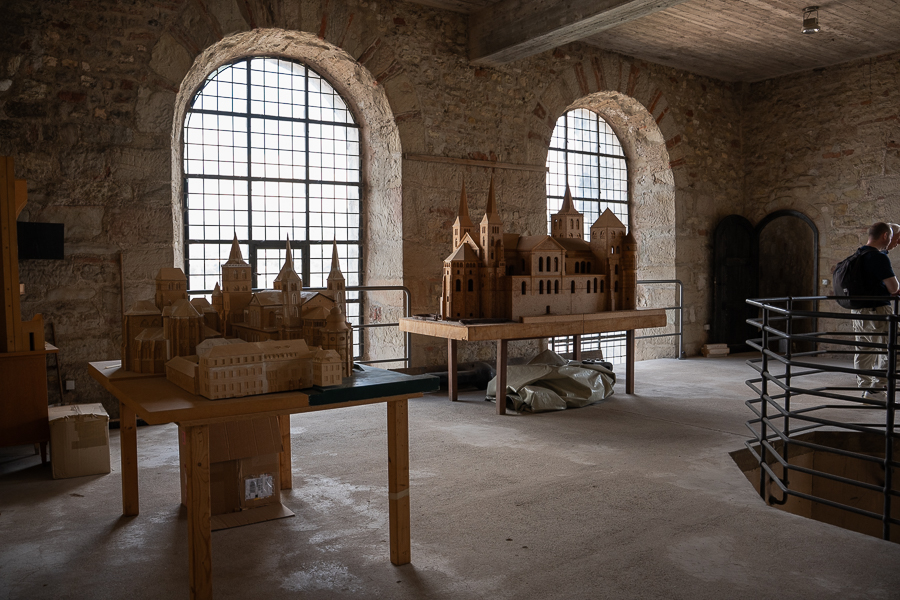
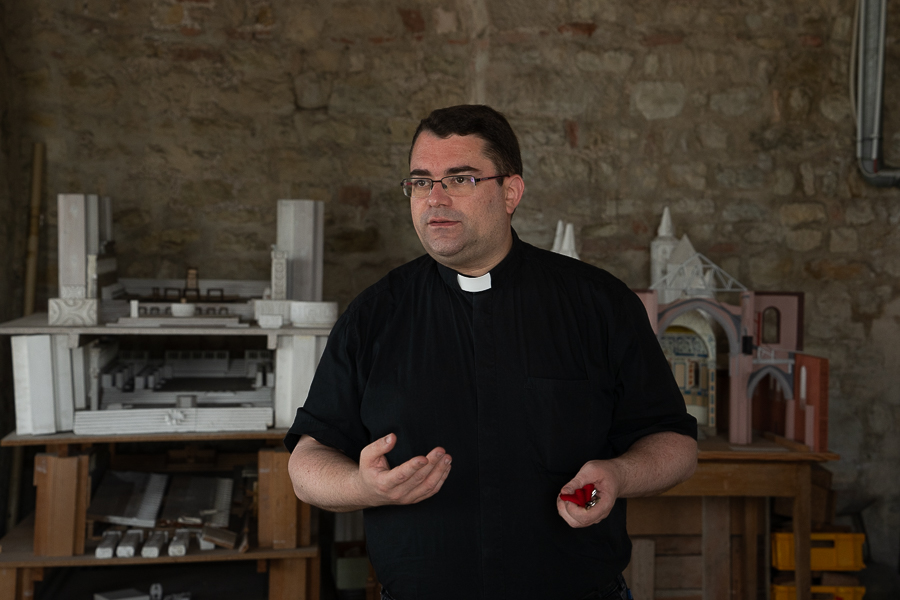
The tour then moved on to Trier Cathedral (Cathedral of St Peter), where Michael Keller, Vice-Official at the Episcopal Vicariate, provided an in-depth history of the area, which was once contained behind its own walls and housed two churches. Commissioned by Emperor Constantine, the area also originally included a baptism pool. Following several disasters, the area has been reconstructed several times, including the construction of the Liebfrauenkirche, the oldest Gothic church on German soil, which was built by French builders from Metz and Verdun.
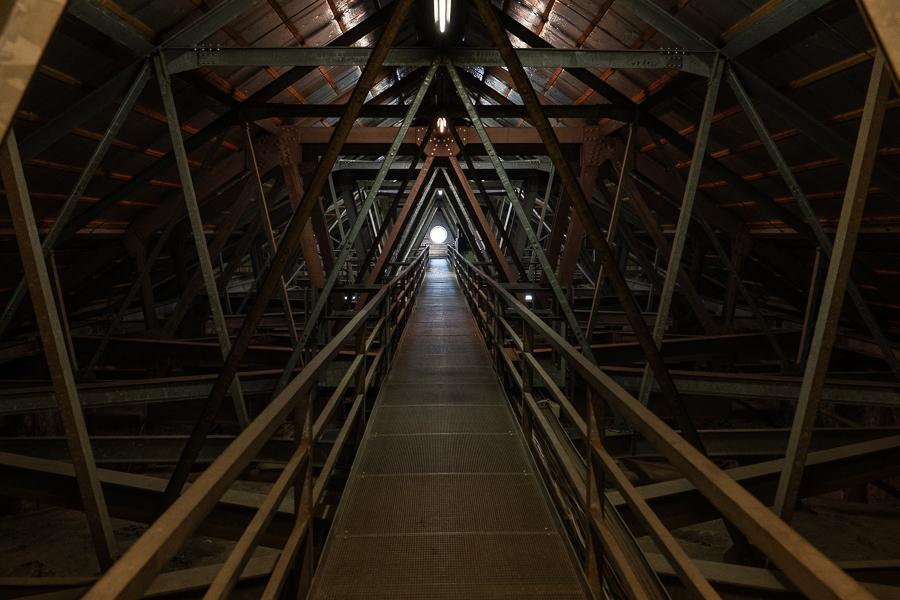
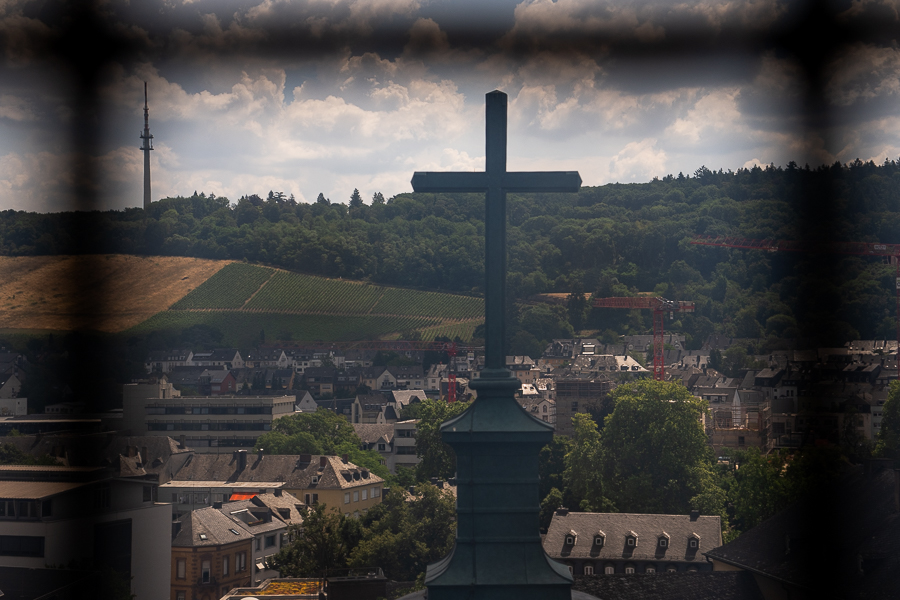
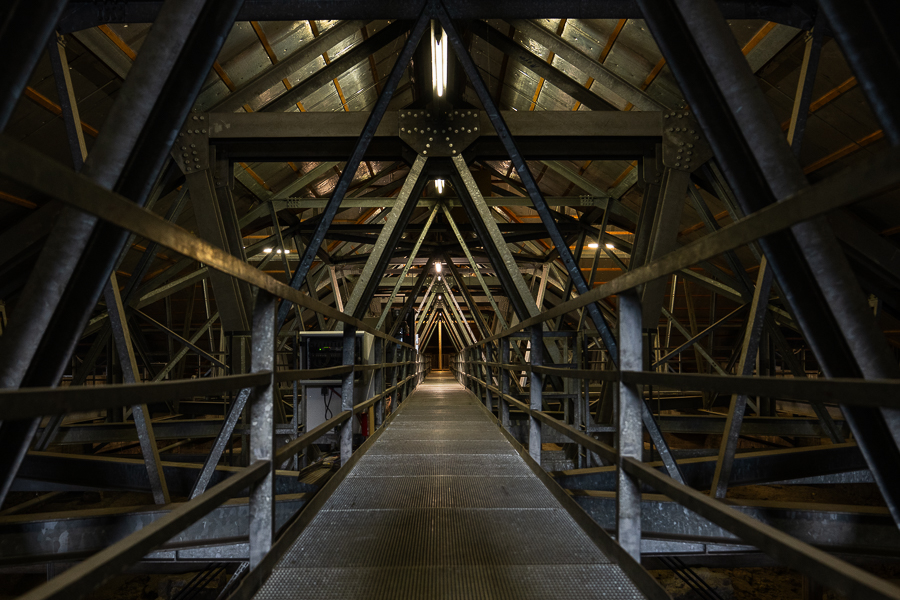
Michael Keller then guided the group up through the Cathedral’s highest parts, culminating in a visit to the underside of the building’s roof, where supporting trusses and tension cables have been more recently installed to hold up the building’s ornate ceiling domes.
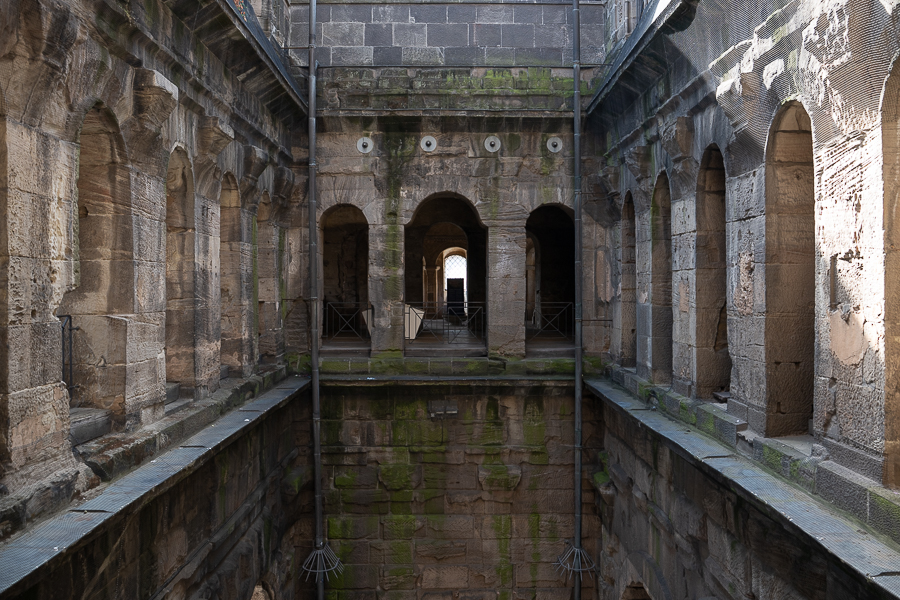
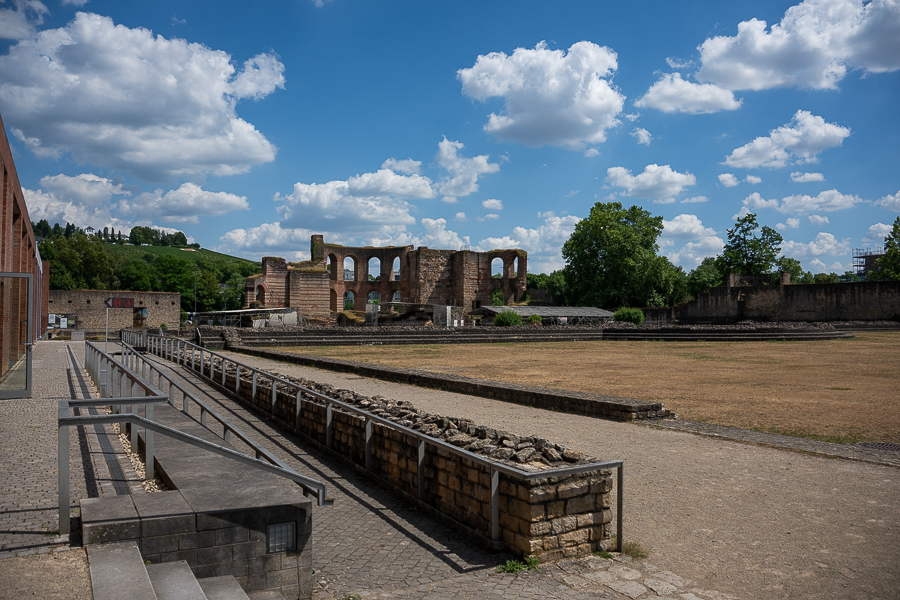
Following a break for lunch, Dr Karl-Uwe Mahler then led the group to the Imperial Baths (Kaiserthermen) for a tour based on the subject of “Revolution in Ancient Construction”. He explained that the planning for the Kaiserthermen was a gift from the emperor to the city around the end of the 3rd century but its construction as a bathing facility was not fully implemented, potentially because of the relocation of Emperor Constantine to Istanbul.
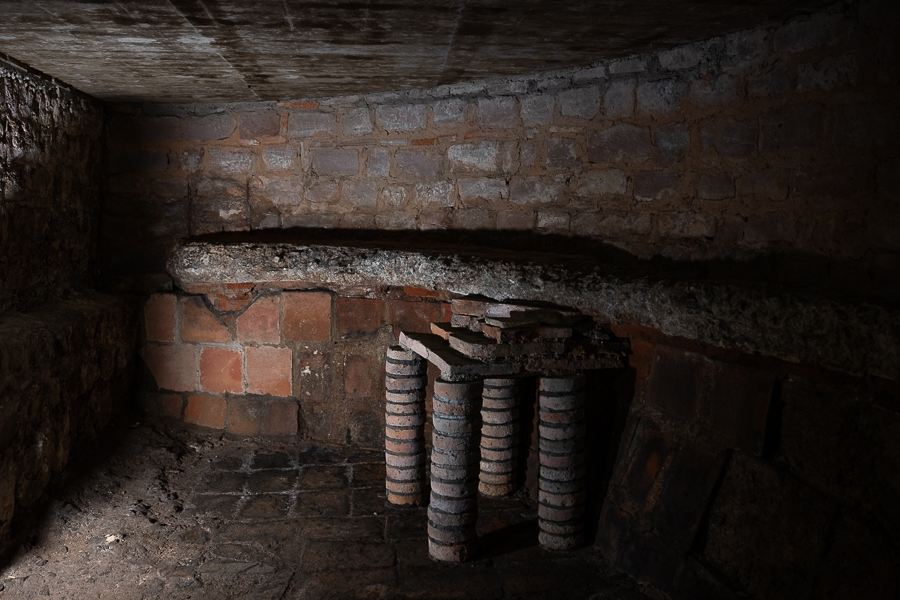
Over the centuries, the complex has seen several changes, with construction adding additional buildings to the site. Extensive underground passages still remain, including corridors, heating systems and water infrastructure, all of which illustrate the scale and ambition of the complex, as well as the importance of public amenities in Roman urban life. The tour included a visit to these underground passages, with Dr Karl-Uwe Mahler detailing how the complex likely functioned in its heyday.
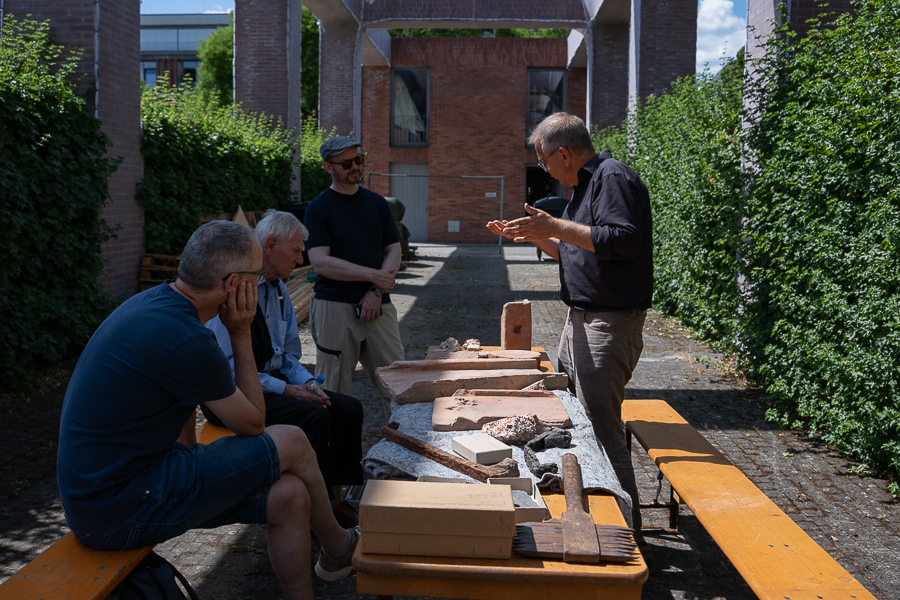
The day concluded with a workshop focusing on ancient building materials and tools, which provided insight into the hidden complexity of the Romans’ construction technology and showcased how skilled they were at utilising various materials for specific functions, even in ancient times.