 Credit: Ali Sahib, Chronicle.lu
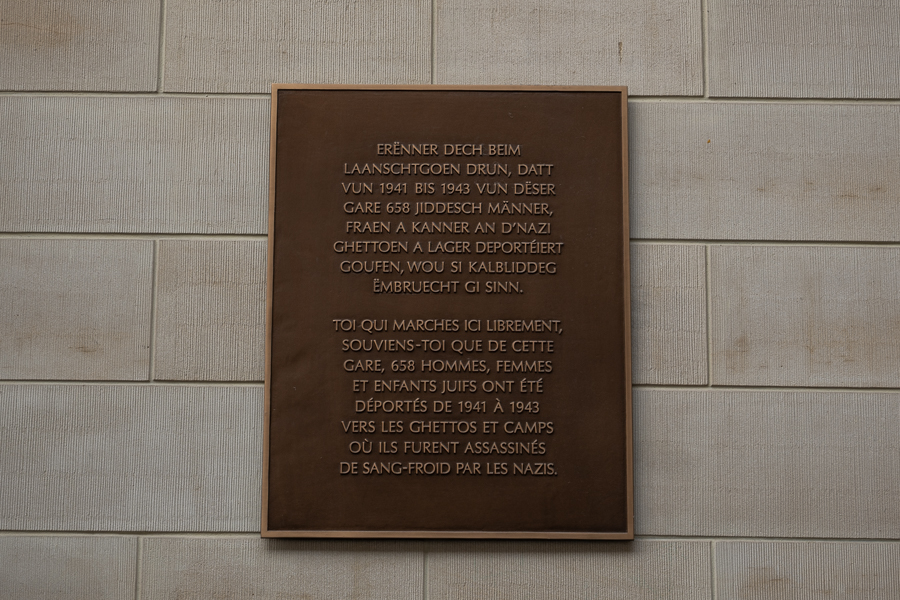
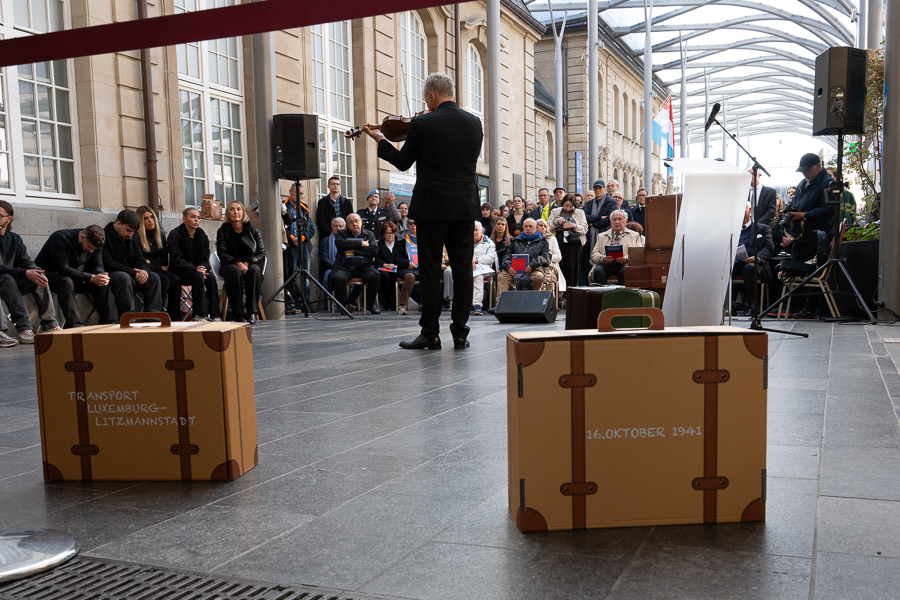
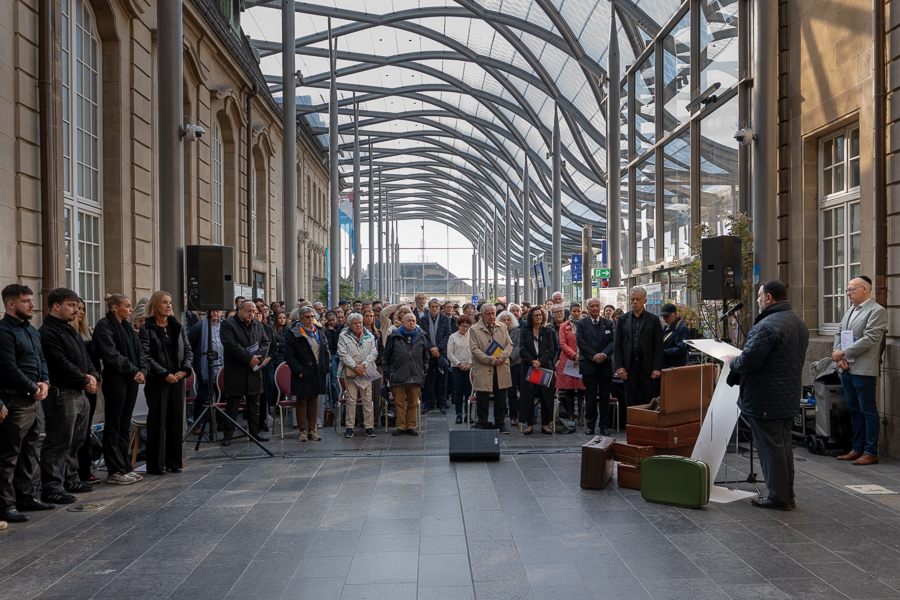
On Friday 16 October 2026, the Comité Auschwitz Luxembourg held a commemorative ceremony at Luxembourg Central Station to mark the 85th anniversary of the first deportation of Jewish people from Luxembourg and the Trier region of Germany during the Second World War.
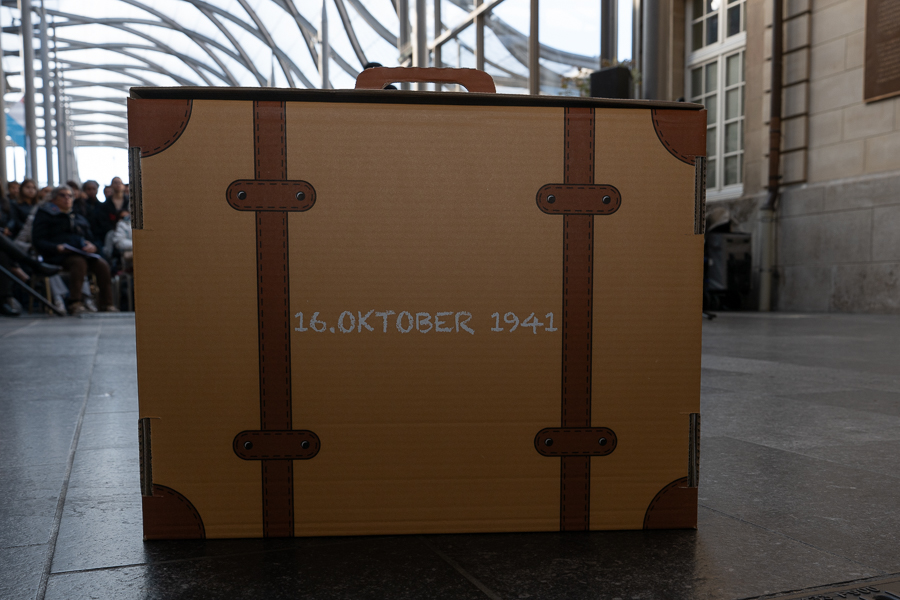
Between 16 and 18 October 1941, the Nazis deported 513 Jewish men, women and children, including around 100 children and adolescents, by train to the Litzmannstadt (Łódź) Ghetto in Nazi-occupied Poland. Only fourteen survived.
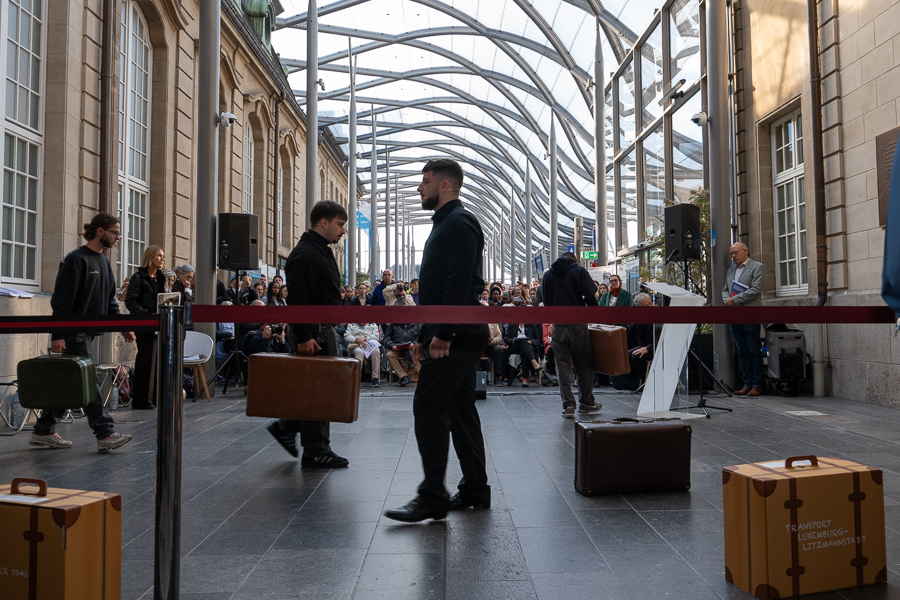
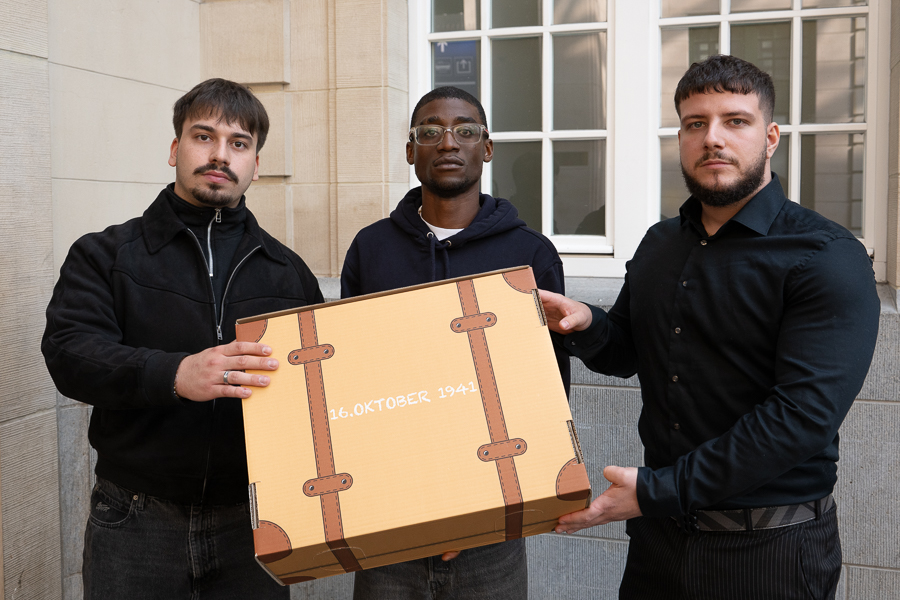
The ceremony, attended by around 100 people, formed part of the cross-border remembrance initiative "Grenzenlos gedenken" (Remembrance Without Borders), bringing together representatives of Jewish communities, survivors' families, students from the École nationale pour Adultes (ENAD), École Privée Fieldgen and Lycée Technique de Lallange, and organisations involved in preserving the memory of the Holocaust.
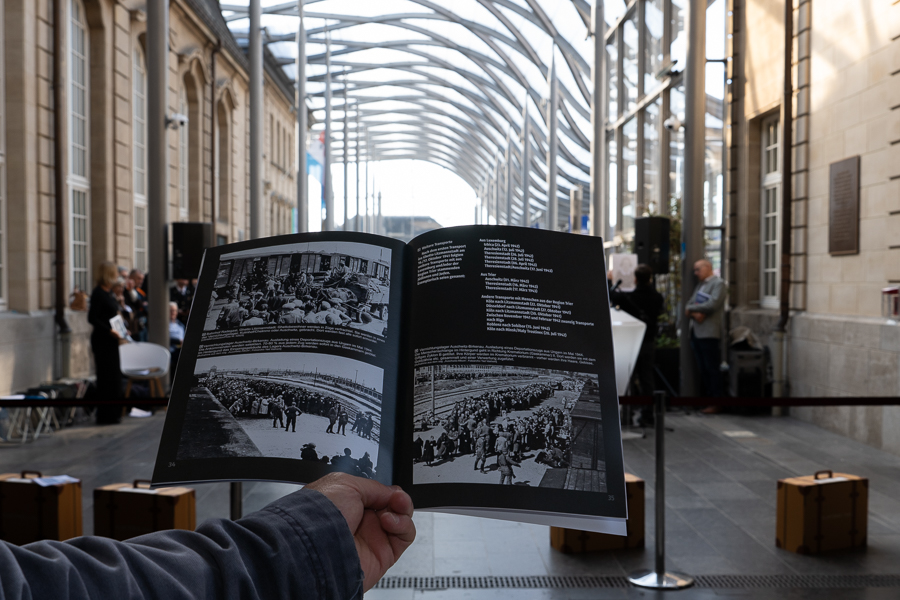
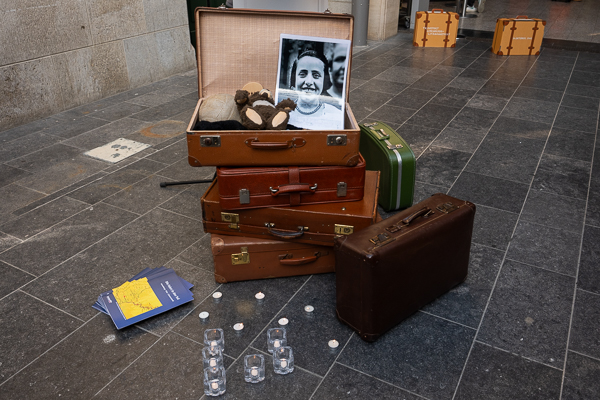
The event also caught the attention of passers-by in the station hall, some of whom stopped to watch and listen, while others picked up informational leaflets and brochures.
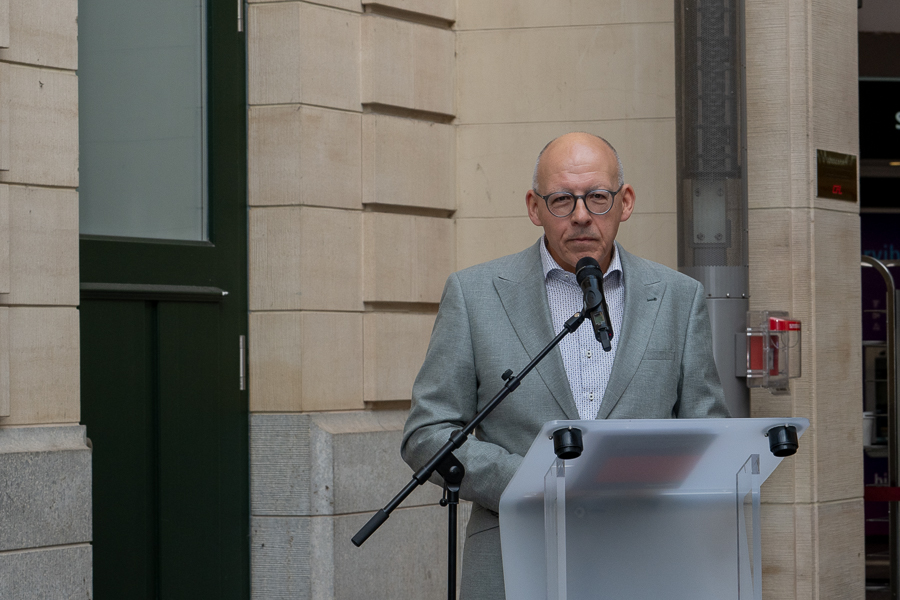
Violinist Ilan Schneider opened the ceremony with a musical performance, followed by a welcome address in Luxembourgish from Marc Schoentgen, President of the Comité Auschwitz Luxembourg.
During his speech, Marc Schoentgen said: "Remembrance is important for historical reasons, for emotional reasons, but it is also important for democracy. Especially at this time."
The ceremony also marked the inauguration of "Zakhor – Passant, souviens-toi" (Remember, Passer-by), a video installation by Trier-based filmmaker Ralf Kotschka, displayed in the station's main hall. It presents photographs, names and dates of birth of deported Jewish people, inviting passengers and visitors to pause and reflect on their lives. The installation will stay there until 23 October 2026.
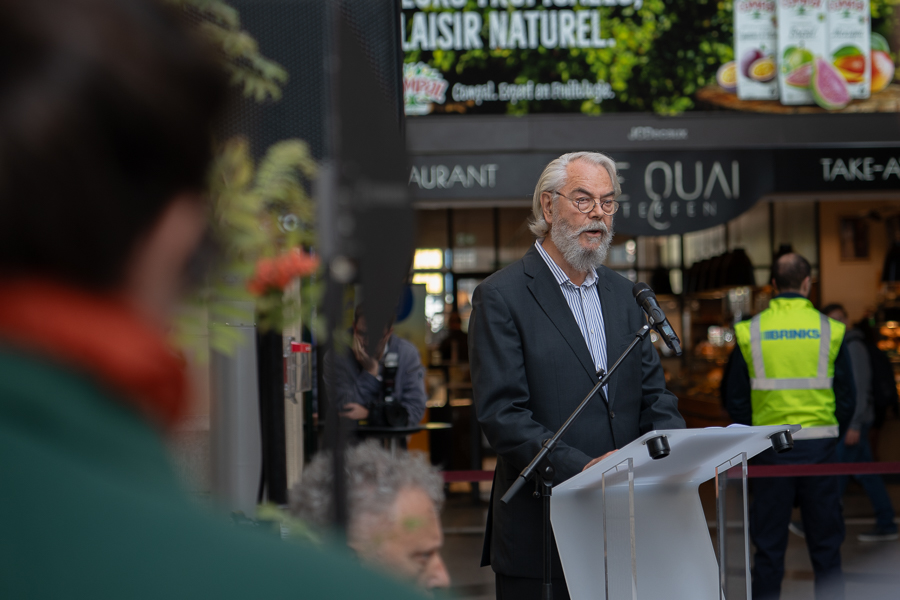
As part of the ceremony, Mil Lorang, former President of MemoShoah Luxembourg Asbl read a prepared address by Holocaust survivor Claude Marx. The speech traced the history of antisemitism in Europe and warned against the consequences of propaganda and deliberately fabricated accusations against minority communities.
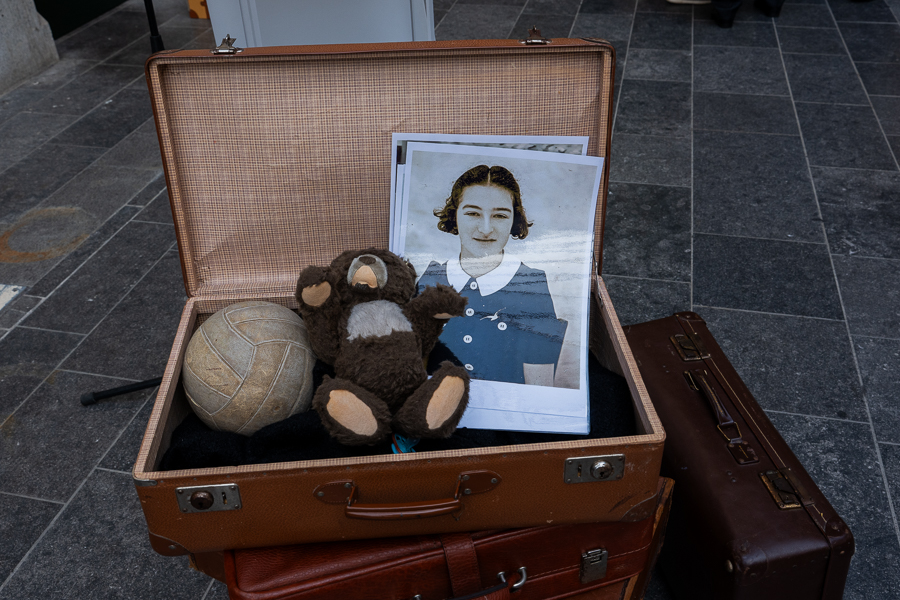
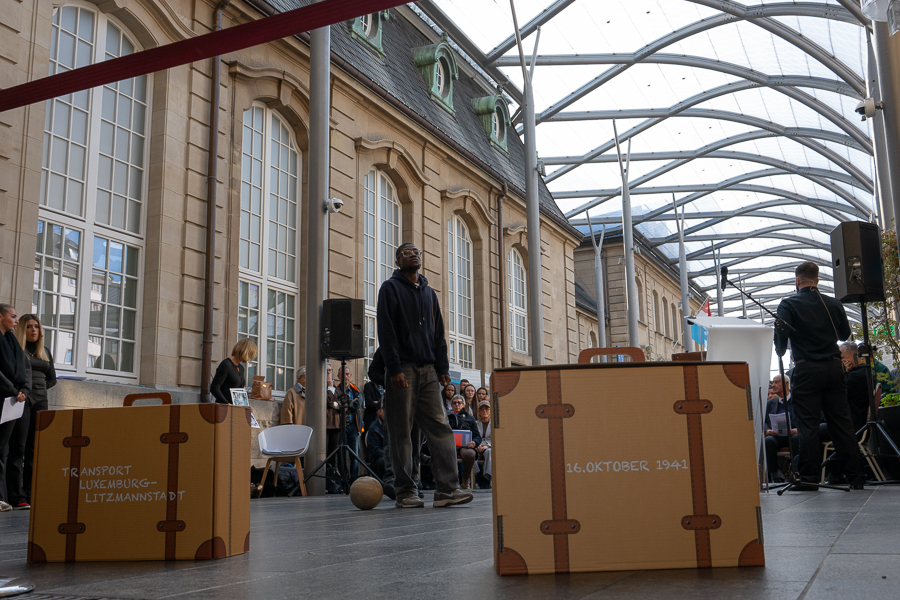
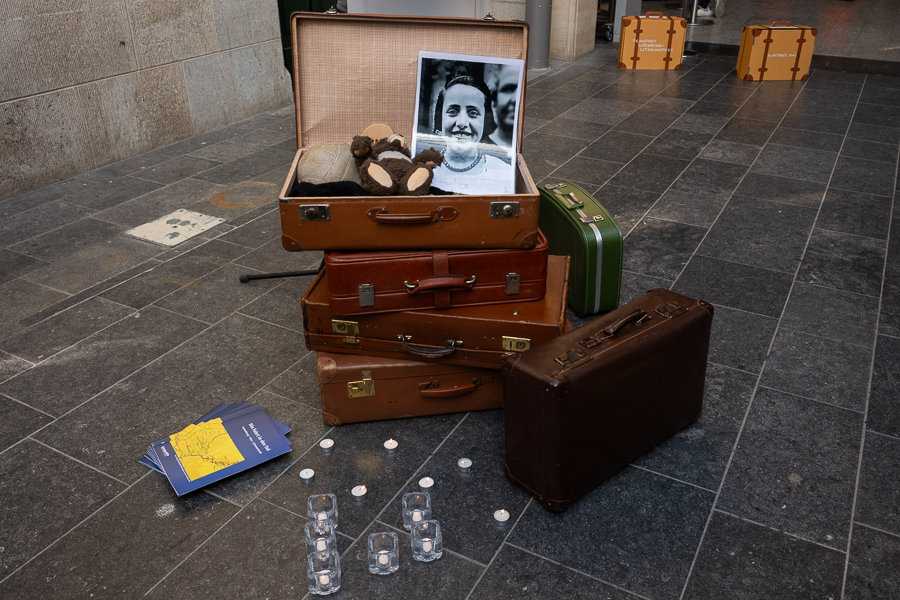
The programme continued with "Liewen (er)zielen" (Telling a Life – Every Life Counts), a theatrical performance by ENAD students. Through photographs, personal stories and symbolic objects, including a comb, a teddy bear, a ball and a book in Hebrew script, they presented individual experiences of Jewish people affected by Nazi persecution. The performance was followed by the lighting of candles in memory of the deportees.
Luxembourg's Chief Rabbi Alain Nacache led the “Kaddish”, a traditional Jewish prayer recited in mourning and remembrance; attendees during it stood in respect. Some participants wore a “kippah”, the traditional Jewish skullcap.
Speaking with Chronicle.lu after the performance, two of the participating students shared their views.
Gonçalo Cardoso Portela explained that the students had researched historical sources online and worked with their German teacher, representatives of MemoShoah Luxembourg and families of Holocaust victims.
He described the performance as a way to preserve stories that might otherwise be forgotten and "to warn people what might come next in the future".
Pedro Baptista Francisco added: "Right now we can see what's happening in Palestine, that they are kind of doing the same thing with the children over there. This systematic destruction, some ethnic cleansing and all this stuff, it's enough, I think. And also my past and my skin tone [...] for me it's really important to say it loud, to get recognition from people who already lived through that. [...] It really hurts me that I'm seeing it again and again."