 Credit: natur&ëmwelt
Luxembourg has what is known as a Temperate Climate in which winters are generally mild and summers comparatively cool, with rainfall that can be high; its flora and fauna have thrived in and adapted to this climate over the centuries and millennia, with ongoing challenges due to pollution and recent climate change, as well as the introduction of non-native species, resulting in disruptions to the norm.
Nevertheless, with various initiatives and organisations helping the ecosystem and habitat, including sustainability and re-wilding, there is a lot happening in nature across the Grand Duchy.
Chronicle.lu has teamed up with natur&ëmwelt (the non-profit organisation (naturemwelt), the foundation (Hëllef fir d'Natur) and the Wildlife Care Centre (Flegeestatioun) for a series of articles on Luxembourg's nature reserves, in which we look at the natural habitats that preserve biodiversity and protect ecosystems from development, pollution and intensive agriculture.
No. 5 in this series focuses on Léresmillen.
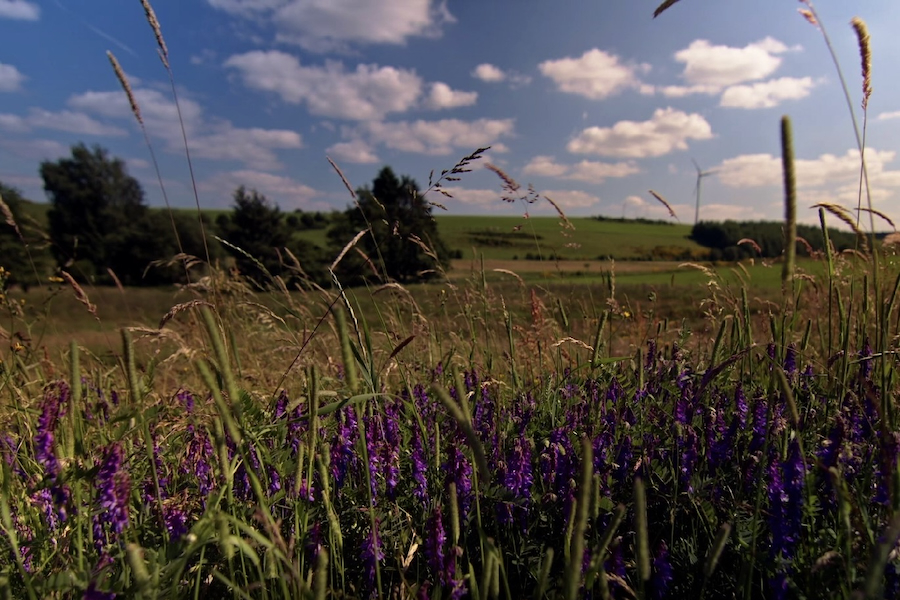
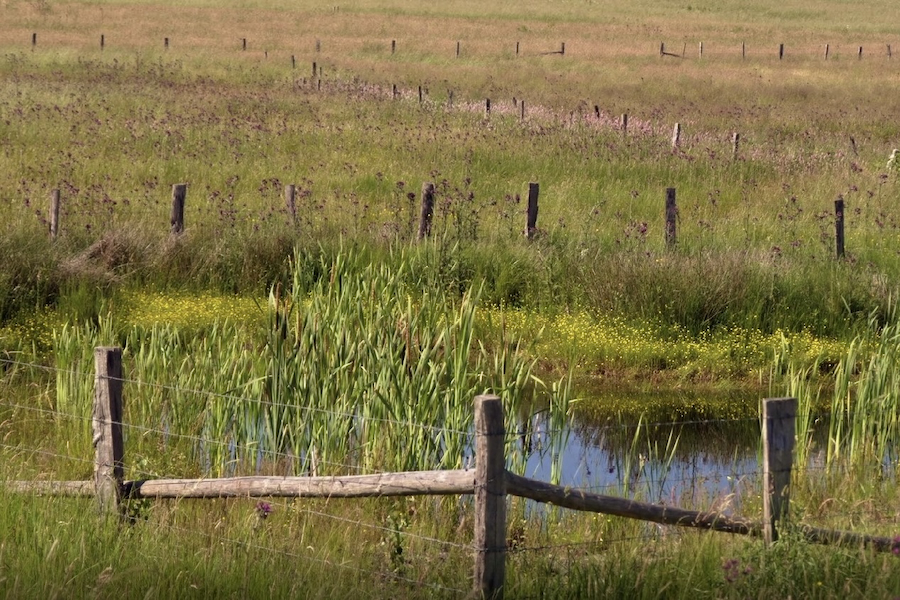
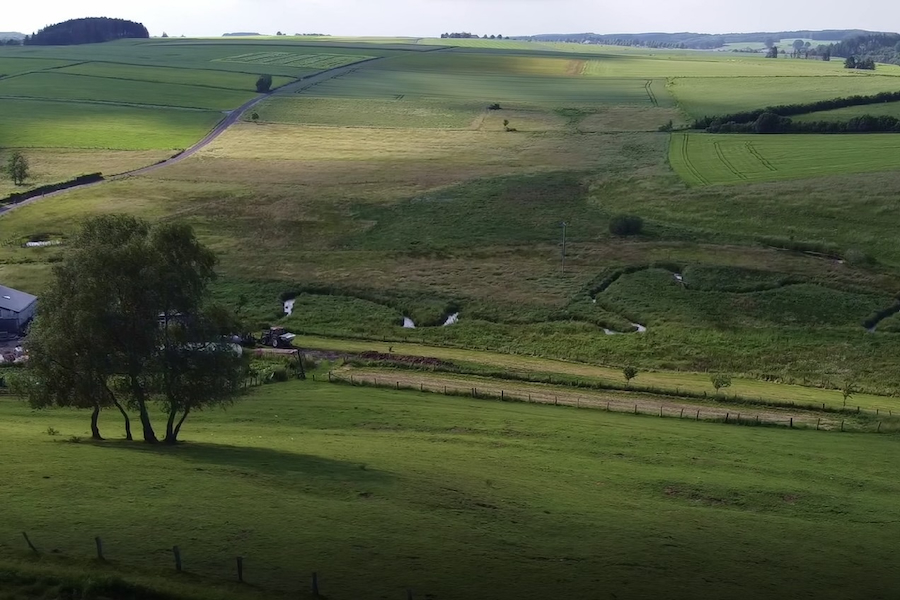
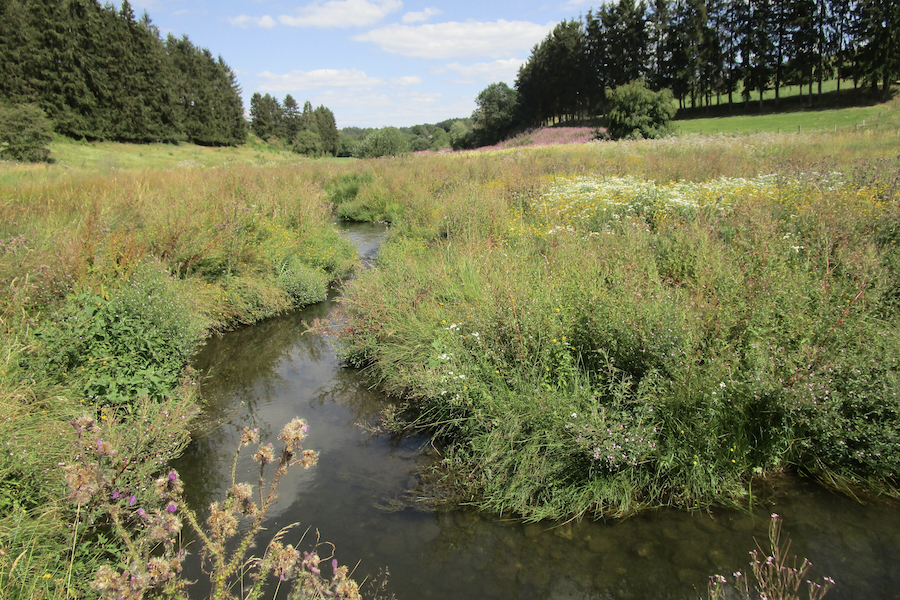
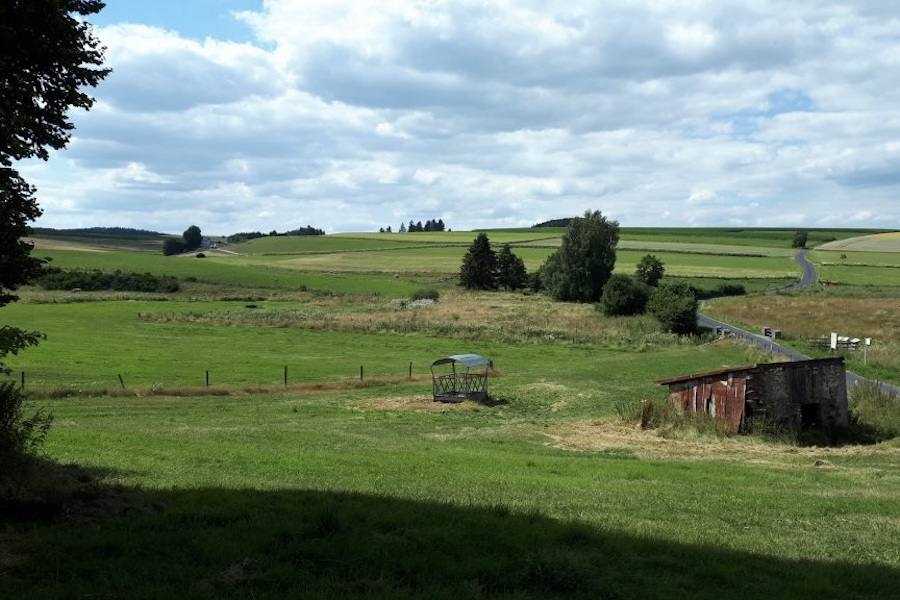
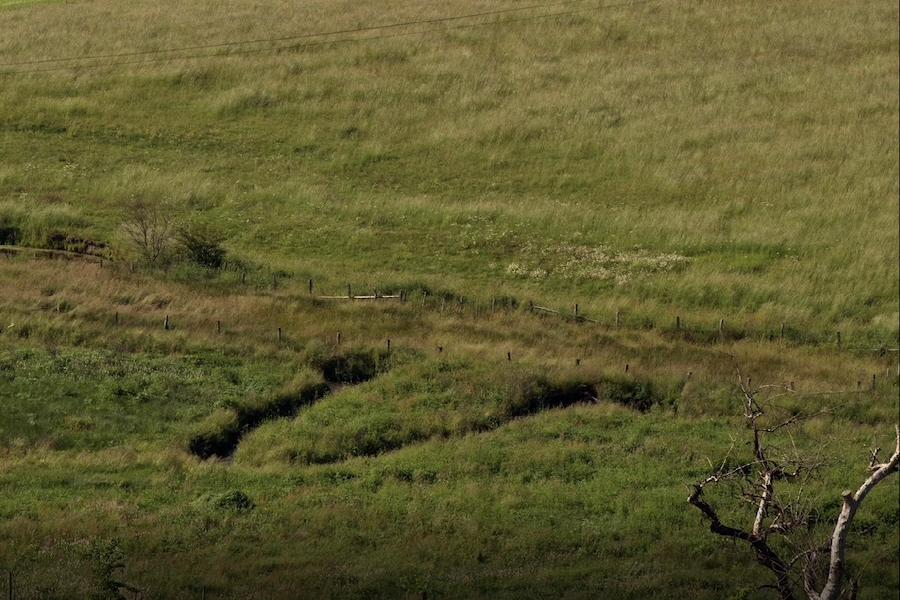
The valley of the Troine stream, the Trëtterbaach (stretching 16.5 km), is highly regarded by ornithologists for its avian diversity. In 2014, a crucial refuge zone for birds typical of extensive grasslands was successfully secured near the Léresmillen. This wetland reflects the importance of the Trëtterbach and its tributaries, surrounded by small marshy areas and a few rare, intensively managed hay meadows. These habitats are essential for numerous threatened birds, such as the Red-backed Shrike (Lanius collurio), the Great Grey Shrike (Lanius excubitor), the Meadow Pipit (Anthus pratensis) and the Common Snipe (Gallinago gallinago).
Hydrological Restoration: Reconnecting River and Floodplain
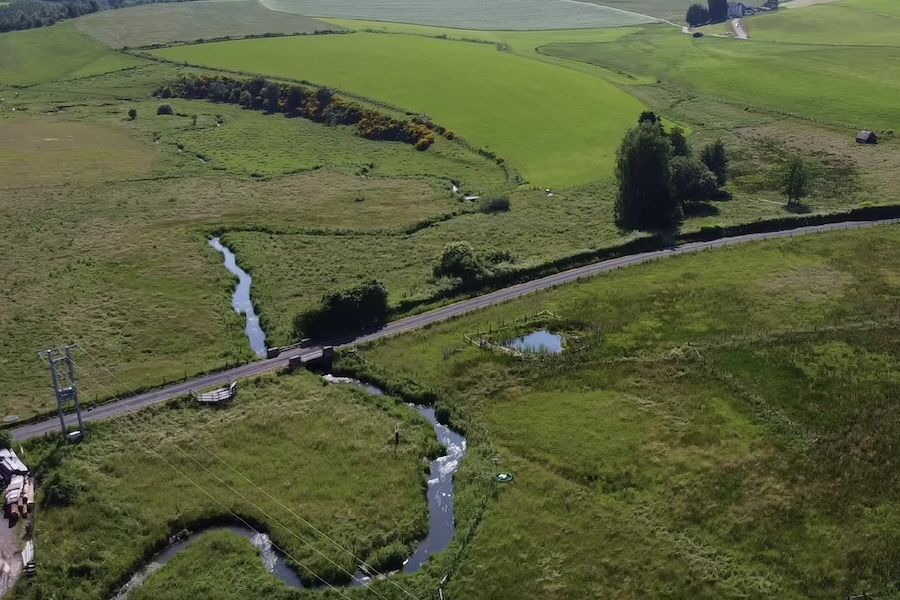
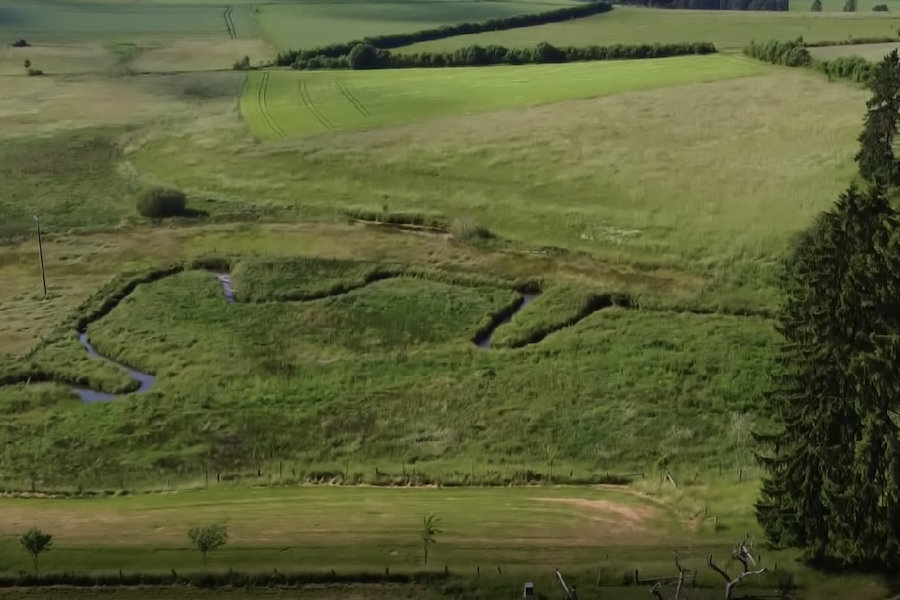
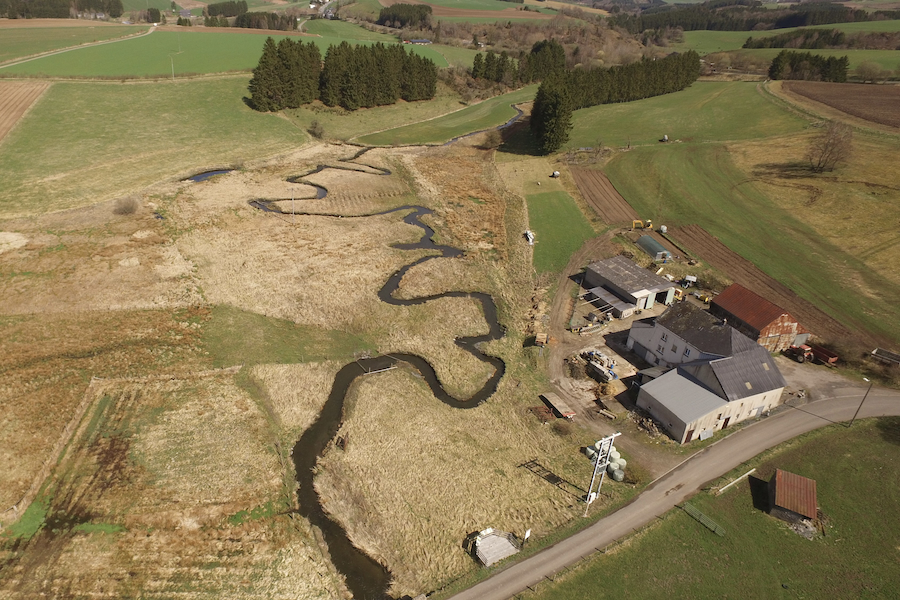
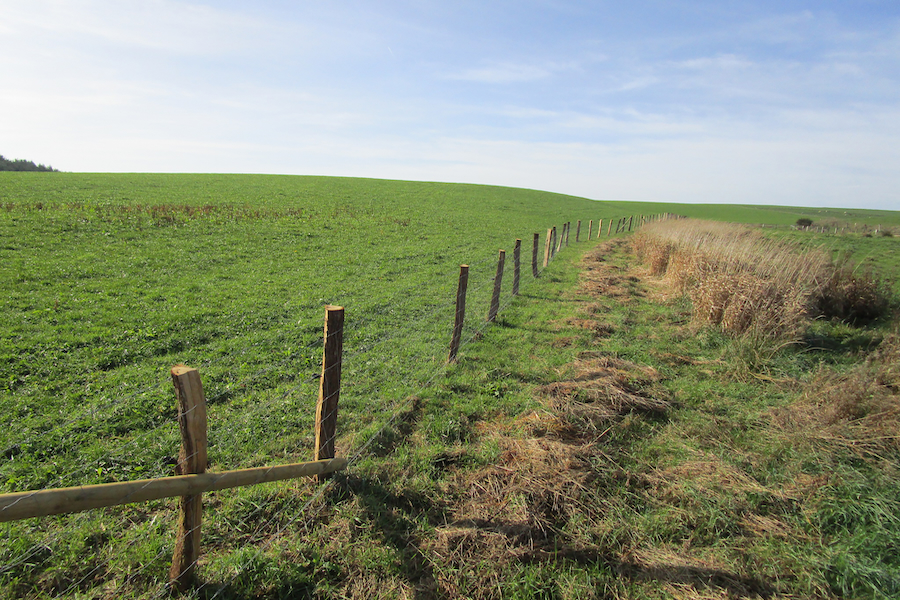
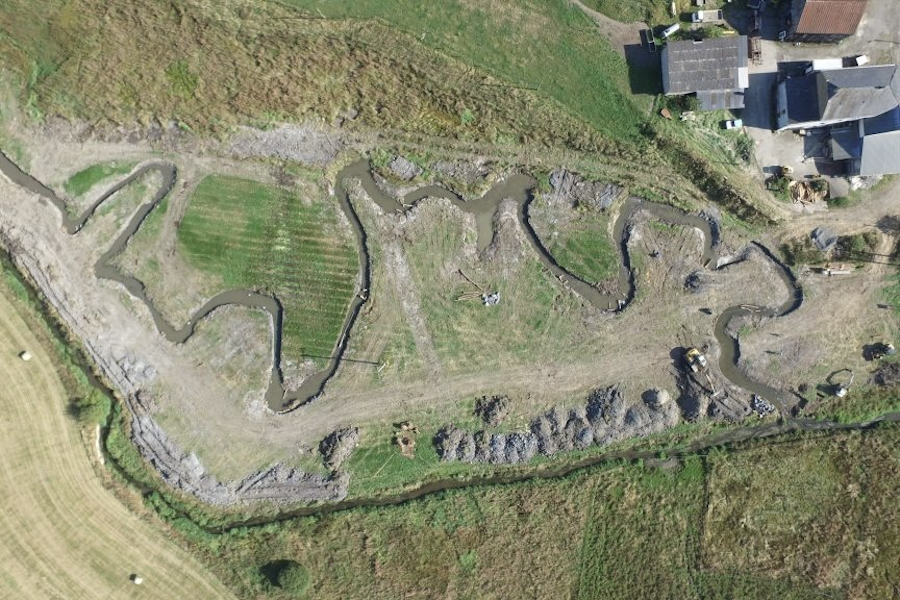
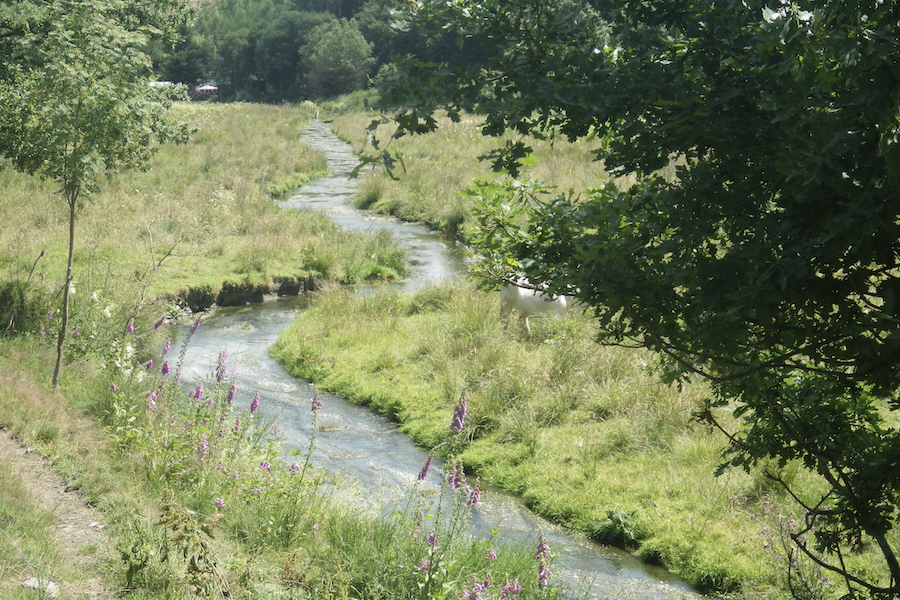
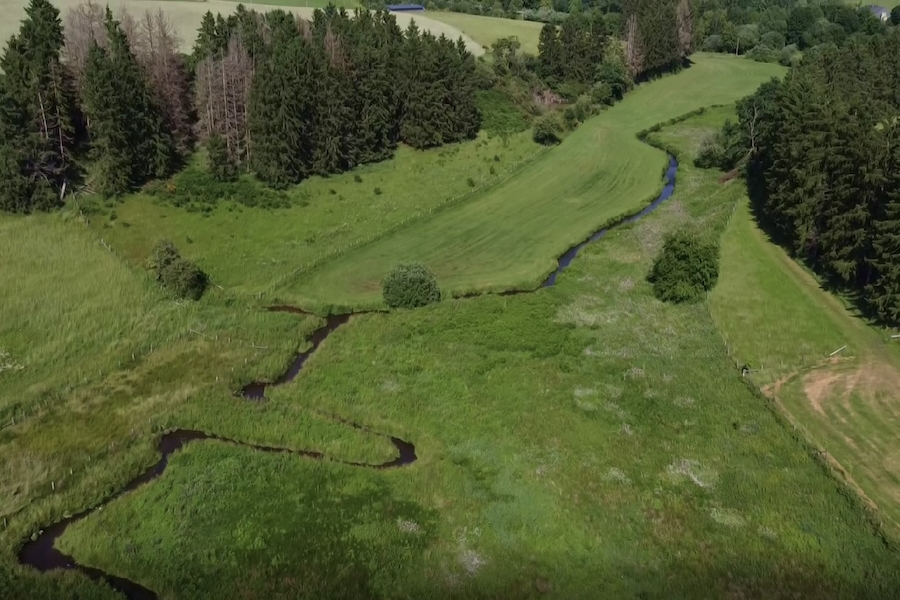
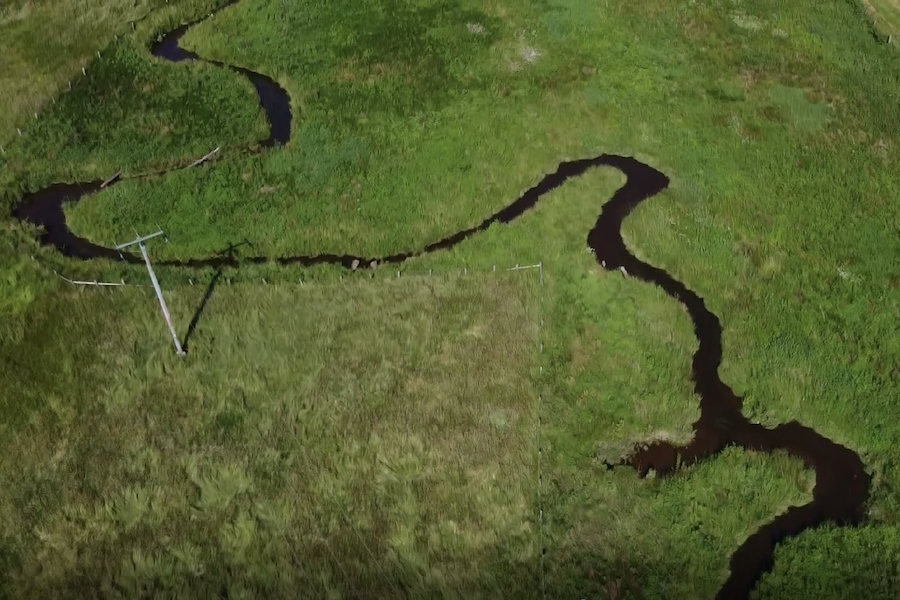
Upstream of the reserve, the Trëtterbach still meanders naturally through the alluvial plain. Downstream, however, significant work was undertaken in 2016: the river section was re-meandered over approximately 300m. This project utilised state funding (Water Management Fund) and European LIFE-Nature funding (LIFE Éislek project), supported by a sponsor (RBC Bank). This restoration effort successfully multiplied aquatic habitats, creating crucial spawning grounds for Brown Trout (Salmo trutta fario) and the Common Gudgeon (Cottus gobio). The environmental and human benefit is evident in the improved water retention during floods and the vital reconnection of the river with its floodplain. The rejuvenated floodplain meadows are now managed through extensive grazing in collaboration with local farmers.
Flora and Fauna: Signs of Recovery and Relics of the Past
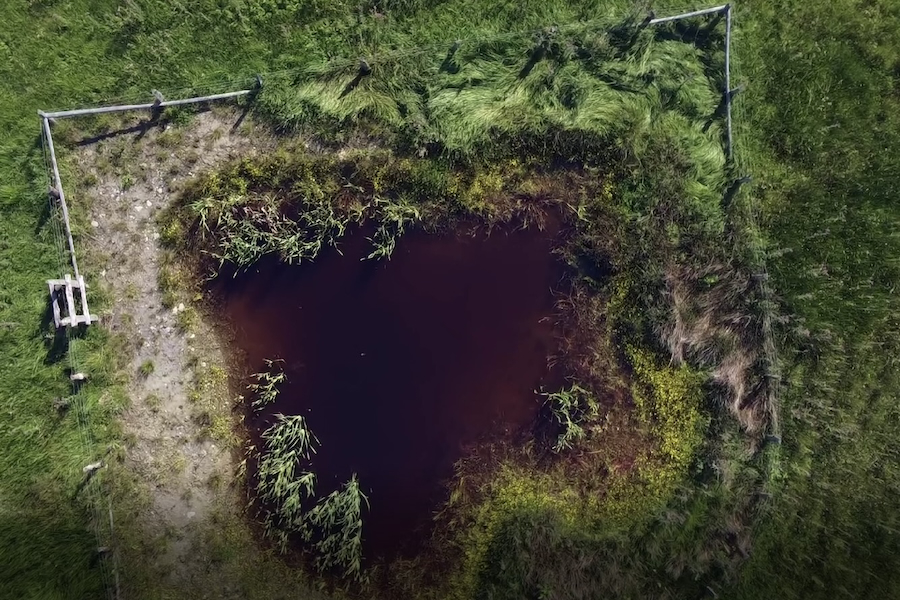
The managed habitats support rare and threatened flora and fauna. The Ivy-leaved Watercrowfoot (Ranunculus hederaceus), a small plant on the brink of extinction, thrives in the transitional zones between terrestrial and aquatic environments — its preferred habitat includes spring areas, lowland swamps and dry pond banks. The river's clean waters, rich in detritus and sediment, particularly benefit the Planer Lamprey (Lampetra planeri), distinguished by its eel-like body and jawless sucker mouth. Bird populations are also telling; while the Yellow Wagtail (Motacilla flava), a small migratory passerine with brilliant yellow and grey-blue plumage, nests in these wet agricultural zones, its decline is primarily linked to the intensification of farming, particularly early and repeated mowing during nesting periods. Tragically, the Whinchat (Saxicola rubetra), once widespread, was officially declared an extirpated breeding species in 2019; its last refuge was precisely this extensive wetland zone where it can still occasionally be observed during migration.
Visitor Guide: Exploring Léresmillen
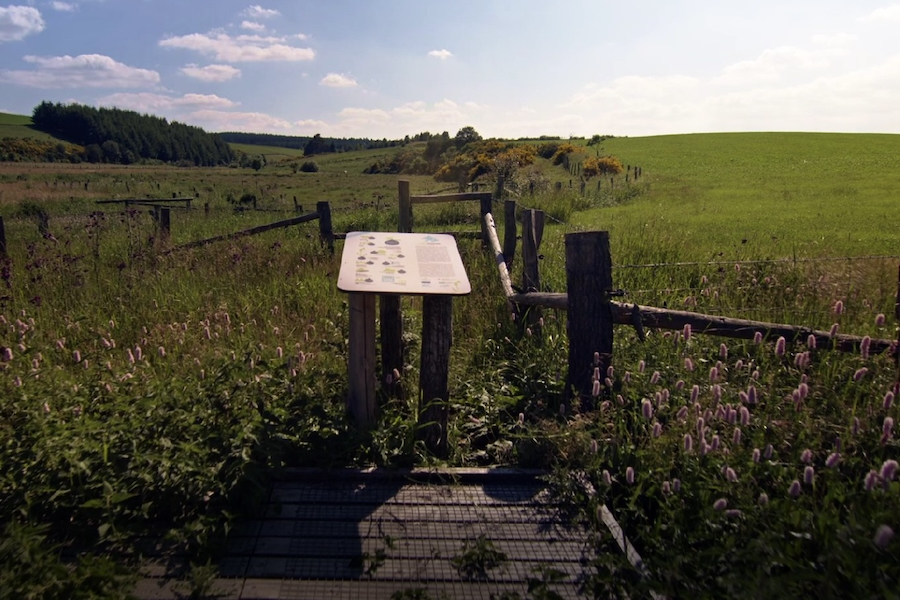
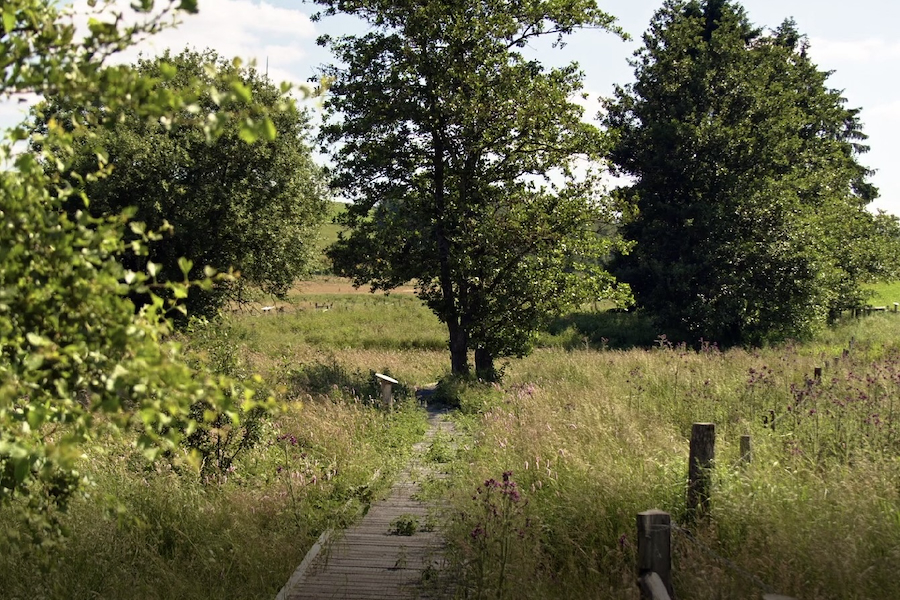
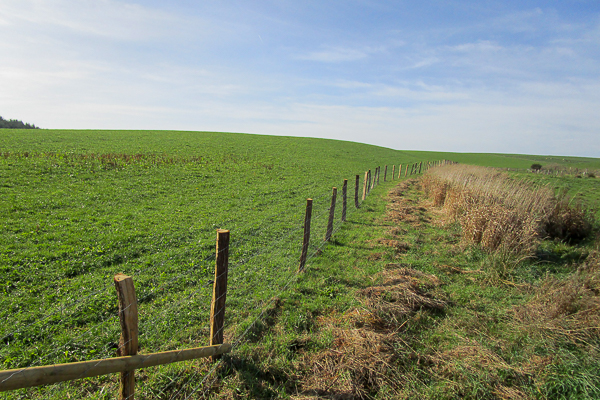
Léresmillen offers a rich experience for nature lovers and birdwatchers, though visitors should remember it is an active conservation and agricultural management area. The peak time for observing the greatest variety of bird species is during the spring migration and nesting season, from April through early July. This is when the calls of the Meadow Pipit and the distinctive calls of the Shrikes are most prevalent. The site's health is visible in the grasses, but we urge visitors to stay strictly on marked trails to protect the sensitive wet meadows and riparian zones where rare plants like the Ivy-leaved Watercrowfoot thrive. Furthermore, the main path offers a combined route with the Sentier des Passeurs, providing a poignant historical walk alongside the Klengelbaach stream, reflecting on the history of World War II resistance. Due to the wetland nature of the area, waterproof footwear is essential year-round to comfortably navigate the terrain along the restored river sections.