 Credit: natur&ëmwelt
Luxembourg has what is known as a Temperate Climate in which winters are generally mild and summers comparatively cool, with rainfall that can be high; its flora and fauna have thrived in and adapted to this climate over the centuries and millennia, with ongoing challenges due to pollution and recent climate change, as well as the introduction of non-native species, resulting in disruptions to the norm.
Nevertheless, with various initiatives and organisations helping the ecosystem and habitat, including sustainability and re-wilding, there is a lot happening in nature across the Grand Duchy.
Chronicle.lu has teamed up with natur&ëmwelt (the non-profit organisation (naturemwelt), the foundation (Hëllef fir d'Natur) and the Wildlife Care Centre (Flegeestatioun) for a series of articles on Luxembourg's nature reserves, in which we look at the natural habitats that preserve biodiversity and protect ecosystems from development, pollution and intensive agriculture.
No. 20 in this series focuses on Oechelter.
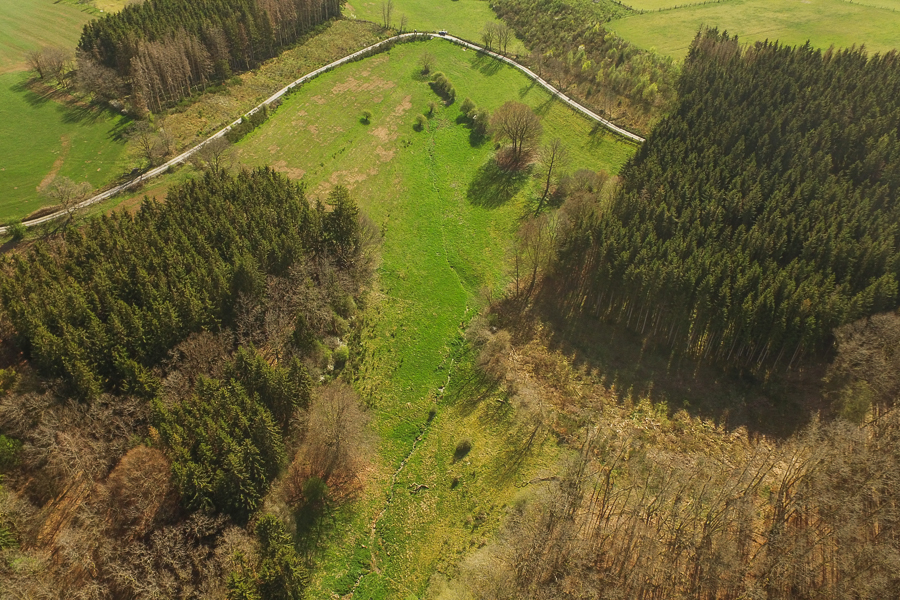
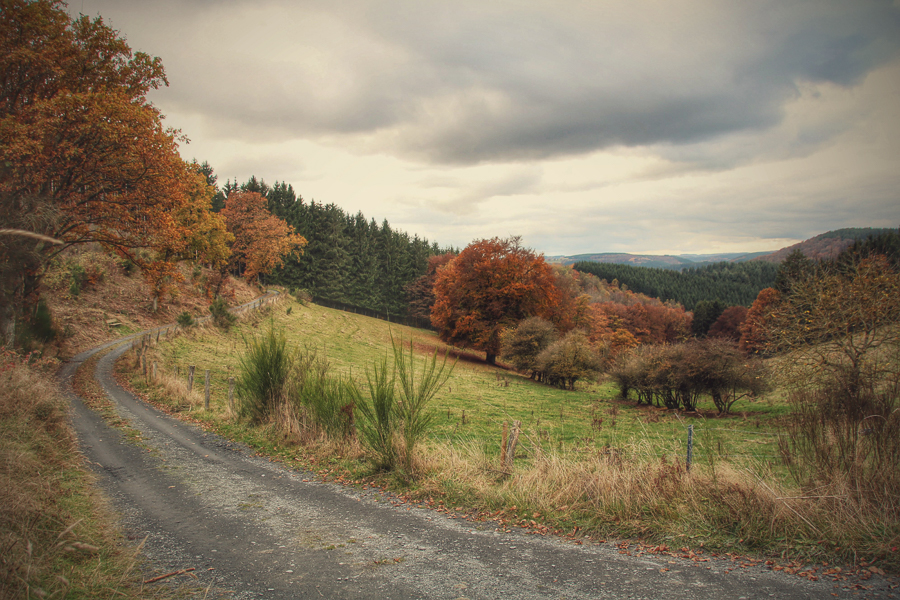
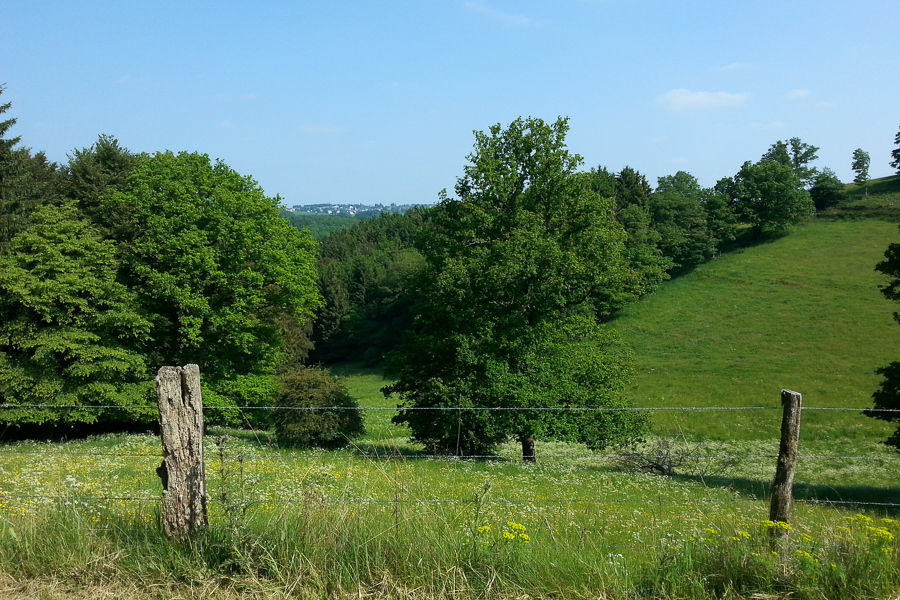
The Oechelter reserve, located near Neimillen, north of Bilsdorf, is characterised by the spring basin of a small stream that indirectly feeds the Sûre river. This area is defined by an extensive pasture and an impressive line of trees.
National Tree Day: Promoting native trees since 1992
The Oechelter site gained particular significance in 2021 as the location for the official launch of the 30th National Tree Day (JNA – Journée nationale de l’arbre). Initiated by the Foundation in 1992, the JNA campaign aims to raise awareness and encourage public and private entities, as well as citizens, to plant regional, native trees and shrubs. These are considered essential components for maintaining biodiversity in both rural and urban environments. Since 1997, the JNA has enjoyed the High Patronage of Grand Duke Jean and the patronage of several ministries.
Adapting to climate change and planting for the future
Due to milder autumn temperatures in recent years—a phenomenon linked to climate change—the Foundation made a strategic decision to postpone the date of the National Tree Day. To ensure better planting conditions and to allow trees to properly enter their winter dormancy, the event will now take place on the third Saturday of November. For the 30th edition held at Oechelter, 30 trees of three different native species were planted: ten Small-leaved Limes (Tilia cordata), ten Whitebeams (Sorbus aria) and ten Wild Cherries (Prunus avium).
Ecology and art in the pasture
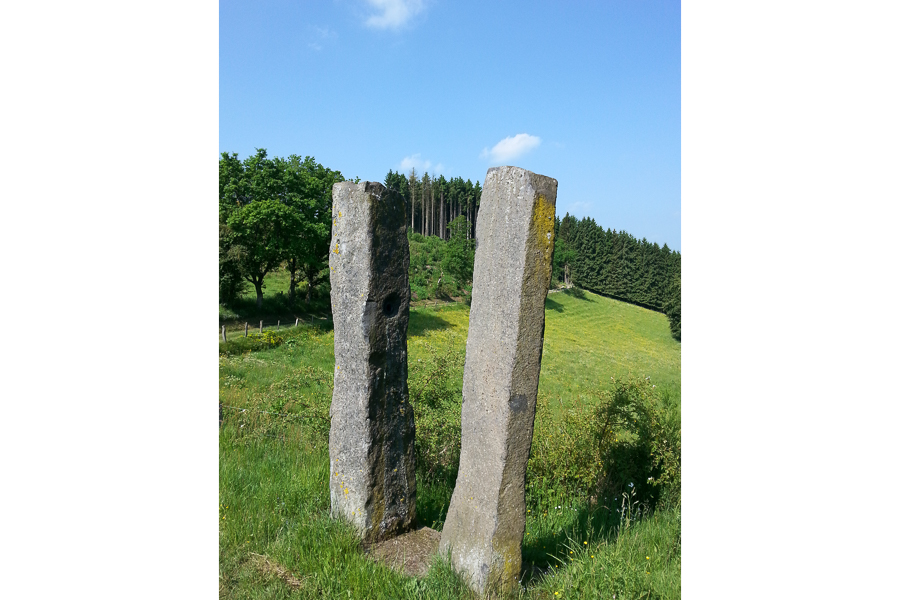
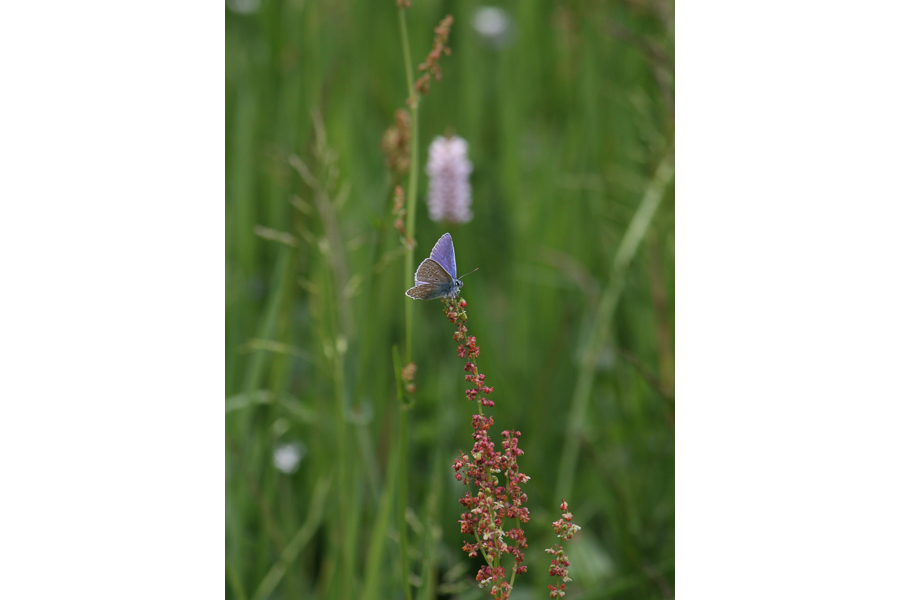
The wide-open pasture and surrounding habitats support common species such as the Common Blue butterfly (Polyommatus icarus). This highly frequent butterfly is adaptable and not limited to a specific habitat, though its caterpillars remain dependent on host plants from the Fabaceae (pea) family. The reserve also offers a cultural experience: along the small trail, hikers discover sculptures that are part of the artistic project, "The European Road of Peace" (information available at http://strasse-des-friedens.com).
Visitor information: Experiencing Oechelter
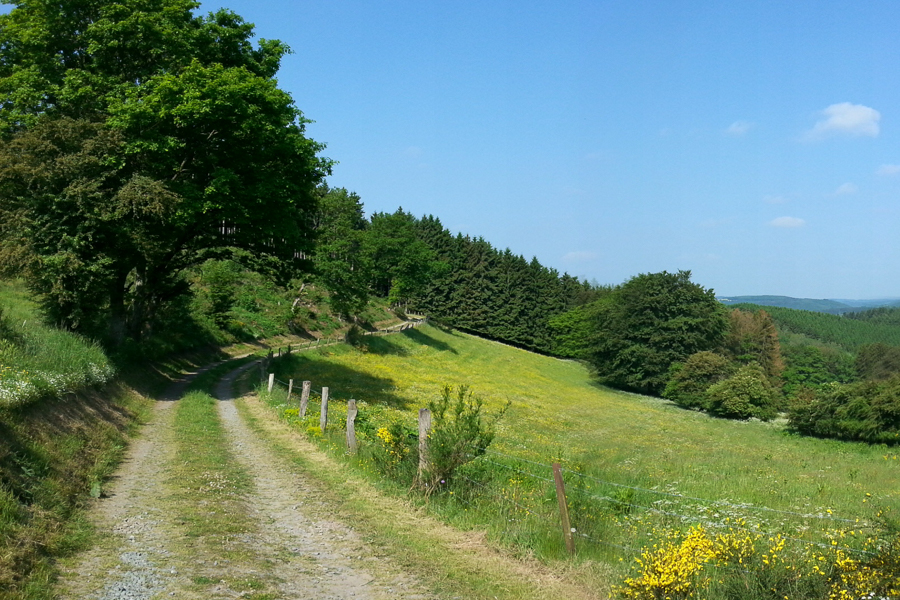
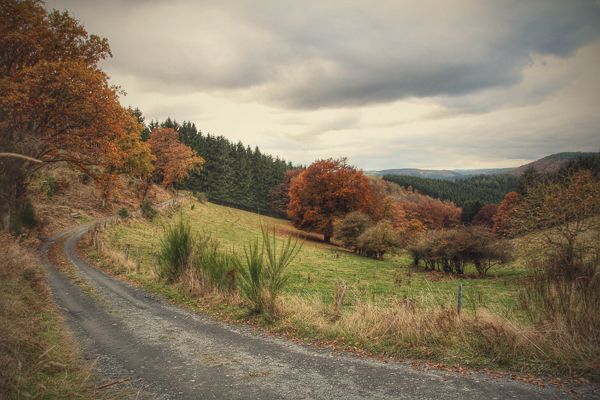
The Oechelter site offers an accessible and pleasant experience combining nature with public art and conservation efforts. The best time to visit is from spring through autumn to see the native trees established during the National Tree Day planting and to observe the common pasture butterflies. The small trail is suitable for families, as it is passable even with all-terrain strollers. Visitors are encouraged to follow the path to discover the sculptures of "The European Road of Peace" while appreciating the newly planted row of trees that signifies a commitment to landscape resilience and native biodiversity.