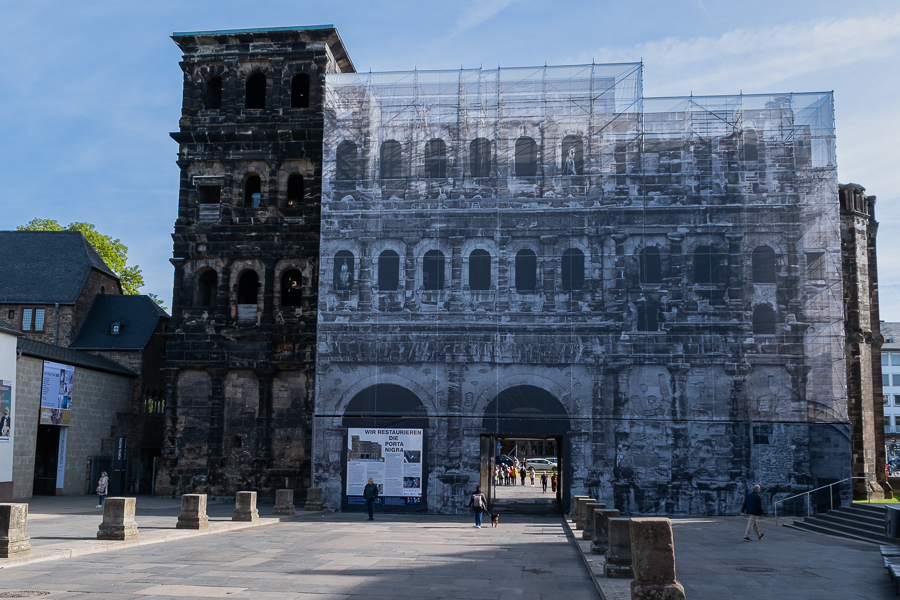
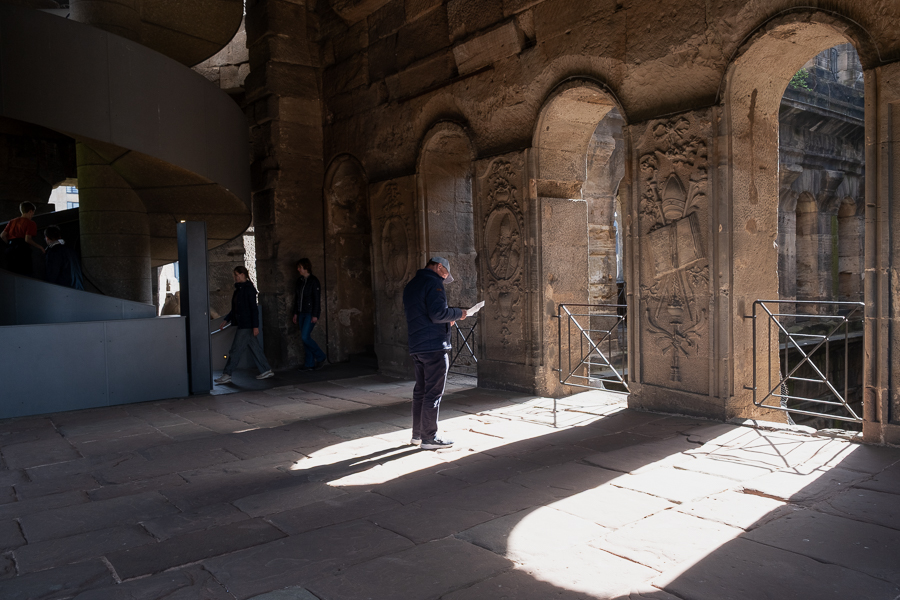
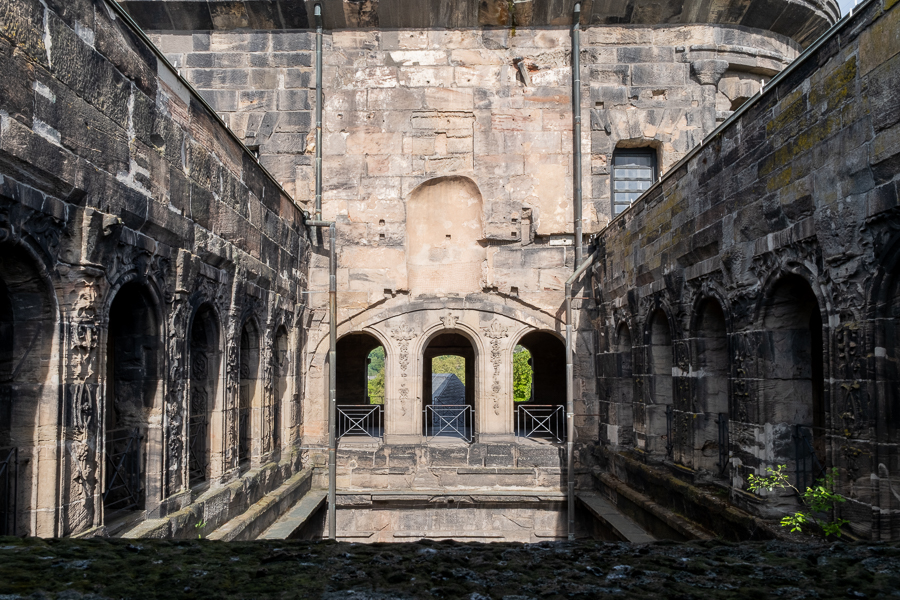
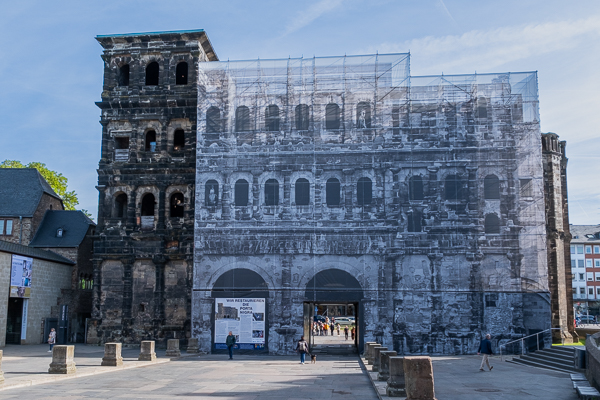
 Porta Nigra (restoration works currently underway) in Trier;
Credit: Ali Sahib, Chronicle.lu
Porta Nigra (restoration works currently underway) in Trier;
Credit: Ali Sahib, Chronicle.lu
On Monday 27 April 2026, Chronicle.lu took part in a press day in Trier, Germany, organised by the Rhineland-Palatinate General Directorate for Cultural Heritage (Generaldirektion Kulturelles Erbe - GDKE), offering rare behind-the-scenes access to the city's UNESCO World Heritage sites.
The visit formed part of Trier's celebrations marking 40 years since the inscription of the Roman Monuments, Cathedral of St Peter and Church of Our Lady in Trier in 1986. Notably, the designation covers nine monuments - an unusually high number grouped under a single World Heritage listing - reflecting the many facets of life in a Roman imperial city.
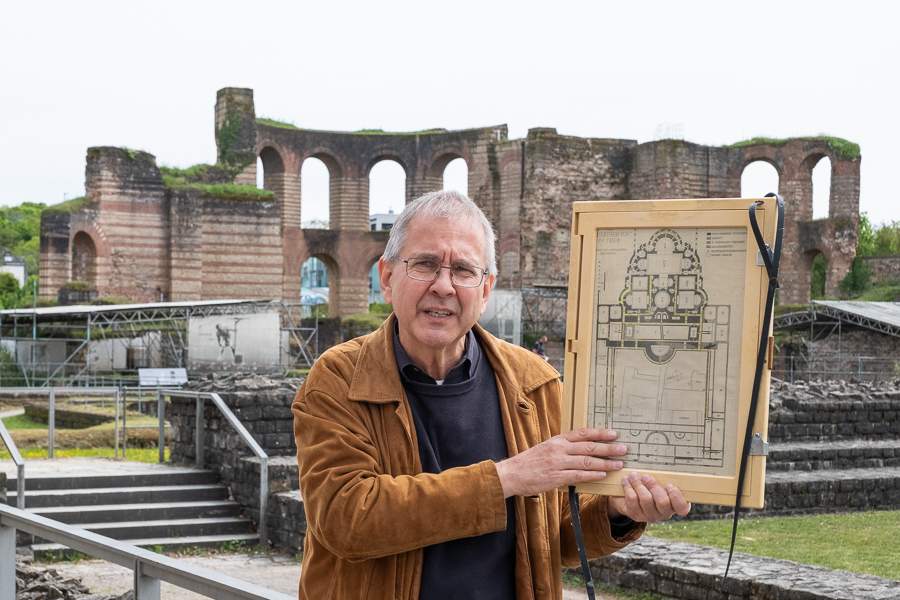
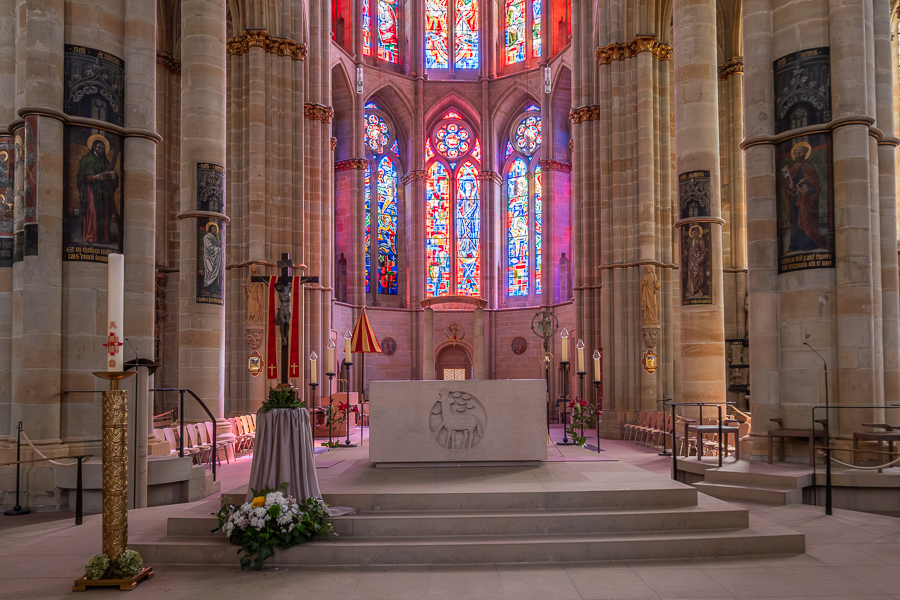
The main theme of the press day was "Roman lifestyles in the UNESCO World Heritage Site of Trier". The programme began with a guided tour of Trier's most emblematic landmarks, including the Porta Nigra, the Cathedral of St Peter and the Church of Our Lady, led by local guide Dorothé Gasber. These monuments illustrate the city's evolution from a major Roman centre to a key site of early Christianity.
Founded around 16-17 BC, Trier is considered Germany's oldest city. Its original Roman name, "Augusta Treverorum", means "city of Augustus among the Treveri" and refers to the Celtic Treveri tribe, who had earlier settled in the area and were later brought under Roman rule. Trier was a Roman colony from the 1st century AD and developed into a major trading centre. It was considered one of the four capitals of the Roman Empire during the Tetrarchy period in the late 3rd to early 4th centuries.
Among the highlights in Trier is the Porta Nigra, one of the largest surviving Roman city gates north of the Alps. Construction of the grey sandstone structure began around 170 AD. Its preservation is partly due to its transformation into a church during the Middle Ages, after a hermit named Simeon lived within its walls and was later canonised. While many Roman structures were dismantled for building materials over the centuries, the Porta Nigra survived and remains a defining symbol of the city. The monument is currently undergoing restoration works to reduce discolouration (the grey sandstone darkens easily), although its interior remains open to the public.
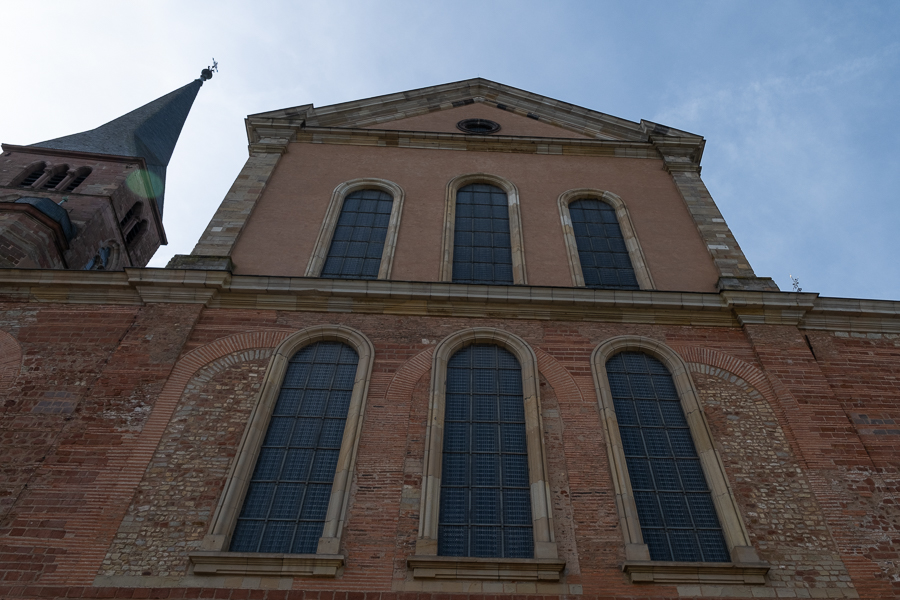
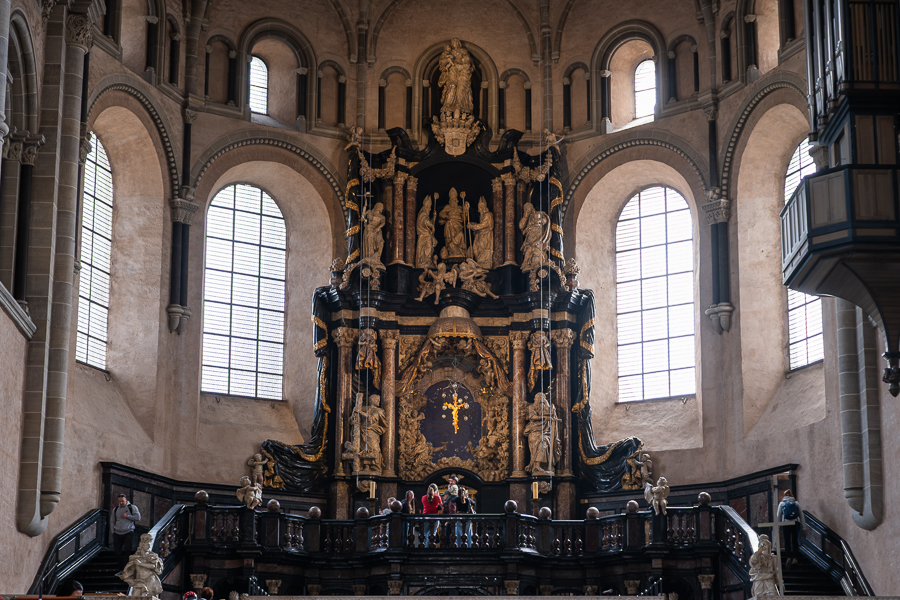
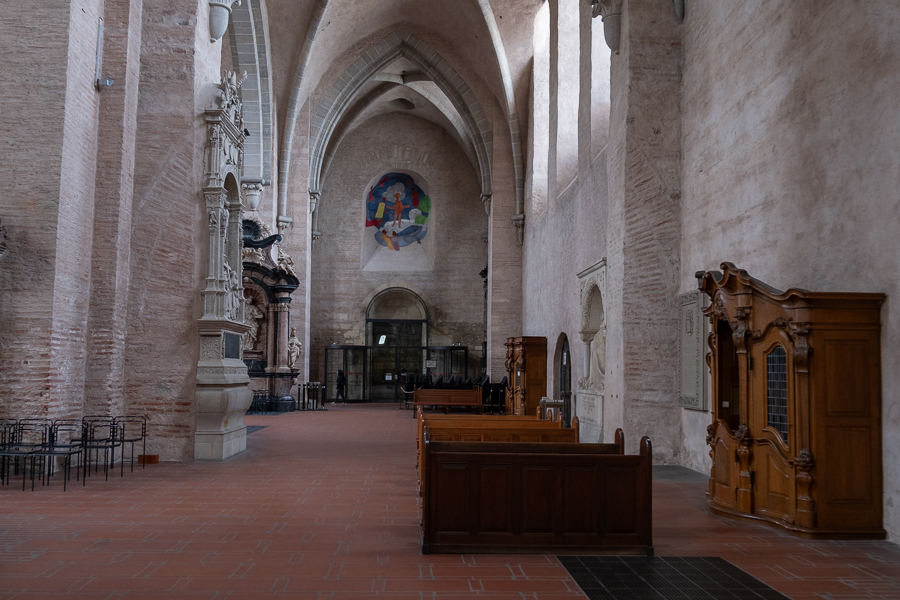
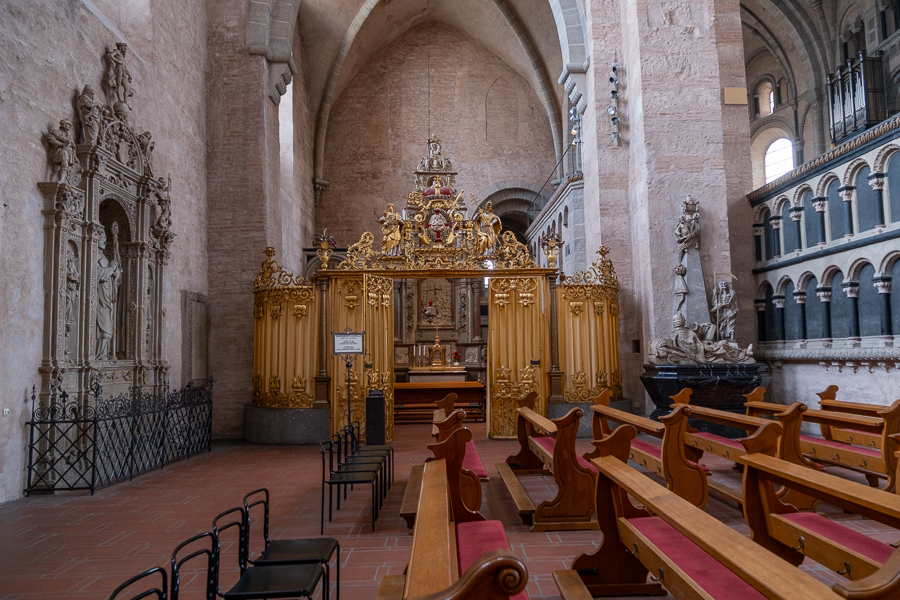
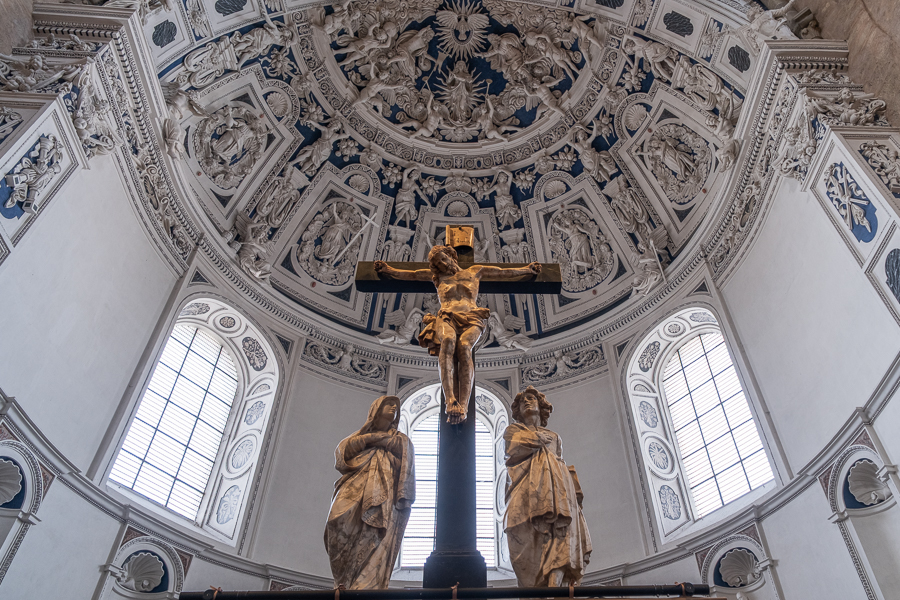
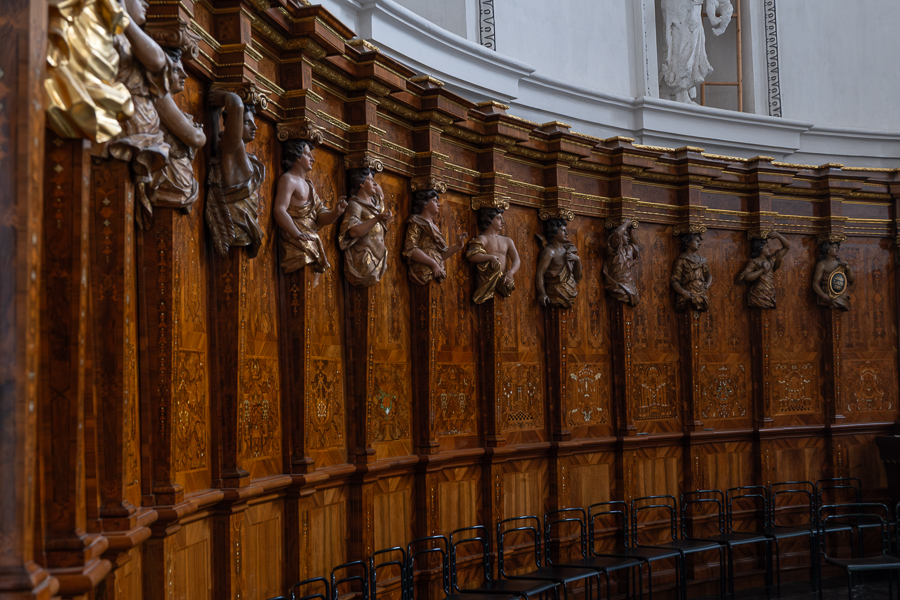
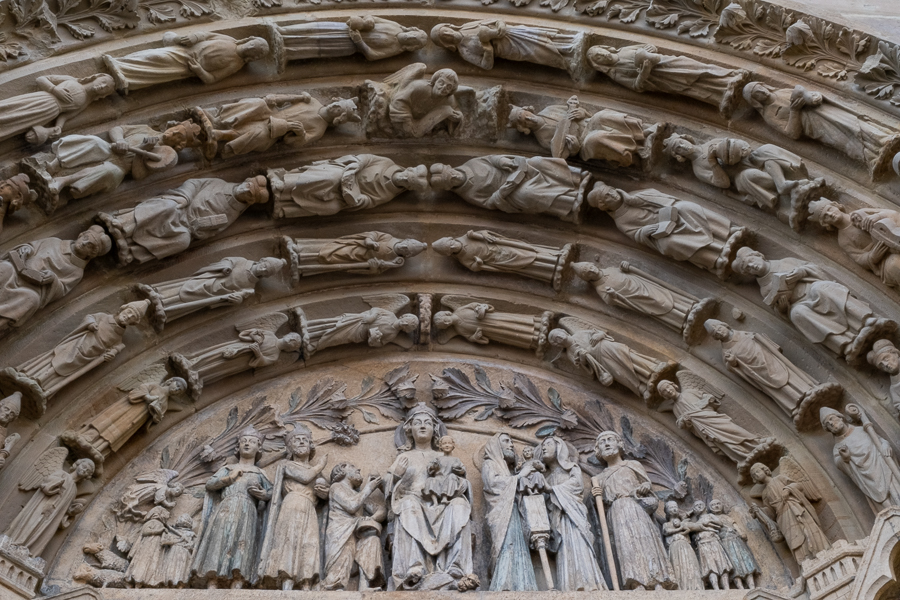
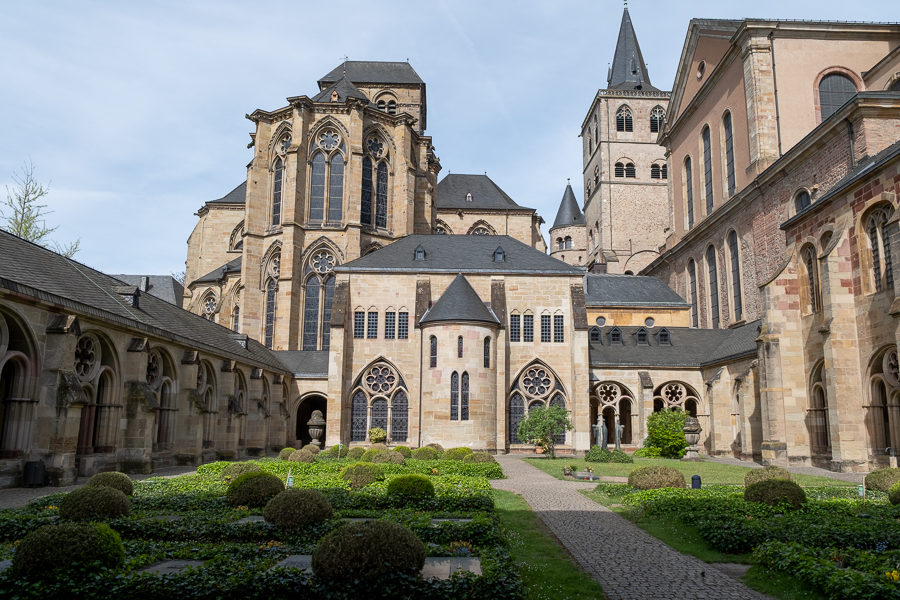
The Cathedral of St Peter, considered the oldest cathedral in Germany, combines Romanesque, Gothic and Baroque styles. It reflects the influence of Emperor Constantine the Great and the gradual acceptance of Christianity in the Roman Empire. The site has been associated with Christian worship for around 1,600 years. The adjacent Church of Our Lady is the earliest church built in French High Gothic style outside France, according to UNESCO.
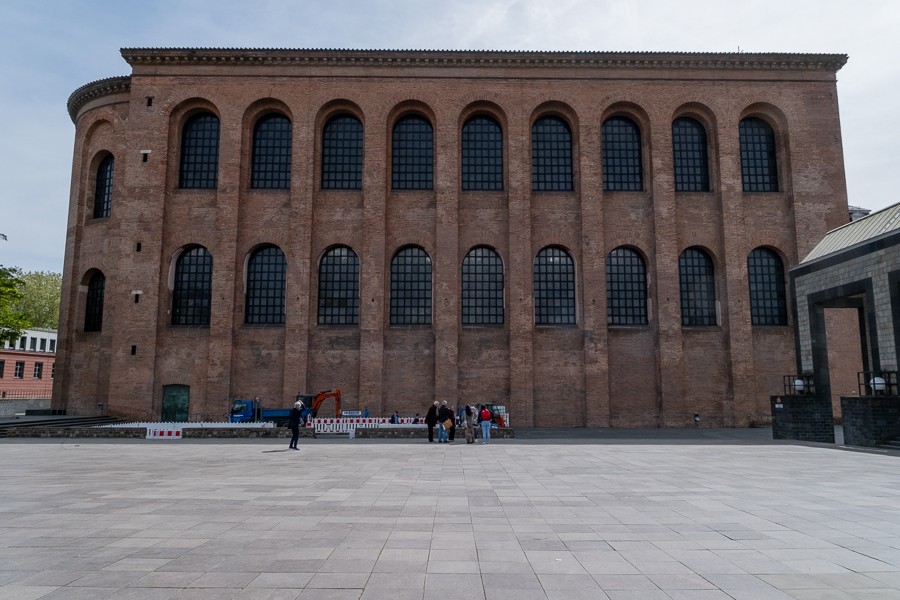
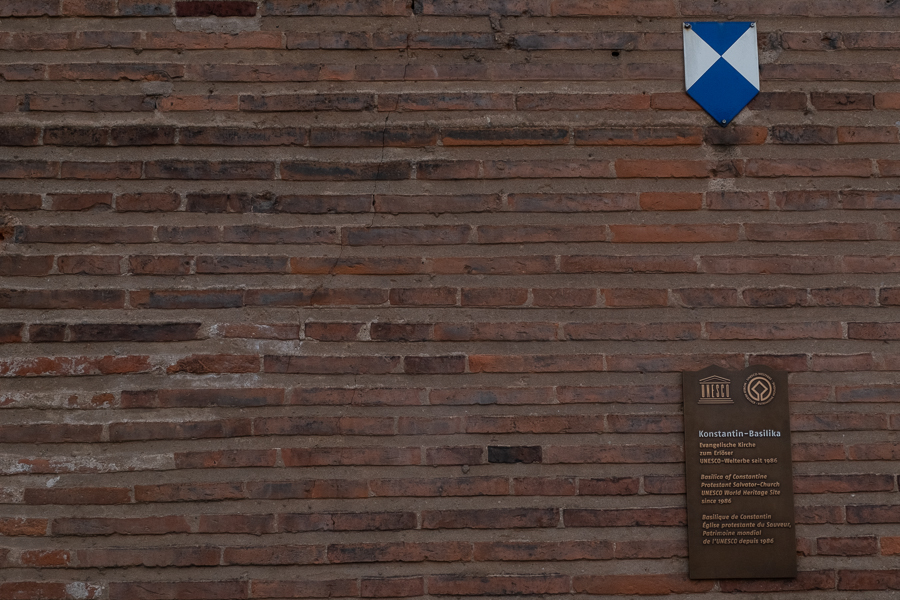
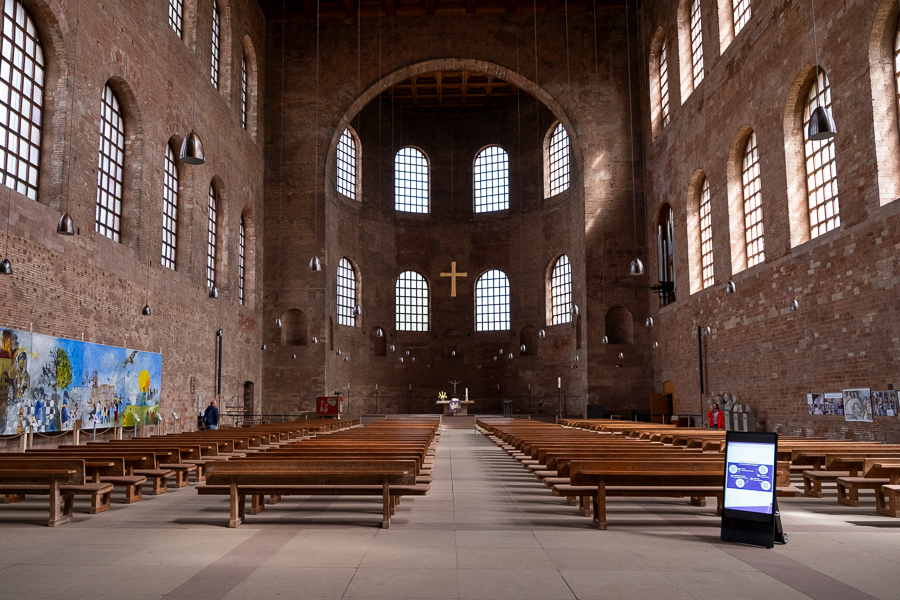
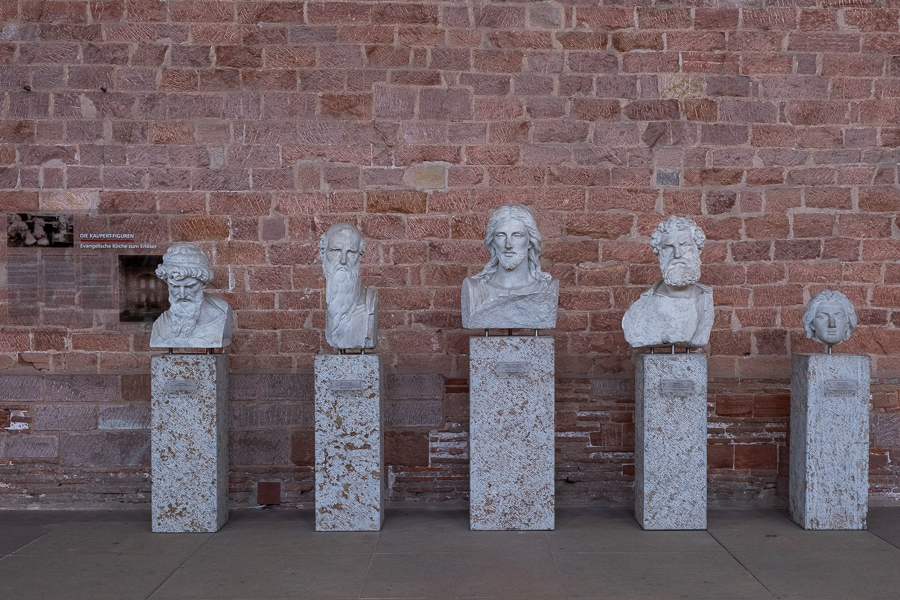
Commissioned by Constantine the Great around 310 AD, the Basilica of Constantine (Aula Palatina) was later restored under Prussian administration and has been used, since the 19th century, as a Lutheran church. At the time of the press visit, it also hosted a contemporary art exhibition exploring possible visions of the future.
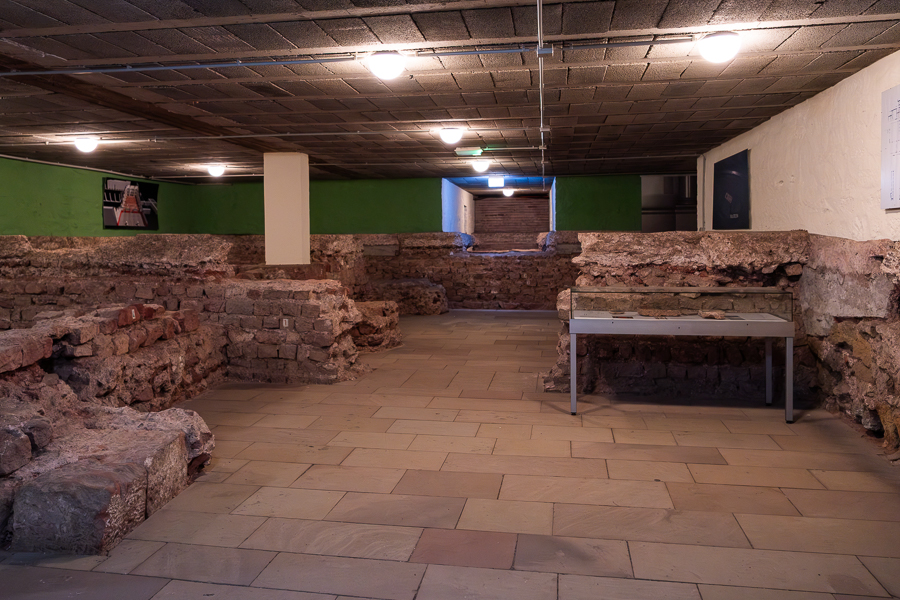
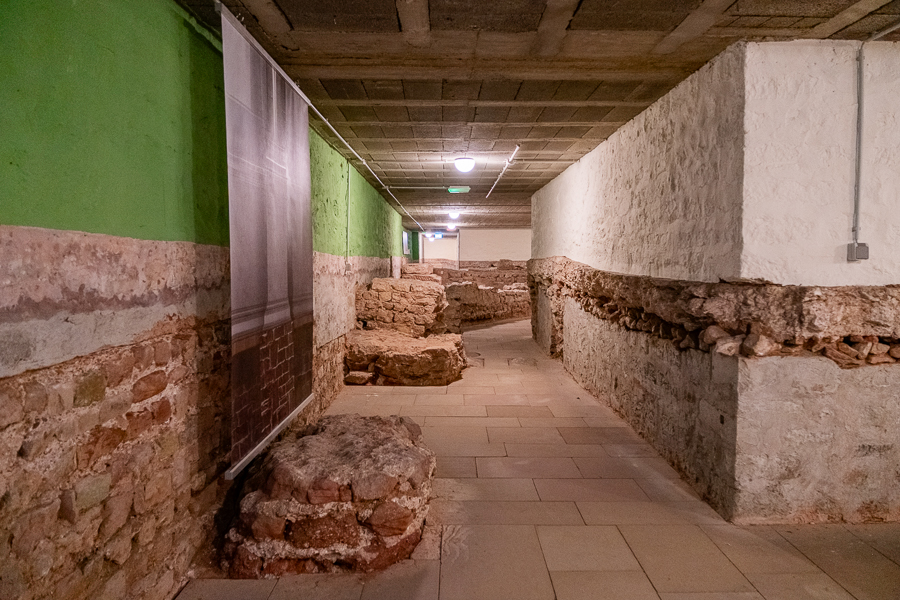
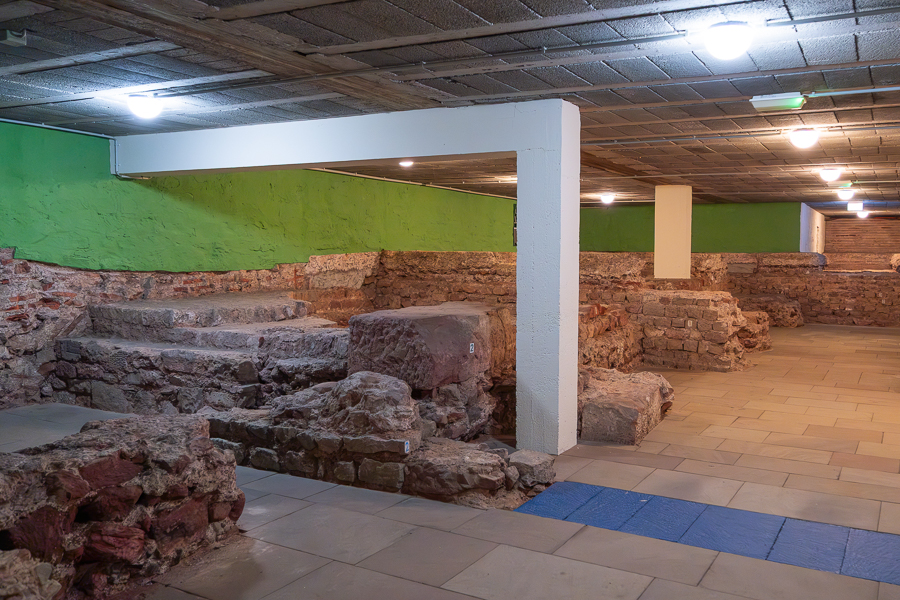
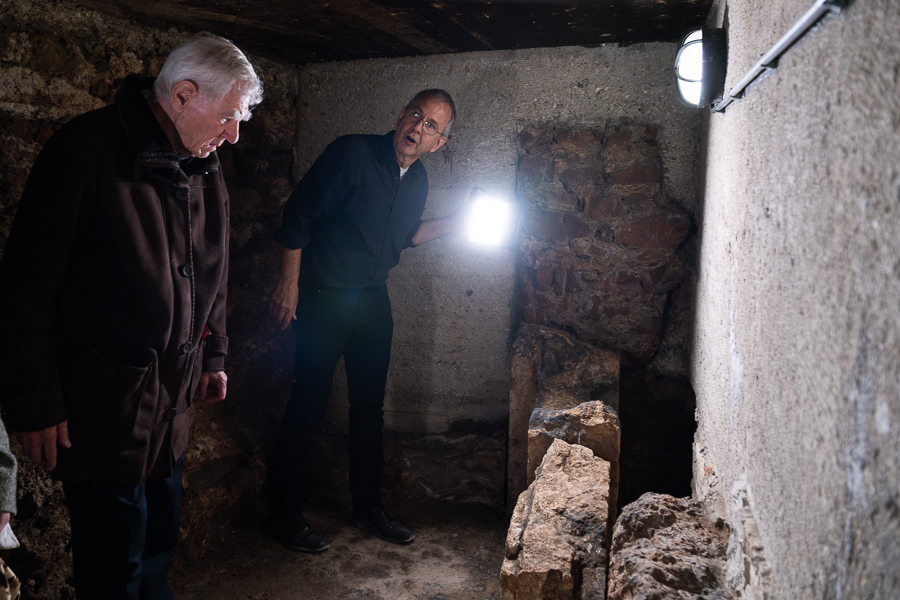
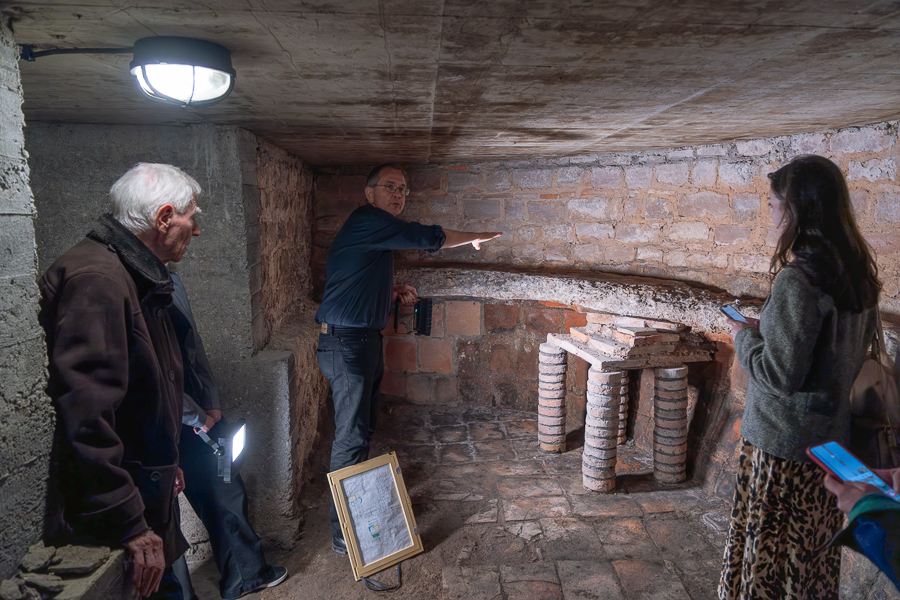
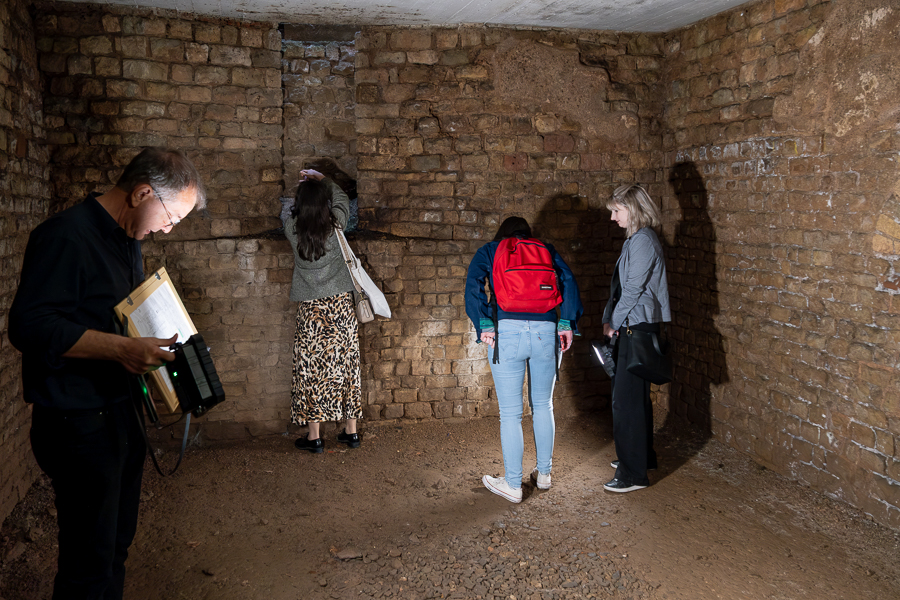
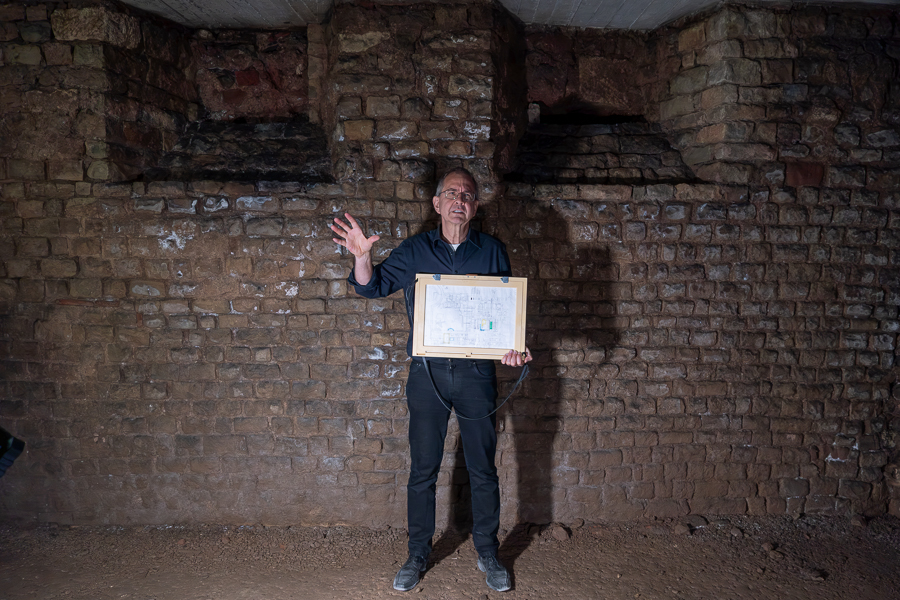
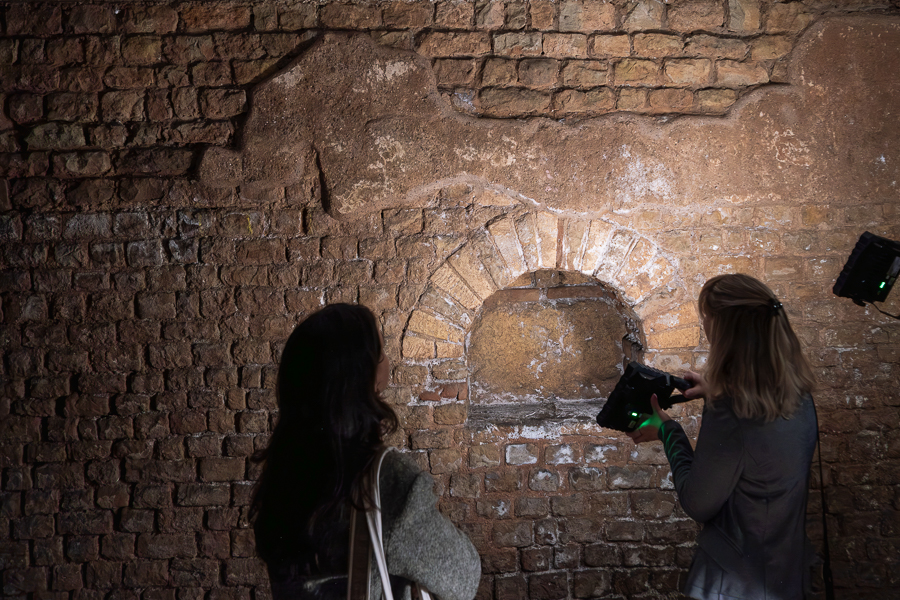
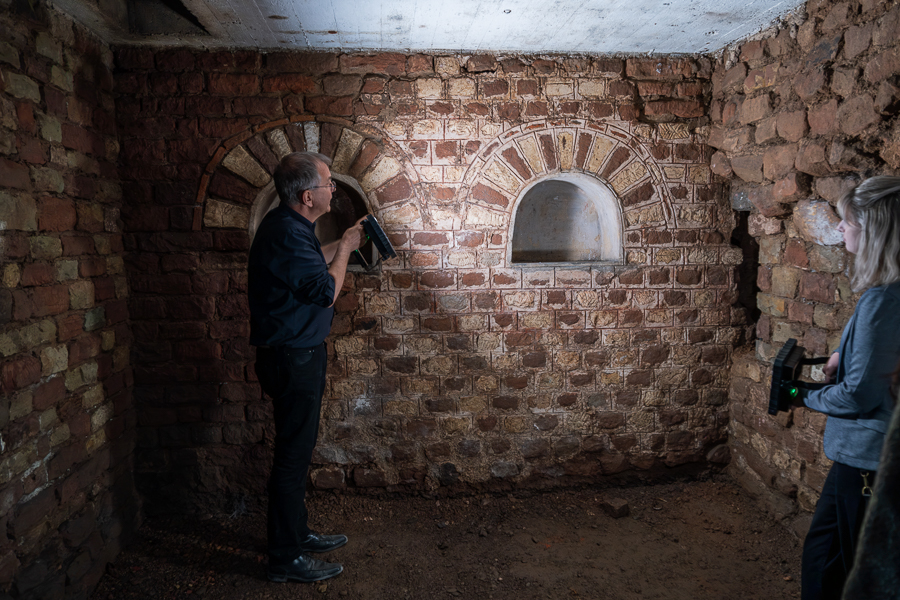
A key focus of the press day was what lies beneath the surface. Journalists were given access to areas under the Basilica of Constantine that are not normally open to the public. Guided by Dr Karl-Uwe Mahler of the Rhine State Museum / Centre of Antiquity in Trier, the small group explored layers of urban history spanning more than 400 years.
Excavations carried out after the Second World War revealed earlier structures beneath the monumental basilica, including a smaller predecessor "aula" and residential quarters, where materials such as marble and mosaics were found. These finds suggest that the area served important administrative and residential functions even before Trier became an imperial seat (in the late 3rd century). Population estimates for this area range between 30,000 and 80,000, although exact figures remain uncertain.
Particularly striking was the Roman hypocaust system - an advanced form of underfloor heating. Hot air generated by furnaces circulated beneath floors and within walls, heating large interior spaces.
A brief visit to the gardens of the Rococo-style Electoral Palace also highlighted archaeological discoveries in urban settings, including a mosaic that was ultimately left preserved in situ beneath the site. Such finds are often unearthed and documented during modern construction works.
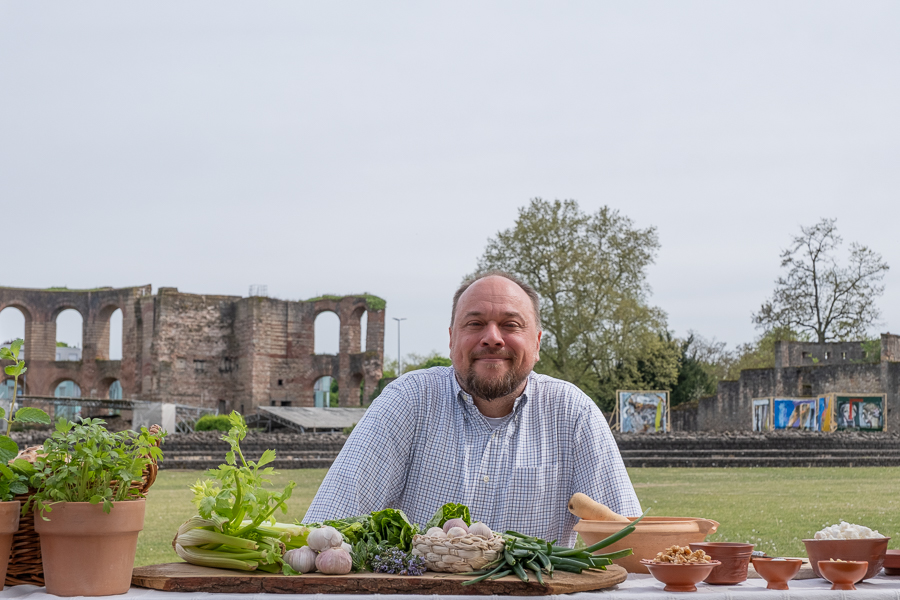
The programme continued after lunch with a visit to the Imperial Baths (Kaiserthermen), which are among the largest Roman bath complexes north of the Alps. Although never fully completed, the site offers insight into Roman bathing culture, which extended far beyond hygiene to include social interaction, relaxation and, potentially, business dealings.
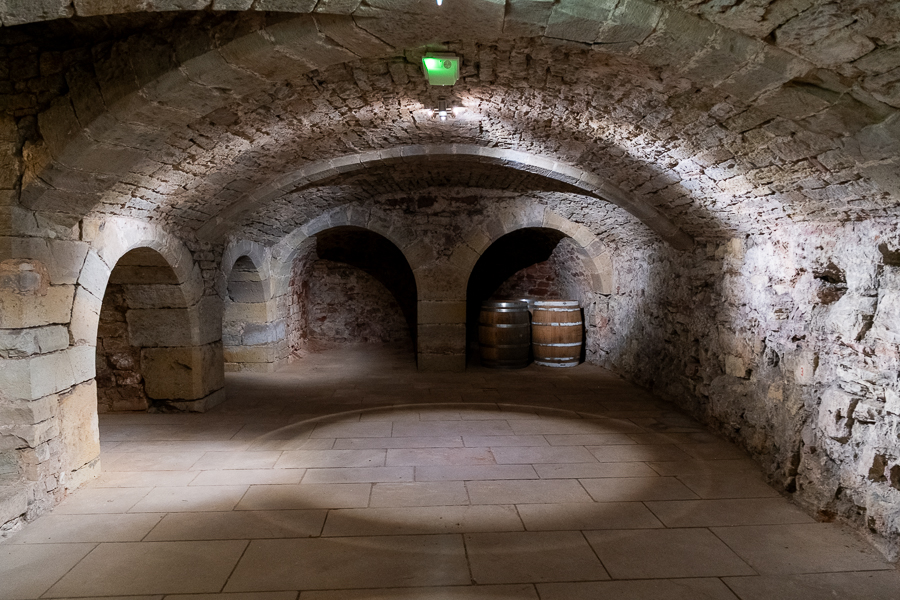
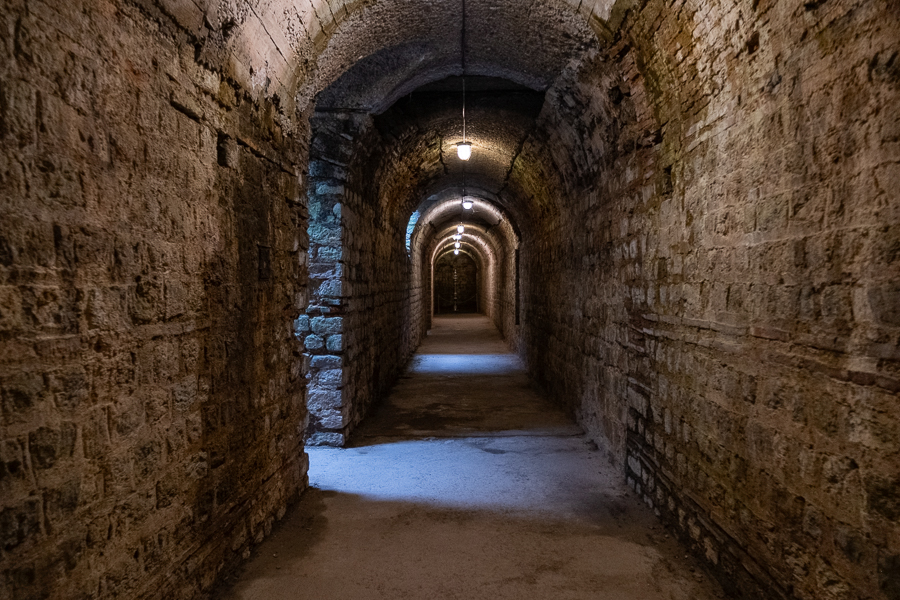
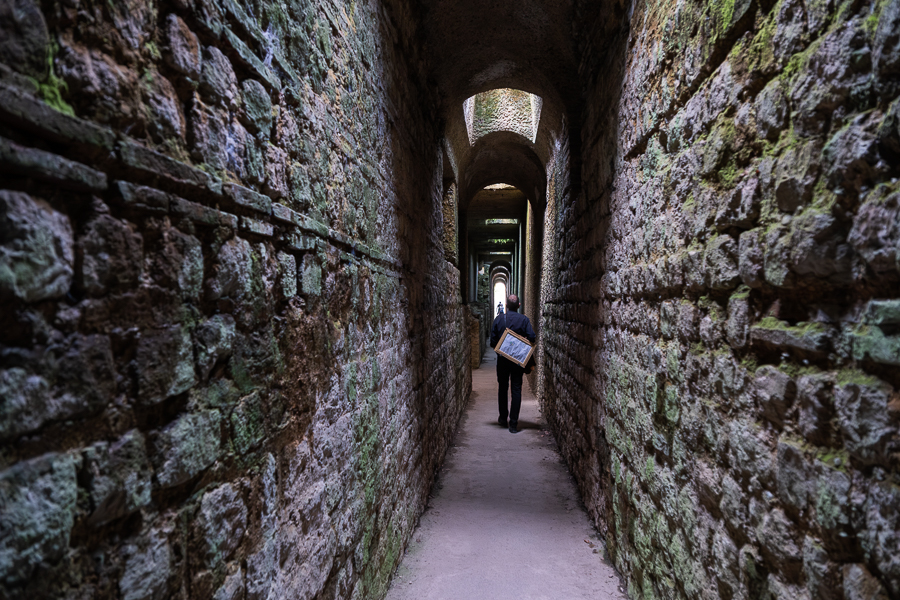
Extensive underground remains, including corridors, heating systems and water infrastructure, illustrate the scale and ambition of the complex, as well as the importance of public amenities in Roman urban life.
A contemporary art exhibition is currently on display at the Imperial Baths (above ground), creating a contrast with the older structures.
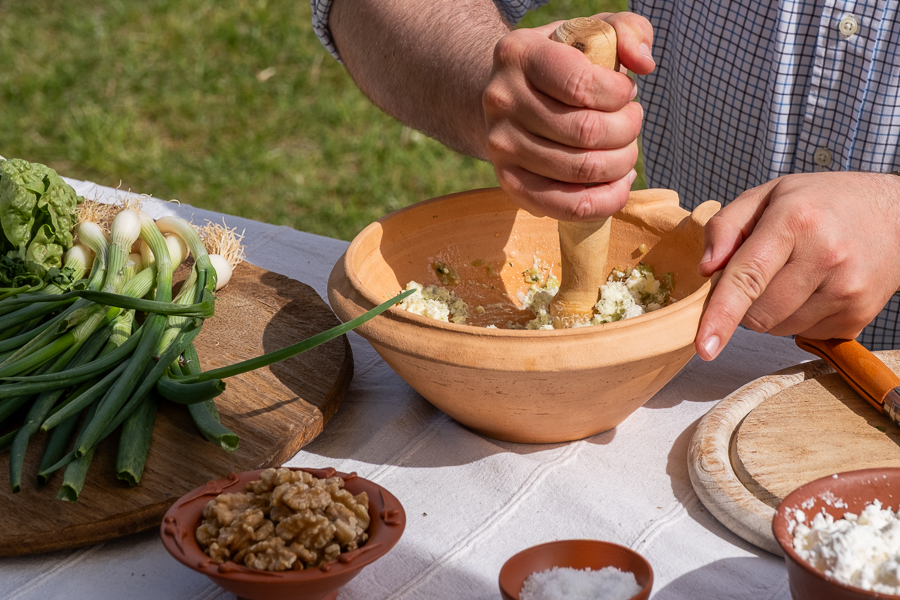
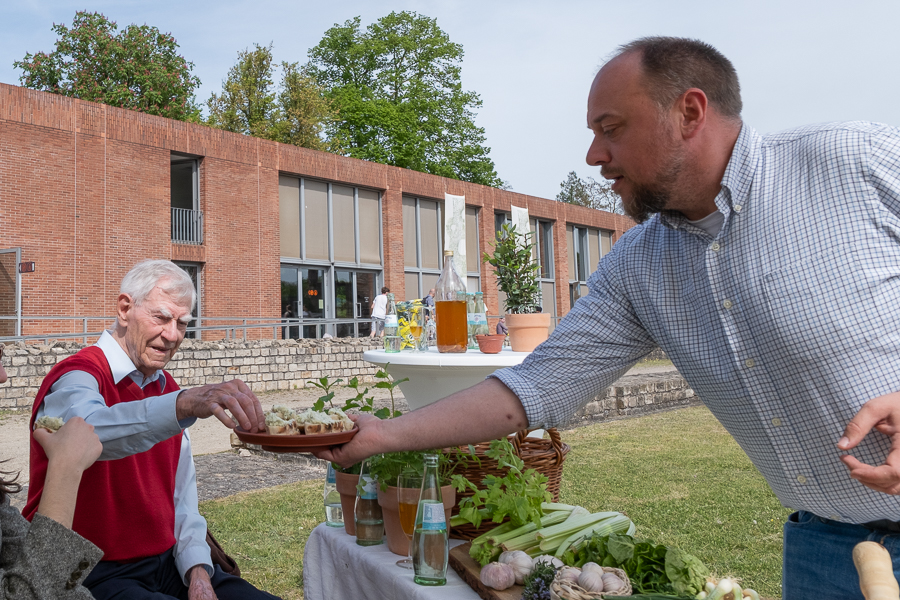
The day concluded with a workshop and tasting of "moretum", a herb-based cheese spread from Roman cuisine, led by archaeologist and Deputy Director of the Rhine State Museum / Centre of Antiquity in Trier, Thomas Martin. Prepared using traditional techniques and accompanied by a spiced honey wine (vinum conditum), the session offered a tangible - and tasty - connection to everyday life in antiquity.
Through a combination of iconic monuments and rarely accessible archaeological sites, the press day provided a vivid picture of Trier's past - not only as a centre of Roman imperial power, but also as a living city shaped by centuries of human activity.