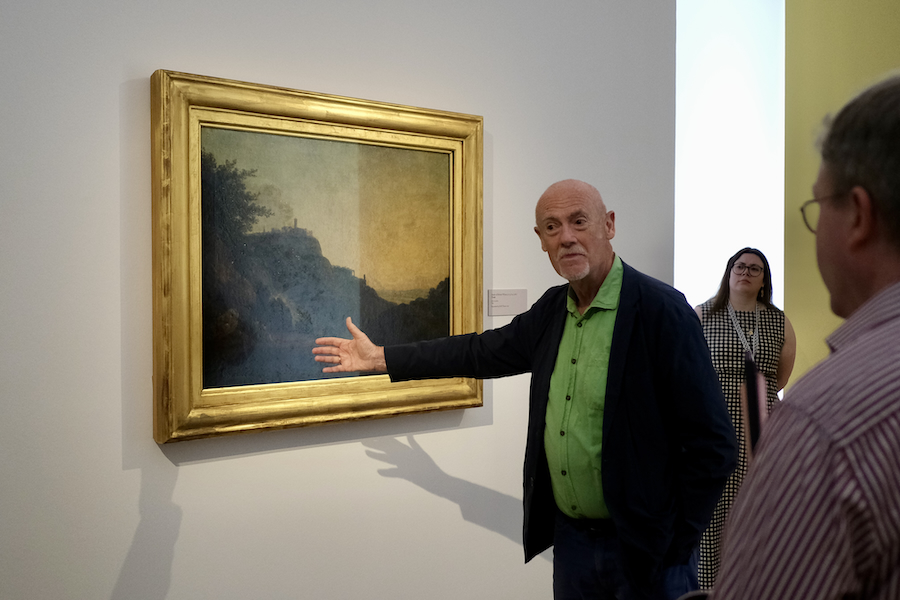
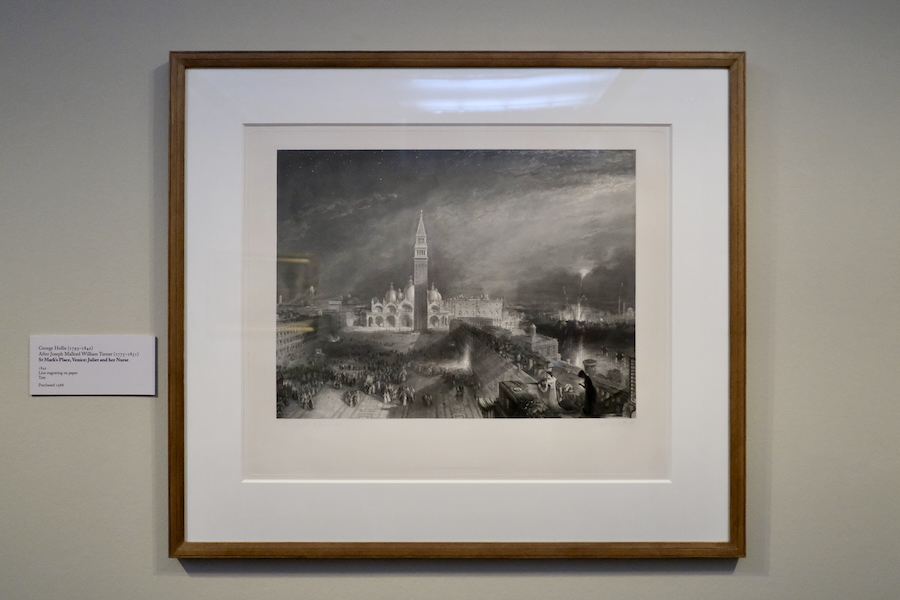
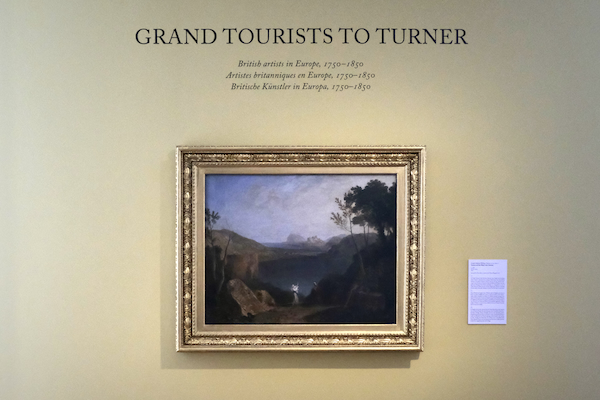
 “Grand Tourists to Turner” exhibition at Villa Vauban in Luxembourg-Ville;
Credit: Steven Miller, Chronicle.lu
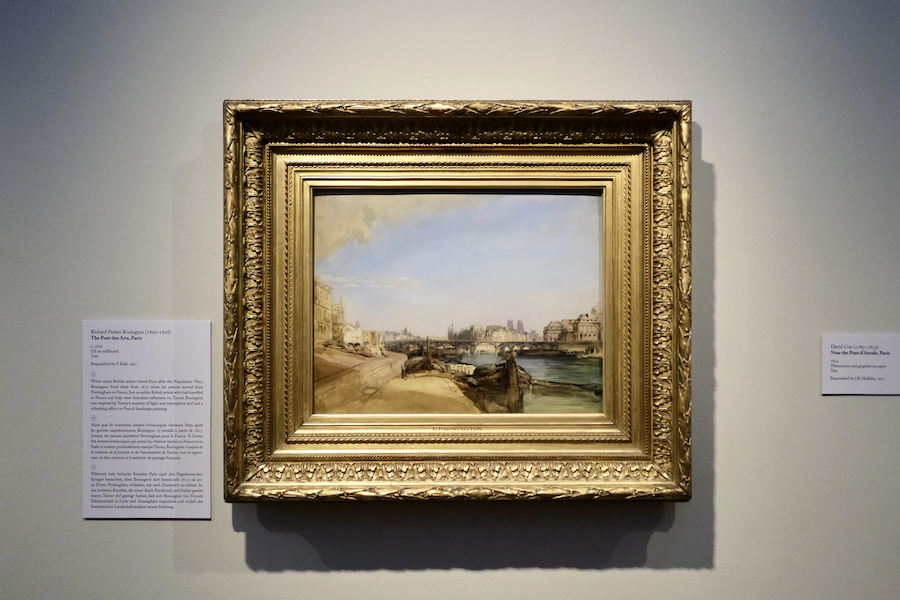
“Grand Tourists to Turner” exhibition at Villa Vauban in Luxembourg-Ville;
Credit: Steven Miller, Chronicle.lu
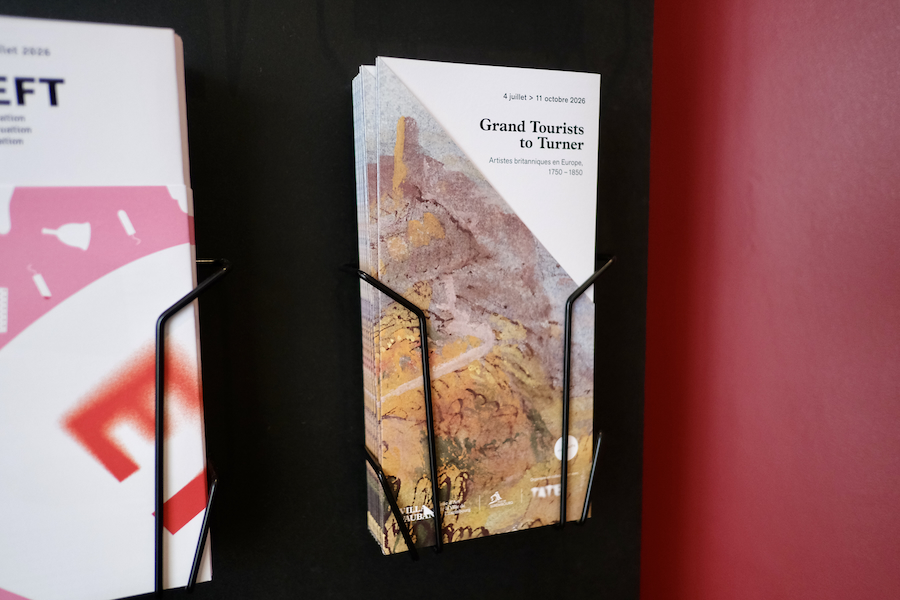
On Friday 3 July 2026, Chronicle.lu attended a press tour of the “Grand Tourists to Turner” exhibition at Villa Vauban in Luxembourg-Ville ahead of its official opening on Saturday 4 July.
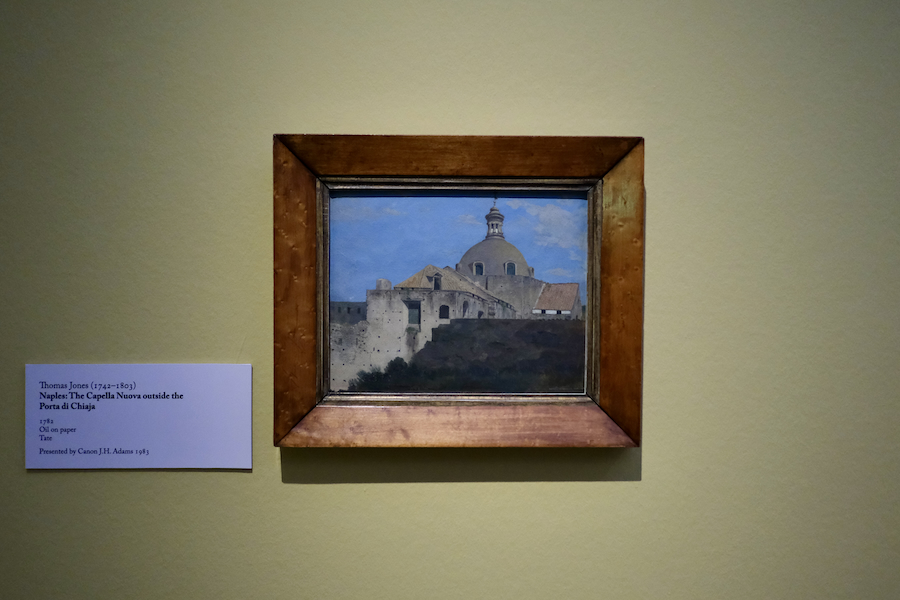
The exhibition features a number works from renowned British artists including Joseph Mallord William Turner, John Robert Cozens, Francis Towne, William Pars, Richard Wilson, and Joseph Wright of Derby, many of which come from the Tate collection in the United Kingdom.
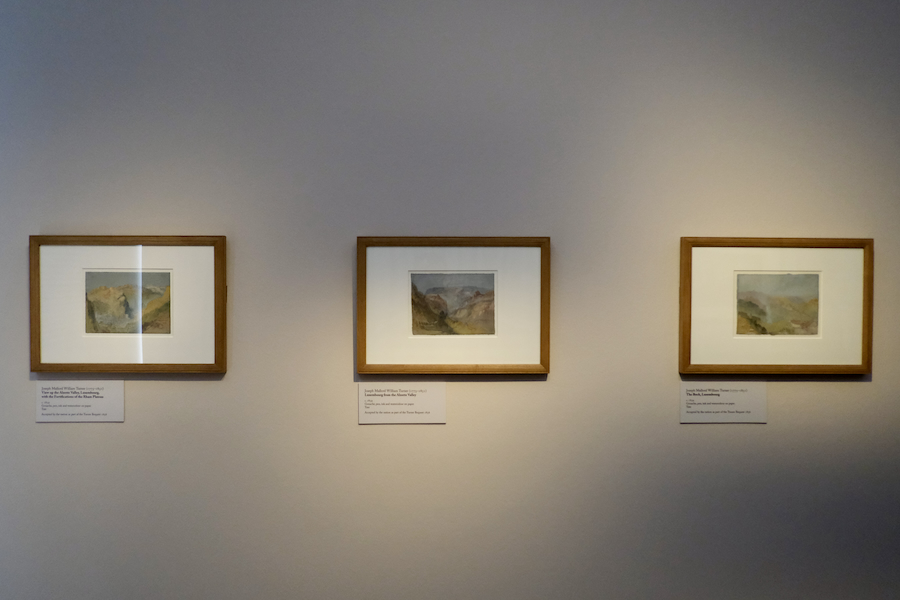
Seven pieces on display are from Turner’s two stays in Luxembourg in 1824 and 1839 and depict views of the Grand Duchy’s capital.
The tour began with opening words from Guy Thewes, Director of Villa Vauban, who noted that the “Grand Tourists to Turner” is the third in Villa Vauban’s series of exhibitions featuring artists who have travelled and produced works in Italy. In 2024, the gallery exhibited “Sous la Lumière Dorée”, featuring Dutch artists who went to Italy in the 17th century to paint the ancient ruins, and in 2025, it hosted the exhibition “Viaggio in Italia”, covering three centuries of works from Italian, Dutch, French and British painters depicting Italian cities.
The tour of the exhibition was presented by David Blayney Brown, a specialist in 18th and 19th-century British art and former curator at Tate Britain, who guided the group through the various rooms, across two floors, providing information on the influences of each artist, the historical background to their travels across Europe to Italy - often undertaken during ceasefires from ongoing conflicts between the French and the English - and providing insight into the mediums and techniques used to capture the landscape and cityscapes which greeted them.
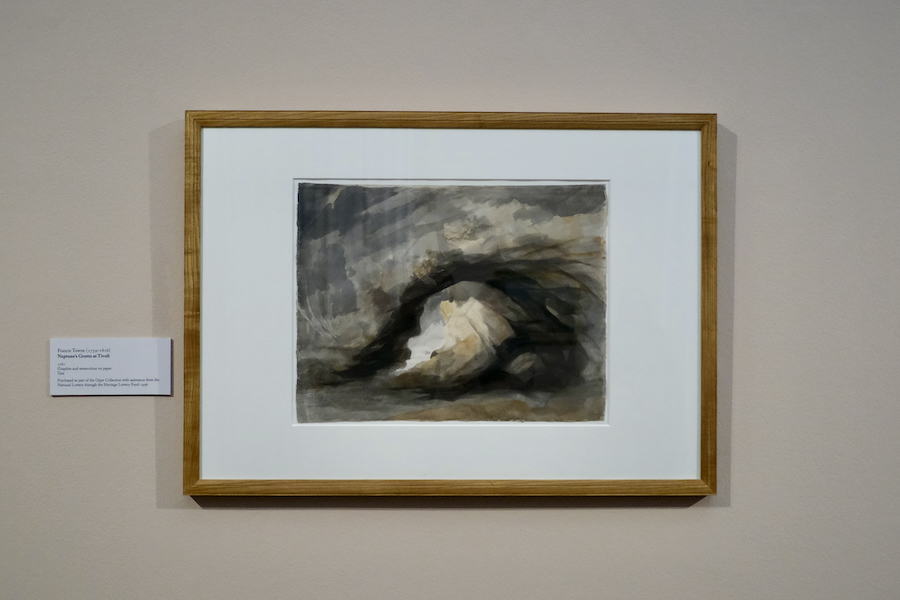
Outside of the seven depictions of Luxembourg by Joseph Turner, other noteworthy pieces on display include the watercolours of Francis Towne, which exhibit a mastery of both the medium and the ability to interpret light and form; be it capturing the characteristics of stone and snow or the texture of roman concrete in the summer sun.
The exhibition is intelligently curated, guiding the viewers through the late 1700s and early 1800s as the artists travelled through Europe, across the glaciers and perilous passages of the Alps, to the ancient cities of Rome and Naples.
David Blayney Brown remarked of the artists’ journeys – both physically and artistically - into then unfamiliar lands: “Artists could respond in their own way. And I think that's something that leads forward to modern art, where there's no norm, where there's no common standard that everyone has to try to follow. Everybody can begin finding their own paths, literally their own paths, whether it's on top of an ice field, or across an Alpine pass.”
The curated works are presented in pencil (graphite), watercolour and oil, and in preparatory sketch form, completed painting and as etched copies. Although colours have naturally aged over the centuries, each piece still projects the technical brilliance of its author and the almost otherworldly ambience of places which no longer exist in the same form.
Culminating on the second floor with a selection of paintings depicting various cities in France and Turner’s works of Luxembourg, the true pleasure of the exhibition is the journey the viewer takes passing through the galleries, which collectively mimic the passage of time and the geographical progression towards Turner’s time in the Grand Duchy.
Villa Vauban, which primarily showcases European art from the 17th to 19th centuries, said of the exhibition: “For centuries, Italy, the land of Antiquity and the Renaissance, was the main attraction of travellers and artists on their ‘Grand Tour’. However, under the influence of Romanticism, a change took place in the 19th century. Italy remained a major destination, but it was no longer the only one. Painters and tourists began to explore other regions of Europe, such as the Swiss Alps and the valleys of the Seine, Loire and Rhine. Their interest extended from Roman ruins and bucolic landscapes to Gothic cathedrals and medieval castles. Turner and the other British artists featured in the exhibition illustrate this transition, which revolutionised the representation of landscape.”
“Grand Tourists to Turner” runs from Saturday 4 July to Sunday 11 October 2026 and entry is free to the public.
Guided tours, in English, will take place on the following dates:
Saturday 4 July – 15:00
Saturday 11 July – 15:00
Saturday 18 July – 15:00
Saturday 25 July – 15:00
Saturday 1 August – 15:00
Saturday 8 August – 15:00
Saturday 22 August – 15:00
Saturday 29 August – 15:00
Saturday 5 September – 15:00
A parallel exhibition of works from British artists, taken from the Villa Vauban’s own collection, are also on display in the basement galleries for the duration of the main exhibition.
Further information can be found at: https://villavauban.lu/en/exhibition/grand-tourists-to-turner/