 Credit: natur&ëmwelt
Luxembourg has what is known as a Temperate Climate in which winters are generally mild and summers comparatively cool, with rainfall that can be high; its flora and fauna have thrived in and adapted to this climate over the centuries and millennia, with ongoing challenges due to pollution and recent climate change, as well as the introduction of non-native species, resulting in disruptions to the norm.
Nevertheless, with various initiatives and organisations helping the ecosystem and habitat, including sustainability and re-wilding, there is a lot happening in nature across the Grand Duchy.
Chronicle.lu has teamed up with natur&ëmwelt (the non-profit organisation (naturemwelt), the foundation (Hëllef fir d'Natur) and the Wildlife Care Centre (Flegeestatioun) for a series of articles on Luxembourg's nature reserves, in which we look at the natural habitats that preserve biodiversity and protect ecosystems from development, pollution and intensive agriculture.
No. 37 in this series focuses on the Lamert & Mediterranean Garden.
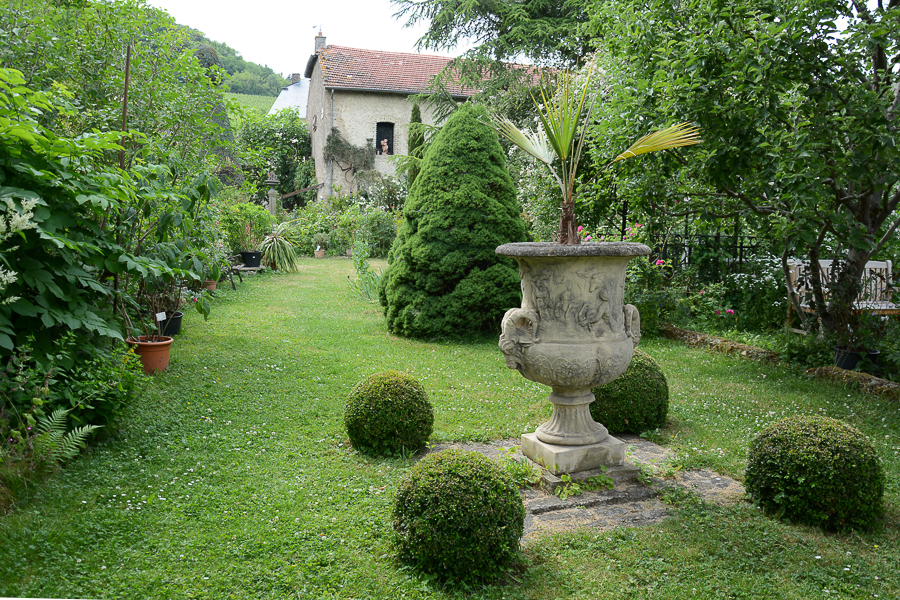
Nestled in Schwebsange, the Mediterranean Garden is a living collection of plant diversity, originally created over 30 years ago by Charles Roovers and Dieter Lingener. In late 2009, this unique garden was donated to the Fondation Hëllef fir d’Natur, which has since committed to preserving and maintaining this botanical treasure.
Location and Landscape Features
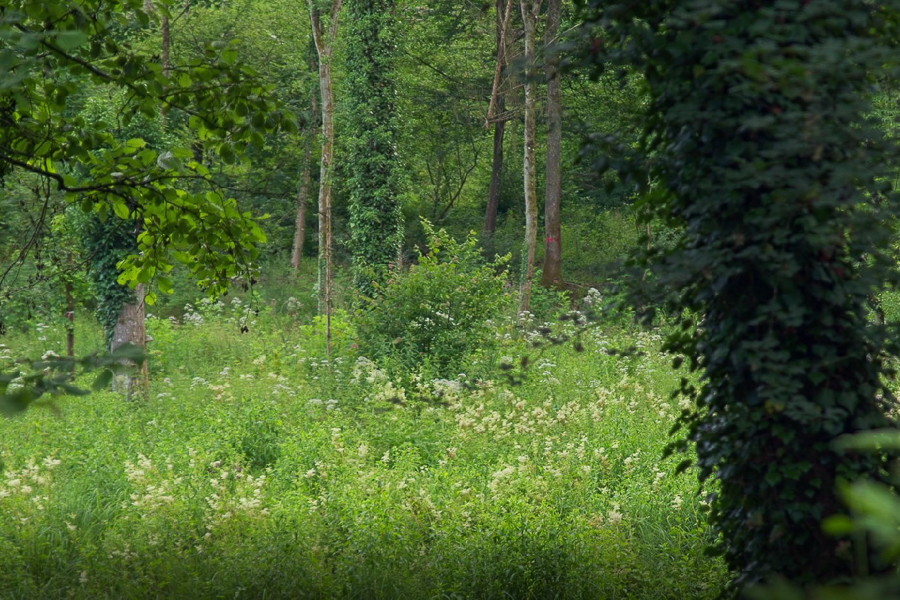
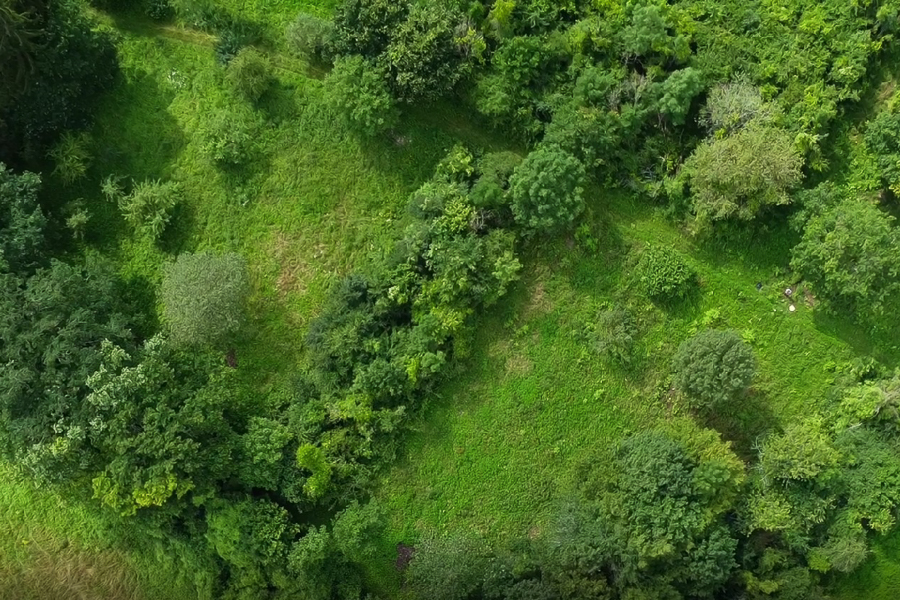
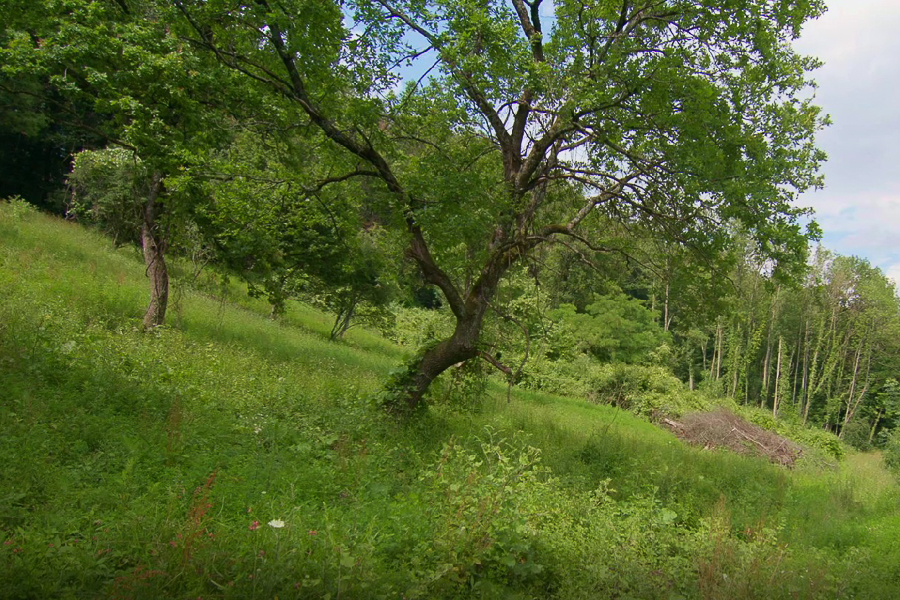
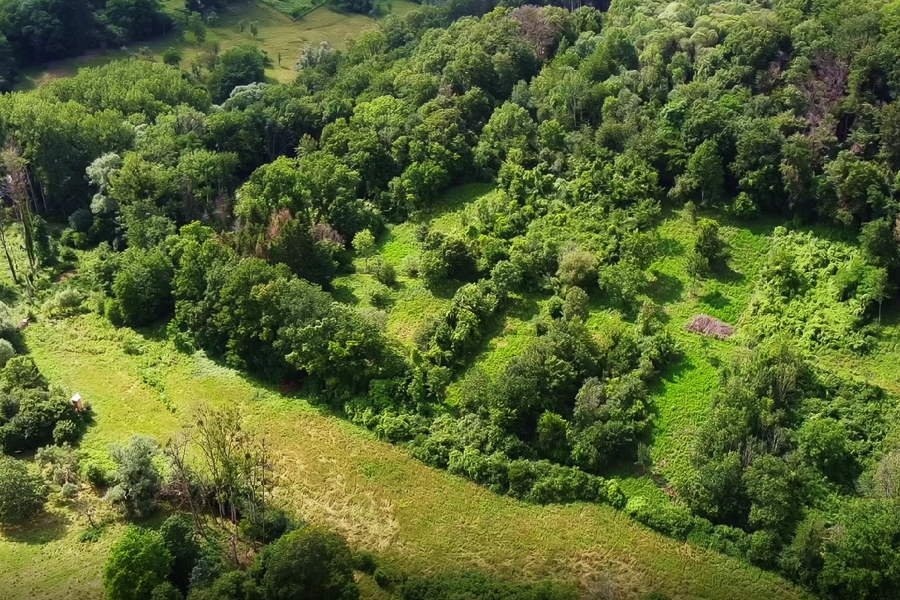
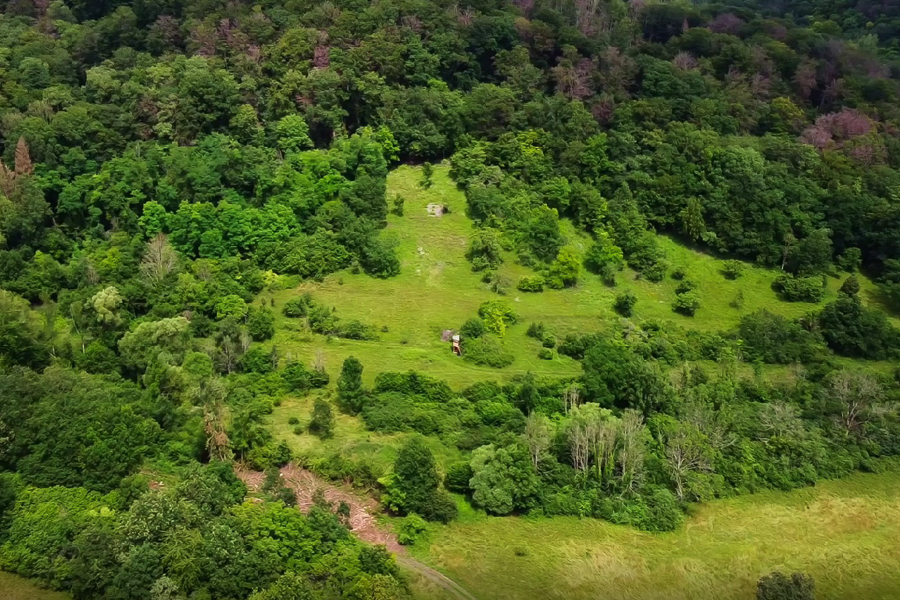
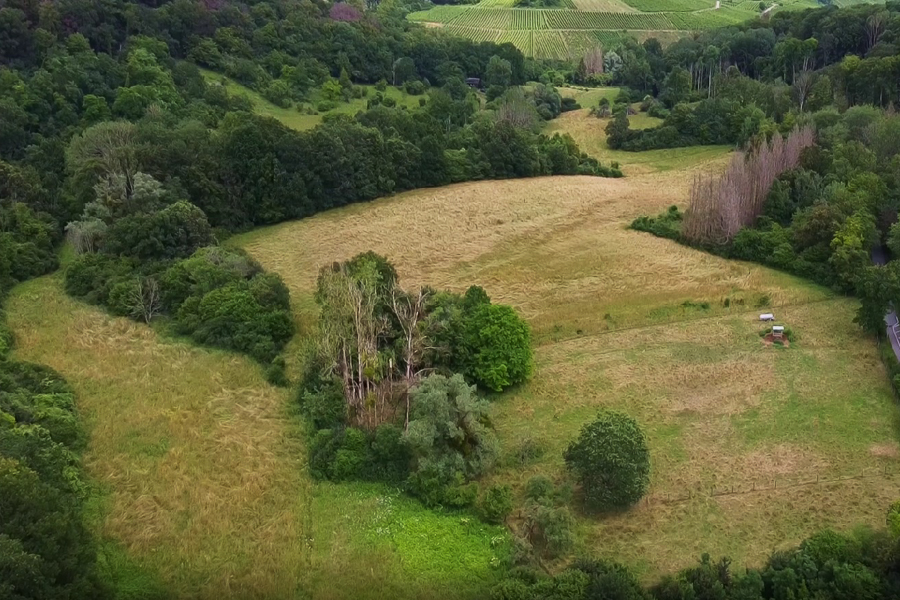
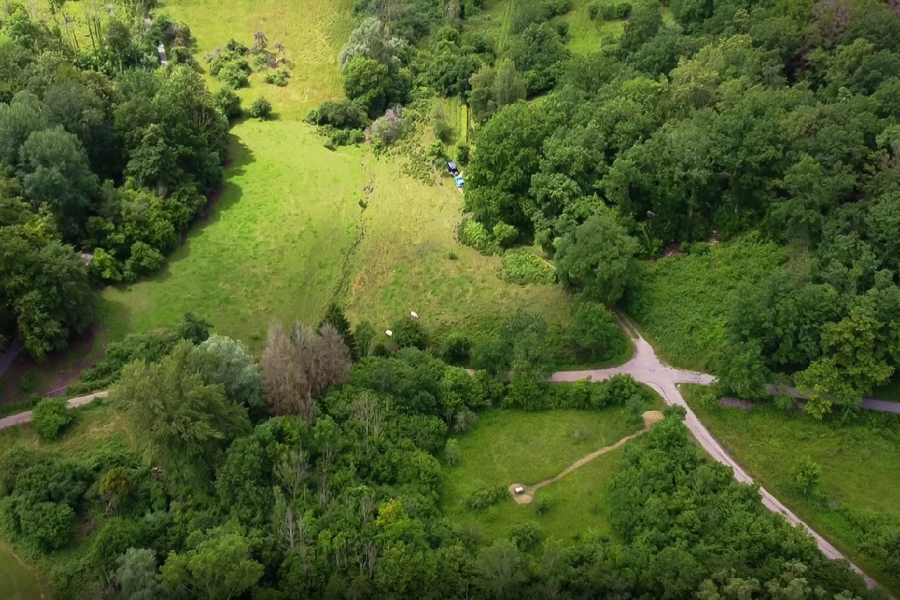
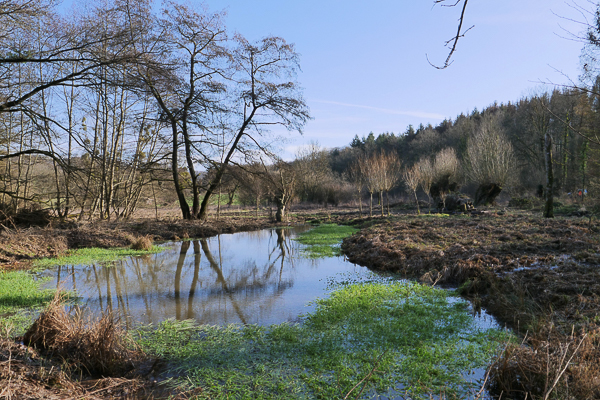
The garden spans approximately fifteen acres and lies in the Moselle valley, benefiting from a relatively mild microclimate that allows plants of Mediterranean and subtropical origin to thrive. The site combines open spaces, newly restored areas and small water features, creating a mosaic of habitats that complement the surrounding natural landscapes, including the Lamert valley and nearby Haff Réimech reserve.
Ecological Importance and Challenges
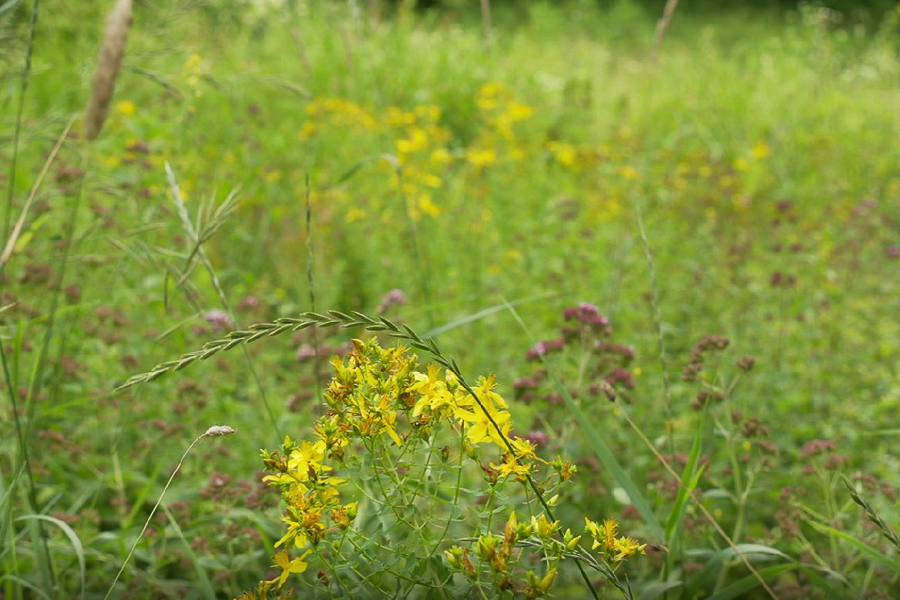
Home to around 1,000 plant species and varieties, the garden emphasises Mediterranean and subtropical flora, along with traditional garden shrubs and curated collections of peonies, roses, Christmas roses, irises, daylilies and fuchsias. Maintaining this diversity in Luxembourg’s climate requires careful management, particularly during winter, when sensitive plants must be sheltered and the garden’s microhabitats protected.
Restoration and Management Actions
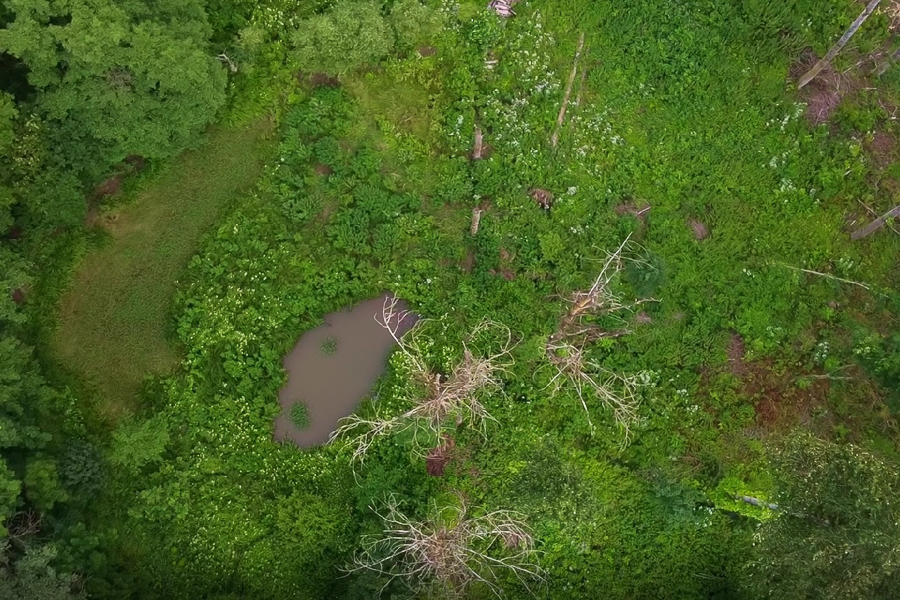
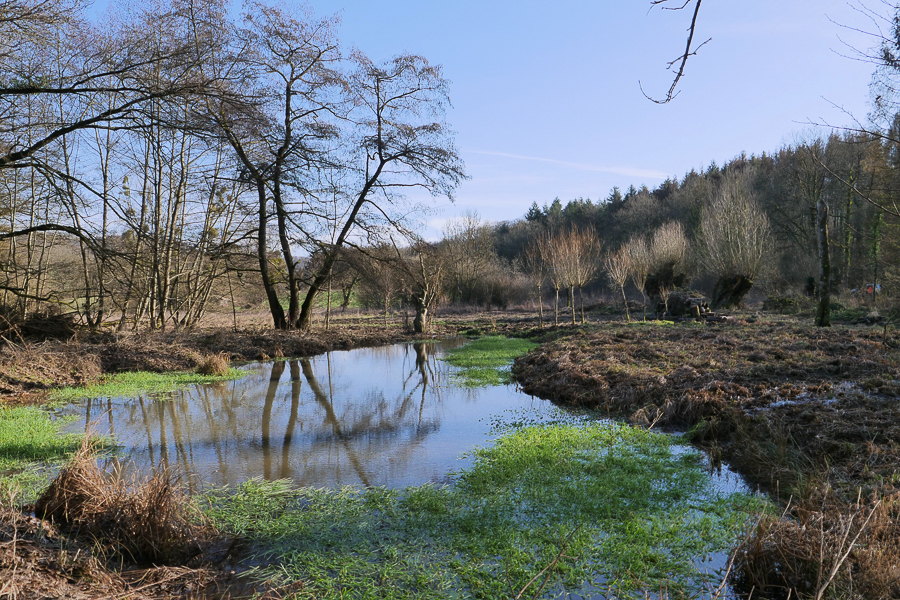
Significant restoration work has been carried out at Lamert, Quärten and Hëllekaul as part of the LIFE Orchis project. Open areas were cleared of invasive vegetation, allowing the Purple Orchid (Orchis purpurea) to recolonise newly restored habitats. New ponds were created and pollarded willows are regularly maintained during public “Fit by Nature” conservation workshops. These management practices ensure both ecological restoration and opportunities for public engagement in hands-on conservation.
Habitats and Biodiversity
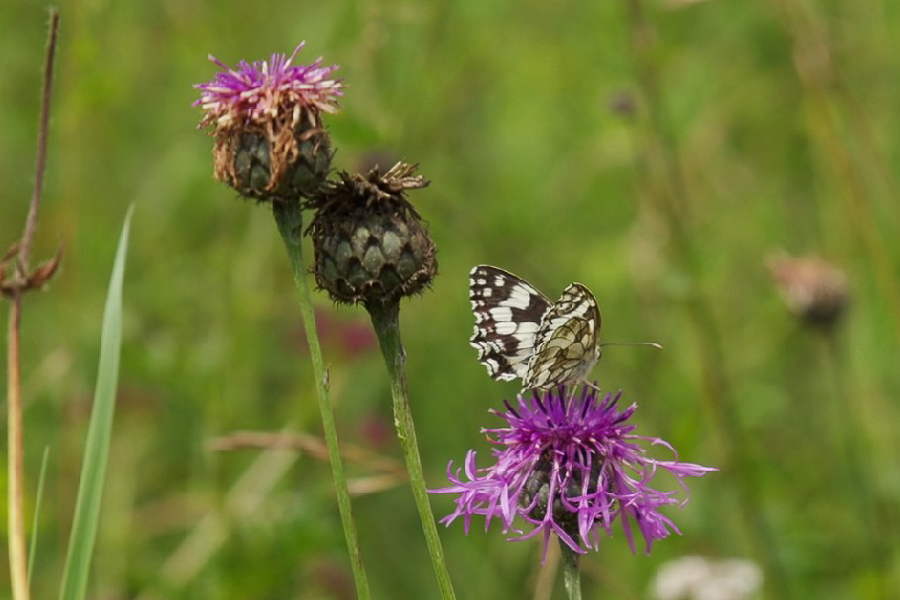
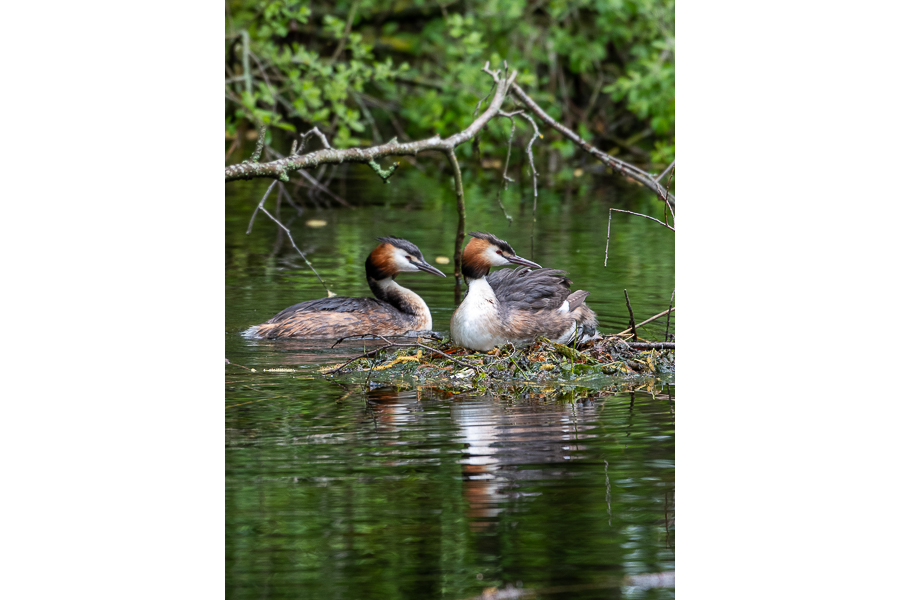
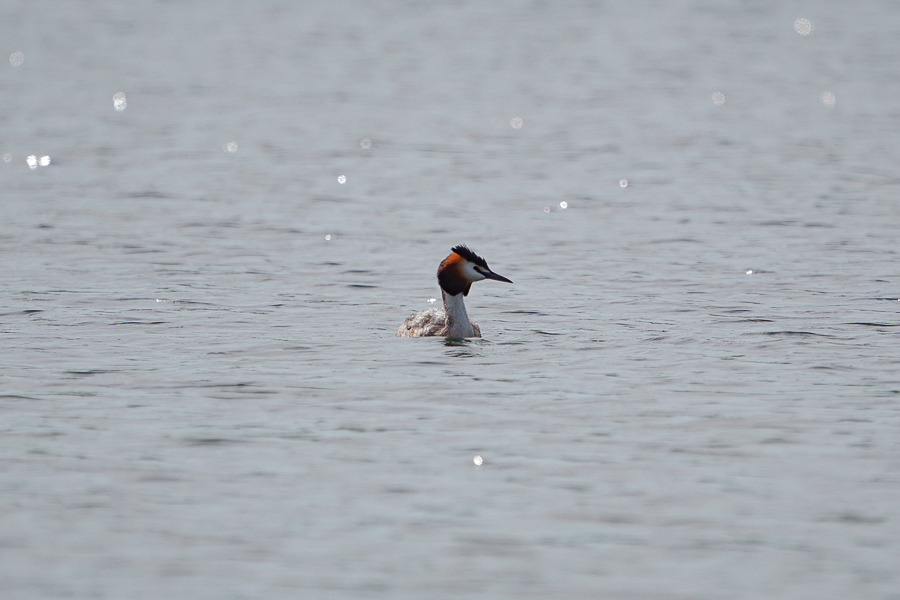
The Mediterranean Garden is closely linked with nearby natural sites, including the Lamert valley, Haff Réimech and the Biodiversum, which serves as a haven for species such as the Great Crested Grebe (Podiceps cristatus). The garden’s mosaic of shrubs, ornamental plants and water features provides shelter and foraging opportunities for insects, birds and other small wildlife. The ongoing management ensures that native and exotic plants thrive side by side, creating a unique blend of biodiversity and aesthetic appeal.
Visiting the Site
Visitors can explore the garden along a demanding, unmarked trail that connects Lamert valley, the Mediterranean Garden, Haff Réimech and the Kuebendällchen valley. Informational resources, maps and GPX tracks are recommended to fully appreciate the diversity of habitats and the remarkable interplay between cultivated and natural areas. Guided tours are organised by the Fondation to provide insights into the plants, restoration efforts and surrounding ecological networks.